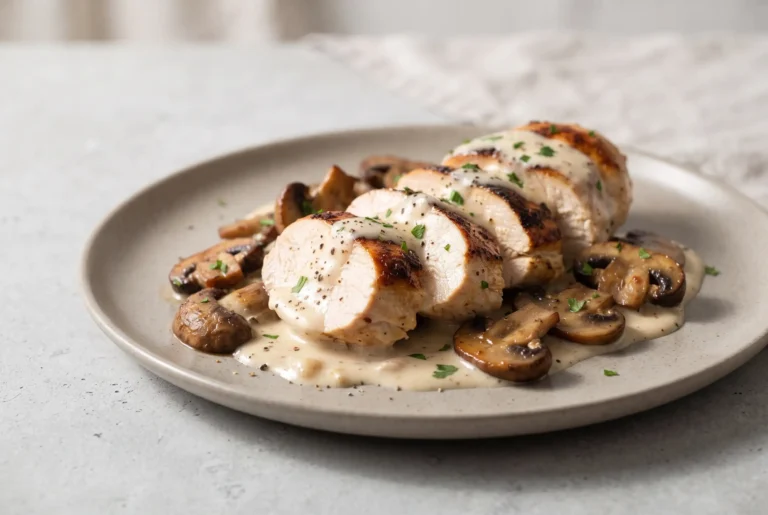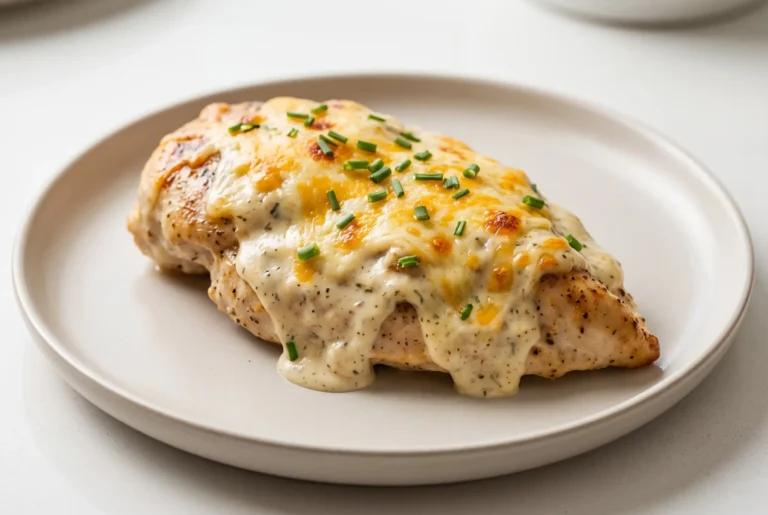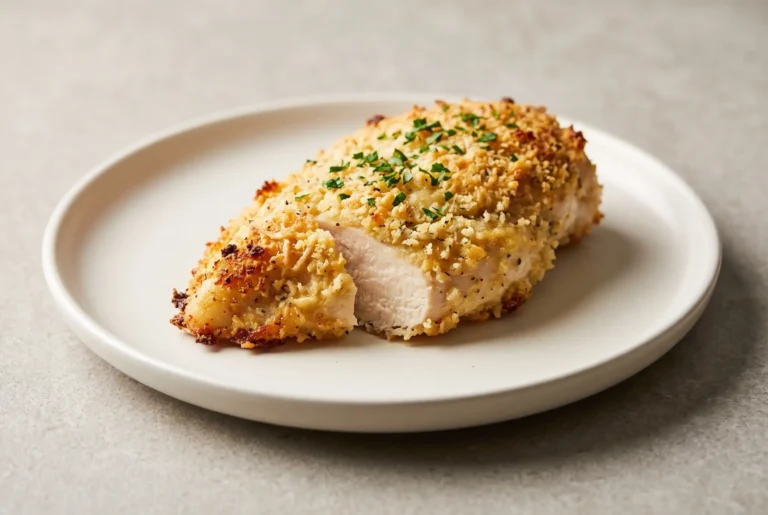
Pan Seared Chicken with Lemon Pan Sauce Recipe for Dinner
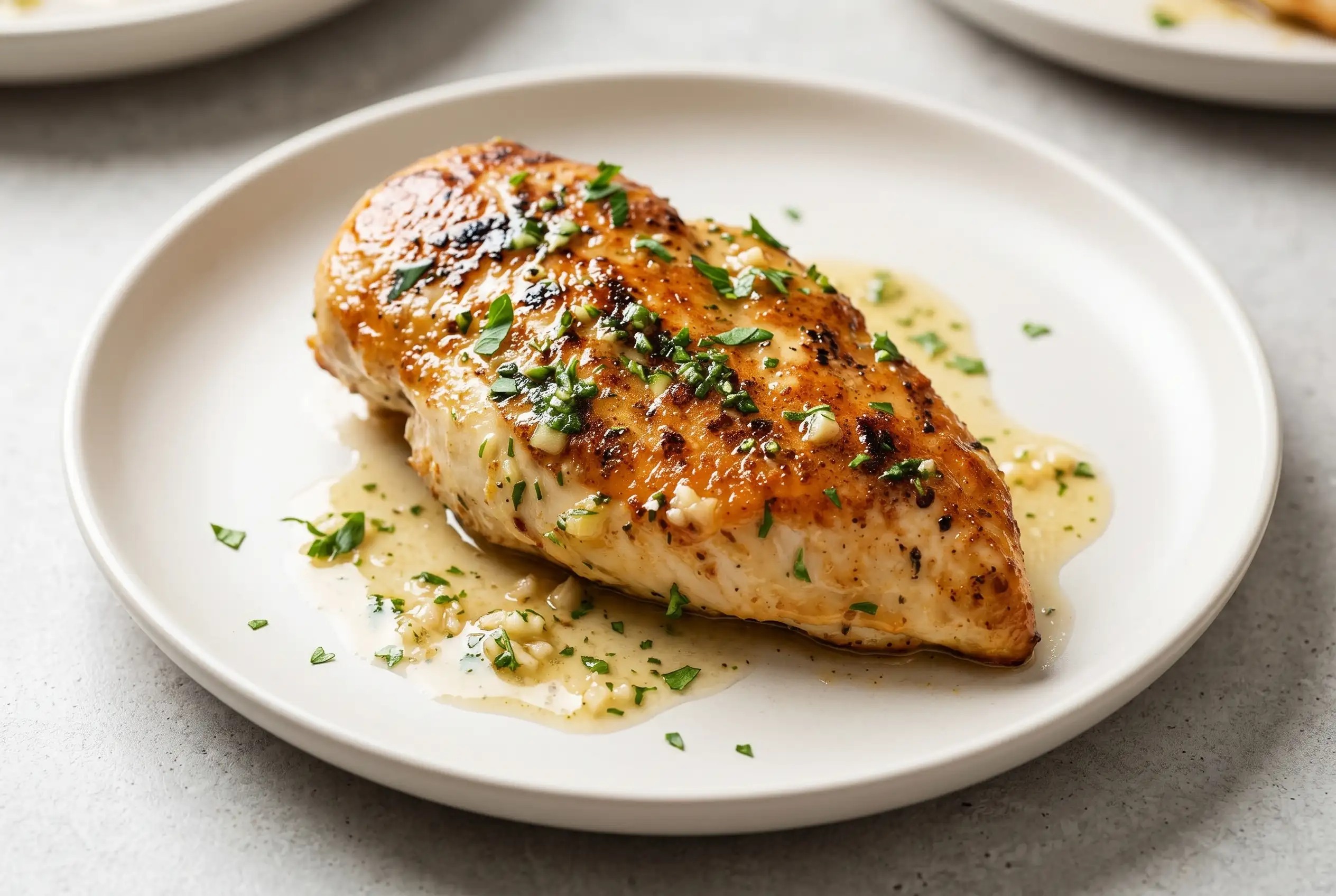
Pan seared chicken creates a dependable dinner when a golden crust, tender center, and quick skillet flavor are the priorities. The technique relies on a few important choices: a dry chicken surface, steady heat, thoughtful seasoning, and enough patience to let browning happen naturally.
This juicy pan seared chicken breast approach turns simple pantry ingredients into a satisfying meal with a bright lemon pan sauce. The same cooking principles also make it useful for meal prep, family dinners, wraps, bowls, and salads when you need a versatile protein.
Why Pan Seared Chicken Builds Better Skillet Flavor
The appeal of this 25 minute chicken dinner comes from the contrast created during cooking. The outside develops a deeply browned surface while the inside stays moist and tender. That difference in texture gives the chicken a restaurant-style quality without requiring complicated preparation.
A hot skillet allows the seasoned surface to develop richer flavor as the chicken cooks. When the browned pieces left behind in the pan meet lemon juice and chicken broth, they become part of a simple sauce that carries the savory notes from the searing process.
The method is especially useful for busy cooks because the flavor comes from technique instead of a long ingredient list. Careful heat management, proper spacing, and a short resting period all contribute to a better result.
Choosing Chicken and Tools for Even Results
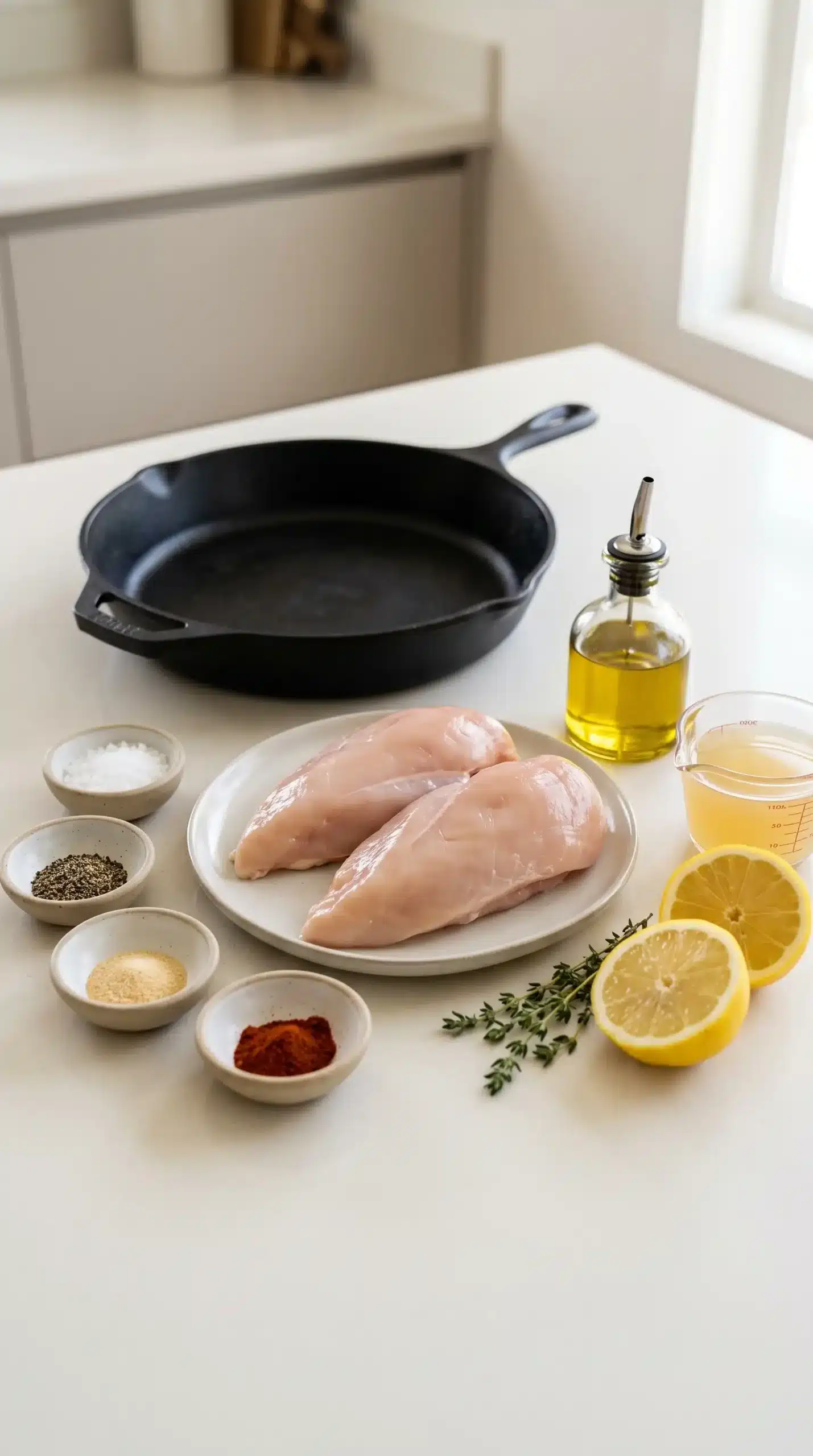
Boneless, skinless chicken breasts are a strong choice for skillet cooking because they cook quickly and provide a lean protein option. Pieces with similar thickness are easier to manage because they finish cooking at a similar rate.
A heavy skillet is valuable because it helps maintain steady heat when the chicken is added. Cast iron and stainless steel both work well for creating the browned surface needed for pan seared chicken.
| Cooking choice | Benefit | Helpful approach |
|---|---|---|
| Cast iron skillet | Holds heat consistently | Preheat before adding oil and chicken |
| Stainless steel skillet | Creates strong browning | Allow the crust to form before moving the chicken |
| Even chicken thickness | Supports consistent cooking | Choose similar-sized pieces or flatten thicker areas |
Using the right pan setup makes it easier to control the cooking environment and avoid rushed adjustments during searing.
Seasoning Choices That Shape the Chicken
The seasoning combination works because each element supports the overall flavor without covering the chicken. Salt, black pepper, garlic powder, and smoked paprika create a savory coating that works well with the skillet method.
Garlic powder spreads evenly across the surface and avoids the quick burning that can happen with fresh garlic during high heat cooking. Smoked paprika adds color and a warm flavor that complements the browned exterior.
- Salt: Enhances the overall flavor of the chicken and seasoning blend.
- Garlic powder: Provides even savory flavor across the surface.
- Smoked paprika: Adds warmth and a subtle smoky note.
- Lemon juice: Brightens the finished sauce after searing.
Extra virgin olive oil supports browning and helps the seasonings coat the chicken during cooking. The lemon and broth added later bring balance to the rich skillet flavors.
How to Pan Sear Chicken With Better Heat Control
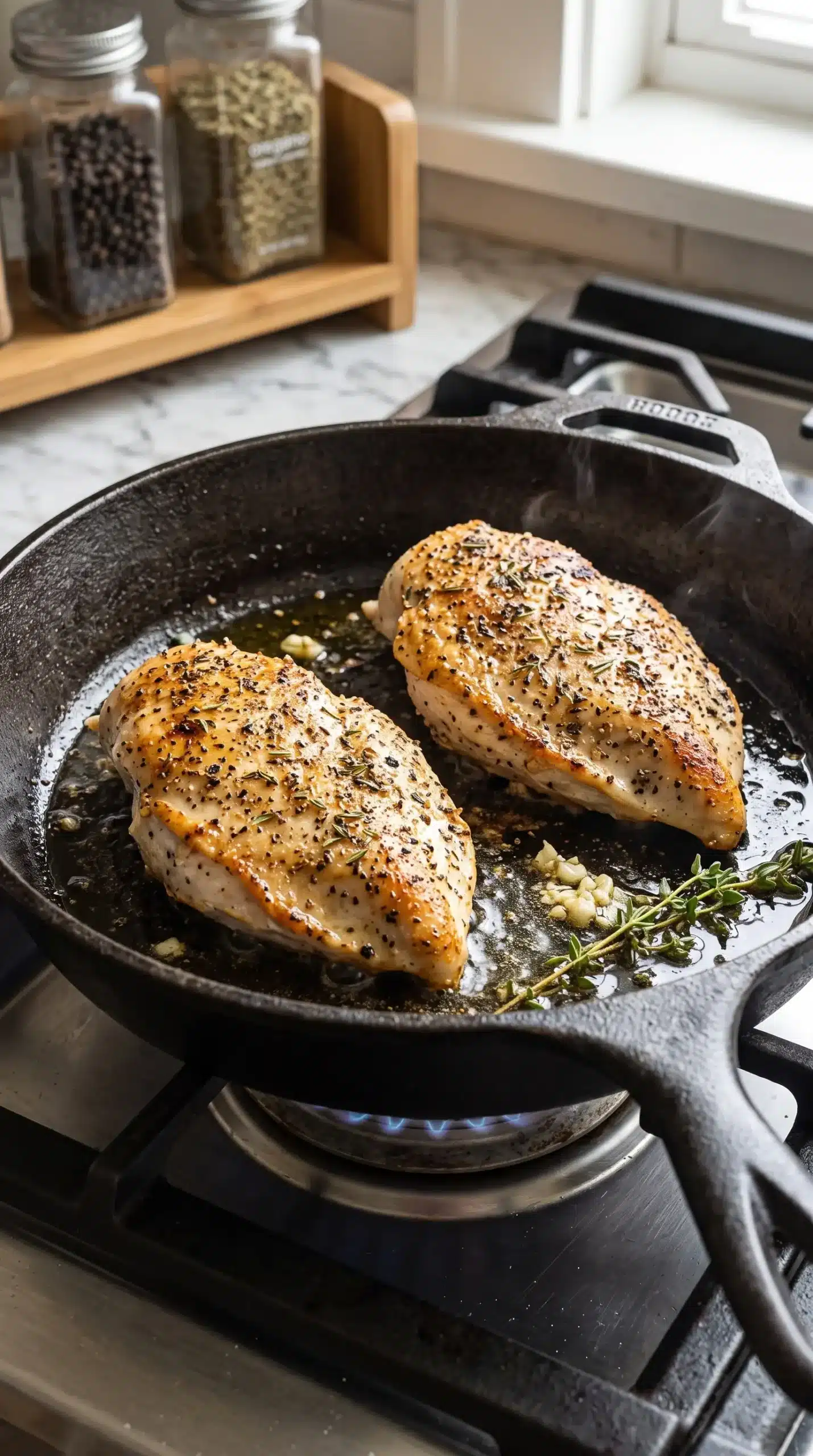
Learning how to pan sear chicken starts with understanding temperature. The skillet needs enough heat to create browning, but excessive heat can burn spices before the center finishes cooking.
The chicken surface should be dry before it touches the pan. Moisture creates steam, which slows the development of the golden crust that makes skillet chicken so appealing.
Patting the chicken dry is an important preparation step because surface moisture affects searing by reducing how effectively the meat can develop a browned crust in the pan.
Once the chicken enters the skillet, leaving it undisturbed helps the crust develop. Moving pieces too often interrupts contact between the chicken and the hot cooking surface.
A meat thermometer provides a reliable way to check doneness. Removing chicken when it reaches 165°F helps protect the texture and prevents unnecessary drying.
Mistakes That Keep Pan Seared Chicken From Browning
Small preparation errors can change the final texture and appearance of the chicken. Recognizing the cause of a problem makes it easier to correct the next batch.
| Common issue | Why it happens | Better solution |
|---|---|---|
| Pale chicken surface | Excess moisture or a crowded pan | Dry the chicken well and leave space between pieces |
| Chicken sticks when flipping | The crust has not formed fully | Wait until the chicken releases more easily |
| Dry chicken breast | Cooking beyond the needed temperature | Check internal temperature during cooking |
Another common mistake is cutting into the chicken immediately after cooking. Resting allows the juices to settle so the meat stays more enjoyable when sliced.
The Texture Behind Juicy Pan Seared Chicken Breast
The signature texture comes from two different cooking effects working together. The outside develops a browned crust while the interior remains soft and juicy.
Drying the chicken before seasoning improves contact with the skillet, allowing the surface to brown instead of releasing moisture into the pan. A short resting period after cooking helps preserve that tender bite.
The lemon broth sauce adds moisture and flavor while keeping the crust from becoming overwhelmed. It creates a lighter finish that works with many different side dishes.
Serving Ideas That Complete the Skillet Meal
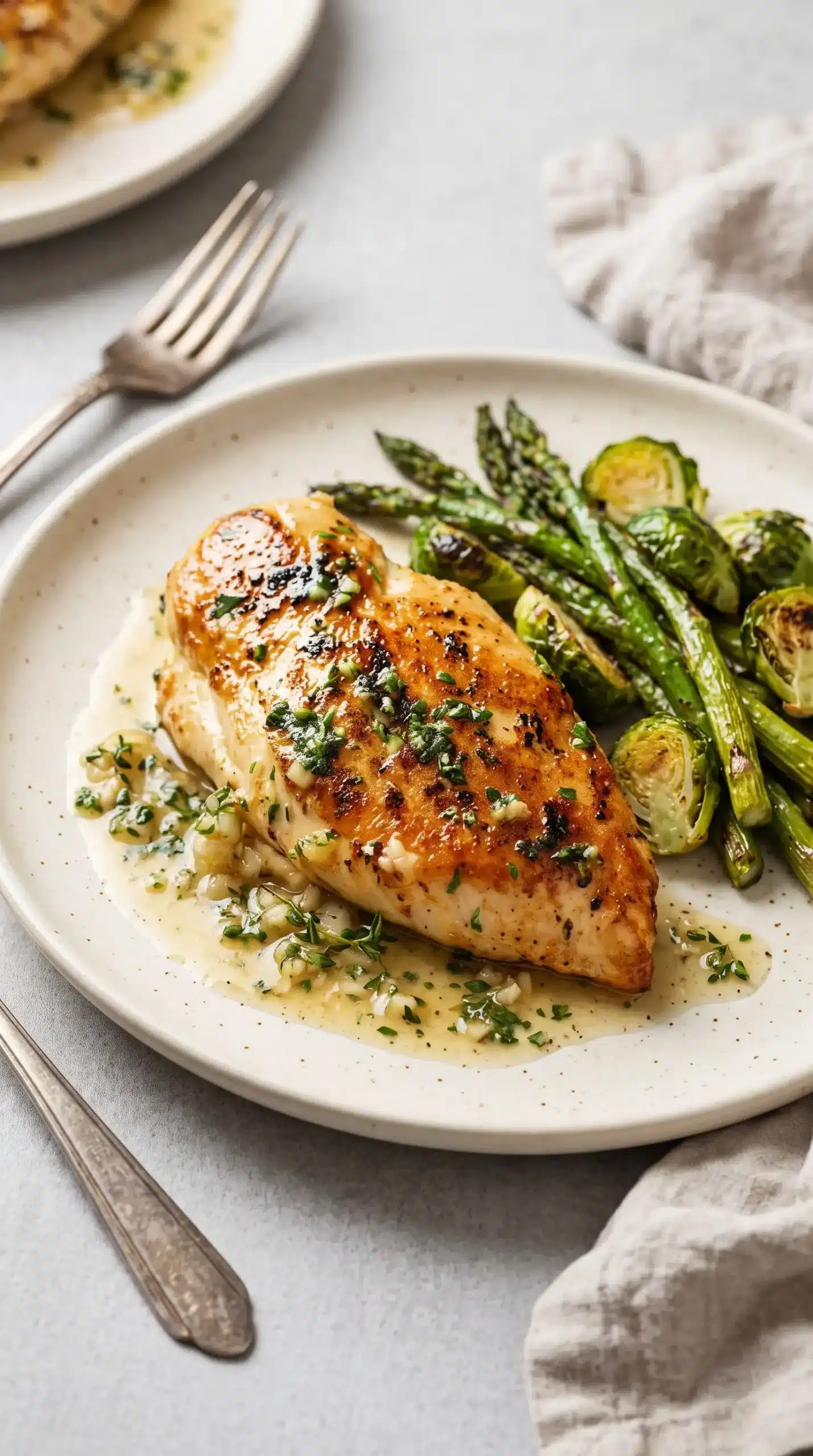
Pan seared chicken fits easily into different dinner styles because the flavor is simple enough to pair with many sides. The lemon pan sauce works especially well with foods that can absorb its savory flavor.
Serving pan seared chicken with roasted vegetables and lemon creates a balanced plate with fresh flavors that complement the bright skillet sauce. Pairing the chicken with vegetable sides keeps the meal satisfying while adding color and texture.
- Vegetables: Asparagus, broccoli, green beans, Brussels sprouts, and zucchini balance the richness of the chicken.
- Grains: Rice pilaf, jasmine rice, brown rice, quinoa, and couscous pair well with the sauce.
- Comfort sides: Mashed potatoes, roasted baby potatoes, and garlic pasta create a hearty plate.
Fresh salads also provide a bright contrast, especially when paired with simple vinaigrettes that complement the lemon notes in the skillet sauce.
Storing and Reheating Leftover Chicken
Cooked pan seared chicken stores well when cooled properly and placed in an airtight container. Keeping portions separate makes reheating easier for quick lunches or future dinners.
Gentle reheating helps protect the texture. A skillet with a small splash of broth can refresh the chicken while adding moisture back to the surface.
Freezing portions can also make this meal more convenient. Tightly wrapped pieces help maintain quality when stored for later use.
Simple Variations From the Same Skillet Method
The basic searing technique creates a flexible starting point for different flavor directions. Small additions can change the style of the meal while keeping the core cooking approach the same.
A creamy version can include a richer sauce after deglazing, while a herb butter finish can add fresh aroma with parsley, thyme, or rosemary. A sweet-savory variation can introduce honey and soy sauce into the skillet sauce for a different flavor profile.
Ranch-style seasoning is another option when a more familiar comfort-food taste is desired. The chicken remains the centerpiece while the finishing flavors change the character of the dish.
Meal Prep Uses for Skillet Chicken
Prepared chicken can simplify weekday meals because the cooked pieces work across several formats. Slicing portions ahead of time makes it easier to build lunches without extra cooking.
Leftovers can be added to pasta dishes, grain bowls, salads, wraps, and quesadillas. The mild seasoning allows the chicken to blend with different ingredients without competing with them.
Preparing the seasoning blend ahead and flattening thicker chicken pieces before cooking can also make future batches easier to manage.
Nutrition Notes for This Protein-Rich Dinner
Chicken breast provides lean protein along with nutrients such as B vitamins, selenium, and phosphorus. Using olive oil and a skillet method keeps the preparation focused on simple ingredients.
The dish can be adjusted based on personal preferences by changing the finishing ingredients. Skipping butter additions or choosing lower-sodium broth are simple ways to modify the final meal.
Golden Crust Makes Pan Seared Chicken Worth Mastering
The chicken develops its best character when the skillet, seasoning, and timing work together. A properly browned exterior, juicy center, and flavorful lemon sauce come from controlling a few important moments during cooking.
Consistent drying, steady heat, and careful temperature checking turn pan seared chicken into a reliable dinner option that fits both quick evenings and planned meals.
Pan Seared Chicken Browning Questions and Answers
Why is my chicken not getting a golden crust?
A lack of browning usually comes from excess surface moisture or a skillet that is not ready for cooking. Dry the chicken thoroughly and allow the oil to heat until it shimmers before adding the meat.
Can I use chicken thighs instead of chicken breasts?
Boneless chicken thighs work well because their higher fat content helps them stay juicy during skillet cooking. They can be used with the same general searing approach while adjusting cooking time as needed.
How do I know when pan seared chicken is fully cooked?
A meat thermometer is the most dependable way to check doneness. The chicken should reach an internal temperature of 165°F before serving.
Can I make the skillet sauce without butter?
Yes. The lemon juice and chicken broth create a flavorful sauce on their own by lifting the browned bits from the pan. Butter can be added for extra richness if desired.
How can I keep leftover chicken from drying out?
Reheat gently with a splash of broth and avoid high heat that can remove moisture quickly. Slicing the chicken before storage also makes reheating more convenient.
Pan Seared Chicken with Lemon Pan Sauce
Ingredients
Method
- Dry the chicken breasts thoroughly with paper towels. Season both sides evenly with salt, black pepper, garlic powder, and smoked paprika.
- Warm a large skillet over medium-high heat, add the olive oil, and heat until shimmering without allowing it to smoke.
- Place the seasoned chicken breasts in the skillet and cook undisturbed for 6 to 7 minutes to develop a deep golden crust.
- Turn the chicken over and continue cooking for another 5 to 6 minutes, until the internal temperature reaches 165°F (74°C).
- Move the cooked chicken to a plate, cover loosely with foil, and allow it to rest briefly.
- Pour the lemon juice and chicken broth into the hot skillet. Use a wooden spoon to loosen the browned bits from the pan and form the lemon sauce.
- Return the chicken breasts to the skillet and coat them with the warm lemon pan sauce before serving.