Healthy SautéEd Vegetables with Garlic and Olive Oil
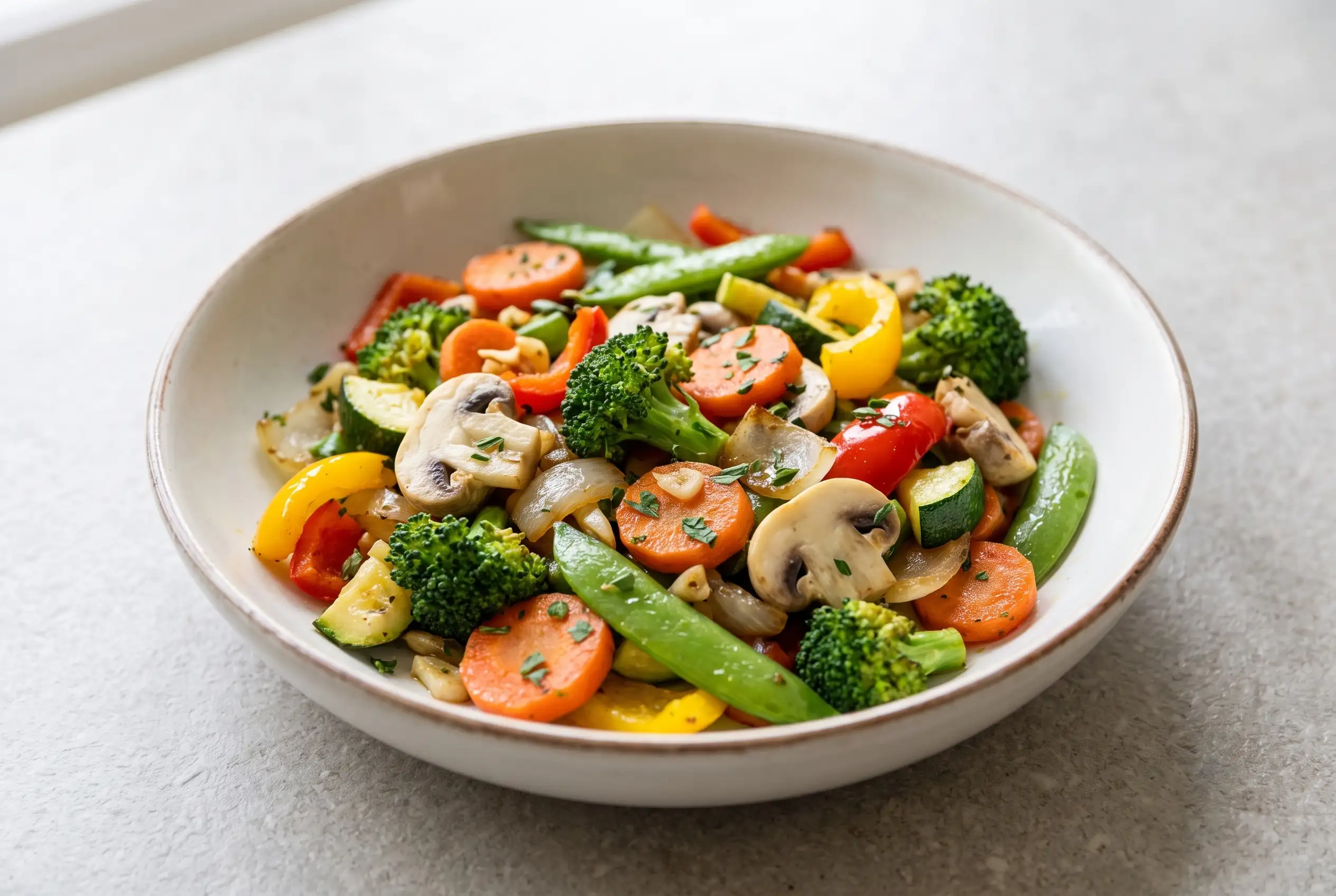
healthy saut ed vegetables create a colorful, flavorful side dish by combining fresh produce, olive oil, garlic, and quick skillet cooking. The mix of broccoli, carrots, peppers, zucchini, mushrooms, and snap peas delivers a balanced texture with tender centers, crisp edges, and savory flavor that works beside many meals.
Simple ingredients become more appealing when they are cooked with attention to heat and timing. An easy saut ed vegetables recipe like this one fits busy dinners because the vegetables gain deeper flavor without needing heavy sauces or complicated preparation.
Healthy Sautéed Vegetables for Fast Weeknight Balance
Busy cooks often need a side dish that adds freshness without taking attention away from the main meal. This 30 minute vegetable side dish provides that convenience by using everyday produce and a straightforward skillet approach that keeps the vegetables lively.
Fresh flavors come from the combination of aromatic garlic, sliced onion, olive oil, and naturally sweet vegetables. The quick cooking process encourages light browning, helping the vegetables develop richer savory notes while maintaining their individual textures.
Versatile meals benefit from a dependable vegetable option that can accompany grilled chicken, seafood, pasta, rice bowls, quinoa bowls, soups, tofu, or eggs. The dish also works well when refrigerator vegetables need to be used before they lose freshness.
Fresh Produce Choices That Shape Flavor
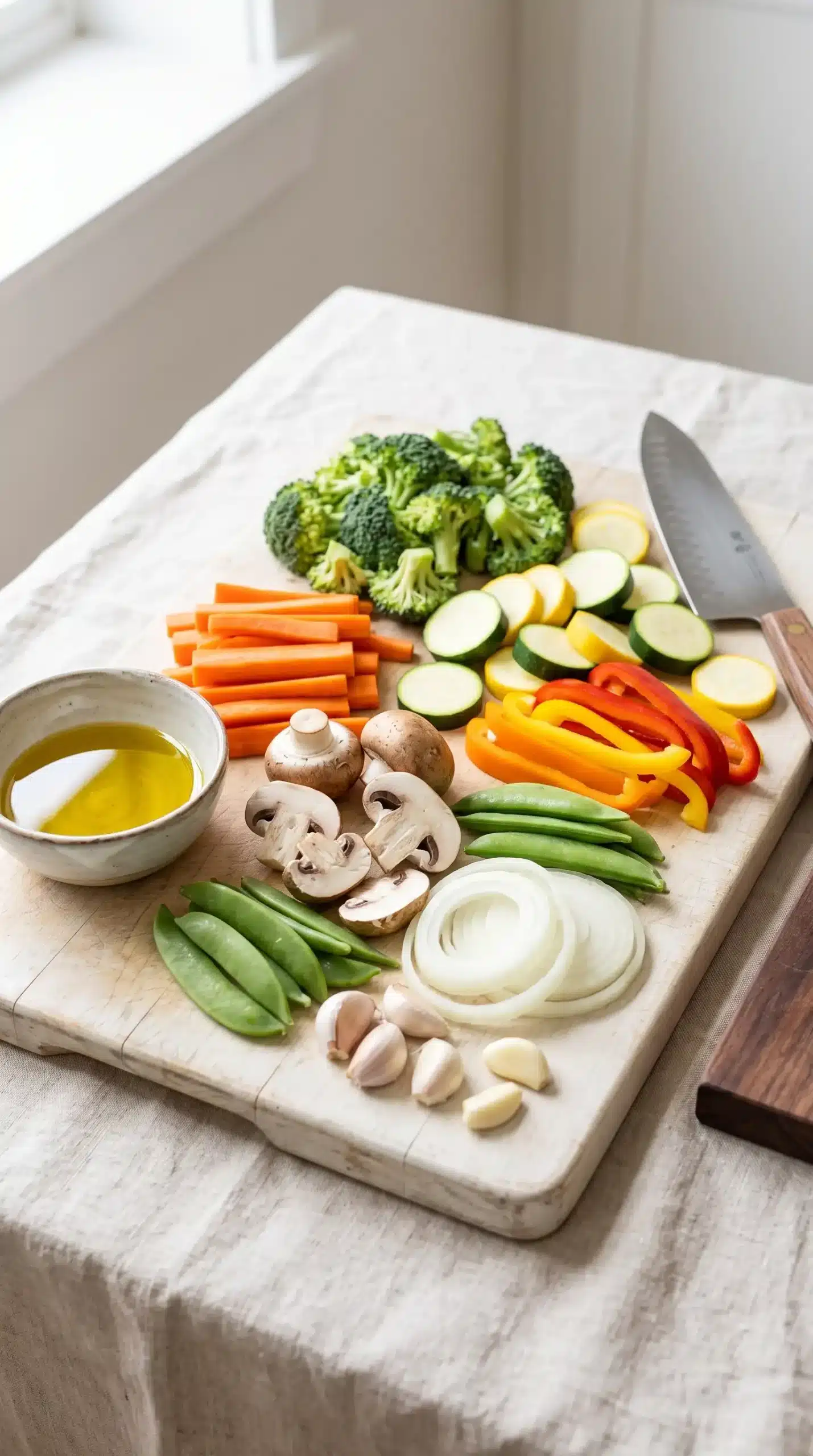
Vegetable selection determines the balance of sweetness, firmness, and savory depth in healthy saut ed vegetables. Harder vegetables such as carrots and broccoli provide structure, while zucchini, mushrooms, and peppers bring softer textures and moisture.
| Vegetable choice | Texture role | Useful swap |
|---|---|---|
| Broccoli | Firm bite with hearty florets | Cauliflower or asparagus |
| Carrots | Sweetness and sturdy texture | Sweet potatoes or butternut squash |
| Zucchini | Soft balance for firmer vegetables | Yellow squash or eggplant |
| Mushrooms | Savory, satisfying texture | Cremini or white mushrooms |
Ingredient flexibility makes this healthy vegetable side dish practical throughout the year. Seasonal produce, affordable staples, or available refrigerator items can all create a satisfying combination while keeping the cooking method consistent.
Skillet Heat Controls Better Texture
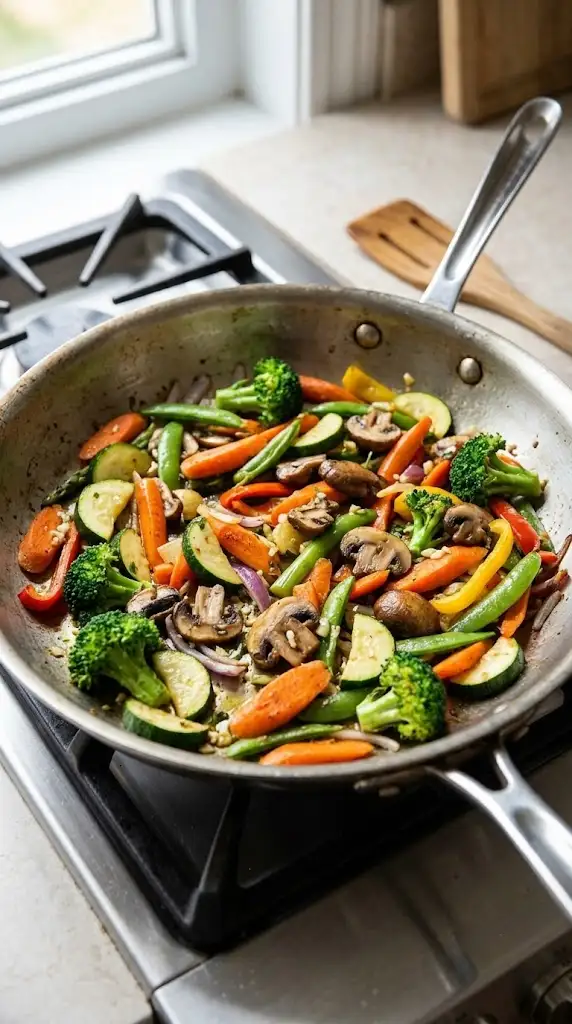
Proper pan heat has the biggest effect on the finished texture. Medium-high heat allows moisture to leave the vegetables quickly, helping them become lightly caramelized instead of soft and watery.
The light browning that develops on sautéed vegetables comes from surface reactions that add deeper flavor and color. Understanding how browning creates flavor helps explain why proper skillet heat makes this simple dish more savory.
A wide skillet or wok gives the vegetables room to contact the hot surface. Crowding the pan traps steam, which reduces browning and changes the crisp-tender texture that makes healthy saut ed vegetables enjoyable.
| Cooking choice | Expected result | Better approach |
|---|---|---|
| Hot skillet | Light browning and concentrated flavor | Preheat before adding vegetables |
| Overfilled pan | Steamed texture and less color | Use a larger pan or batches |
| Uneven cuts | Mixed levels of doneness | Cut pieces into similar sizes |
Cooking order matters because broccoli and carrots need more time than softer vegetables. Adding delicate produce too early can make some pieces overly soft before firmer vegetables finish cooking.
Mistakes That Weaken Healthy Sautéed Vegetables
Common errors with healthy saut ed vegetables usually come from small preparation choices. Avoiding these problems helps preserve the bright appearance, fresh flavor, and appealing texture of the finished dish.
- Too much crowding: Spread vegetables across the cooking surface so steam does not replace sautéing.
- Low cooking heat: Use medium-high heat to encourage browning and stronger flavor development.
- Large uneven pieces: Cut vegetables consistently so softer and firmer ingredients finish closer together.
- Excess cooking time: Remove vegetables while they remain tender with some texture.
Flavor Changes Without Losing Vegetable Character
Flavor adjustments can transform the same vegetable combination into different styles of meals. A small finishing touch can shift the overall profile while allowing the fresh produce to remain the focus.
Mediterranean-inspired additions include fresh herbs, lemon juice, balsamic vinegar, and Parmesan cheese. These options complement the olive oil and garlic foundation while creating a brighter finish.
Asian-inspired variations can use sesame oil and soy sauce with additions such as bok choy or other suitable vegetables. Extra protein choices like shrimp, tofu, chicken, steak, or chickpeas can turn healthy saut ed vegetables into a complete meal.
Serving Pairings for Colorful Vegetable Plates
Healthy saut ed vegetables pair naturally with proteins, grains, and comforting dishes because their fresh flavor adds contrast to richer meals. A balanced dinner plate can include Healthy Chicken Recipe with Roasted Vegetables and Lemon alongside the vegetable mixture for a satisfying combination of tender produce and lean protein.
Storage Habits That Protect Texture
Leftover vegetables keep best when stored in airtight containers and reheated gently in a skillet. A microwave can warm them quickly, but the texture may become softer after reheating.
Prep Shortcuts for Busy Vegetable Cooking
Advance preparation makes healthy saut ed vegetables even easier on busy evenings. Washing and cutting produce ahead of time reduces the work needed when dinner approaches.
Pre-cut vegetables, frozen options, and prepared garlic can shorten the cooking process while keeping the basic flavor structure intact. Frozen vegetables work best when cooked over sufficient heat so extra moisture can escape.
Meal preparation also allows the vegetables to become part of wraps, salads, grain bowls, and quick lunches. Keeping prepared ingredients organized makes it easier to create a fresh side dish without starting from the beginning.
Nutrition Notes Behind the Vegetable Mix
Vegetable variety supports a balanced eating pattern by providing fiber, vitamins, antioxidants, and minerals. Broccoli contributes vitamin C and fiber, carrots provide beta-carotene, and peppers add antioxidants and vitamin A.
Tools That Support Even Sautéing
A large skillet, sharp knife, cutting board, and sturdy cooking utensil make preparation smoother. A roomy pan is especially useful because vegetables need space to brown properly during cooking.
Texture Details Inside Every Bite
Texture is one of the defining qualities of healthy saut ed vegetables. Broccoli and carrots create structure, while zucchini and mushrooms add softness that balances the firmer pieces throughout the dish.
Quick cooking preserves the contrast between juicy peppers, crisp snap peas, tender vegetables, and lightly browned edges. Garlic and onions blend into the mixture, creating a savory background without overwhelming the produce.
Optional toppings introduce additional variety. Toasted nuts or seeds add crunch, fresh herbs provide brightness, and a small amount of Parmesan cheese creates a richer finish.
Budget Choices for Healthy Sautéed Vegetables
Affordable produce can still create flavorful results because the cooking technique brings out natural sweetness and savory notes. Seasonal vegetables, frozen options, and common staples like carrots, onions, broccoli, and zucchini help keep costs manageable.
Healthy Sautéed Vegetables Stay Vibrant Through Quick Cooking
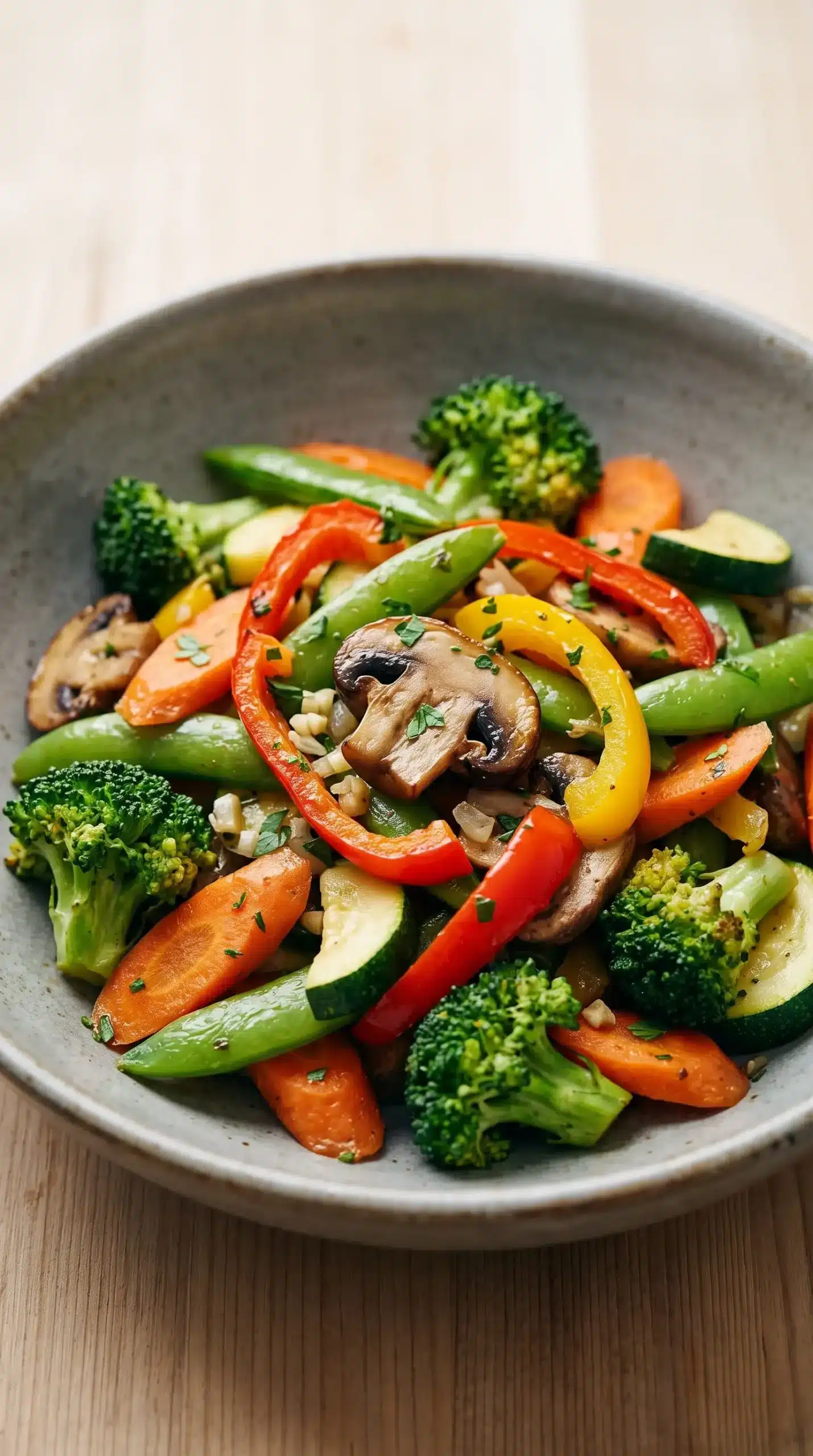
Healthy saut ed vegetables succeed because the cooking process protects the qualities that make fresh produce enjoyable. A hot skillet, thoughtful timing, and balanced vegetable choices create a side dish with color, texture, and flavor.
The combination of crisp-tender vegetables and simple seasonings shows how small cooking decisions can shape a satisfying meal addition. Keeping moisture controlled and avoiding overcooking allows every vegetable to contribute its own character.
Healthy Sautéed Vegetables Questions About Texture and Storage
How can vegetables stay crisp after cooking?
Vegetables keep more texture when the skillet is properly heated, the pan is not overcrowded, and cooking stops once the pieces become tender while retaining some firmness.
Can frozen vegetables work for this dish?
Frozen vegetables can be used when fresh produce is unavailable. Cooking them over medium-high heat helps release extra moisture so the finished vegetables do not become overly soft.
Which vegetables are easiest to substitute?
Broccoli, carrots, zucchini, mushrooms, peppers, and snap peas can be adjusted with options such as cauliflower, asparagus, cabbage, bok choy, or green beans depending on availability.
How can the flavor become more family friendly?
Milder seasoning, smaller vegetable pieces, and familiar choices like carrots, zucchini, sweet peppers, and snap peas can make the dish more approachable for different preferences.
Can these vegetables become a complete meal?
Adding chicken, shrimp, tofu, steak, eggs, or chickpeas can turn the vegetable mixture into a more filling meal while keeping the same skillet preparation style.
Healthy Sautéed Vegetables with Garlic and Olive Oil
Ingredients
Method
- Wash the vegetables and slice them into evenly sized pieces to help them cook at the same rate.
- Warm the olive oil in a large skillet or wok over medium-high heat.
- Add the minced garlic and sliced onion, then cook for 1–2 minutes until fragrant and beginning to soften.
- Add the broccoli florets and sliced carrots, sautéing for several minutes while stirring often.
- Add the zucchini, mushrooms, bell pepper, and snap peas, then continue cooking until the vegetables are crisp-tender and lightly caramelized.
- Season the vegetables with salt, black pepper, and optional lemon juice, balsamic vinegar, or soy sauce.
- Mix the vegetables together and serve warm with optional fresh herbs, toasted nuts or seeds, or grated Parmesan cheese.