Chicken in White Wine Sauce with Garlic, Onions and Thyme
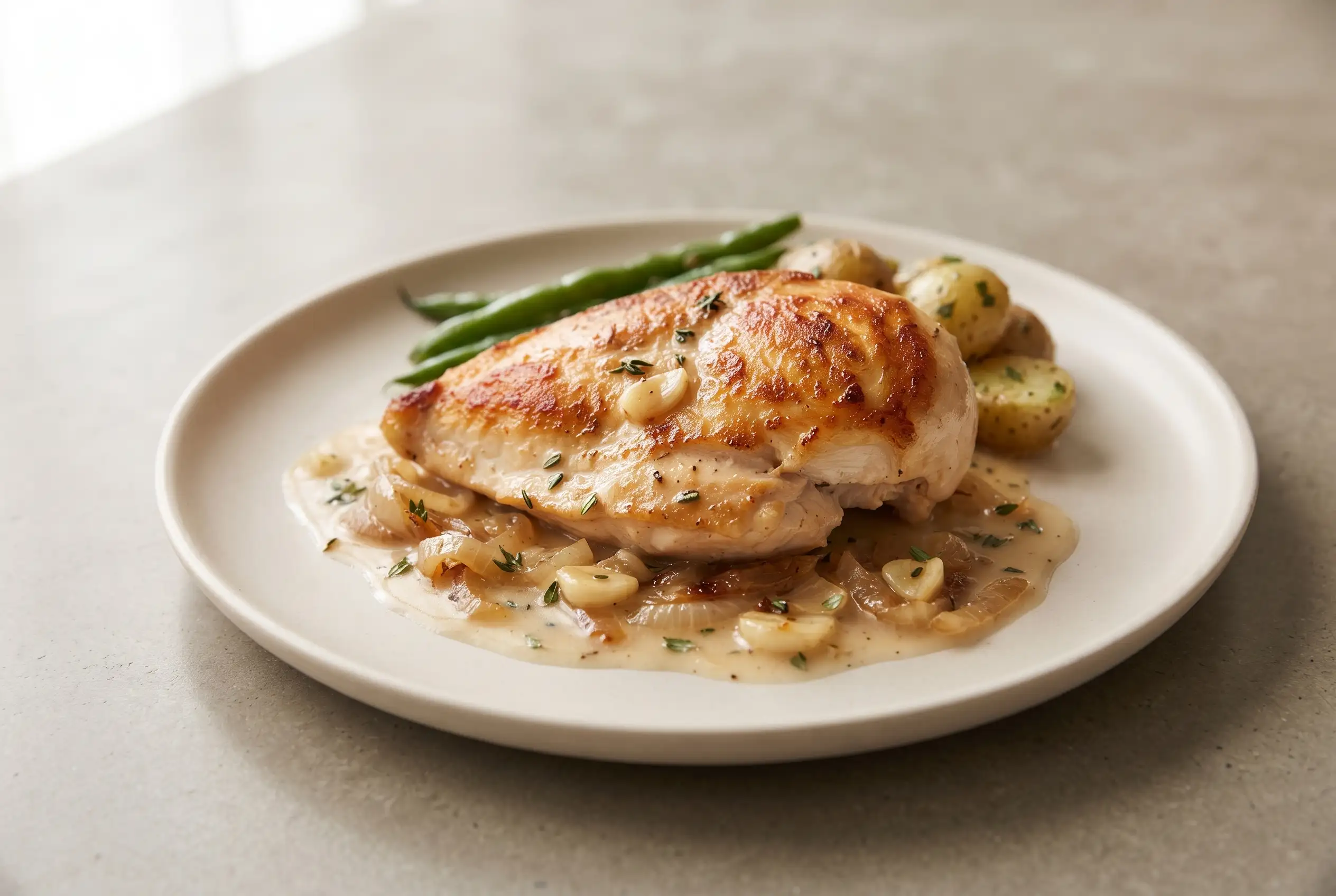
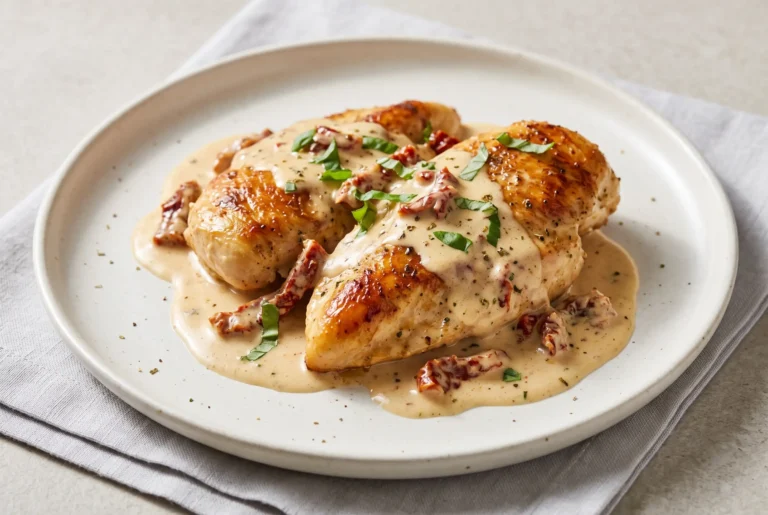
Chicken in White Wine Sauce creates a polished skillet dinner with golden chicken breasts, a savory wine reduction, garlic, onions, and thyme. The combination delivers an easy white wine chicken dinner with restaurant-style flavor while keeping the cooking approach approachable for home kitchens.
A balanced sauce is what makes this 30 minute chicken dinner memorable. The browned chicken develops depth first, then the pan flavors become part of a silky sauce that pairs naturally with potatoes, noodles, rice, or bread.
Chicken in White Wine Sauce at a Glance
The dish centers on simple cooking techniques that build flavor quickly. A hot skillet, careful browning, and gentle simmering create a tender chicken meal with a bright sauce that feels suitable for both casual dinners and special occasions.
| Cooking Element | Purpose in the Dish |
|---|---|
| Pan-seared chicken | Creates golden color and savory flavor |
| White wine reduction | Concentrates flavor and balances the sauce |
| Broth and herbs | Build a smooth, aromatic finish |
Flavor Foundations Behind the Skillet Sauce
The appeal of chicken in white wine sauce comes from layering flavors in the same pan. The chicken is browned first, leaving behind flavorful browned bits that dissolve into the sauce during deglazing.
Garlic and onions create the aromatic base after the chicken is removed. Their flavors become softer and more integrated as they cook, helping the sauce develop a savory character without requiring a long simmer.
White wine brings acidity and brightness while chicken broth adds balance. As the wine reduces, the sauce becomes more concentrated and works with the thyme to create a finished dish that feels rich without relying on a heavy cream base.
Ingredient Choices That Shape Chicken in White Wine Sauce
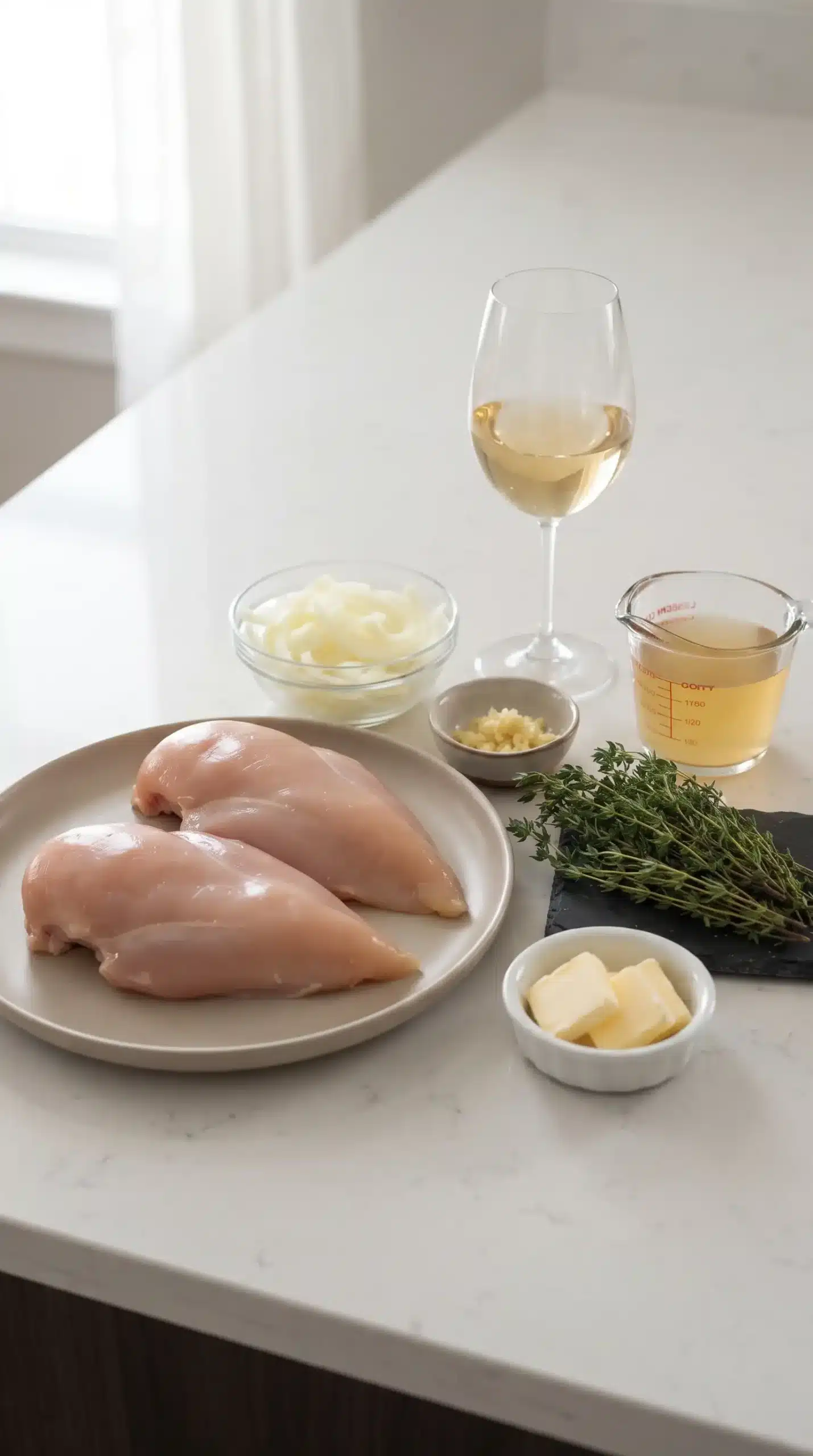
The ingredients selected for this chicken with white wine sauce recipe each influence the texture and balance of the finished skillet. Dry white wine is especially important because sweet varieties can distract from the savory flavors.
- Dry wine selection: Sauvignon Blanc and Pinot Grigio provide the clean flavor profile needed for the sauce.
- Chicken cut: Boneless skinless breasts cook quickly, while thighs offer another juicy option.
- Herb choice: Fresh thyme adds a bright earthy note, while dried thyme works when needed.
- Finishing touch: Cold butter can create a smoother, glossier sauce texture before serving.
Skillet Control Creates a Better Chicken Dinner
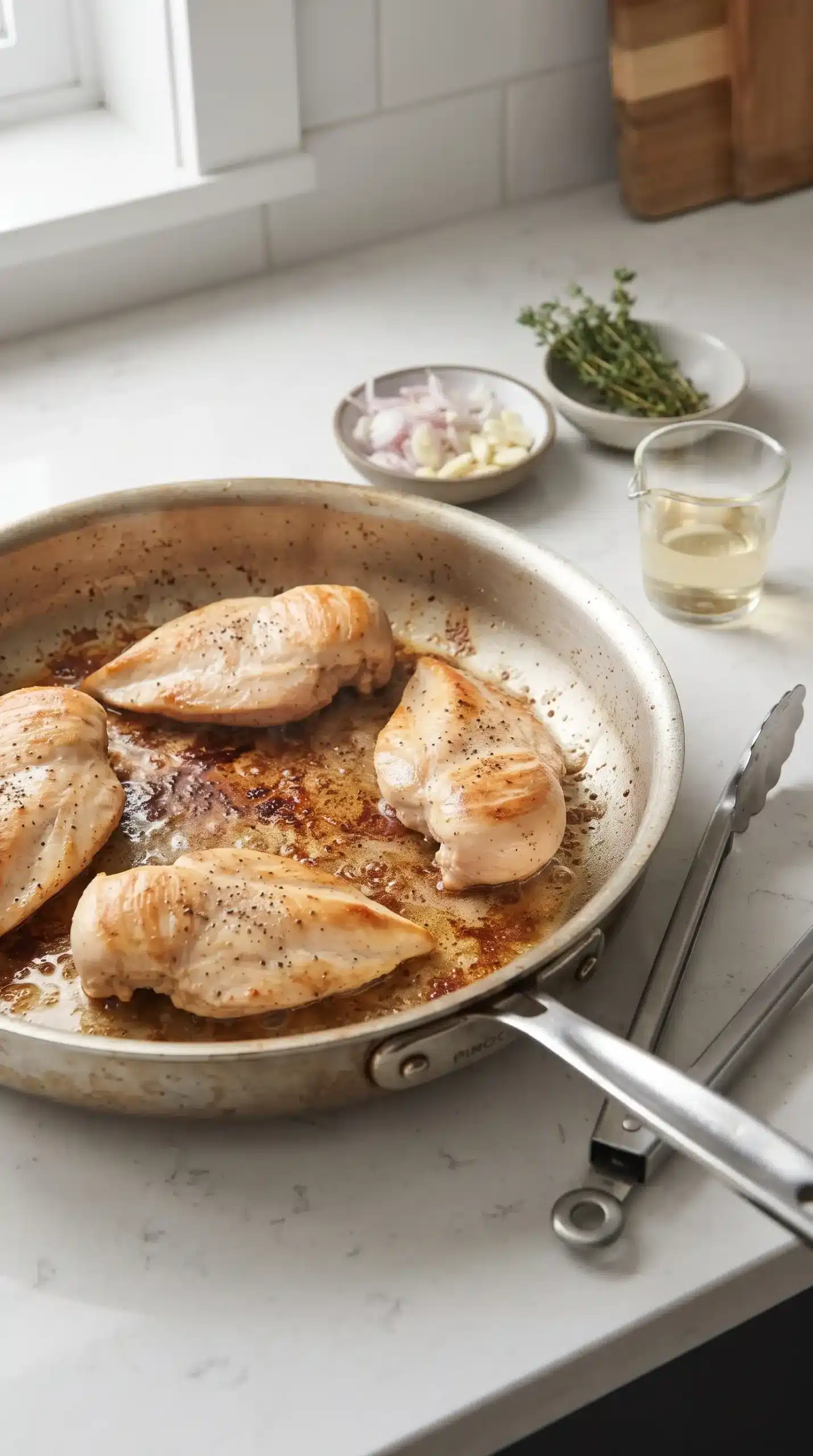
Cooking control matters more than complicated preparation when making chicken in white wine sauce. Patting meat dry before searing helps the surface brown properly, while a properly heated skillet encourages caramelization.
Keeping the chicken undisturbed during the initial sear allows a golden crust to develop. Once the chicken is returned to the pan, gentle simmering helps it stay tender while absorbing the flavors of the sauce.
The reduction stage also requires attention. Allowing the wine to cook down before adding broth softens the sharper notes and creates a more balanced sauce that coats the chicken evenly.
A careful finish with cold butter adds smoothness at the right moment. Adding it near the end preserves the texture and gives the sauce a polished appearance.
Avoiding Chicken in White Wine Sauce Mistakes
Several small choices can affect the outcome of this skillet meal. Preventing common problems keeps the chicken juicy and the sauce balanced.
| Common Issue | Why It Happens | Better Approach |
|---|---|---|
| Pale chicken | Wet surface or crowded pan | Dry the chicken and allow space for browning |
| Thin sauce | Insufficient reduction | Let the liquid simmer until more concentrated |
| Dry chicken | Overcooking during simmering | Use gentle heat and check doneness carefully |
Serving Ideas That Match the Sauce
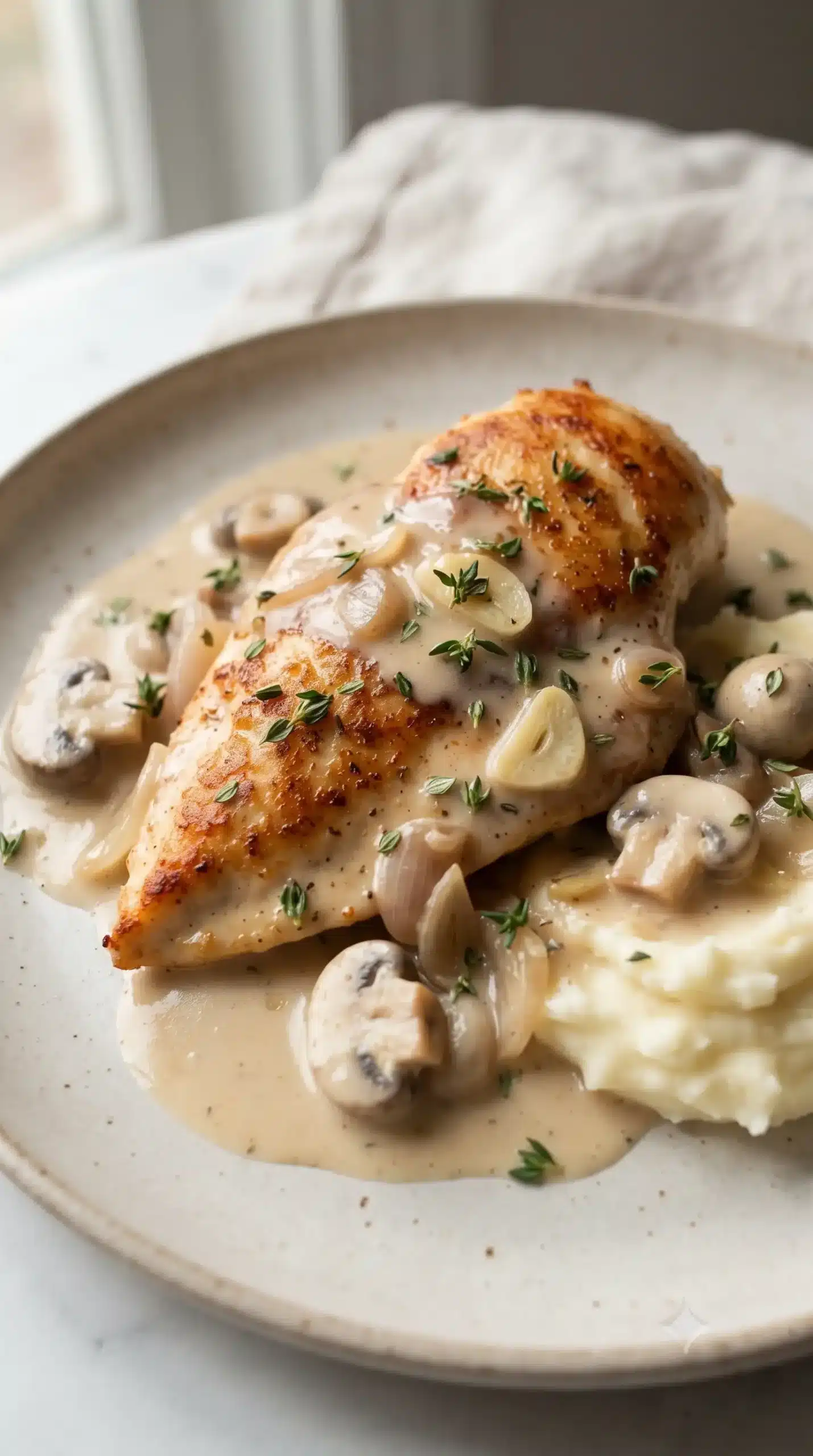
The silky sauce in chicken in white wine sauce works best with sides that capture extra flavor. Mashed potatoes, buttered noodles, rice, and crusty bread all complement the liquid texture.
Keeping Leftovers Tender After Cooking
Proper storage helps maintain the texture of the chicken and sauce after the meal. Leftovers should be placed in airtight containers and kept refrigerated for short-term use.
Freezing is also possible when you want to save portions for later. Gentle reheating is important because high heat can make chicken breasts lose moisture and can change the sauce texture.
- Refrigerator storage: Keep leftovers in airtight containers for up to 3 days.
- Freezer storage: Freeze portions for up to 2 months.
- Reheating method: Warm slowly with a small splash of broth or water if the sauce becomes too thick.
Simple Variations for Chicken in White Wine Sauce
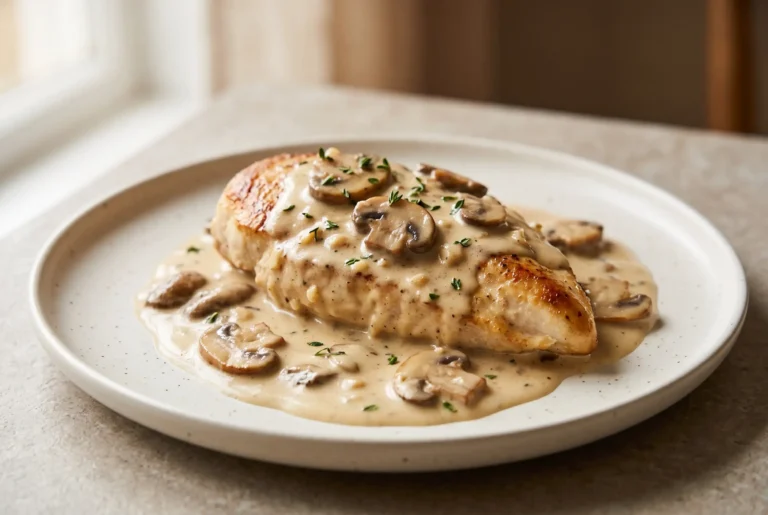
The base flavors of chicken in white wine sauce can adapt easily to different preferences. Adding mushrooms creates a deeper savory variation, with a richer skillet direction found in creamy garlic chicken with mushrooms. Cream can create a fuller sauce texture during the final simmer while keeping the chicken tender.
Tools That Support Better Skillet Results
A large skillet is the most important piece of equipment for this dinner because the pan surface holds the browned flavors that become part of the sauce. Stainless steel pans are especially useful for developing fond during searing.
A wooden spoon helps loosen those flavorful browned pieces after the wine is added. Tongs make it easier to move the chicken without disturbing the developing crust.
A thermometer can also help prevent overcooking by confirming the chicken reaches the proper internal temperature. The recipe depends on careful heat management, so simple tools can make a noticeable difference.
The Texture Balance Inside Chicken in White Wine Sauce
The finished dish succeeds because every texture has a clear role. The chicken should have a lightly browned exterior with a juicy interior, while the sauce should remain smooth and easy to spoon over side dishes.
Softened onions blend into the sauce and add gentle sweetness. Garlic remains aromatic without becoming overpowering because it cooks briefly before the liquid ingredients are added.
The reduced wine creates a light coating around the chicken. When butter is incorporated at the end, the sauce becomes smoother while keeping the bright character that makes this dish distinct.
Preparing an Easy White Wine Chicken Dinner for Busy Nights
A few preparation habits make chicken in white wine sauce easier to fit into a busy schedule. Chopping onions, preparing garlic, and measuring liquids before heating the skillet reduces interruptions during cooking.
Thin chicken pieces or cutlets can shorten the cooking process, while ready-to-use broth keeps the preparation simple. Familiar sides such as rice or noodles also help turn the skillet chicken into a complete dinner without extra effort.
Chicken in White Wine Sauce Turns Simple Ingredients Into Elegant Comfort
Golden chicken, reduced wine, aromatic vegetables, and thyme create a combination that shows how technique can elevate everyday ingredients. The most important cooking judgment is maintaining balance: build flavor through browning, concentrate the sauce carefully, and protect the tenderness of the chicken.
Chicken in white wine sauce remains dependable because the dish does not rely on complicated additions. Thoughtful heat control and a flavorful pan sauce are enough to create a dinner that feels refined while staying practical.
Chicken in White Wine Sauce Questions About Wine, Storage, and Cooking
Can chicken in white wine sauce be made without alcohol?
Yes. Replace the wine with extra chicken broth and a splash of lemon juice to maintain brightness while keeping the sauce balanced.
What type of white wine works best for this sauce?
Dry options such as Sauvignon Blanc or Pinot Grigio work well because they support the savory ingredients without adding sweetness.
Can chicken thighs replace chicken breasts?
Yes. Chicken thighs remain especially juicy during simmering and can be used as an alternative when you prefer darker meat.
Why does my sauce stay too thin?
The sauce may need more time to simmer so excess liquid can reduce and the flavors can become more concentrated.
Is chicken in white wine sauce gluten-free?
Yes. The sauce thickens naturally through reduction and does not require flour-based thickening.
Chicken in White Wine Sauce with Garlic, Onions and Thyme
Ingredients
Method
- Pat the chicken breasts dry, season with salt and black pepper, and warm the olive oil in a large skillet over medium-high heat.
- Place the chicken in the hot skillet and cook for 6–7 minutes per side until browned and fully cooked to 165°F / 74°C, then move the chicken to a plate.
- Add the diced onion to the same skillet and cook for 3–4 minutes until softened. Stir in the minced garlic and cook for 30–60 seconds.
- Add the white wine to the skillet, scraping up the browned pieces from the bottom, and simmer for 2–3 minutes until reduced by about half.
- Mix in the chicken broth and thyme, then bring the sauce to a gentle simmer.
- Return the chicken breasts and any juices from the plate to the skillet. Simmer gently for 8–10 minutes until the sauce thickens slightly.
- Stir the optional cold butter into the sauce for a smoother finish, then garnish with fresh parsley if desired before serving.