Garlic Brown Sugar Chicken with Garlic Olive Oil Glaze
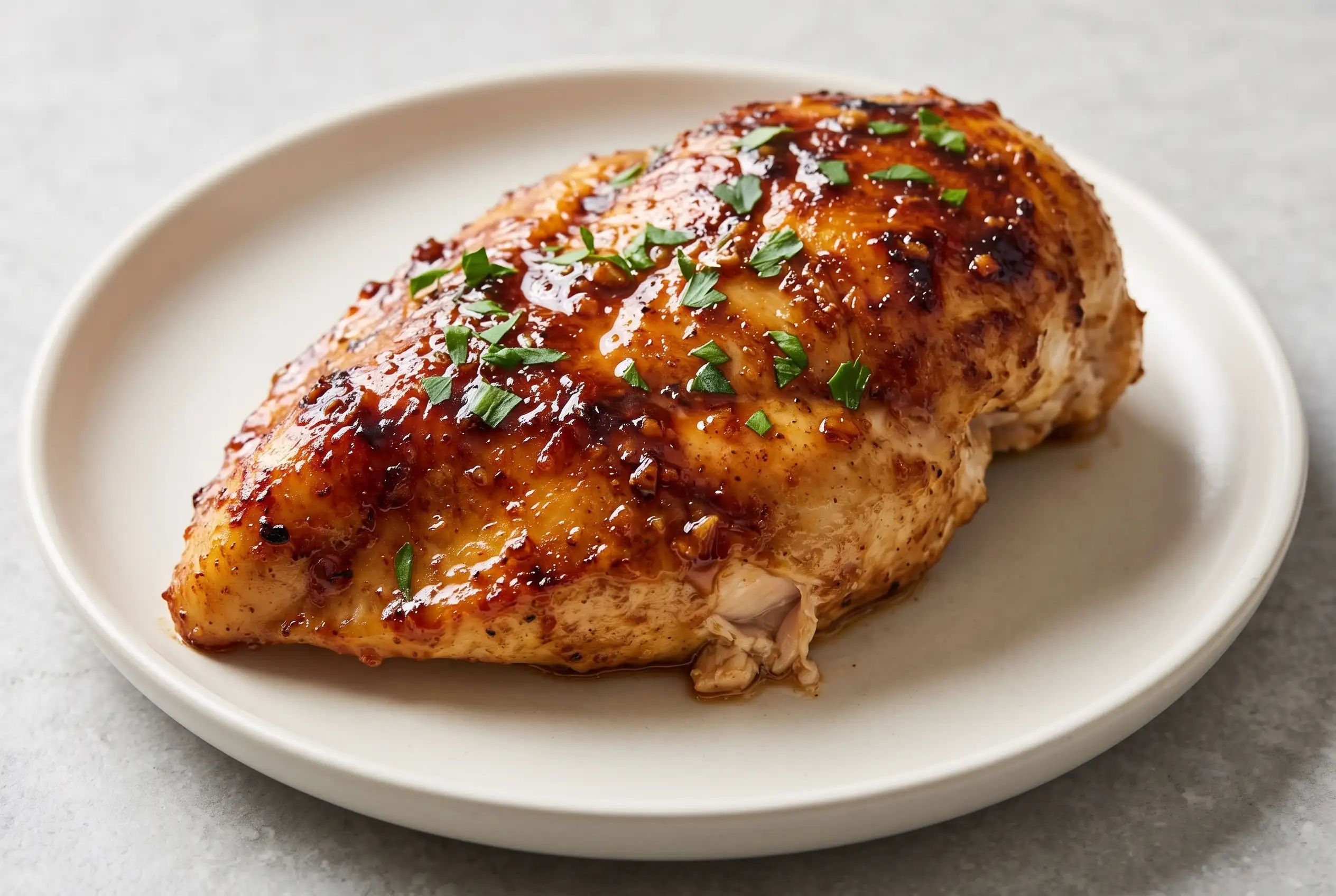
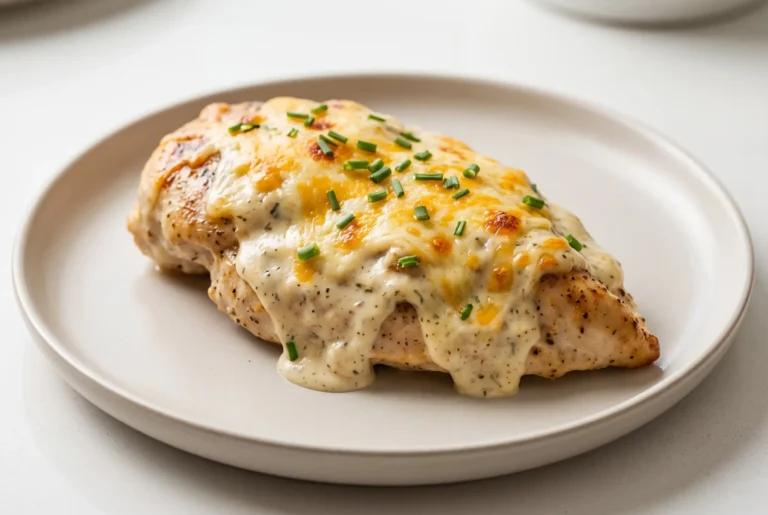
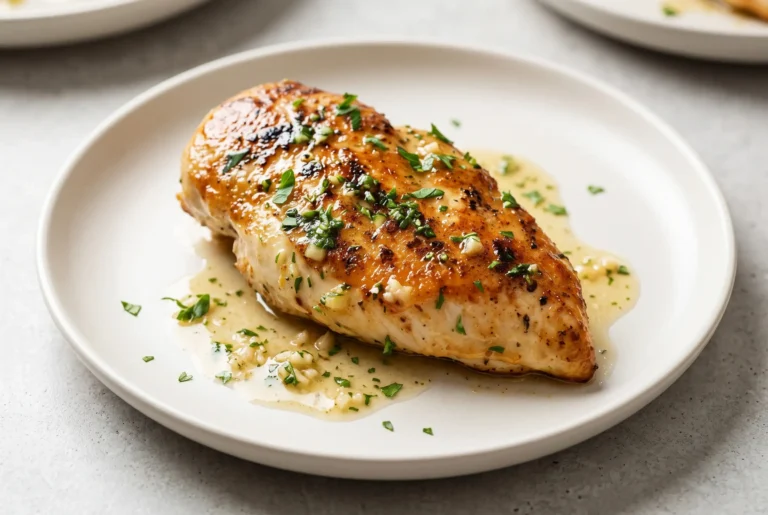
Baked garlic brown sugar chicken brings together juicy poultry, roasted garlic flavor, and a caramelized sweet-savory coating that turns a simple dinner into a memorable meal. Tender chicken breasts are covered with a glossy glaze made from garlic, brown sugar, olive oil, and seasonings, creating lightly crisp edges while keeping the center moist.
Designed for busy evenings, this 30 minute baked garlic chicken approach uses familiar ingredients and straightforward cooking decisions. The appeal comes from the contrast between the sticky glaze, gentle spice from paprika and pepper, and the savory depth created as the chicken cooks.
The Flavor Balance Behind Baked Garlic Brown Sugar Chicken
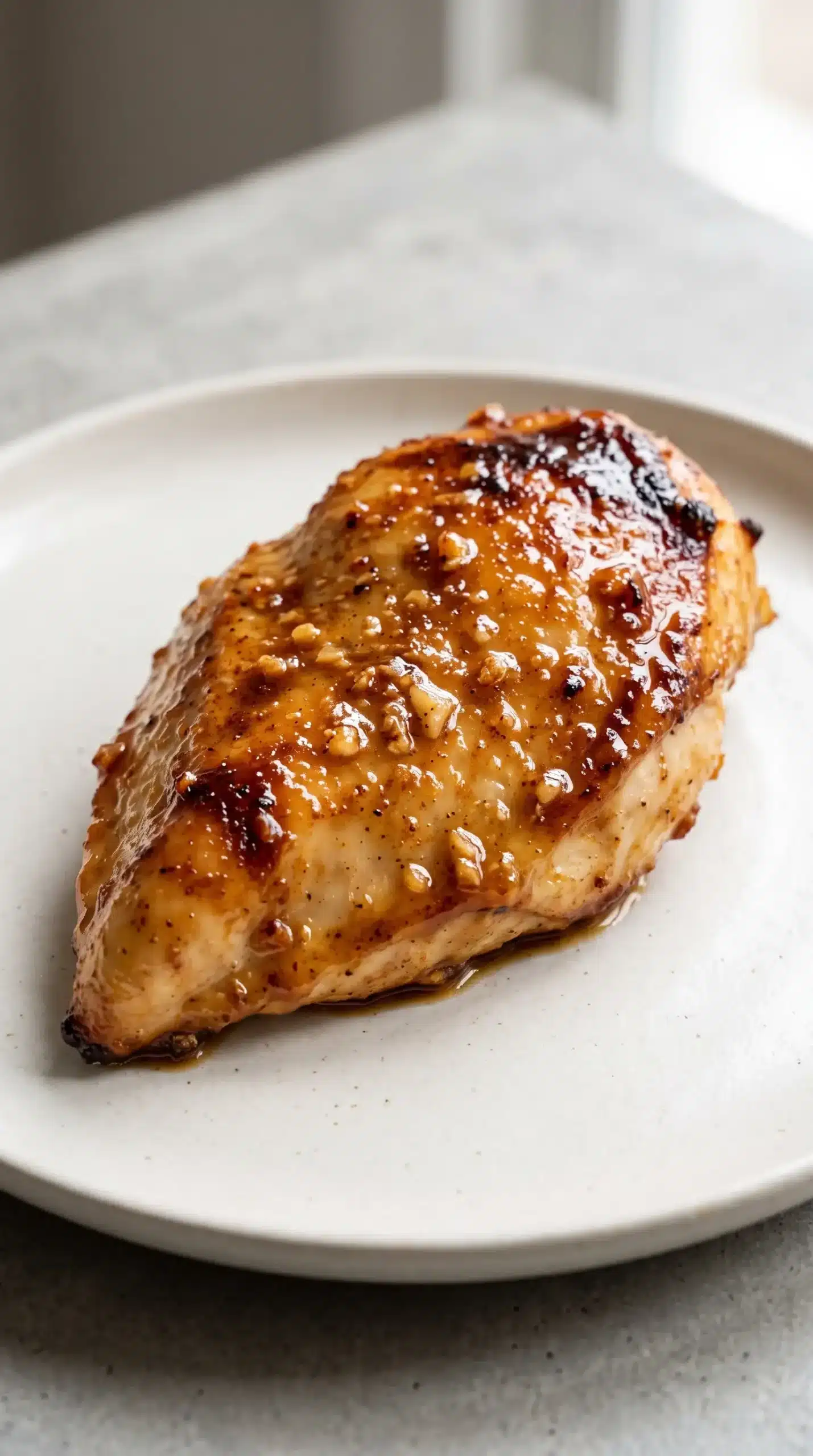
The success of baked garlic brown sugar chicken comes from the way each flavor works with the others. Brown sugar brings sweetness and encourages caramelization, while garlic adds a roasted savory note that keeps the dish from becoming one-dimensional.
Olive oil helps the glaze spread across the chicken surface and carries the seasonings throughout the coating. Paprika contributes color and mild warmth, while salt and black pepper create balance by enhancing the sweeter elements.
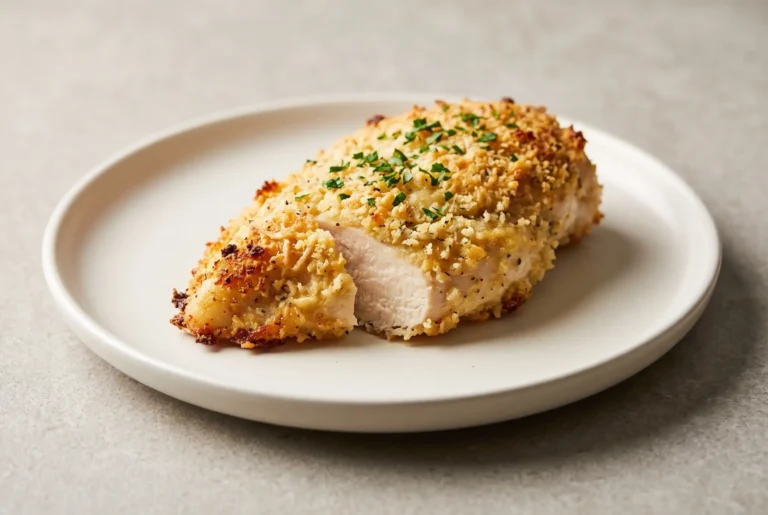
The finished texture is part of the experience. The outside develops flavorful caramelized areas as the glaze heats, while the chicken remains tender when it is cooked carefully and allowed to rest before serving.
The deeper color and savory notes that develop as the chicken cooks are also connected to the Maillard reaction, where heat-driven changes between proteins and sugars create browning and more complex flavors on the surface.
A Better Glaze Starts With These Garlic Brown Sugar Chicken Choices
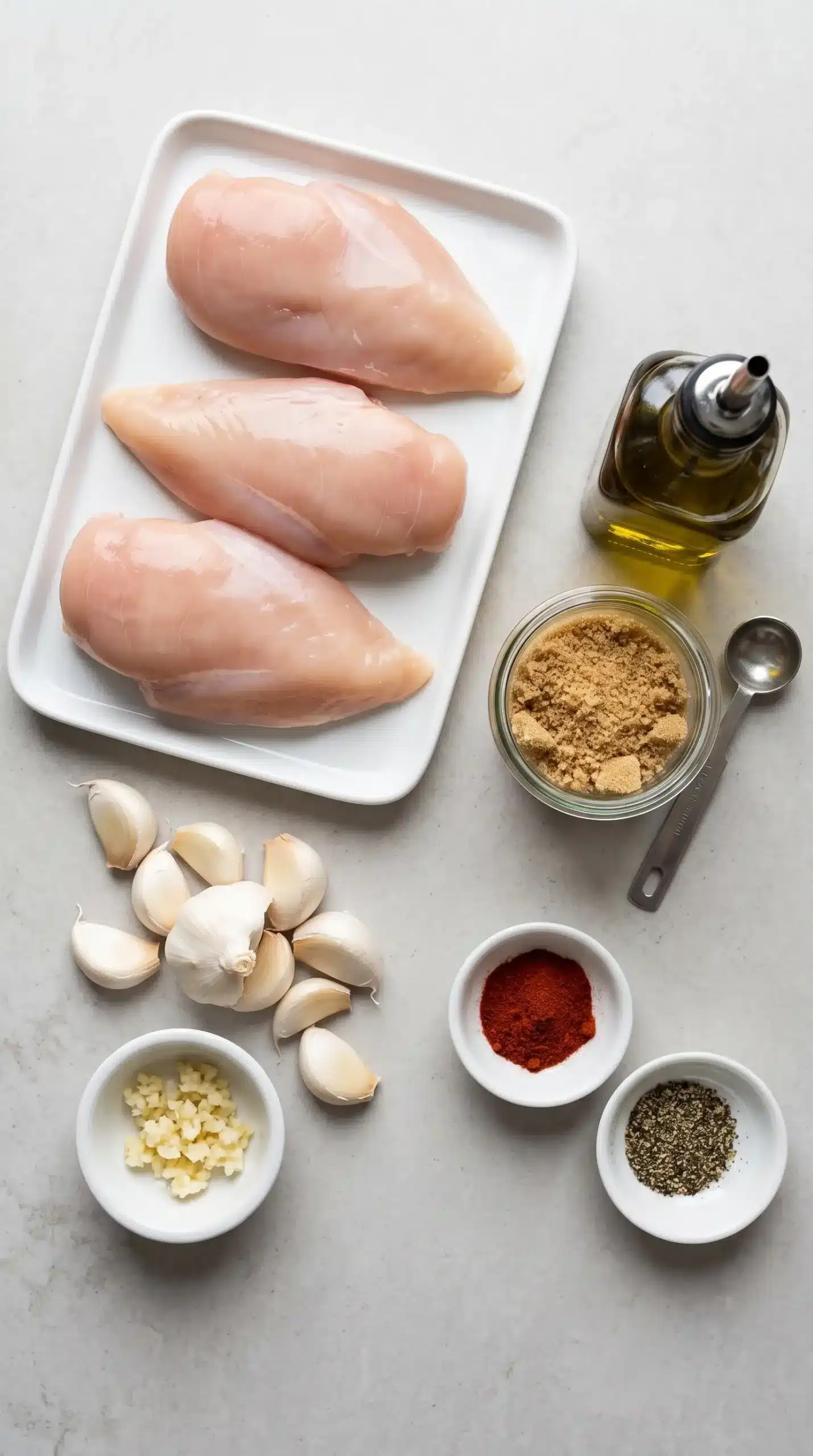
The ingredient decisions behind a garlic brown sugar chicken breast preparation can change the final result. Fresh garlic creates a stronger aroma because it releases its flavor directly into the glaze during the initial cooking stage.
Brown sugar plays two important roles. It provides the recognizable sweet flavor and creates the sticky coating that helps produce the attractive caramelized finish. Dark brown sugar can add deeper molasses notes, while light brown sugar keeps the sweetness milder.
Chicken breasts work well because they are lean and absorb the glaze easily. Thicker pieces benefit from being gently flattened so they cook more evenly. A sweet savory honey garlic chicken breasts preparation uses honey and garlic with chicken breast for a glaze that balances richness with sweetness.
| Ingredient choice | Effect on dish | Useful adjustment |
|---|---|---|
| Fresh garlic | Stronger aroma and deeper flavor | Sauté briefly to avoid bitterness |
| Brown sugar | Sweet glaze and caramelized coating | Choose dark or light based on desired sweetness |
| Paprika | Color and mild warmth | Smoked paprika adds a bolder profile |
Serving Pairings That Complete Baked Garlic Brown Sugar Chicken
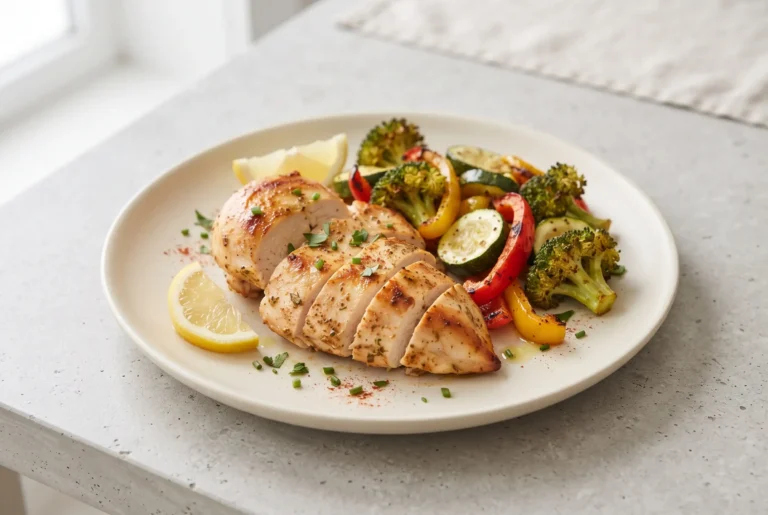
The sweet garlic glaze pairs naturally with sides that can absorb its flavor. Rice, roasted vegetables, mashed potatoes, pasta, fresh salad, and warm rolls all complement the chicken without competing with the caramelized coating.
Storage Choices That Protect Juicy Brown Sugar Chicken Recipe Results
Proper storage helps preserve the texture of a juicy brown sugar chicken recipe after cooking. Leftover portions should be placed in an airtight container and refrigerated to maintain freshness.
Freezing is also an option when the chicken has cooled completely. Wrapped portions or freezer-safe containers help protect the glaze, and frozen chicken can be thawed before reheating.
Gentle reheating gives the best texture. Warming the chicken at moderate heat or using short microwave intervals helps prevent the glaze from becoming overly firm while keeping the meat enjoyable.
Make-Ahead Plans for Baked Garlic Brown Sugar Chicken
Preparation can be simplified by making the garlic brown sugar mixture ahead and storing it covered until needed. The chicken can also be coated in the glaze several hours before cooking so the flavors have more time to develop.
Cooking Controls That Keep Garlic Brown Sugar Chicken Breast Tender
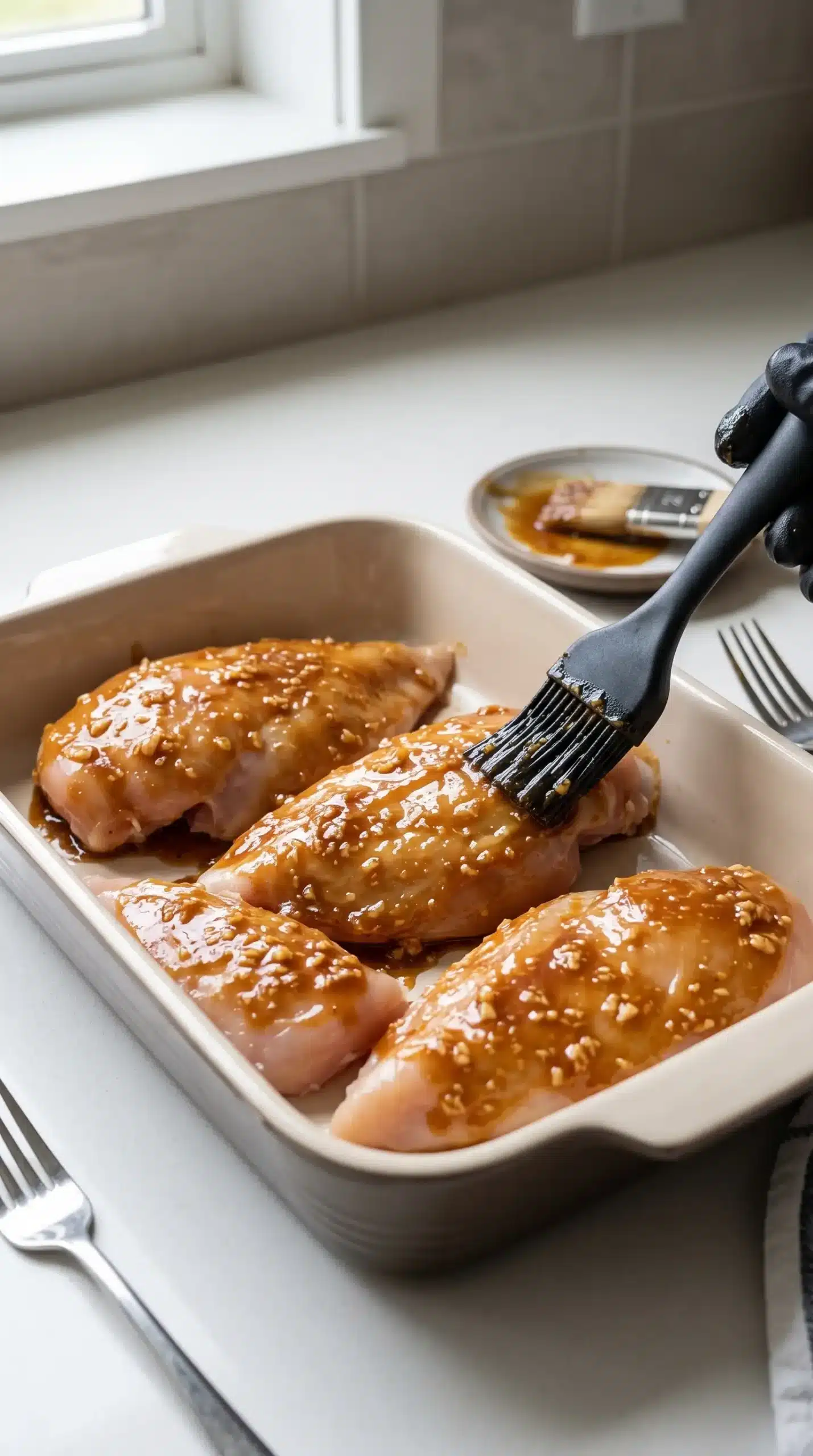
Good results with garlic brown sugar chicken breast depend on managing heat, timing, and moisture. A steady oven temperature allows the chicken to cook through while giving the sugar enough time to melt and caramelize.
A meat thermometer is the most reliable way to judge doneness. Checking the thickest part of the chicken helps avoid serving undercooked meat or leaving the chicken in the oven longer than necessary.
The glaze needs attention during high heat finishing. A short broiling period can deepen the color, but the sugar coating should be watched closely because it can darken quickly.
- Even thickness: Helps chicken pieces finish cooking more consistently.
- Gentle garlic cooking: Protects the glaze from bitter flavors caused by burnt garlic.
- Resting period: Allows juices to settle back into the meat before slicing.
Mistakes That Can Ruin Baked Garlic Brown Sugar Chicken Glaze
Several small errors can affect the quality of baked garlic brown sugar chicken. Avoiding them keeps the glaze balanced and the chicken tender.
Burning garlic before combining the glaze creates an unpleasant bitterness. Garlic only needs a short time in the olive oil to become fragrant, so careful heat control matters.
Overcooking is another common issue with chicken breasts. Using temperature as a guide instead of guessing helps maintain the juicy texture that makes the dish appealing.
Skipping the rest after baking can also reduce the quality of the finished meal. Allowing the chicken to sit briefly helps preserve moisture when it is sliced and served.
Variations That Change Baked Garlic Brown Sugar Chicken
The glaze can be adjusted to create different versions while keeping the same sweet and savory foundation. Cayenne pepper or crushed red pepper flakes add heat, while replacing part of the brown sugar with honey creates a glossy variation.
Family-Friendly Ways to Serve the Chicken Dinner
Baked garlic brown sugar chicken works well for families because the flavor is approachable and the serving options are flexible. Sliced pieces can be paired with rice, pasta, vegetables, or rolls to create plates that fit different preferences.
Nutrition Notes for a Balanced Chicken Meal
Chicken breasts provide lean protein along with nutrients such as niacin, selenium, phosphorus, and vitamin B6. Pairing the meal with vegetables or whole grains can create a more balanced plate.
The 30-Minute Baked Garlic Chicken Timeline Decisions
Preparing a 30 minute baked garlic chicken dinner is easier when tasks are organized around the cooking process. Early preparation focuses on heating the oven, preparing the dish, and creating the glaze before the chicken enters the oven.
| Cooking stage | Main focus | Reason it matters |
|---|---|---|
| Preparation | Ready the baking dish and glaze | Creates even coverage before baking |
| Baking | Monitor temperature and texture | Prevents dryness |
| Finishing | Optional broiling and resting | Improves caramelization and moisture retention |
Leftover Ideas for Sweet Garlic Chicken
Extra portions can become quick meals during the week. Sliced chicken works well in rice bowls, wraps, or simple lunches where the remaining glaze adds flavor without requiring additional preparation.
Choosing the Right Chicken Texture Before Serving
The best serving experience comes from noticing the difference between a caramelized exterior and a tender interior. The glaze should cling to the chicken, while the meat should remain moist and easy to slice.
Caramelized Garlic Brown Sugar Chicken Delivers Its Best Texture
Baked garlic brown sugar chicken succeeds because the glaze and cooking method work together. The sweet coating develops roasted flavor while careful temperature control protects the tenderness of the chicken.
The most important judgment is knowing when the chicken has reached its ideal finish: caramelized enough for rich flavor, but still juicy enough to make every bite satisfying.
Baked Garlic Brown Sugar Chicken Questions About Glaze, Freezing, and Cooking
Can baked garlic brown sugar chicken be frozen before cooking?
Yes. The uncooked chicken can be frozen directly with the marinade or glaze. Thaw it overnight in the refrigerator before baking so it cooks evenly.
How can I keep the chicken from drying out?
Use a thermometer to check the thickest section, avoid unnecessary extra baking time, and allow the chicken to rest after cooking so the juices remain distributed.
Can I use bone-in chicken instead of breasts?
Bone-in chicken can work with the same flavor approach, but it requires additional cooking time because the pieces are different in size and structure.
What makes the glaze caramelize properly?
The combination of brown sugar, heat, and the oven environment creates the caramelized coating. Careful broiling can add more color, but the glaze should be watched closely.
Can the garlic flavor be adjusted?
Yes. Fresh garlic provides the strongest flavor, but the amount can be adjusted to create a milder version while keeping the sweet-savory balance.
Garlic Brown Sugar Chicken with Garlic Olive Oil Glaze
Ingredients
Method
- Preheat the oven to 375°F (190°C). Lightly coat a baking dish with nonstick spray or olive oil.
- Warm 2 tbsp olive oil in a skillet over medium heat. Add the minced garlic and cook for 1 to 2 minutes, stirring, until fragrant but not browned.
- Add the brown sugar, paprika, salt, and black pepper. Stir until the ingredients combine into a smooth glaze.
- Place the chicken breasts in the prepared baking dish. Coat the tops and sides evenly with the garlic brown sugar glaze.
- Bake uncovered for 25 to 30 minutes, until the thickest part of each chicken breast reaches 165°F (74°C).
- For additional caramelization, broil for 2 to 3 minutes if desired, watching closely so the glaze does not burn.
- Let the chicken rest for 5 minutes, then garnish with chopped fresh parsley if desired and serve.