Char Siu Chicken with Chinese Five-Spice Glaze Recipe
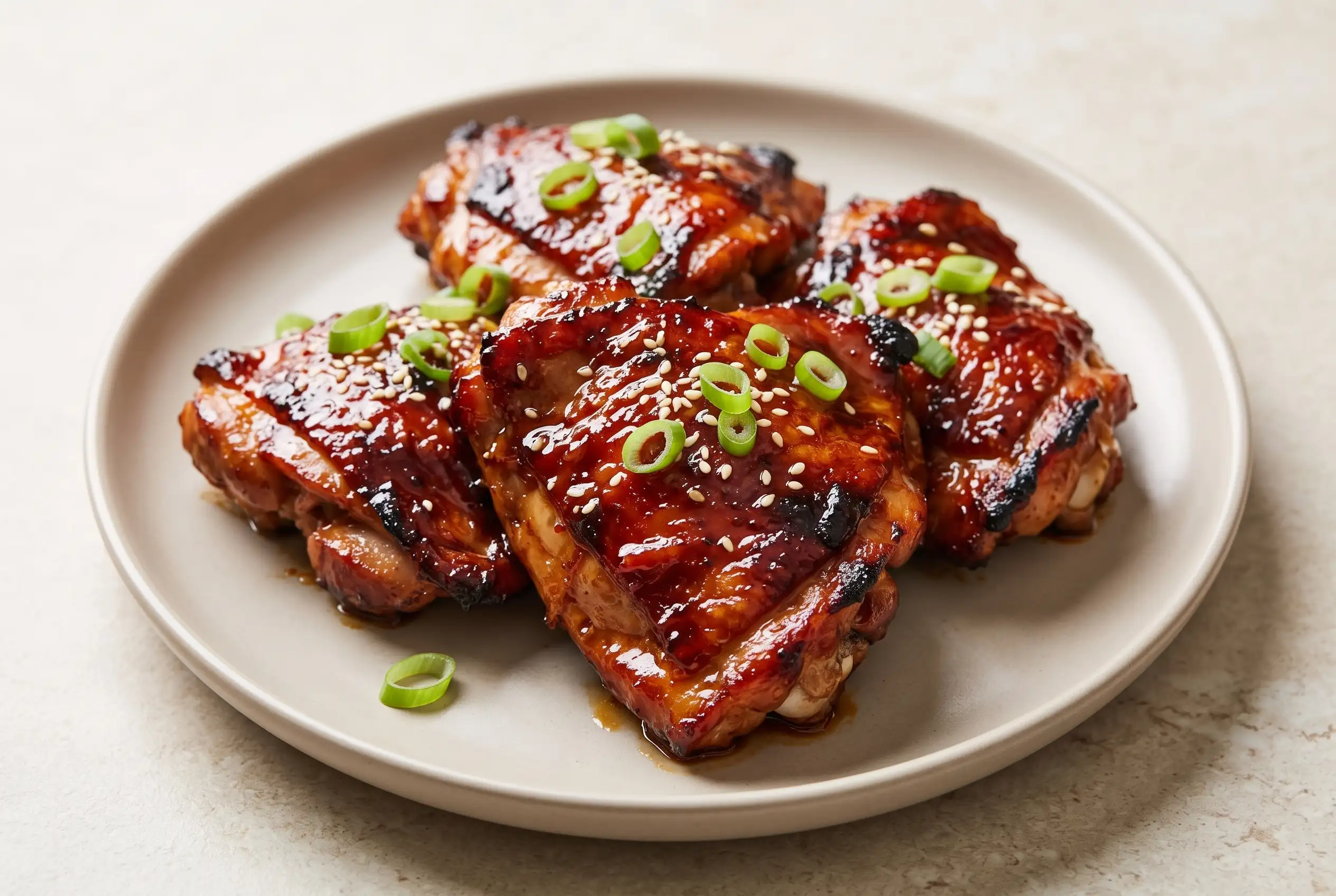
Char Siu Chicken brings together a sweet, savory, sticky glaze with tender chicken thighs and the warm aroma of Chinese five-spice. This easy char siu chicken recipe captures the appeal of traditional Chinese barbecue while using a faster chicken preparation that fits everyday cooking. The combination of hoisin sauce, soy sauce, honey, garlic, and sesame oil creates a deeply flavored coating that turns simple ingredients into a memorable meal.
Unlike classic char siu made with pork, this chicken version focuses on juicy thighs that handle high-heat cooking well. The glossy surface, caramelized edges, and balanced flavors make it a practical choice for family dinners, meal prep bowls, or a homemade Chinese barbecue chicken recipe experience.
Char Siu Chicken’s Glossy Flavor Profile
The appeal of char siu chicken comes from the contrast between the rich glaze and the juicy meat underneath. Hoisin sauce forms the foundation of the coating, creating sweetness and depth, while soy sauce brings savory balance. Honey helps the exterior develop a glossy finish as the chicken cooks.
Chinese five-spice powder gives the dish its recognizable character. The warm spice blend works alongside garlic and rice vinegar to keep the marinade from becoming one-dimensional. Each element supports the others, creating a flavor profile that feels complex without requiring a long ingredient list.
Traditional Chinese five-spice blends often include cinnamon, star anise, cloves, fennel, and pepper, creating the aromatic foundation behind the seasoning used here.
Texture also plays an important role in the finished dish. Baking allows the chicken to remain tender while the surface develops color, and a short broiling finish encourages the sticky edges associated with char siu-style cooking. That combination gives every slice a satisfying mix of softness and caramelized flavor.
The Marinade Choices That Shape Char Siu Chicken
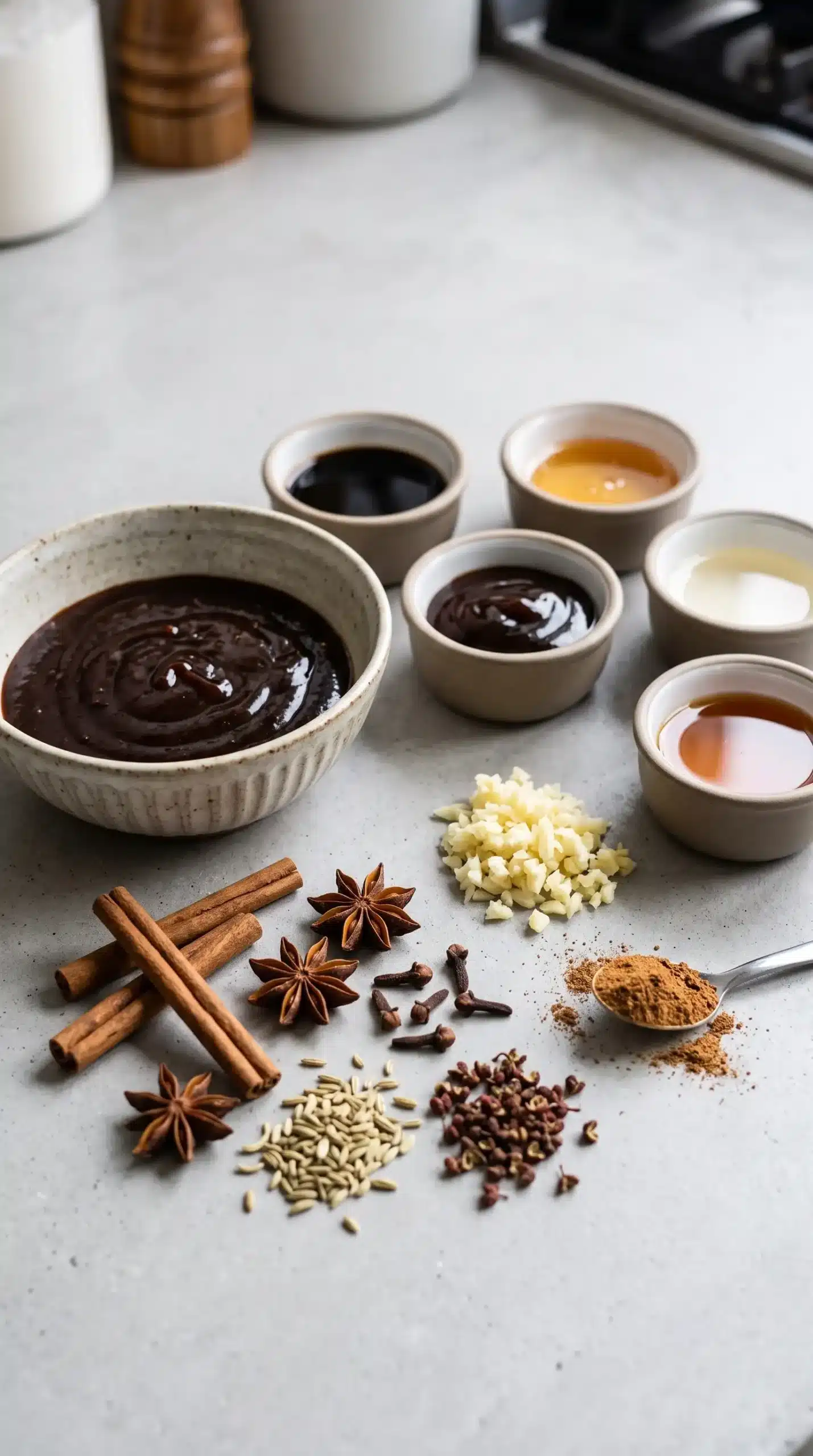
Hoisin sauce deserves attention because it drives much of the signature taste. Its sweet, rich character helps create the coating that clings to the chicken during cooking. Choosing a flavorful hoisin sauce can noticeably affect the overall result because it becomes the base of the glaze.
Soy sauce provides the salty foundation that balances honey and hoisin. Low-sodium soy sauce can be used when more control over salt levels is preferred. Oyster sauce adds additional savory depth, while rice vinegar keeps the sweeter ingredients balanced.
For cooks adjusting the sweetness of the marinade, pairing honey with garlic helps build a glaze that feels rich without becoming heavy; the finished honey garlic chicken breasts recipe centers on a sweet-savory chicken coating.
Small additions make a difference in this marinade. Fresh garlic brings a sharper aroma than dried alternatives, sesame oil contributes subtle nuttiness, and Chinese five-spice powder supplies the warm notes that make the dish recognizable. These ingredients work together instead of relying on one single flavor.
A Faster Weeknight Char Siu Chicken Setup
A 40 minute char siu chicken approach works best when preparation choices are organized in advance. Marinating ahead, preparing the baking surface before cooking, and having the glaze ready for finishing helps turn a flavorful dinner into a manageable weeknight option.
Caramelization Control for Better Char Siu Chicken
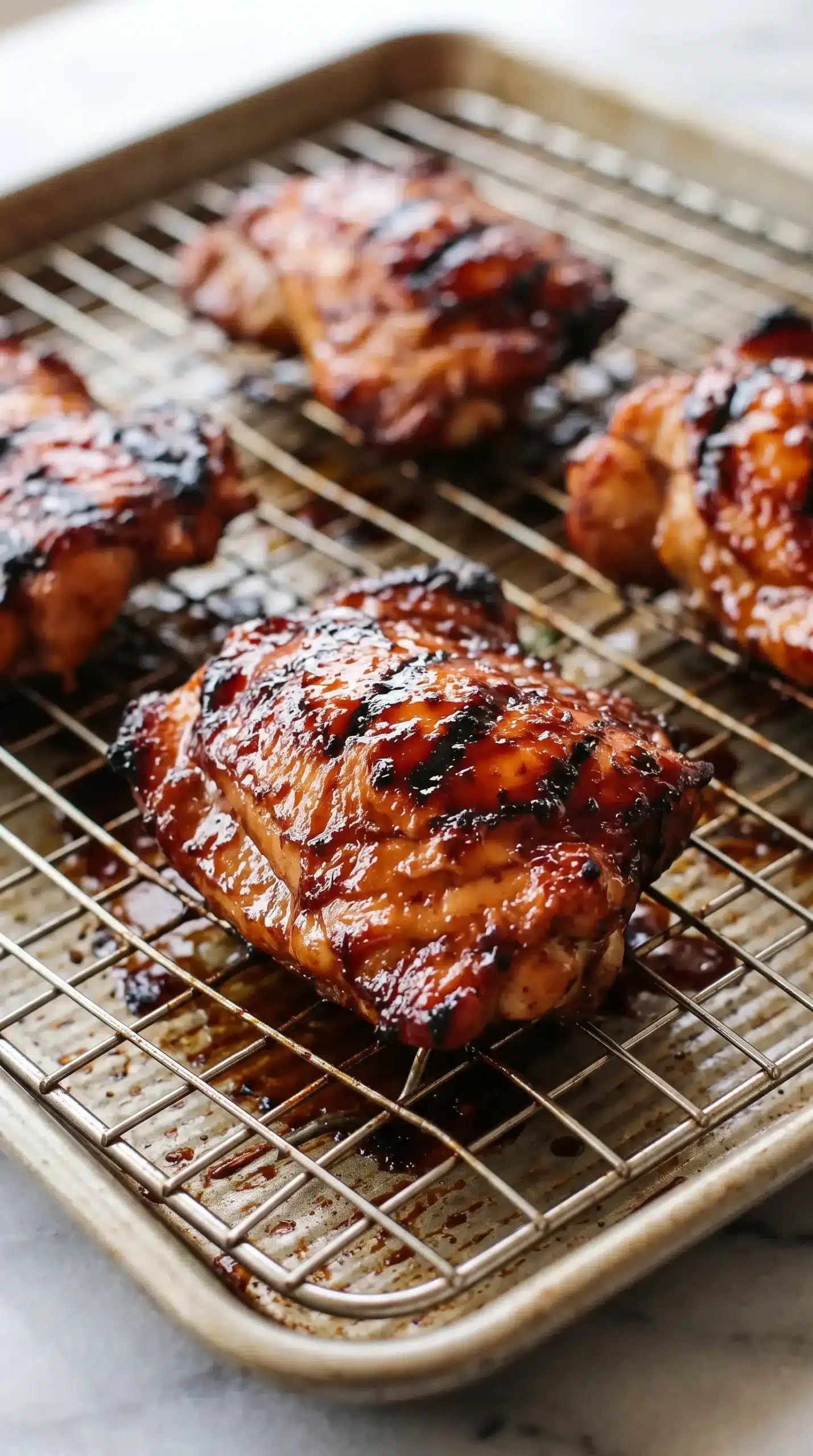
Proper heat management separates a good glaze from a burnt one. The sugars in honey and hoisin sauce create beautiful caramelization, but they also require attention during the broiling stage. Watching the chicken closely during the final browning prevents the surface from becoming overly dark.
A wire rack can improve the cooking environment by allowing air to move around the chicken. This encourages more even browning and helps the glaze develop around the edges. When a rack is unavailable, spacing the pieces apart still supports better caramelization.
Resting after cooking is another important control point. Allowing the meat to sit briefly helps keep juices inside when slicing. The result is a more tender serving texture and a better presentation for rice bowls, noodles, or wraps.
Char Siu Chicken Mistakes That Ruin the Glaze
Several avoidable mistakes can reduce the quality of char siu chicken. Skipping enough marination time limits how deeply the flavors reach the meat, leaving the outside more seasoned than the interior. Giving the chicken time to absorb the sauce improves the finished flavor.
Overcrowding the baking sheet can also create problems. When pieces sit too closely together, moisture collects and makes it harder for the surface to brown. Leaving room between portions supports the caramelized exterior that defines this dish.
Another common issue is using the glaze incorrectly. A thin sauce will not coat the chicken well, while excessive broiling can burn the sweet ingredients quickly. Simmering the reserved marinade until it thickens creates a coating that stays attached to each slice.
- Marination: Allow enough time for the sauce flavors to develop inside the chicken.
- Spacing: Keep pieces separated so heat can build color on the surface.
- Broiling: Watch closely because sugary glaze changes quickly under direct heat.
Serving Styles That Fit Char Siu Chicken
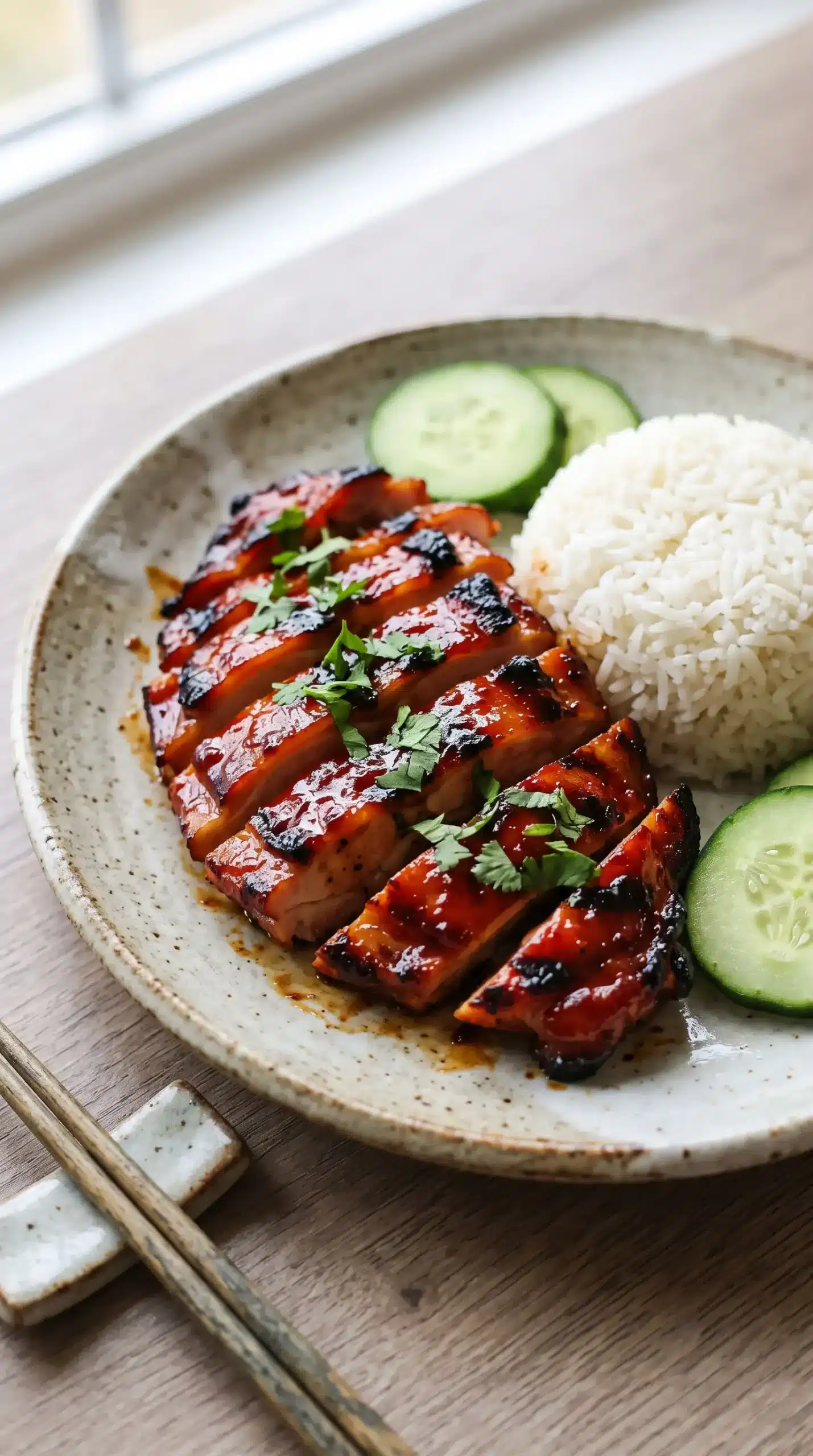
Steamed jasmine rice is a natural pairing because it absorbs the sticky glaze, while noodles, vegetables, wraps, and meal prep bowls provide different ways to enjoy the same chicken. Fresh vegetables or simple cucumber sides add contrast to the rich coating.
Storage Decisions for Cooked Char Siu Chicken
Cooked char siu chicken keeps its flavor well when stored properly. Refrigerating leftovers in an airtight container helps preserve the moisture and glaze for later meals. The chicken remains useful for quick lunches, rice bowls, and noodle dishes.
Freezing is also a practical option when extra portions are prepared. Once cooled, the chicken can be placed in freezer-safe containers or bags and stored for future use. Keeping portions separated makes reheating easier when only a small amount is needed.
Gentle reheating protects the texture. A skillet or low oven temperature helps maintain moisture, while covering the chicken during microwave reheating can reduce drying. Adding a little extra glaze before serving can refresh the flavor.
Meal Prep Uses for Char Siu Chicken
Meal prep works especially well with char siu chicken because the cooked slices can move easily between different meals. Rice bowls, salads, wraps, and noodle dishes all benefit from the sweet-savory coating and tender texture without requiring a separate cooking process.
Texture Factors Behind Tender Char Siu Chicken
Chicken thighs are central to the texture of this dish because they naturally retain moisture during roasting. Their structure makes them dependable for high-heat cooking and helps prevent the dry texture that can happen with leaner cuts.
The glaze contributes another layer of texture by creating a silky coating outside the meat. As it thickens, the sauce becomes more concentrated and creates the sticky finish associated with char siu flavors.
Side dishes influence the overall eating experience as well. Soft rice balances the bold sauce, while crisp vegetables provide freshness. These contrasts allow the chicken’s caramelized edges and juicy center to stand out.
Family-Friendly Char Siu Chicken Adjustments
Families can adjust char siu chicken by reducing the amount of five-spice powder for a milder flavor or serving the glaze separately for more control. Sliced pieces, rice, noodles, and simple vegetables can make the meal easier for different preferences.
Budget-Friendly Char Siu Chicken Planning
Cooking char siu chicken at home can be economical because chicken thighs provide strong flavor at an accessible cost. Pantry sauces such as hoisin, soy sauce, and sesame oil can also support many future meals beyond this dish.
Char Siu Chicken Cooking Reference
The following guide highlights key choices that influence the finished result.
| Cooking choice | Preferred approach | Effect on dish |
|---|---|---|
| Chicken cut | Boneless, skinless thighs | Keeps the meat juicy during roasting |
| Finishing method | Brief broiling after glazing | Creates glossy, lightly charred edges |
| Serving base | Rice, noodles, or vegetables | Balances the rich sweet-savory coating |
Extra Variations for Char Siu Chicken Flavor
Different cooking approaches can change the character of the dish while keeping the same flavor foundation. Grilling adds smoky notes and deeper char marks, making it a useful option when outdoor cooking is preferred.
Spicy versions can include sriracha or chili garlic sauce mixed into the marinade. The sweetness from honey and hoisin helps balance added heat without removing the core char siu identity.
Other proteins can also work with similar flavors. Boneless pork chops or shrimp may be paired with the same style of marinade for cooks who want to explore beyond chicken.
Sticky Glaze Makes Char Siu Chicken Memorable
Char siu chicken succeeds because the glaze, cooking control, and chicken texture all support the same result. The sweet and savory coating needs careful handling, while the chicken thighs provide the moisture needed for a satisfying bite.
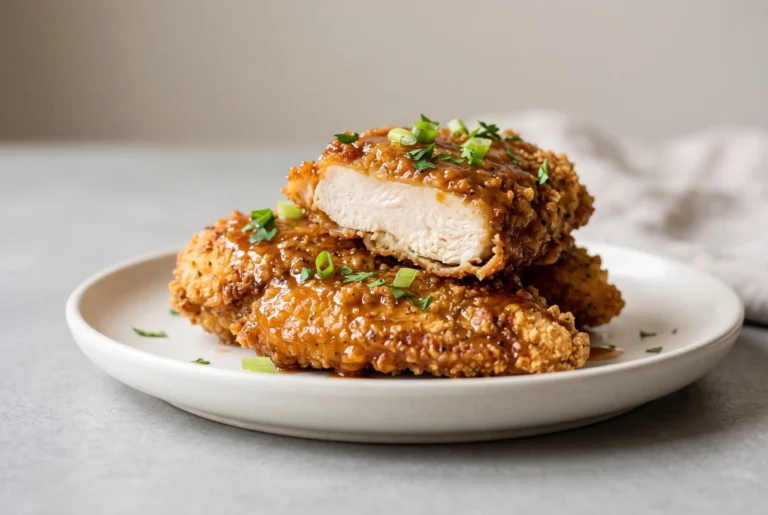
The glossy sauce and caramelized edges show why a simple marinade can create a restaurant-style finish at home. When the chicken is allowed to absorb flavor and the glaze is finished carefully, the dish delivers the balance that defines a great Chinese barbecue chicken recipe.
Char Siu Chicken Questions About Glaze, Storage, and Cooking
Can chicken breast replace thighs in char siu chicken?
Chicken breast can be used, but it cooks faster and may lose moisture more easily. Adjusting cooking attention is important because thighs are naturally more forgiving for this preparation.
How long should char siu chicken marinate?
At least two hours allows the flavors to develop, while an overnight rest gives the marinade more opportunity to season the meat deeply.
Can the glaze be prepared separately?
Yes. Reserving a clean portion of marinade before it contacts raw chicken allows it to be used later as a finishing sauce without the additional simmering step required for used marinade.
What makes the edges caramelize?
The combination of sweet ingredients in the marinade and the final high-heat finish creates the glossy, slightly charred surface that gives char siu chicken its signature appearance.
Can leftovers be frozen?
Cooked portions can be frozen in airtight freezer-safe containers. Thawing and reheating gently helps preserve the tender texture and flavorful coating.
Char Siu Chicken with Chinese Five-Spice Glaze
Ingredients
Method
- Combine hoisin sauce, soy sauce, honey, oyster sauce, rice vinegar, minced garlic, Chinese five-spice powder, and sesame oil in a medium bowl, whisking until the mixture is fully blended.
- Transfer the chicken thighs to a resealable bag or shallow container, add half of the marinade, and coat the chicken evenly. Refrigerate for at least 2 hours or overnight.
- Heat the oven to 375°F / 190°C. Cover a baking sheet with foil or parchment paper and add a wire rack on top if available.
- Place the marinated chicken thighs on the prepared baking sheet and bake for 25–30 minutes, until the chicken reaches 165°F / 74°C and the edges begin to brown.
- Add the reserved marinade to a small saucepan, bring it to a boil, then lower the heat and simmer for about 10 minutes until slightly reduced and thickened.
- Coat the cooked chicken with the thickened glaze, then broil for 2–3 minutes until glossy and lightly charred, monitoring closely to avoid burning.
- Allow the chicken to rest for several minutes before slicing and serving hot with rice, noodles, or vegetables.