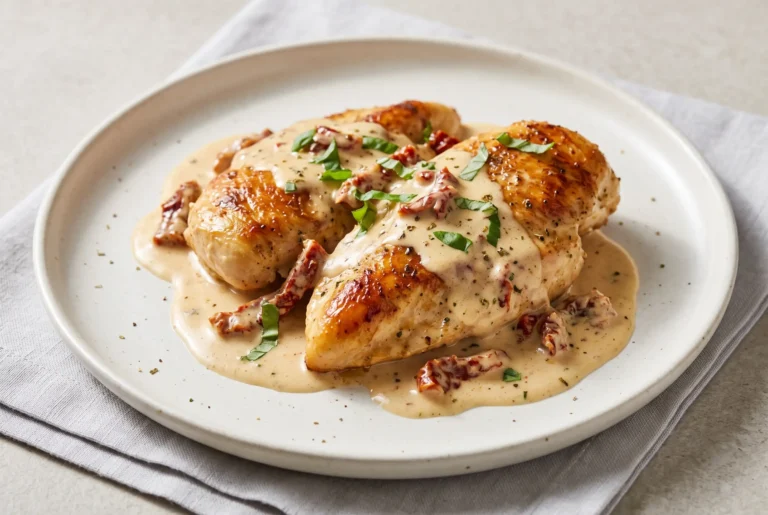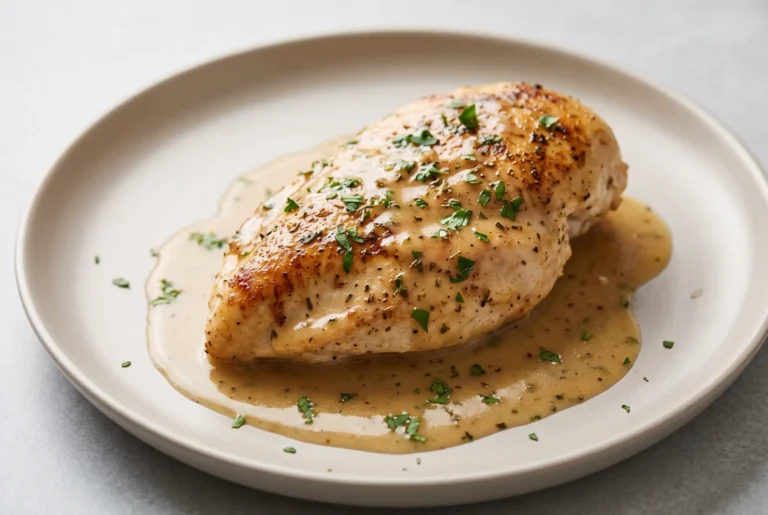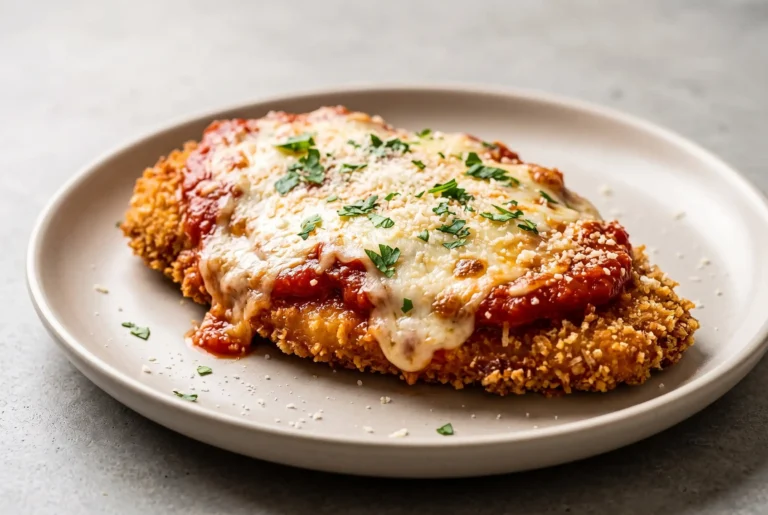
Korean Chicken Breasts with Gochujang Sauce Recipe
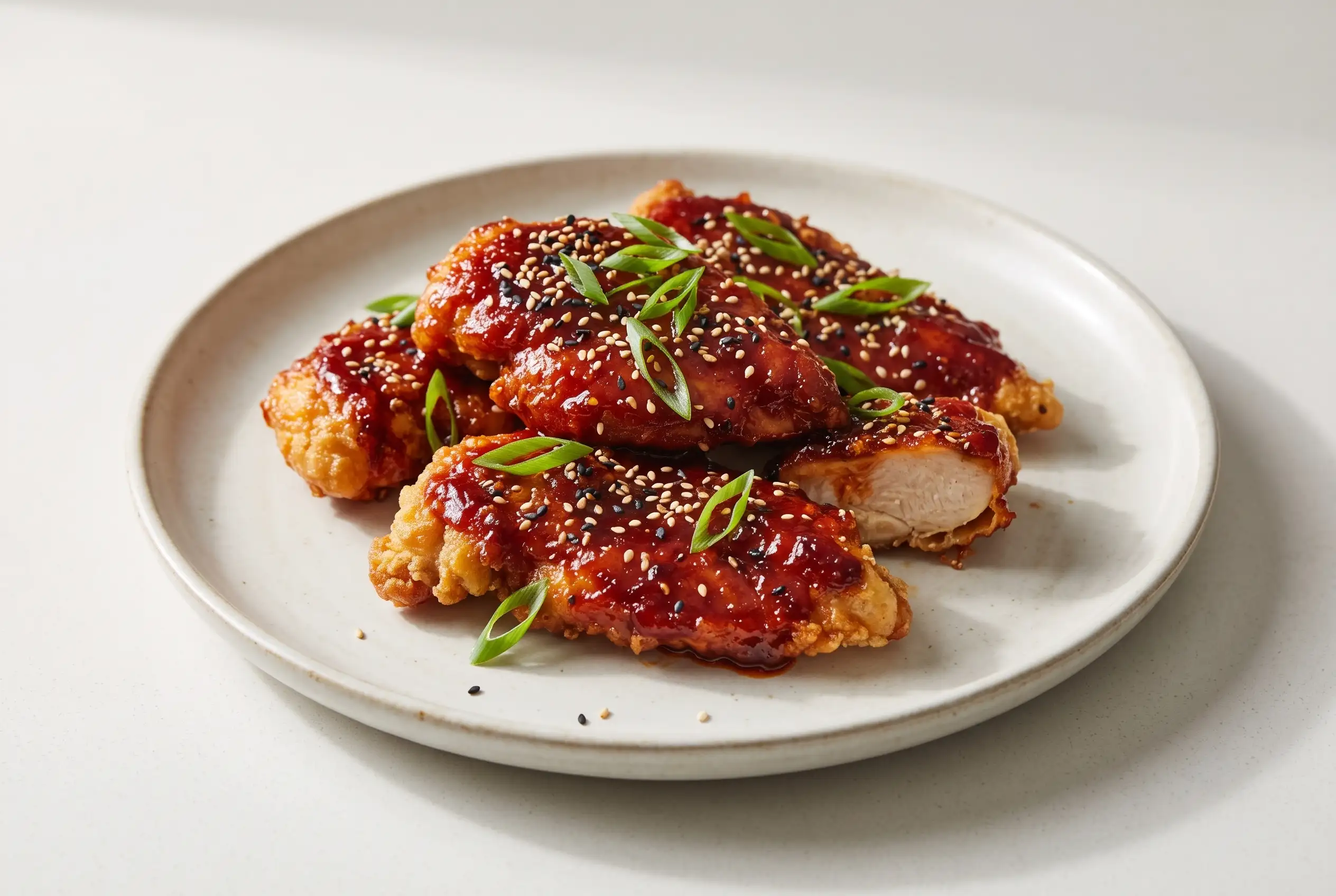
Korean chicken breasts bring together juicy chicken, a glossy gochujang sauce, and a crisp coating for a sweet, savory, and spicy dinner with restaurant-inspired character. The combination of tender meat, bold seasoning, and balanced heat creates a satisfying meal that works well with rice, noodles, or vegetables.
Designed for busy evenings, this korean chicken breast recipe uses familiar ingredients to build deep flavor without complicated techniques. A short marinade, a light cornstarch coating, and a rich Korean-inspired glaze create the signature texture and taste.
Korean Chicken Breasts Create Sweet-Spicy Dinner Flavor
Bold flavors define Korean chicken breasts because every layer has a specific purpose. The marinade seasons the meat from the inside, while the coating helps develop golden edges during cooking. Once the chicken meets the warm sauce, the result becomes a sticky, flavorful dish with a satisfying contrast between crisp and tender textures.
Gochujang gives the sauce its recognizable Korean character through savory depth, gentle sweetness, and chili warmth. Honey, brown sugar, soy sauce, garlic, ginger, and sesame oil work together to create a glaze that feels rich while remaining balanced.
Many home cooks enjoy this spicy Korean chicken dinner because the finished dish feels special without requiring advanced preparation. The flavors are bold enough for guests but approachable enough for regular weeknight meals.
Gochujang Shapes the Korean Chicken Breasts Sauce Profile
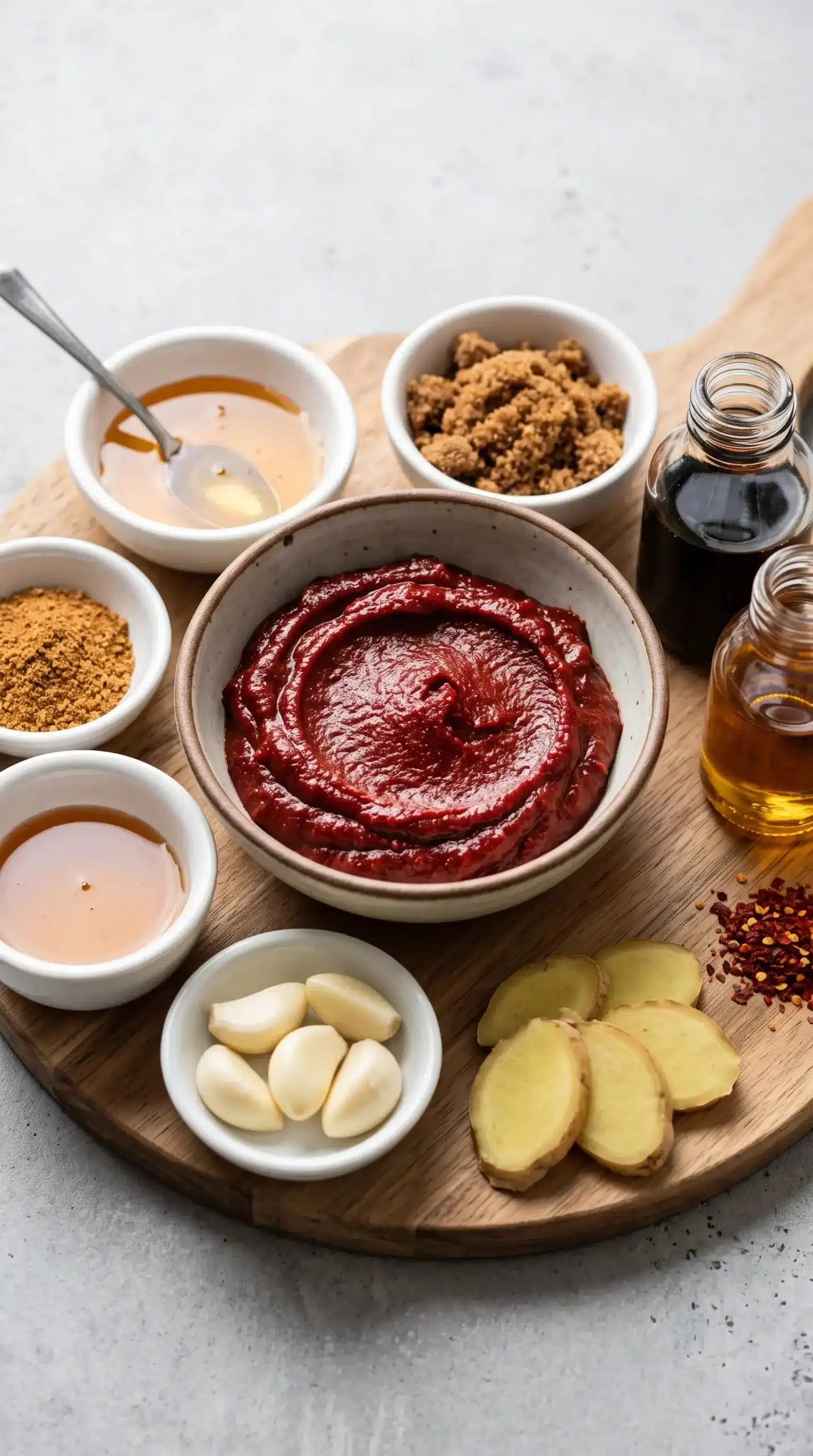
The sauce is the defining element of korean chicken with gochujang sauce. Gochujang provides the foundation, while the supporting ingredients adjust sweetness, acidity, saltiness, and aroma. Simmering the mixture allows the flavors to combine and creates a coating that clings well to the cooked chicken.
Gochujang is a key Korean ingredient with a distinctive savory-spicy profile because it is a fermented Korean chili condiment made with ingredients including chili peppers, glutinous rice, fermented soybeans, and salt.
Balancing sweeteners with savory ingredients keeps the gochujang glaze from becoming too sharp. A Honey Garlic Chicken Breasts recipe uses honey and garlic to build a sweet-savory coating, reinforcing how careful ingredient ratios help create a balanced chicken sauce.
- Sweet balance: Honey and brown sugar soften the chili heat and help create a glossy finish.
- Savory depth: Soy sauce and garlic build the rich flavor associated with the glaze.
- Aromatic notes: Sesame oil and ginger add warmth and a distinctive Korean-inspired taste.
Small adjustments can change the personality of the sauce. Reducing the spicy ingredients creates a milder version, while increasing the chili elements creates a stronger heat level for those who prefer a more intense dish.
Chicken Coating Builds the Crispy Texture Contrast
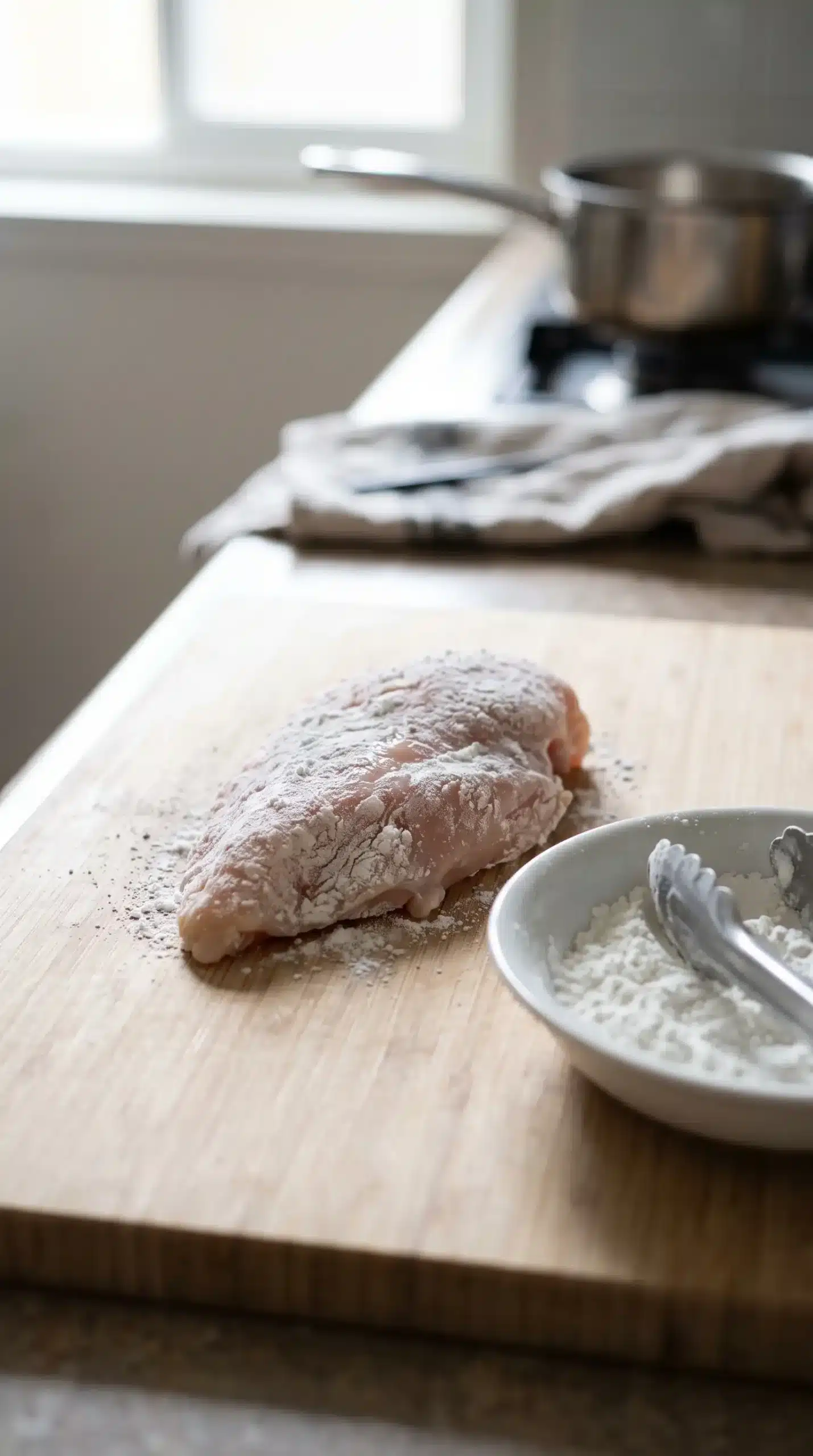
Chicken breasts benefit from even thickness because uniform pieces cook more consistently and stay juicy. Pounding the meat before marinating helps create a reliable texture throughout each portion.
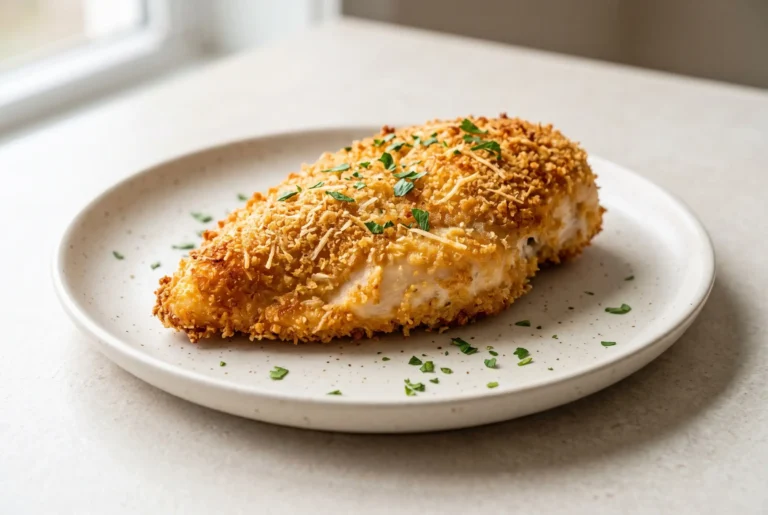
The cornstarch coating provides a light surface crispness that separates this dish from ordinary sauced chicken. A thin layer is enough to encourage browning while allowing the glossy glaze to remain the main flavor feature.
Cooking technique matters after coating. Medium-high heat encourages golden color while protecting the chicken from drying out. The finished texture comes from balancing a browned exterior with a moist center.
Cooking Controls That Protect Korean Chicken Breasts Juiciness
Proper heat management is the key cooking decision for Korean chicken breasts. A skillet that is too cool may prevent browning, while excessive heat can darken the sauce before the chicken is ready.
Checking the chicken during cooking helps maintain the right texture. Fully cooked chicken reaches 165°F, and using a thermometer makes it easier to avoid overcooking delicate breast meat.
Resting the chicken briefly after cooking gives the juices time to settle. Slicing immediately can release moisture that would otherwise remain inside the meat.
| Cooking Choice | Result |
|---|---|
| Evenly pounded chicken | More consistent cooking and texture |
| Light cornstarch coating | Crisp golden surface |
| Controlled skillet heat | Better browning without burning sauce |
Mistakes That Can Ruin Korean Chicken Breasts Results
Several simple errors can reduce the quality of Korean chicken breasts. Paying attention to coating, heat, and sauce handling keeps the dish balanced.
- Crowded skillet: Too much chicken at once lowers the pan temperature and reduces browning.
- Overheated sauce: Sugars can burn quickly, so gentle simmering keeps the glaze smooth.
- Skipped marinade: Less marinating time means less developed flavor throughout the chicken.
- Excess spice: Too much gochujang can overpower the sweet and savory balance.
Careful preparation prevents these problems before they happen. The strongest results come from treating each stage as part of the final texture and flavor.
Serving Ideas for a Spicy Korean Chicken Dinner
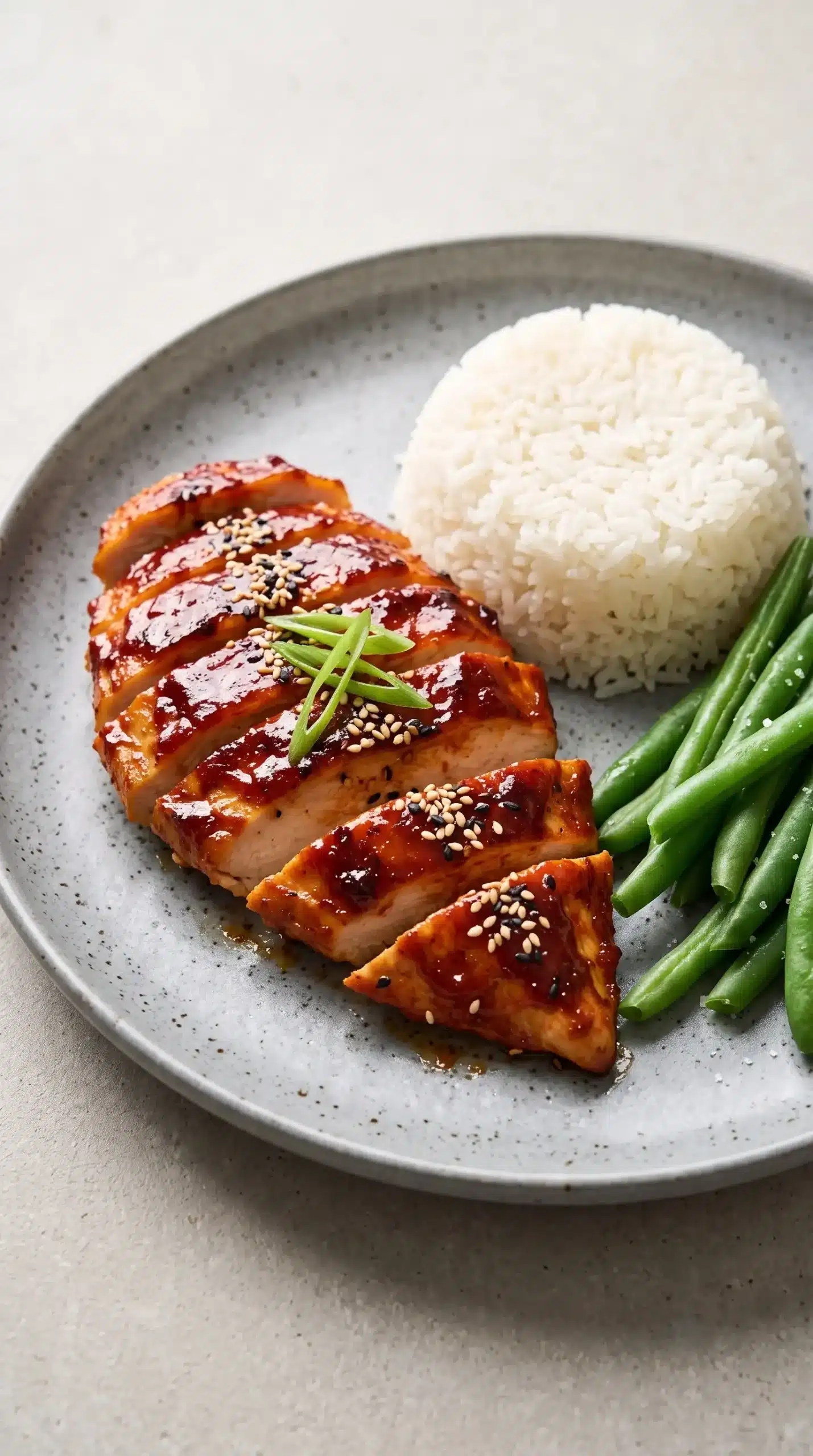
Rice remains one of the most natural pairings because it absorbs the flavorful sauce and balances the heat. Jasmine rice, brown rice, or sticky rice can all complement the glazed chicken.
Vegetables add freshness and contrast. Steamed broccoli, bok choy, carrots, and green beans create a complete plate with different textures.
Noodles and lettuce wraps provide additional ways to enjoy the same flavors. The chicken also works well in bowls where rice, vegetables, and sauce combine into an easy meal.
Storage Choices Keep Korean Chicken Breasts Ready Later
Leftover korean chicken breasts can be stored in airtight containers to preserve flavor and texture. Keeping the sauce with the chicken maintains moisture, while separating components can help protect crisp edges.
Frozen portions can be saved for later meals. Fully cooled chicken stores well in airtight containers, and gentle reheating helps loosen the sauce while keeping the meat tender.
Meal Prep Plans Fit Korean Chicken Breasts Into Busy Weeks
Meal preparation becomes easier when the sauce is handled ahead of time. Preparing the glaze early reduces active cooking work when dinner time arrives.
Marinating chicken before cooking allows flavors to develop while making the cooking process more organized. Extra portions can be sliced for bowls, wraps, and lunches.
Separating rice, vegetables, and chicken during storage helps maintain better texture. Components can then be combined when serving.
Adjustments Change the Korean Chicken Breasts Experience
Customization makes korean chicken breasts flexible for different preferences. Chicken thighs can replace breasts when a richer texture is desired, and tofu or tempeh provide alternative options.
A grilled version introduces smoky notes, while an air fryer approach can emphasize crispiness before adding sauce. A small amount of cream can also create a richer variation for those who enjoy creamy sauces.
Spice levels are easy to modify. Lowering gochujang and red pepper flakes creates a gentler meal, while additional chili ingredients create stronger heat.
Ingredient Decisions Behind Korean Chicken Breasts Success
Choosing the right ingredients has a direct impact on the finished dish. Chicken breasts provide a lean base that absorbs the marinade, while gochujang supplies the signature flavor that defines the meal.
Soy sauce brings savory balance, and low-sodium options can help manage saltiness. Sesame oil is used in small amounts because its nutty aroma is powerful and distinctive.
Cornstarch remains an important texture choice because it creates the lightly crisp exterior. Honey and brown sugar help balance the chili paste and support the glossy sauce finish.
Kitchen Tools Simplify Korean Chicken Breasts Preparation
A large skillet, mixing bowls, tongs, and a thermometer make the cooking process smoother. These tools support even browning, cleaner preparation, and accurate doneness checks.
A whisk helps combine the sauce ingredients, while a microplane can make fresh ginger and garlic preparation easier. Simple equipment choices improve consistency without adding unnecessary complexity.
Simple Shortcuts Preserve Korean Chicken Breasts Flavor
Thin-sliced chicken can reduce preparation time because smaller pieces cook faster and absorb marinade efficiently. Pre-minced garlic and ginger also help shorten active preparation on busy nights.
Convenient sides such as microwave rice or frozen vegetables can complete the meal quickly. The important details remain sauce balance, proper heat, and juicy chicken.
Korean Chicken Breasts Deliver Balanced Sweet Heat
Korean chicken breasts succeed because the dish depends on balance: crisp coating, tender chicken, and a sauce that combines sweetness, spice, and savory depth. Each cooking choice contributes to the final texture and flavor.
The combination of controlled heat, careful seasoning, and a glossy gochujang glaze creates a dinner that feels bold while remaining practical for everyday cooking.
Korean Chicken Breasts Questions and Answers
How spicy are Korean chicken breasts?
The spice level depends on the amount of gochujang and red pepper flakes used. Reducing those ingredients creates a milder flavor while keeping the sweet-savory sauce character.
Can chicken thighs replace chicken breasts?
Chicken thighs work well because they stay juicy and absorb the marinade beautifully. They provide a slightly richer texture while pairing with the same sauce.
Why does the cornstarch coating matter?
Cornstarch creates a light crisp layer on the chicken surface. That texture helps the glossy sauce cling while keeping contrast between the outside and inside.
Can Korean chicken breasts be baked instead of pan-fried?
Baking can be used as an alternative cooking approach. It produces juicy chicken with less hands-on attention while still allowing the sauce to provide the main flavor.
What makes gochujang important in this dish?
Gochujang provides the signature Korean-inspired flavor through its combination of chili warmth, sweetness, and savory depth. It is the ingredient that gives the sauce its distinctive identity.
Korean Chicken Breasts with Gochujang Sauce
Ingredients
Method
- Place the chicken breasts between two sheets of plastic wrap and pound them to a uniform thickness.
- In a bowl, whisk together 1 tablespoon soy sauce, 1 tablespoon rice vinegar, 1 teaspoon sesame oil, the ground ginger, garlic powder, and black pepper.
- Add the chicken breasts to the marinade and refrigerate for at least 30 minutes.
- Lift the chicken from the marinade. Lightly coat each breast with cornstarch and shake off any excess.
- Add the gochujang, honey, 2 tablespoons soy sauce, 1 tablespoon rice vinegar, 1 tablespoon sesame oil, brown sugar, minced garlic, grated ginger, red pepper flakes, and water to a saucepan.
- Cook the sauce at a gentle simmer for 5–7 minutes, or until it thickens slightly.
- Heat oil in a skillet over medium-high heat. Cook the coated chicken breasts for 4–5 minutes per side, until golden and the internal temperature reaches 165°F (74°C).
- Allow the chicken to rest briefly, then cover each breast with the warm gochujang sauce.
- Finish with sesame seeds and chopped green onions. Serve with cooked rice and steamed vegetables.