Baked Chicken Breast with Garlic and Paprika Seasoning
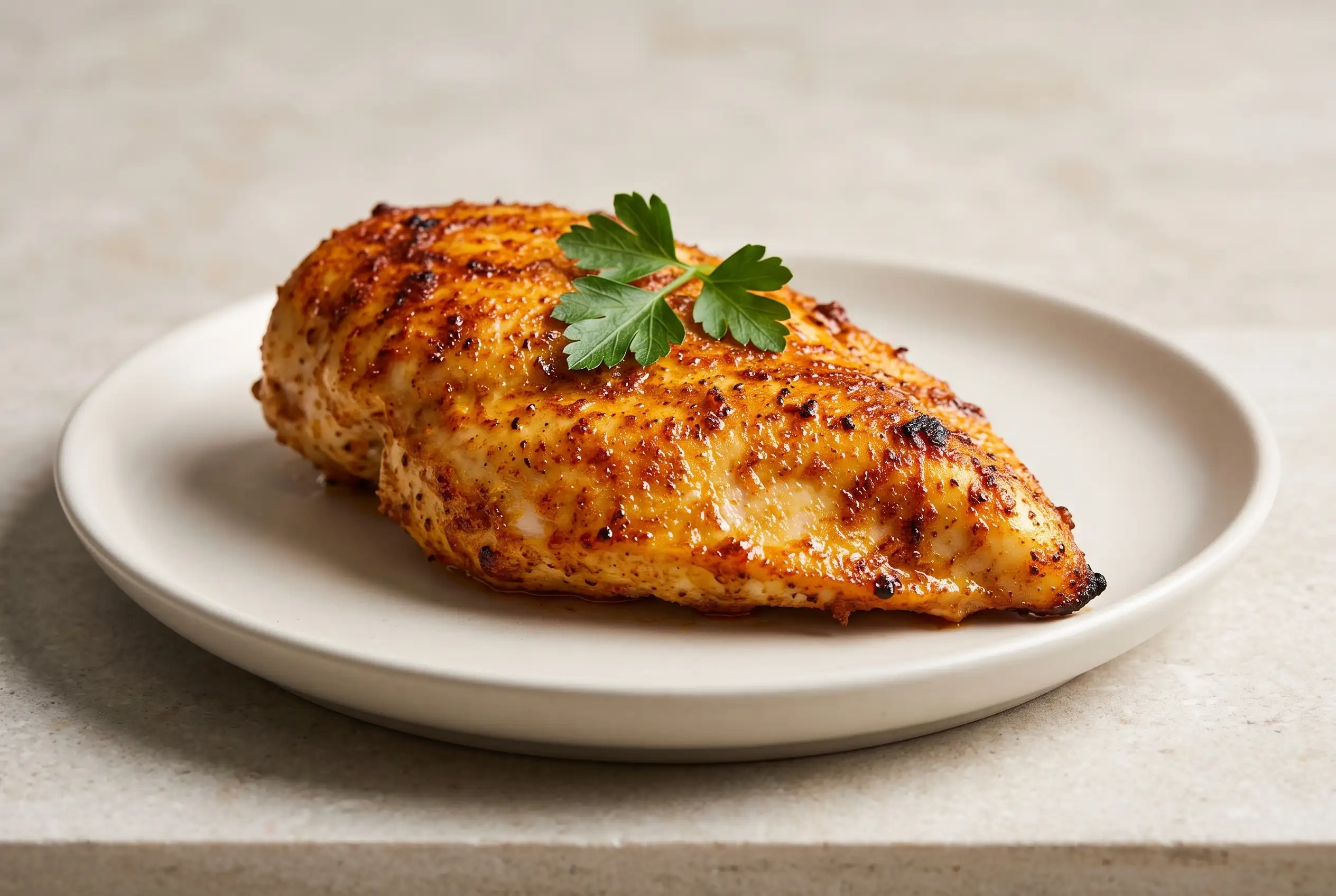
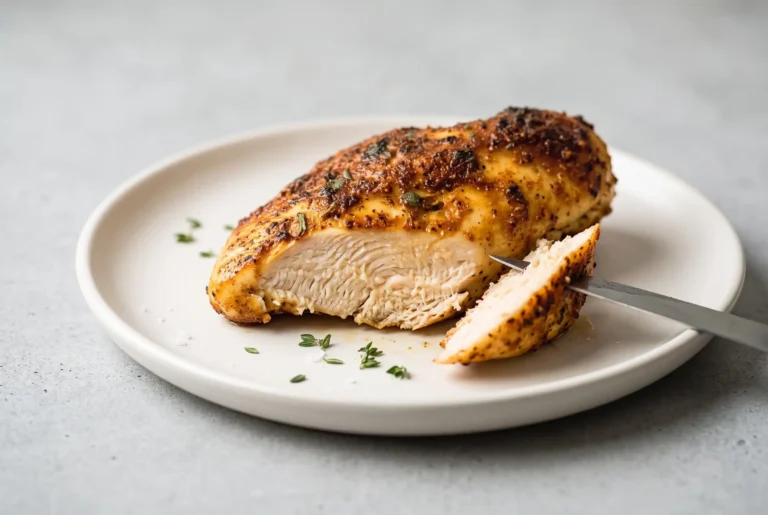
Baked chicken breast is a dependable dinner choice when you want tender meat, savory seasoning, and a lightly crisp exterior without complicated preparation. Perfectly Baked Chicken Breast uses a simple combination of olive oil, garlic powder, onion powder, paprika, salt, and pepper to create a comforting meal that works for busy evenings and planned lunches.
The appeal of this juicy baked chicken breast recipe comes from careful cooking control. Drying the chicken before seasoning, using a properly heated oven, and allowing the meat to rest all help preserve moisture while building a flavorful surface. The result is an easy baked chicken breast dinner with a texture that feels satisfying straight from the oven or later as a meal-prep option.
Perfectly Baked Chicken Breast at a Glance
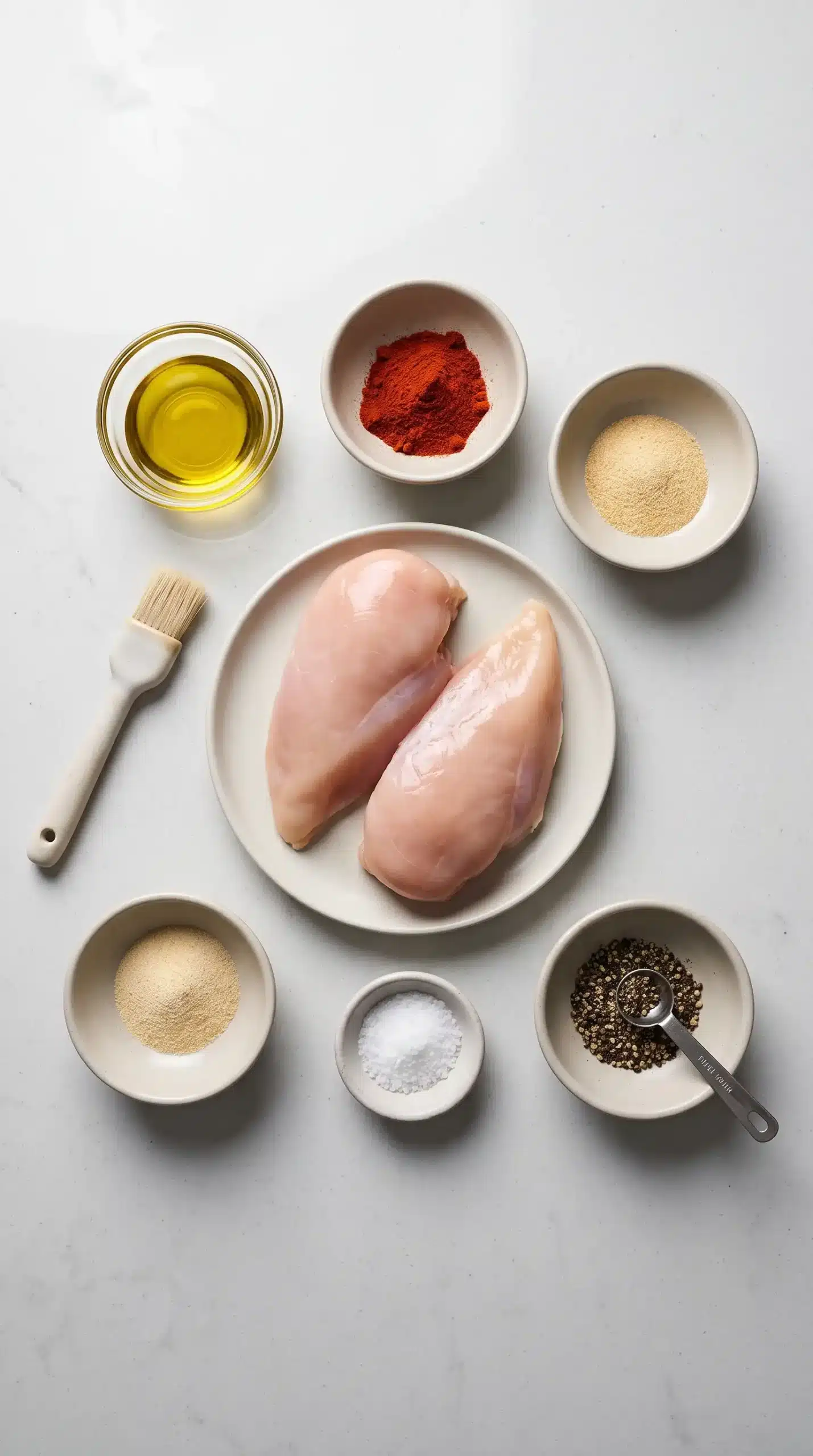
Simple ingredients and a focused baking approach make this chicken a practical staple. The seasoning paste coats the meat evenly, helping the exterior develop deeper flavor while the center remains tender.
| Cooking choice | Why it matters | Helpful action |
|---|---|---|
| Dry chicken surface | Supports better browning | Pat breasts thoroughly before seasoning |
| Even thickness | Encourages consistent cooking | Pound thicker areas gently when needed |
| Resting period | Helps maintain moisture | Wait before slicing |
The Seasoning Balance Behind Juicy Baked Chicken Breast
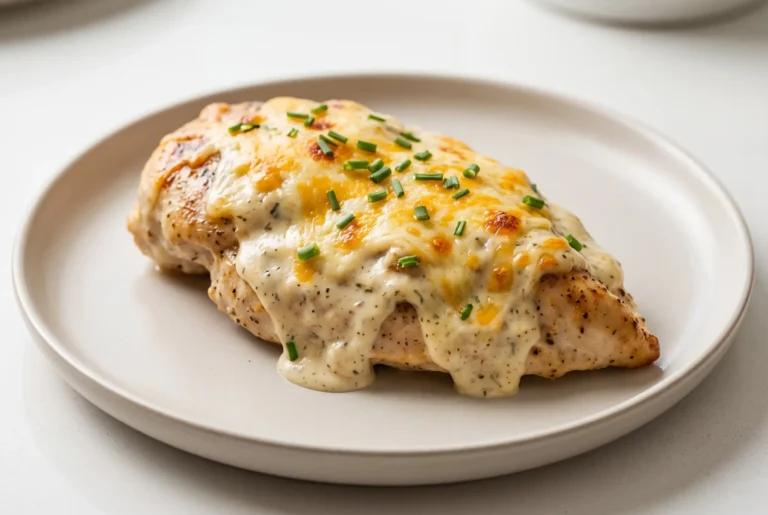
The seasoning mixture gives baked chicken breast its recognizable savory character. Olive oil helps the spices cling to the surface, while garlic powder, onion powder, paprika, salt, and black pepper create a balanced coating that complements the mild flavor of chicken. A richer variation can add Parmesan and a crisp finish through Garlic Parmesan Chicken, creating a more indulgent chicken dinner with bold savory notes.
Powdered seasonings work especially well for oven baking because they spread evenly across the meat. Garlic powder provides savory depth without the faster browning concerns that fresh minced garlic can create during baking.
Paprika contributes color and gentle warmth, making the finished chicken look as appealing as it tastes. Optional additions such as Italian seasoning, red pepper flakes, lemon wedges, or fresh herbs allow the same base preparation to move in different flavor directions.
Oven Temperature Decisions for Better Chicken Texture
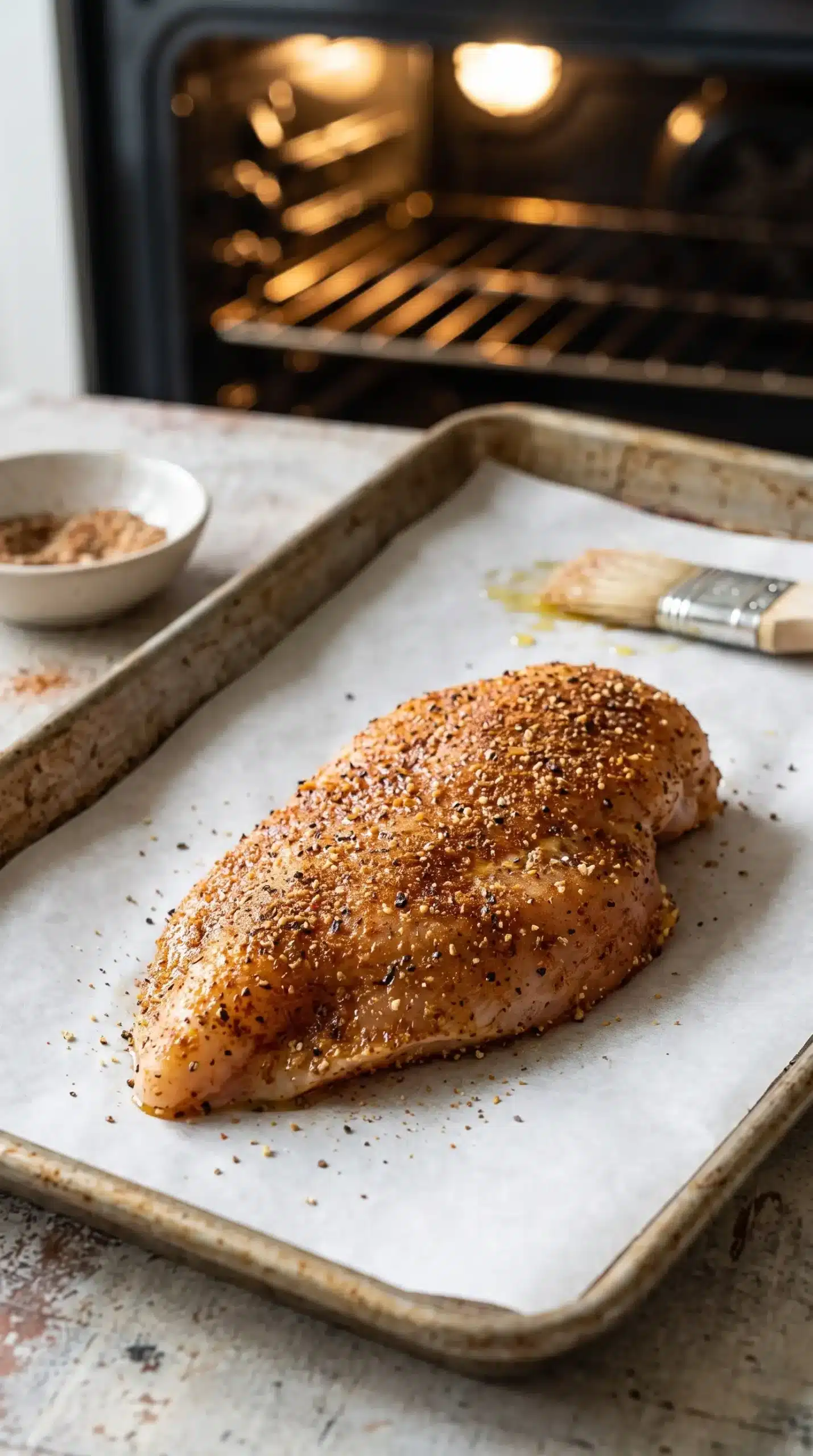
A properly heated oven plays a major role in achieving a reliable 30 minute baked chicken breast. Baking at 400°F helps the chicken cook efficiently while allowing the seasoned exterior to develop appealing color.
Temperature control affects more than cooking speed. Excessive heat can damage the seasoning before the center finishes cooking, while insufficient heat may extend cooking time and make moisture loss more likely.
Using a meat thermometer removes guesswork. The chicken should reach an internal temperature of 165°F, which helps create a tender result without relying only on appearance.
Choosing Chicken Breasts for Even Baking
Boneless, skinless chicken breasts are ideal for this preparation because they provide a lean and versatile main dish. Selecting pieces with similar size and thickness helps them finish cooking at a similar rate.
- Chicken thighs: A naturally juicy alternative with a richer texture.
- Turkey cutlets: A lean substitute that works with the same seasoning approach.
- Firm tofu: A plant-based option that can absorb savory flavors.
Common Mistakes That Dry Out Perfectly Baked Chicken Breast
Several small choices can affect the final texture of baked chicken breast. Avoiding these common problems helps protect the tenderness that makes this dinner so useful.
| Mistake | What happens | Better approach |
|---|---|---|
| Skipping drying | Surface moisture reduces browning | Pat chicken completely dry first |
| Overbaking | Lean meat becomes dry | Check temperature near the end of cooking |
| Uneven pieces | Some areas cook faster | Choose similar-sized breasts |
Another frequent issue is cutting immediately after baking. Resting gives the juices time to settle through the meat, improving the bite and keeping slices more enjoyable.
Flavor Variations for Baked Chicken Breast
The basic seasoning combination creates a flexible foundation for different dinners. Small additions can change the character of the dish while keeping the same reliable baking method.
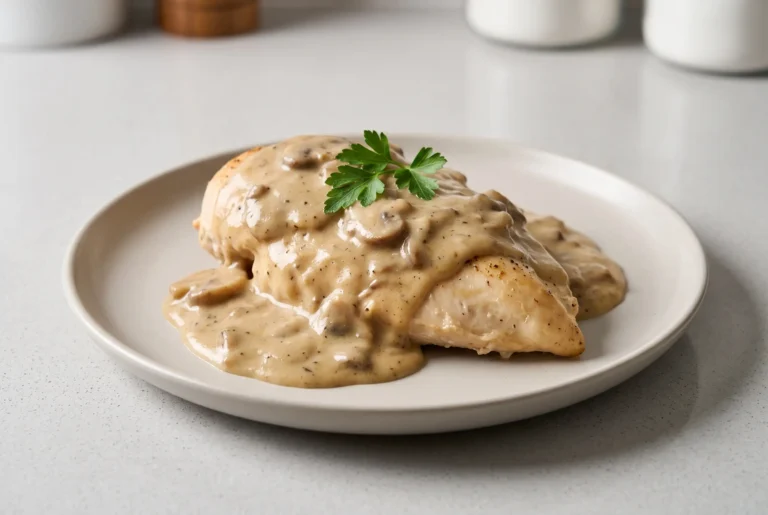
A creamy variation can include a mushroom sauce served over the chicken for a richer meal. A sweet and savory version can use honey and soy flavors during the final stage of cooking. Spicy versions can include cayenne pepper, chili powder, or hot sauce for extra heat.
Fresh herbs and melted butter also provide an easy finishing touch. These additions highlight the chicken’s natural flavor while adding extra richness to each serving.
Side Pairings That Complete the Chicken Dinner
Perfectly Baked Chicken Breast fits easily beside many familiar side dishes. The mild seasoning allows vegetables, grains, potatoes, and salads to complement the main dish without competing with it.
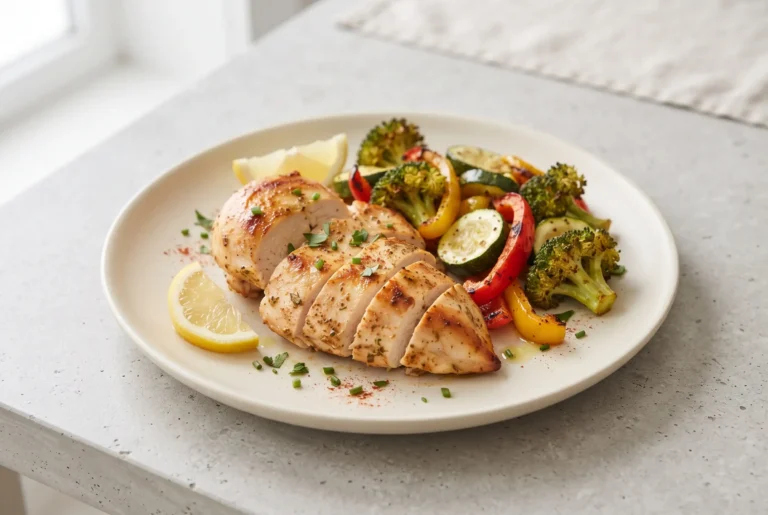
- Vegetable choices: Roasted broccoli, green beans, asparagus, Brussels sprouts, and zucchini add freshness.
- Grain options: Jasmine rice, brown rice, quinoa, and couscous absorb flavorful juices.
- Comfort sides: Mashed potatoes, roasted baby potatoes, or garlic pasta create a hearty plate.
Storage Choices for Cooked Chicken Breast
Cooked chicken breast remains useful after the first serving because it can be stored and reheated for later meals. Proper storage helps maintain quality and makes weekday planning easier.
| Storage method | Recommended handling | Best use |
|---|---|---|
| Refrigerator | Keep in an airtight container for up to 4 days | Quick lunches and dinners |
| Freezer | Wrap portions individually for up to 3 months | Longer meal planning |
| Reheating | Warm gently with moisture added | Better texture retention |
Meal Prep Uses for Baked Chicken Breast
Sliced chicken makes weekly meals easier because the same cooked protein can move into several different dishes. Preparation ahead of time reduces effort when assembling lunches or quick dinners.
Leftover portions work well in pasta dishes, Caesar salads, sandwiches, grain bowls, and soups. Cutting the chicken before storing also makes it easier to portion and use throughout the week.
Batch cooking provides another practical advantage. Extra servings can be refrigerated or frozen so a flavorful protein is available whenever a fast meal is needed.
Tools That Improve Chicken Baking Results
A few simple kitchen tools make preparation smoother and help create consistent results. A baking sheet, parchment paper, mixing bowl, and tongs cover the essential needs for this dish.
A meat thermometer is especially valuable because it confirms doneness without requiring guesswork, and thermometer-based doneness checking is more reliable than judging chicken by appearance alone. A wire rack can improve airflow around the chicken, while a silicone brush helps spread oil and seasoning evenly.
Nutrition Notes for Lean Chicken Meals
Perfectly Baked Chicken Breast is naturally centered around lean protein while remaining relatively low in carbohydrates. Chicken breast also provides nutrients including selenium, niacin, vitamin B6, and phosphorus.
Family-Friendly Ways to Serve Chicken Breast
Mild seasoning makes this chicken approachable for many family meals. Younger diners may prefer reduced pepper or paprika, while adults can add sauces or stronger flavors at the table.
Slicing the chicken into strips or smaller pieces can make serving easier. Familiar sides such as rice, mashed potatoes, or buttered noodles pair naturally with the tender meat.
Budget-Friendly Chicken Dinner Strategies
Baked chicken breast is a practical option because affordable pantry seasonings create strong flavor without requiring many specialty ingredients. Buying larger packages of chicken can also help reduce the cost per serving.
Simple sides like rice, potatoes, and frozen vegetables help stretch the meal further. Substituting chicken thighs can provide another economical choice while maintaining a juicy texture.
Juicy Texture Comes From Proper Baked Chicken Breast Handling
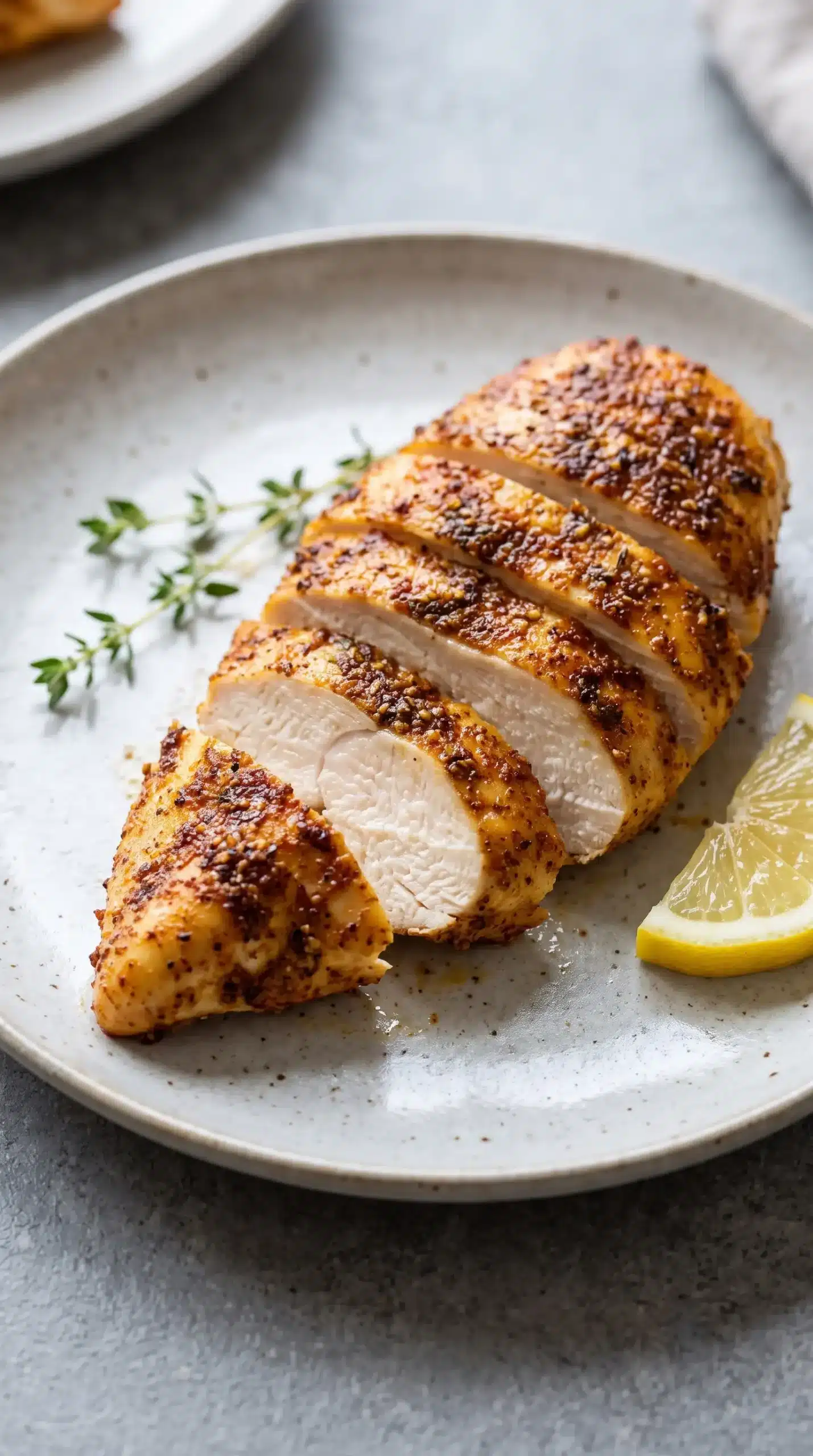
Baked chicken breast delivers its best texture when moisture, seasoning, and heat are managed together. Drying the surface, baking with steady temperature control, and resting before slicing all influence the final result.
That careful handling turns a simple chicken dinner into a dependable meal with seasoned edges, a tender center, and the versatility needed for fresh servings or future meals.
Baked Chicken Breast Questions and Answers
How do I keep baked chicken breast from becoming dry?
Keeping the chicken juicy depends on avoiding overcooking and allowing the meat to rest after baking. Checking the internal temperature helps prevent leaving the chicken in the oven longer than needed.
Can thicker chicken breasts bake evenly?
Thicker pieces may cook less evenly because the center takes longer to heat. Lightly pounding the thickest areas helps create a more consistent shape before seasoning.
Can I prepare baked chicken breast ahead of time?
Yes, cooked chicken can be stored for later meals and sliced before storage to make salads, wraps, bowls, and other dishes easier to assemble.
What seasonings work with chicken breast?
Garlic powder, onion powder, paprika, salt, and pepper create the core flavor blend, while herbs, lemon, butter, or spicy seasonings can adjust the finished taste.
Why should chicken rest after baking?
Resting allows moisture to redistribute through the meat. Waiting before slicing helps preserve tenderness and creates a more satisfying texture.
Baked Chicken Breast with Garlic and Paprika Seasoning
Ingredients
Method
- Preheat the oven to 400°F / 200°C.
- Dry the chicken breasts thoroughly with paper towels to remove excess surface moisture.
- Mix the olive oil, garlic powder, onion powder, paprika, salt, and black pepper in a small bowl until combined into a seasoning mixture.
- Coat the chicken breasts evenly with the prepared seasoning mixture.
- Arrange the seasoned chicken breasts on a parchment-lined baking sheet.
- Bake the chicken for 18 to 20 minutes, until the internal temperature reaches 165°F / 74°C.
- Allow the baked chicken to rest for 5 minutes before slicing and serving with fresh herbs if desired.