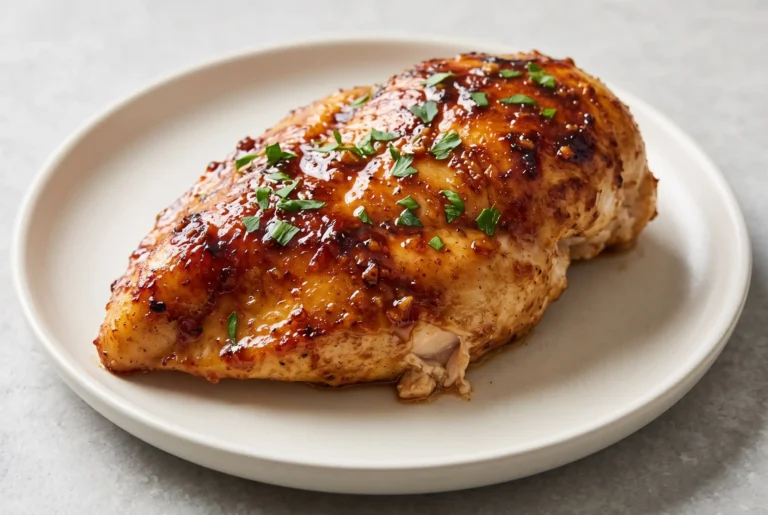
Baked Chicken Breast Recipe with Juicy Tender Chicken
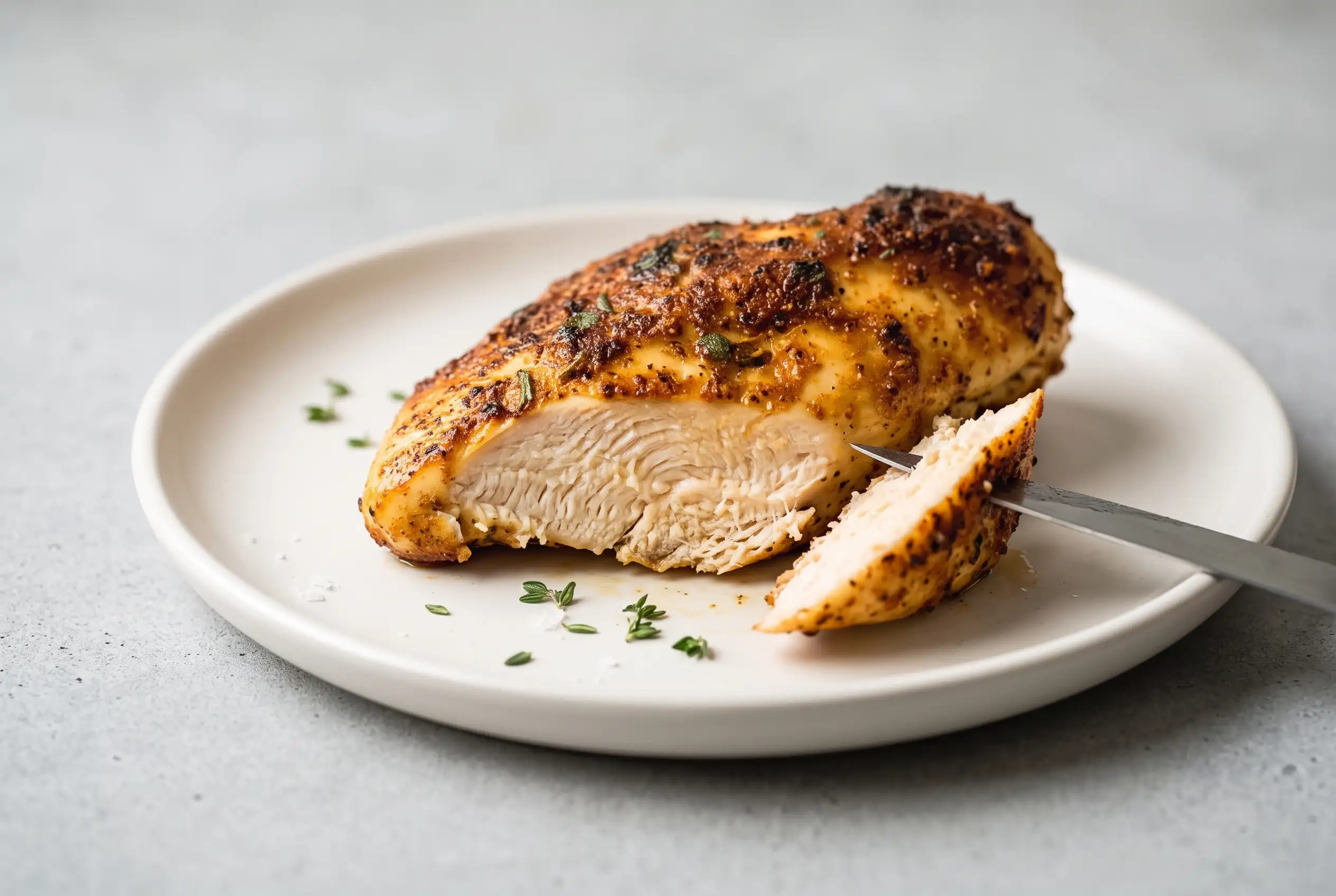
baked chicken breast is a dependable dinner option when you want tender meat, savory seasoning, and a simple oven preparation. This juicy baked chicken breast recipe creates lightly golden edges and a moist center by combining balanced seasoning with careful heat control.
Simple ingredients make the dish practical for busy meals, but the results come from a few important choices. Proper moisture protection, even thickness, and thoughtful resting help create an oven baked chicken breast recipe that works for weeknight dinners and meal preparation.
Why 400°F Works for Baked Chicken Breast
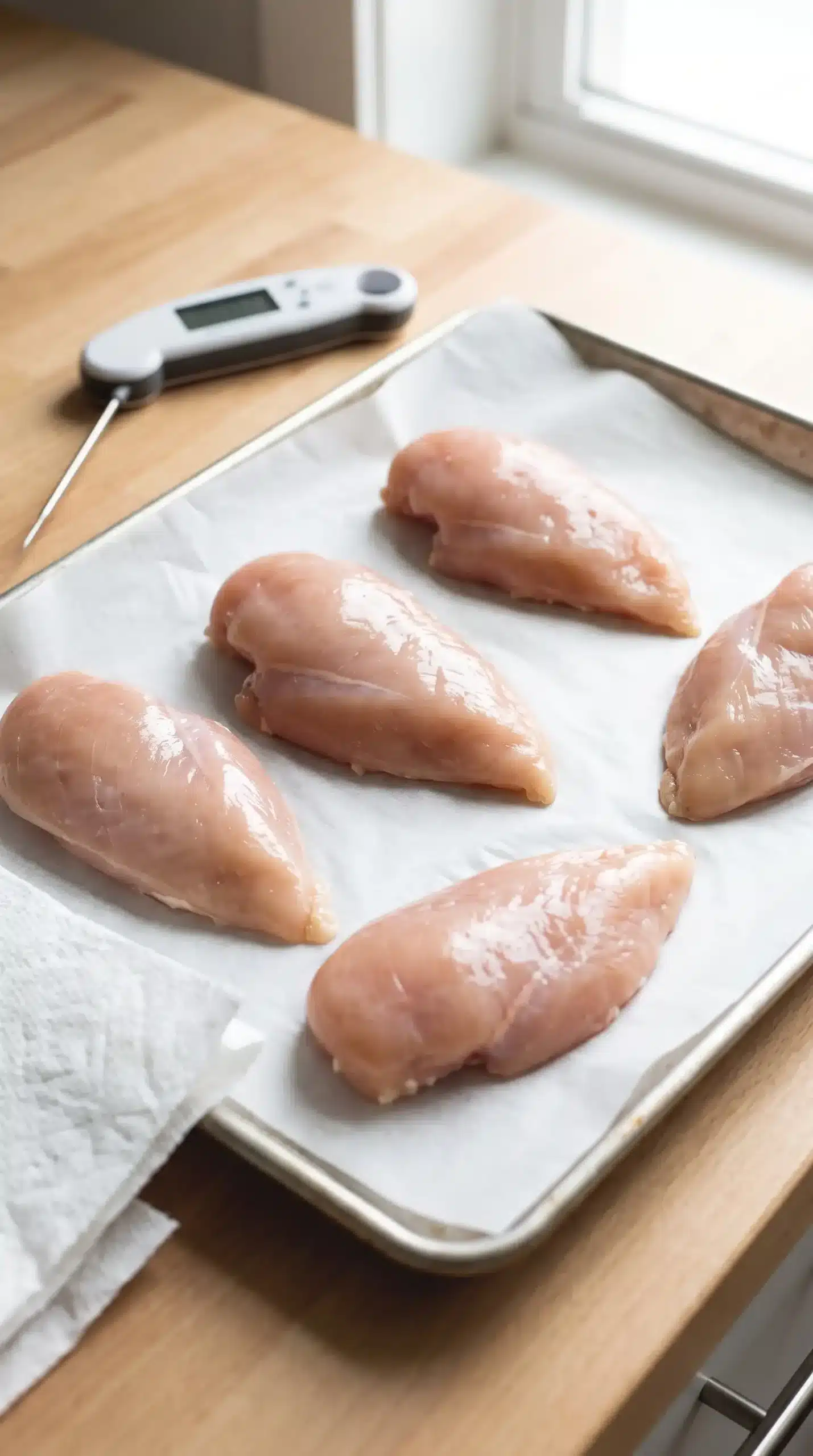
Oven temperature plays a major role in how chicken breast develops its final texture. Baking at 400°F encourages the exterior to brown while allowing the inside to remain tender when cooking time is monitored carefully.
Cooking control begins before the chicken reaches the oven. Drying the surface before seasoning helps improve browning, and keeping pieces separated on the baking sheet allows heat to move around each portion more effectively.
Removing excess moisture matters because surface moisture affects browning by limiting the heat available for developing color on the outside of the meat.
| Cooking choice | Result to watch for | Helpful action |
|---|---|---|
| Even chicken thickness | More consistent doneness | Pound thicker areas if needed |
| Proper spacing | Better heat circulation | Leave room between pieces |
| Resting after baking | Juicier slices | Wait before cutting |
Resting the chicken after baking is a small step with a noticeable effect. Allowing the meat to sit helps keep juices inside, giving the finished baked chicken breast a more satisfying texture when sliced.
Seasoning Choices That Shape Baked Chicken Breast Flavor
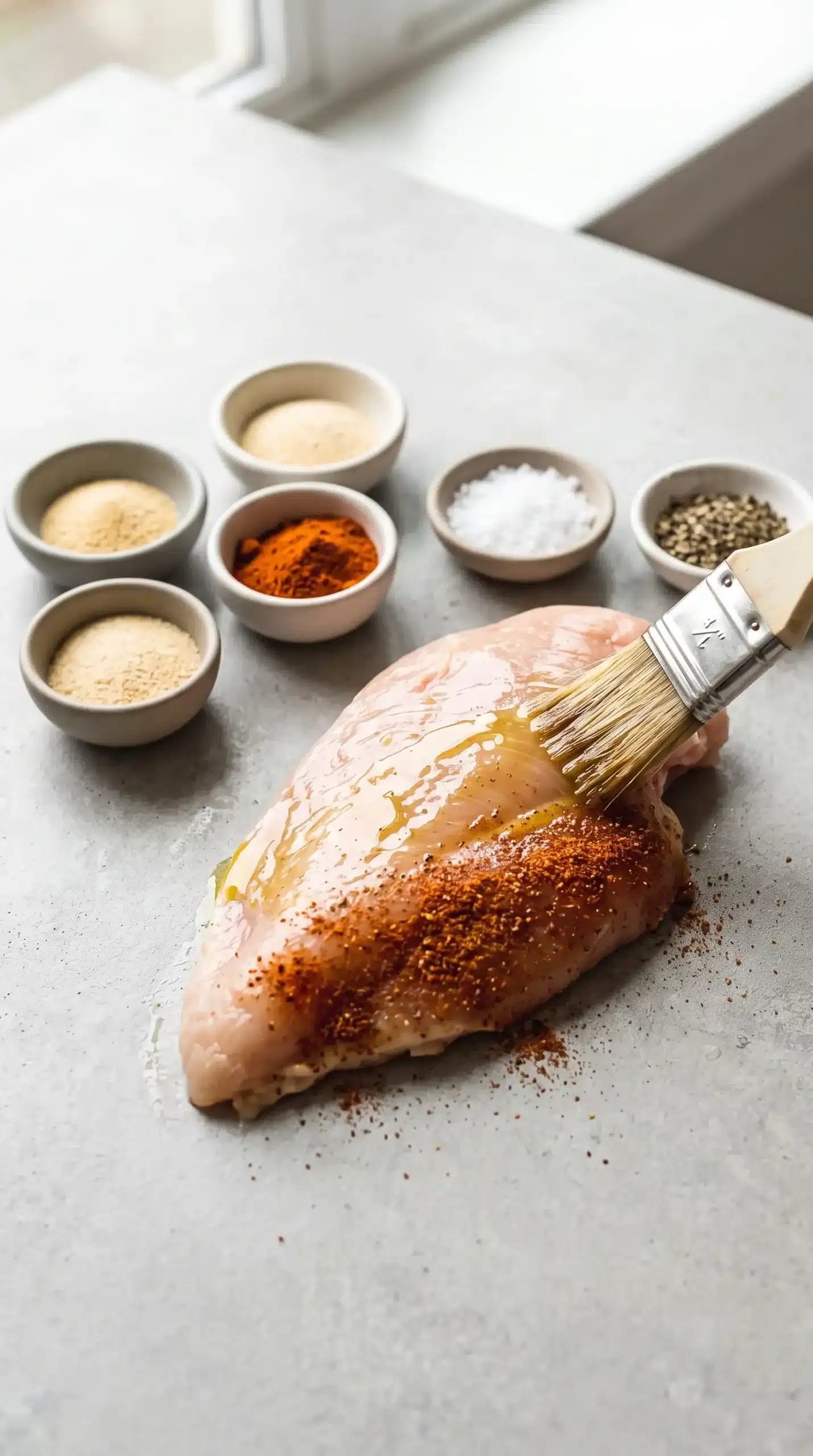
Balanced seasoning is the key ingredient knowledge behind this dish. Olive oil, garlic powder, onion powder, paprika, salt, and pepper work together to create a savory coating that enhances the chicken without covering its natural flavor.
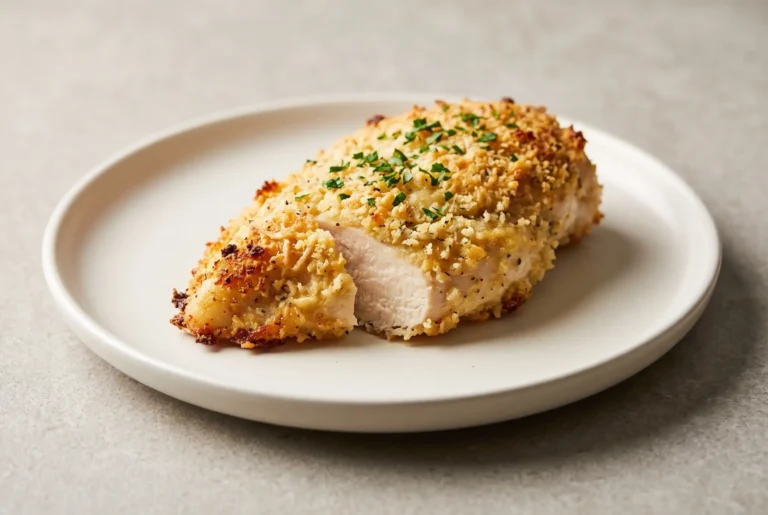
Garlic powder and onion powder are especially useful because they spread evenly across the surface and deliver consistent flavor in every bite. Paprika contributes warmth and color, helping the outside develop a more appealing appearance during baking, while Garlic Parmesan chicken uses a richer savory combination for a comforting dinner variation.
Fresh herbs can be added as a finishing touch when serving. They provide brightness and presentation value while allowing the core seasoning blend to remain simple and adaptable.
Mistakes That Ruin Baked Chicken Breast Results
Avoiding common problems makes a major difference with chicken breast because lean meat has less room for error. Paying attention to preparation and temperature prevents many disappointing results.
- Dry texture: Overbaking removes moisture, so check the chicken carefully and avoid leaving it in the oven longer than needed.
- Uneven cooking: Different breast thicknesses can finish at different times, making even preparation important before baking.
- Weak seasoning: A light coating may leave the chicken tasting flat, so distribute the spice mixture across the surface.
- Pale exterior: Excess moisture on the chicken can reduce browning, making surface drying an important preparation step.
- Crowded pan: Pieces placed too close together limit airflow and can affect the outside texture.
Overcooking remains the most common reason chicken breast becomes dry. Using a thermometer and checking for an internal temperature of 165°F helps maintain both safety and tenderness.
Chicken Thickness Controls the Final Baked Texture
Chicken thickness influences cooking consistency more than many people expect. A thicker section may need additional time while thinner areas can become dry if the entire batch stays in the oven too long.
Even portions create a more predictable cooking process. Pounding thicker pieces gently before baking can help the chicken cook at a similar rate and produce a softer texture throughout.
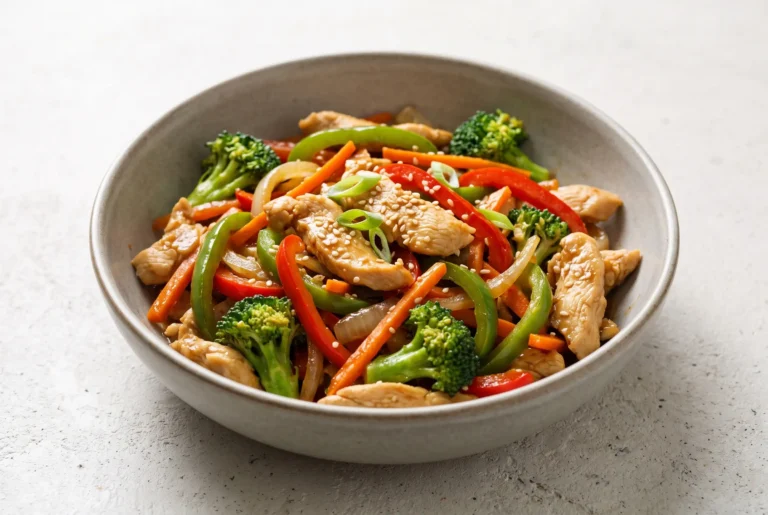
Thinly sliced portions also offer flexibility after cooking. Slices can be used in wraps, sandwiches, salads, pasta dishes, or grain bowls without losing the practical appeal of the original meal.
Meal Prep Benefits of Baked Chicken Breast
Prepared chicken works especially well for planned meals because the mild seasoning matches many different dishes. Extra portions can become convenient protein for lunches and quick dinners throughout the week.
Batch cooking allows one baking session to support several meals. The chicken can be sliced after resting and stored for later use in salads, wraps, sandwiches, or rice bowls.
Meal preparation becomes easier when the seasoning is handled ahead of time. Letting the seasoned chicken sit briefly before baking can simplify busy cooking periods while keeping the flavor balanced.
Serving Ideas for Baked Chicken Breast
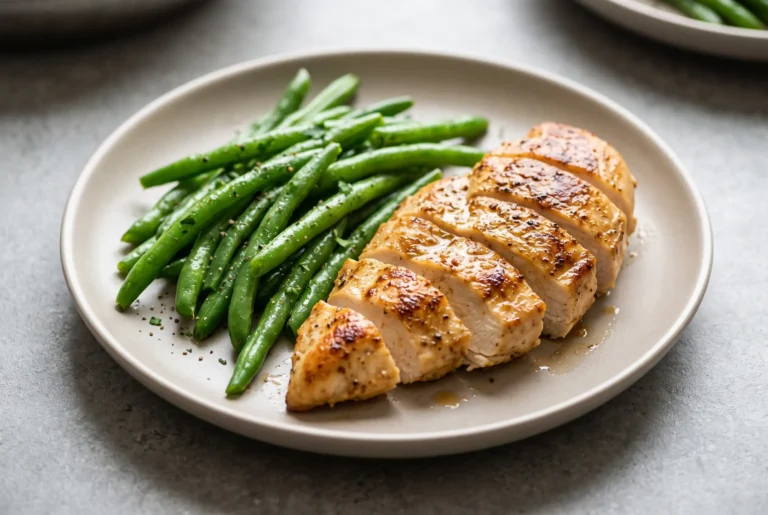
Roasted vegetables, rice, mashed potatoes, fresh salads, steamed broccoli, and green beans all pair naturally with baked chicken breast. The mild savory profile also makes it useful for wraps, sandwiches, and grain bowls.
Family-Friendly Ways to Serve Baked Chicken Breast
Simple flavors make this chicken approachable for many family meals. The seasoning blend can stay mild for younger eaters while adults can add extra flavor at the table with sauces or additional spices.
Slicing the cooked chicken into strips or smaller pieces can make the meal easier to serve. Even preparation also supports a softer texture that works well for different preferences around the dinner table.
Familiar side dishes can make the meal more appealing for families. Rice, mashed potatoes, roasted carrots, or similar favorites create an easy plate that combines comfort with a protein-rich main dish.
Storage Methods for Baked Chicken Breast
Cooked chicken stores well in airtight containers for up to 4 days and can be frozen for up to 3 months. Gentle reheating helps protect the texture, and adding a splash of broth during reheating can help maintain moisture.
Flavor Variations Beyond Classic Baked Chicken Breast
Spice adjustments can create new versions of baked chicken breast without changing the basic cooking approach. Cayenne pepper, chili powder, Italian seasoning, Cajun seasoning, lemon pepper blends, or a light butter coating can all provide different flavor directions.
Spicy variations are easy to control because seasonings can be adjusted before baking. Keeping stronger flavors separate at serving time also allows different preferences to be accommodated during one meal.
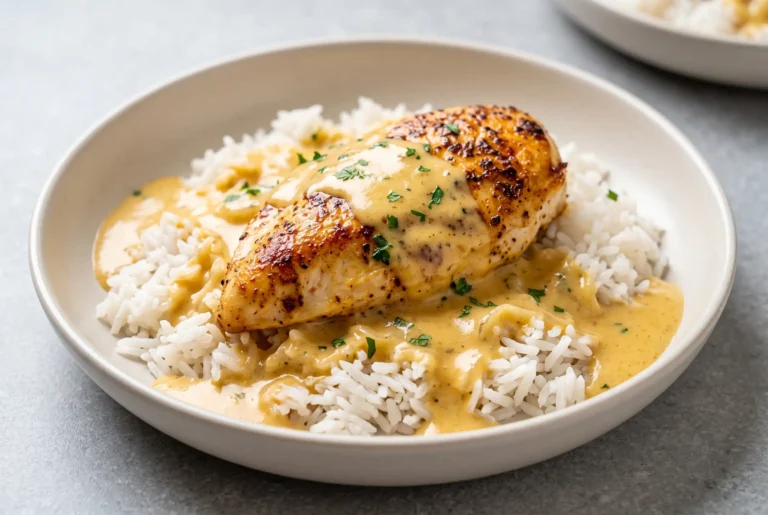
Rich additions can change the character of the dish while preserving its simple foundation. A creamy topping or extra seasoning approach can create a more comforting dinner style when desired.
Kitchen Tools That Support Better Results
A baking sheet, parchment paper, mixing bowl, tongs, sharp knife, and thermometer are the main tools needed for reliable preparation. Specialty equipment is not required because careful heat management and timing have the greatest impact.
Weeknight Shortcuts for a 35 Minute Baked Chicken Breast
Efficiency is one reason this 35 minute baked chicken breast remains useful for busy schedules. Small preparation choices can reduce effort while keeping the chicken flavorful and tender.
Pre-lined baking sheets simplify cleanup, while prepared seasoning blends can shorten the time spent measuring spices. Thin-sliced chicken can also reduce preparation work because smaller portions cook more quickly.
Frozen vegetables, quick rice options, and pre-washed salad ingredients can complete the meal with minimal extra work. These shortcuts keep the focus on producing a dependable homemade dinner without unnecessary steps.
Important details should still remain in place. A fully heated oven, proper spacing, and a short resting period after baking continue to influence the quality of the finished chicken.
Baked Chicken Breast Stays Juicy Through Controlled Baking
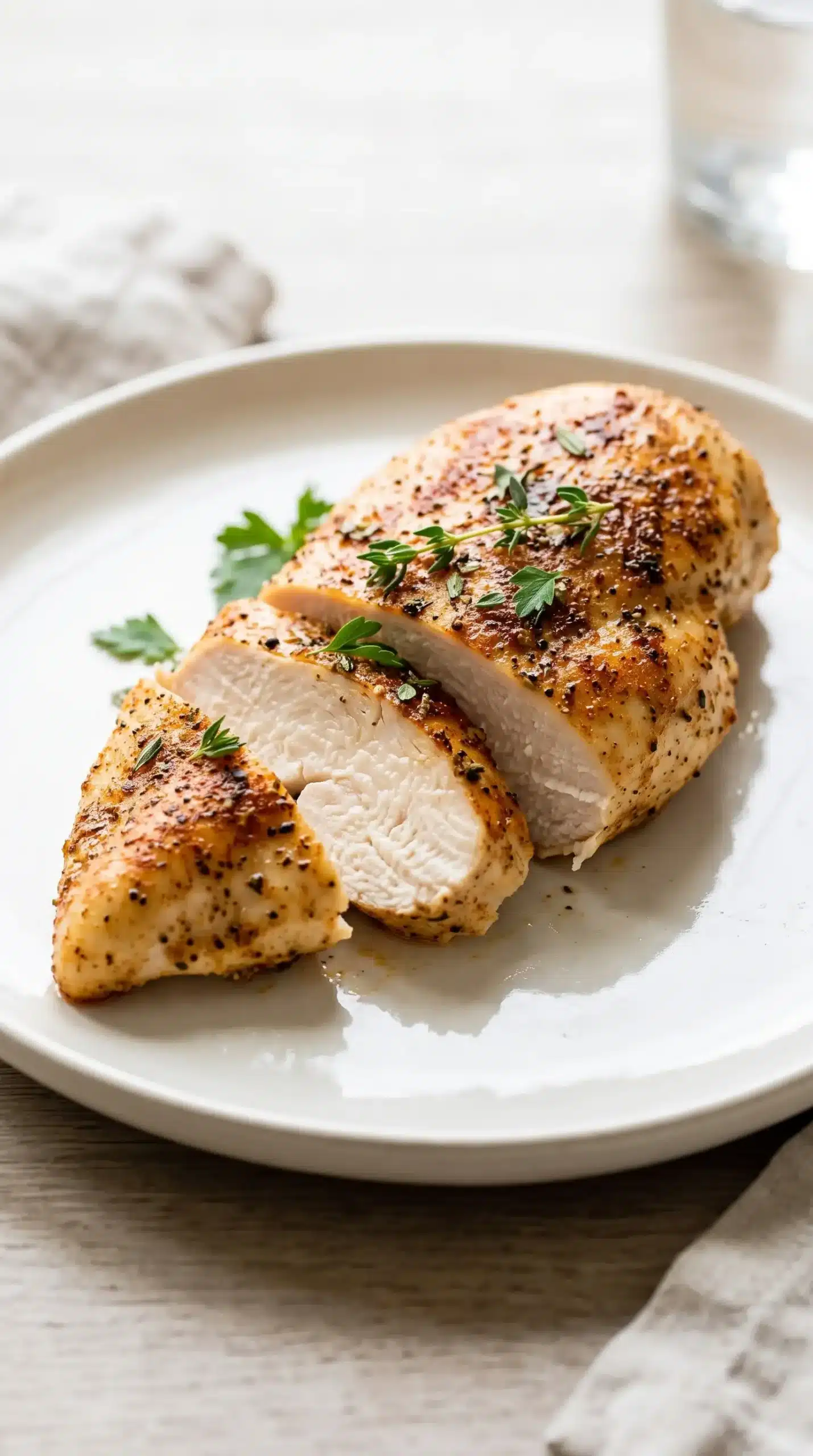
The success of baked chicken breast depends on balancing heat, seasoning, and moisture management. A carefully prepared surface, even thickness, and proper resting period create the tender texture that makes this dish practical for many meals.
Consistent baking habits turn a simple chicken dinner into a reliable option. The combination of savory seasoning and careful handling allows the meat to remain juicy while fitting easily into everyday cooking routines.
Baked Chicken Breast Moisture Questions and Answers
How do I keep chicken breast juicy?
Keeping chicken breast juicy depends on avoiding overbaking, maintaining proper cooking temperature, and allowing the meat to rest before slicing so moisture remains distributed inside.
Why does my chicken breast become dry?
Dry chicken usually happens when it stays in the oven too long. Monitoring cooking progress and using a thermometer can help prevent the texture from becoming tough.
Can I prepare baked chicken breast ahead of time?
Yes, seasoned chicken can be prepared ahead and refrigerated until ready to bake. Cooked portions are also useful for planned meals later in the week.
Can I use bone-in chicken instead?
Bone-in chicken can be used, but it requires additional cooking time compared with boneless chicken breasts because the structure changes how heat moves through the meat.
How can I add more flavor without changing the recipe?
Extra flavor can come from spice blends, fresh herbs, or serving additions such as sauces. Adjusting seasonings allows the dish to match different preferences while keeping its simple foundation.
Baked Chicken Breast Recipe with Juicy Tender Chicken
Ingredients
Method
- Heat the oven to 400°F / 205°C and prepare a baking sheet with parchment paper.
- Dry the chicken breasts with paper towels and pound them to an even thickness if needed for uniform cooking.
- Combine the olive oil, garlic powder, onion powder, paprika, salt, and black pepper in a bowl to create the seasoning mixture.
- Coat each chicken breast evenly with the prepared olive oil mixture.
- Arrange the seasoned chicken breasts on the lined baking sheet, leaving space between each piece.
- Bake the chicken breasts for 20–25 minutes, until the internal temperature reaches 165°F / 74°C.
- Allow the baked chicken to rest for at least 5 minutes before slicing and serving with fresh herbs if desired.