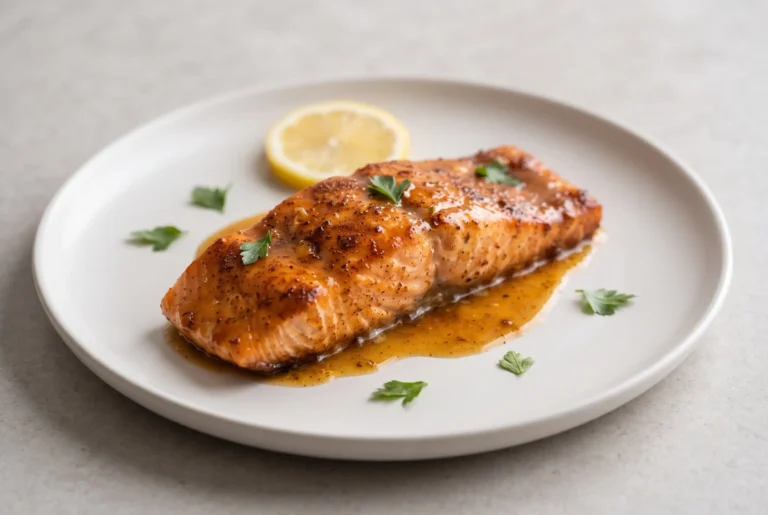
Blackened Salmon Recipe with Cajun Spice Crust and Lemon
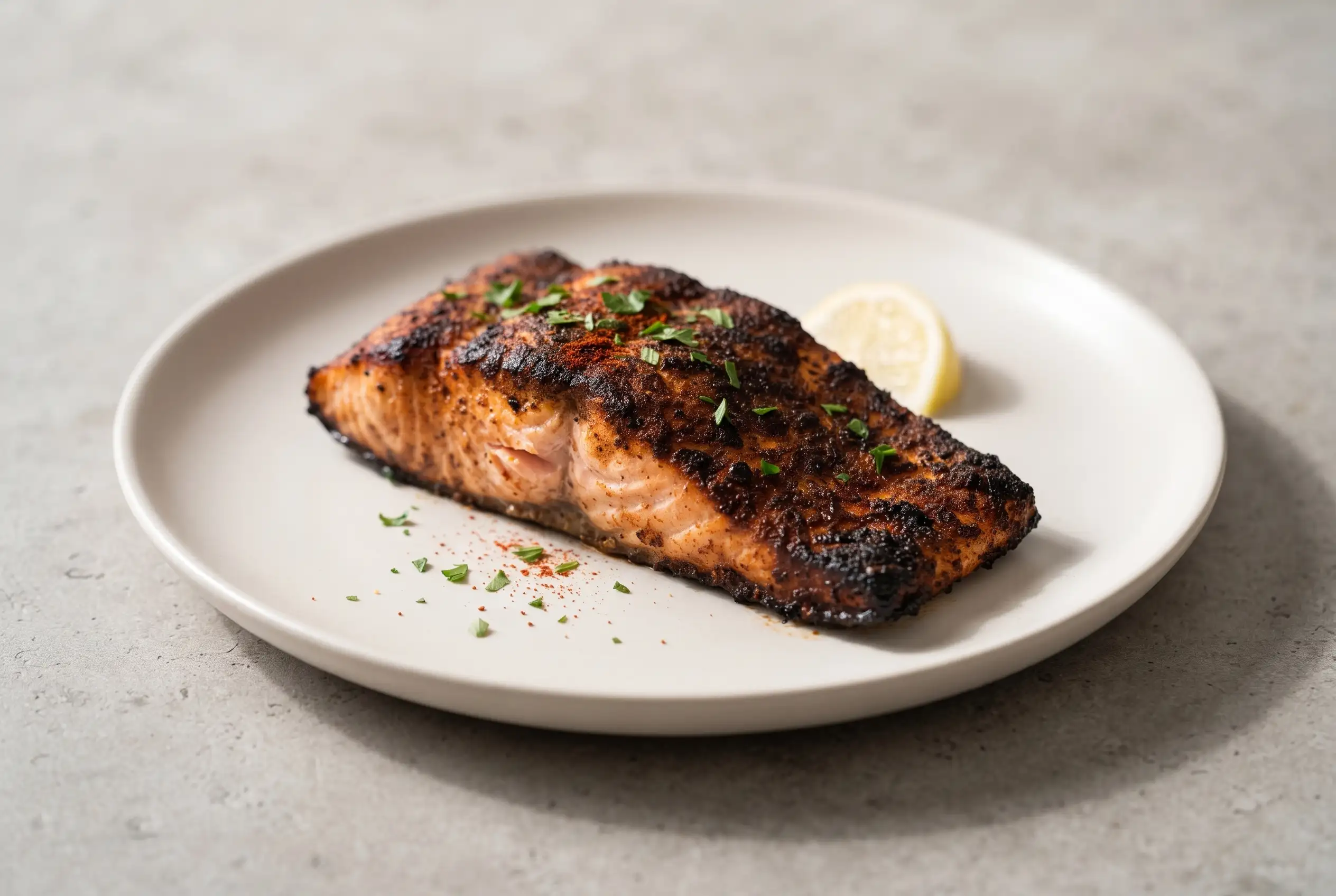
Blackened salmon is a fast seafood dinner built around a smoky spice crust, tender flaky fish, and bright lemon finish. A hot skillet transforms a simple salmon filet into a deeply seasoned meal with crisp edges, rich flavor, and a Cajun-inspired character that feels restaurant-worthy.
The combination of smoked paprika, cumin, garlic, herbs, and controlled heat creates the signature dark crust associated with a classic blackened salmon recipe. The inside stays moist and buttery because the fish is protected by its skin during the initial sear.
Why Blackened Salmon Creates Bold Flavor Quickly
High heat is what makes blackened salmon stand apart from ordinary skillet fish. The spice coating meets the hot surface and develops toasted flavors that create depth in a short cooking window.
The seasoning crust delivers smoky, savory notes while lemon juice adds brightness after cooking. That contrast keeps the dish balanced, allowing the richness of salmon to shine without feeling heavy.
A well-prepared filet also offers a memorable texture contrast. The outside develops a dark, flavorful coating while the center remains soft and flaky, creating the kind of seafood experience usually associated with steakhouse-style meals.
The Spice Blend Shapes the Cajun Blackened Salmon Character
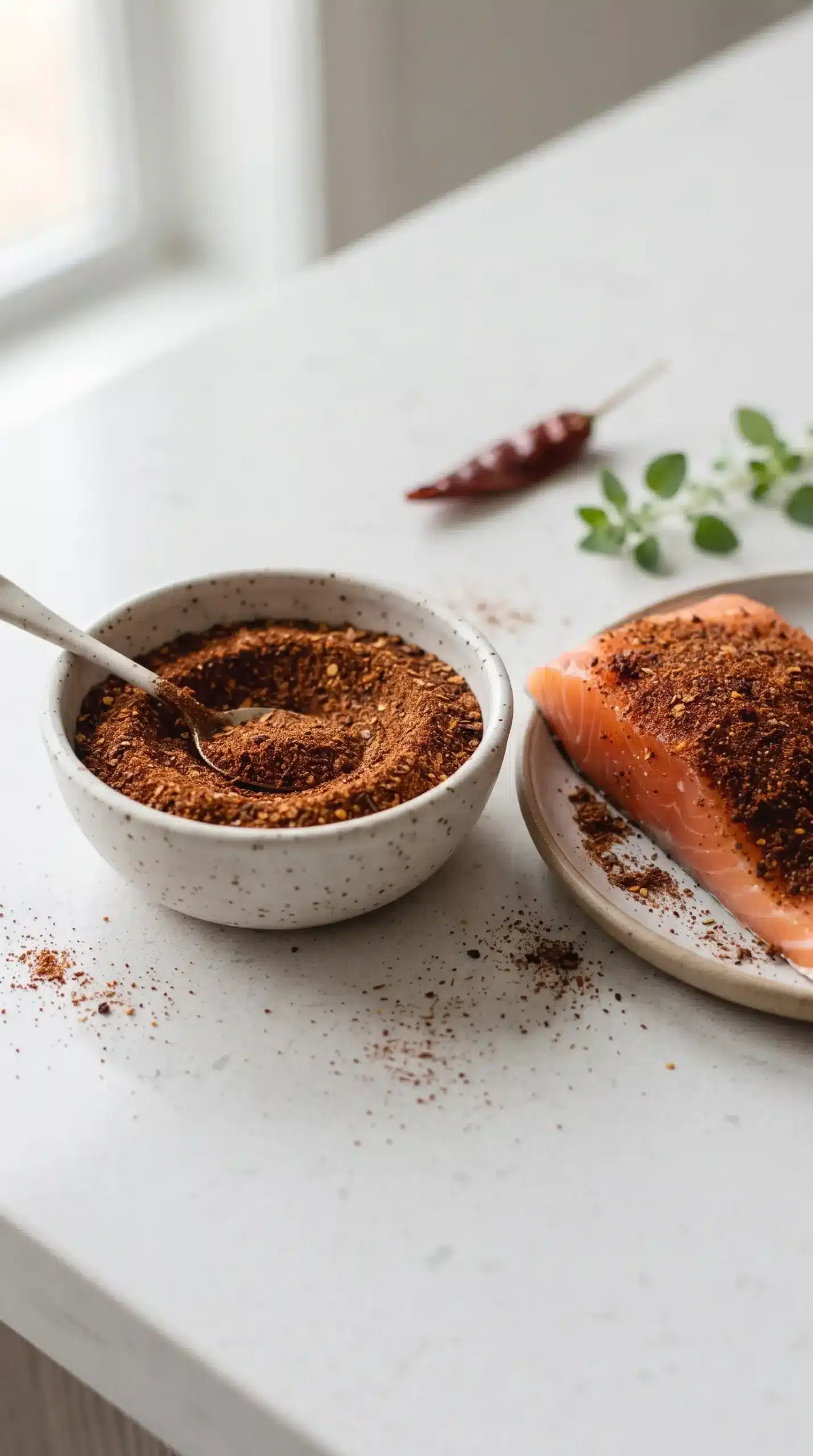
The seasoning mixture is the defining element of cajun blackened salmon. Smoked paprika provides the smoky foundation, while cumin contributes earthy warmth and garlic powder spreads savory flavor evenly throughout the crust.
Cayenne pepper brings the recognizable blackened heat, but the amount can be adjusted for different spice preferences. The combination of chili powder, oregano, onion powder, salt, and black pepper creates a layered flavor profile instead of a single spicy note.
- Smoked paprika: builds the deep color and smoky quality of the crust.
- Cayenne pepper: controls the level of heat and can be reduced for a milder finish.
- Lemon juice: cuts through the richness with fresh acidity after searing.
High Heat Control Improves the Salmon Crust
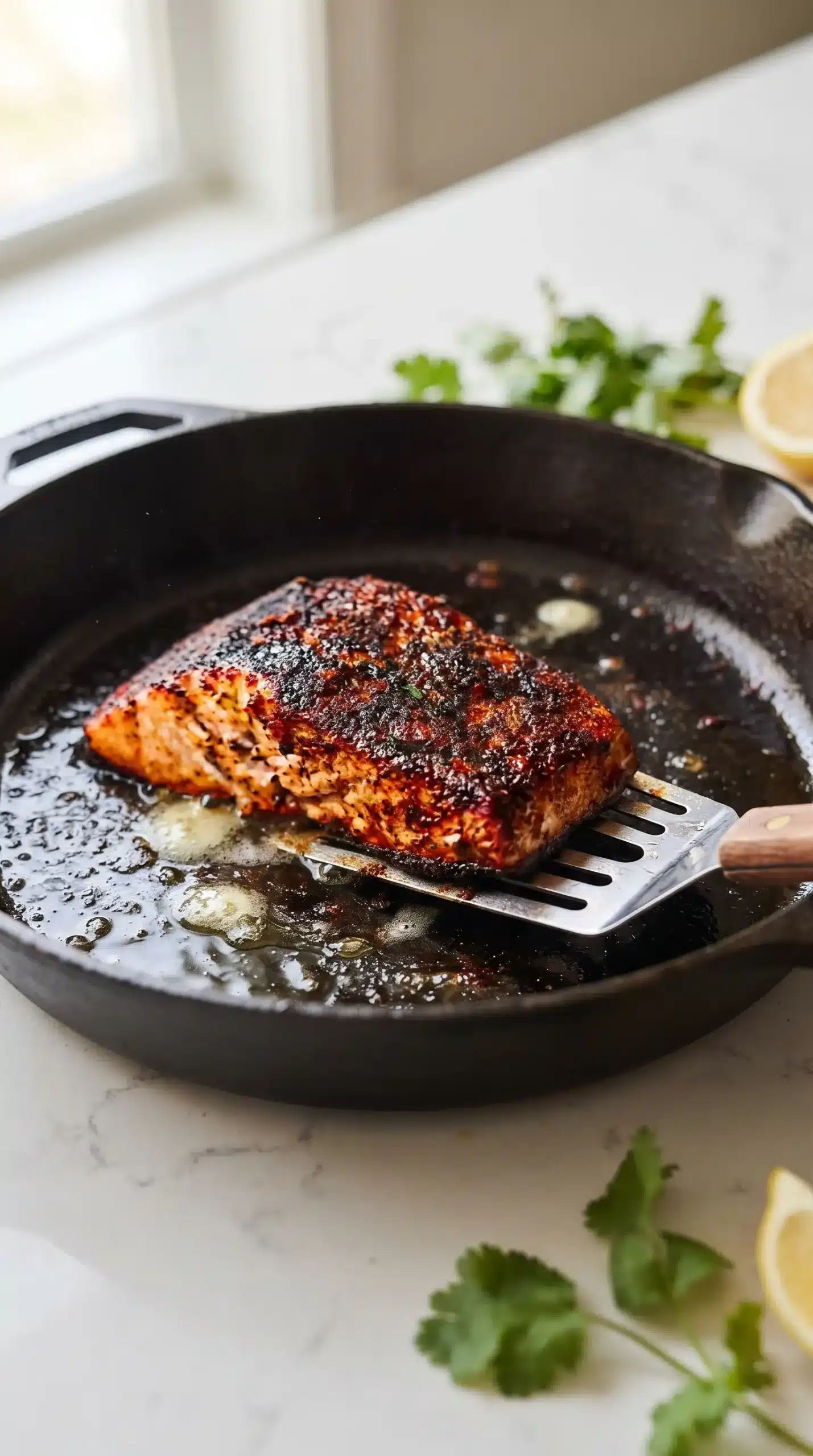
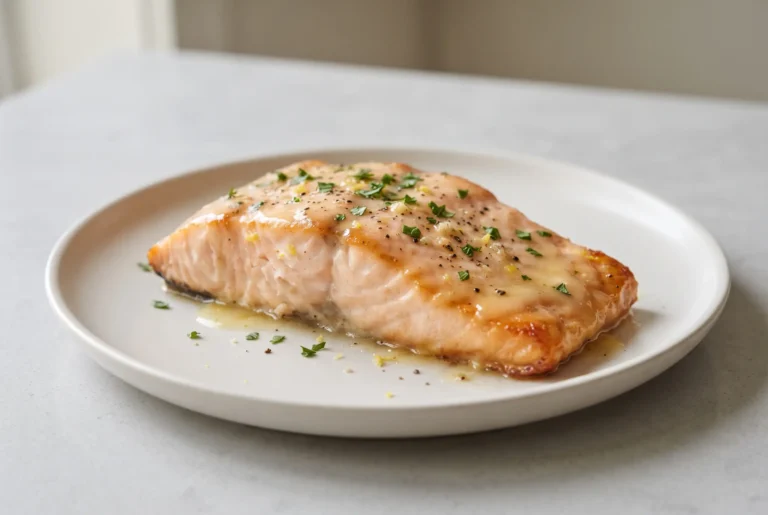
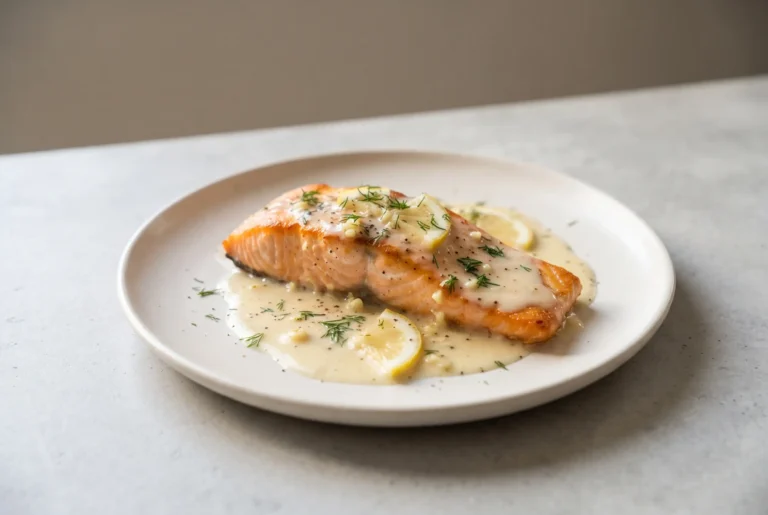
The most important cooking decision for blackened salmon is managing the skillet temperature. A properly heated cast-iron skillet helps the spices toast quickly and encourages the dark crust that defines the dish. Careful searing technique is essential for creating browned edges and a flavorful exterior, as shown in this pan seared salmon with lemon butter preparation.
Drying the salmon before seasoning is equally important because surface moisture interferes with browning. A dry filet allows the butter or avocado oil and spice mixture to make direct contact with the hot pan.
| Cooking choice | Why it matters | Better result |
|---|---|---|
| Dry salmon surface | Reduces excess moisture | Stronger crust formation |
| Very hot skillet | Encourages spice toasting | Smoky blackened exterior |
| Minimal movement | Maintains pan contact | More even browning |
Mistakes That Can Ruin Blackened Salmon Texture
Several common problems can prevent a successful blackened salmon dinner. Most issues happen before or during searing, when small preparation choices have a major effect on the finished fish.
Skipping the drying step
Wet salmon releases moisture into the pan and can steam instead of forming a dark crust. Patting the filets dry helps the seasoning adhere and supports better browning.
Starting with a cool skillet
A lukewarm pan does not create the intense contact needed for blackening. Allowing the skillet to become very hot helps the spices develop their characteristic toasted flavor.
Flipping before the crust develops
Moving the salmon too soon interrupts the searing process. Leaving the fish undisturbed allows the seasoned surface to build color and structure.
Overcooking the filet
Salmon loses its tender texture when cooked too aggressively for too long. The fish should remain moist and separate easily into flakes when finished.
Salmon Selection Decisions for Better Results
Skin-on salmon filets are especially useful for this preparation because the skin provides protection during the first stage of cooking. It helps the fish handle the intense heat while preserving moisture inside the filet.
Thicker filets are a strong choice because they allow enough time for the crust to develop while keeping the center tender. Very thin pieces cook quickly and leave less room for creating the signature blackened texture.
Frozen salmon can also work well when completely thawed and dried before seasoning. Proper preparation matters more than whether the fish started fresh or frozen.
Side Pairings Balance the Smoky Seafood Flavor
Blackened salmon works well with simple sides that complement its bold seasoning. Mild, fresh, or creamy accompaniments help balance the smoky crust and create a complete meal.
| Side option | Flavor role | Texture contrast |
|---|---|---|
| Rice | Balances spice | Soft and fluffy |
| Roasted vegetables | Adds freshness | Crisp-tender bite |
| Avocado | Cools the seasoning | Creamy finish |
| Corn salsa | Provides sweetness | Juicy texture |
The salmon also adapts easily into tacos, bowls, wraps, and salads. Flaking the cooked fish creates new meal options without losing the smoky flavor of the original preparation.
Storage Choices Keep Leftover Salmon Enjoyable
Cooked blackened salmon can be stored in an airtight container for later meals. Gentle handling helps preserve the moisture and seasoning that make the fish appealing after cooking.
- Refrigeration: keep leftovers chilled in a sealed container for up to 3 days.
- Freezing: cooked salmon can be frozen for up to 2 months.
- Reheating: warm gently in a skillet over medium-low heat.
Adding a small splash of water or lemon juice during reheating can help maintain a softer texture. High heat reheating may dry out the fish quickly.
Make-Ahead Ideas Simplify an Easy Salmon Dinner
The seasoning blend can be prepared ahead of time, making busy cooking nights easier. Keeping the spice mixture ready allows the salmon to move from preparation to skillet with minimal effort.
Side dishes such as rice and vegetables can also be prepared in advance. Portioning salmon filets before cooking helps create even servings and makes meal preparation more efficient.
For lunches, blackened salmon works particularly well in bowls with grains and vegetables. The bold seasoning remains noticeable even when combined with simple ingredients.
Blackened Salmon Variations Add New Meal Options
The core seasoning approach is flexible enough to create several different versions. Adjusting the heat level or changing the serving style can make the dish fit different preferences.
Milder version
Reducing cayenne creates a gentler flavor while keeping the smoky paprika notes that define the crust.
Air fryer preparation
An air fryer provides another cooking option with less smoke and easier cleanup. Cooking at 400°F until the salmon is cooked through creates a convenient alternative.
Taco-style serving
Flaked salmon pairs naturally with tortillas, slaw, and avocado for a flavorful seafood taco option.
Honey finish
A drizzle of honey after cooking adds sweet contrast to the smoky spice coating.
The Texture Balance Behind Perfect Blackened Salmon
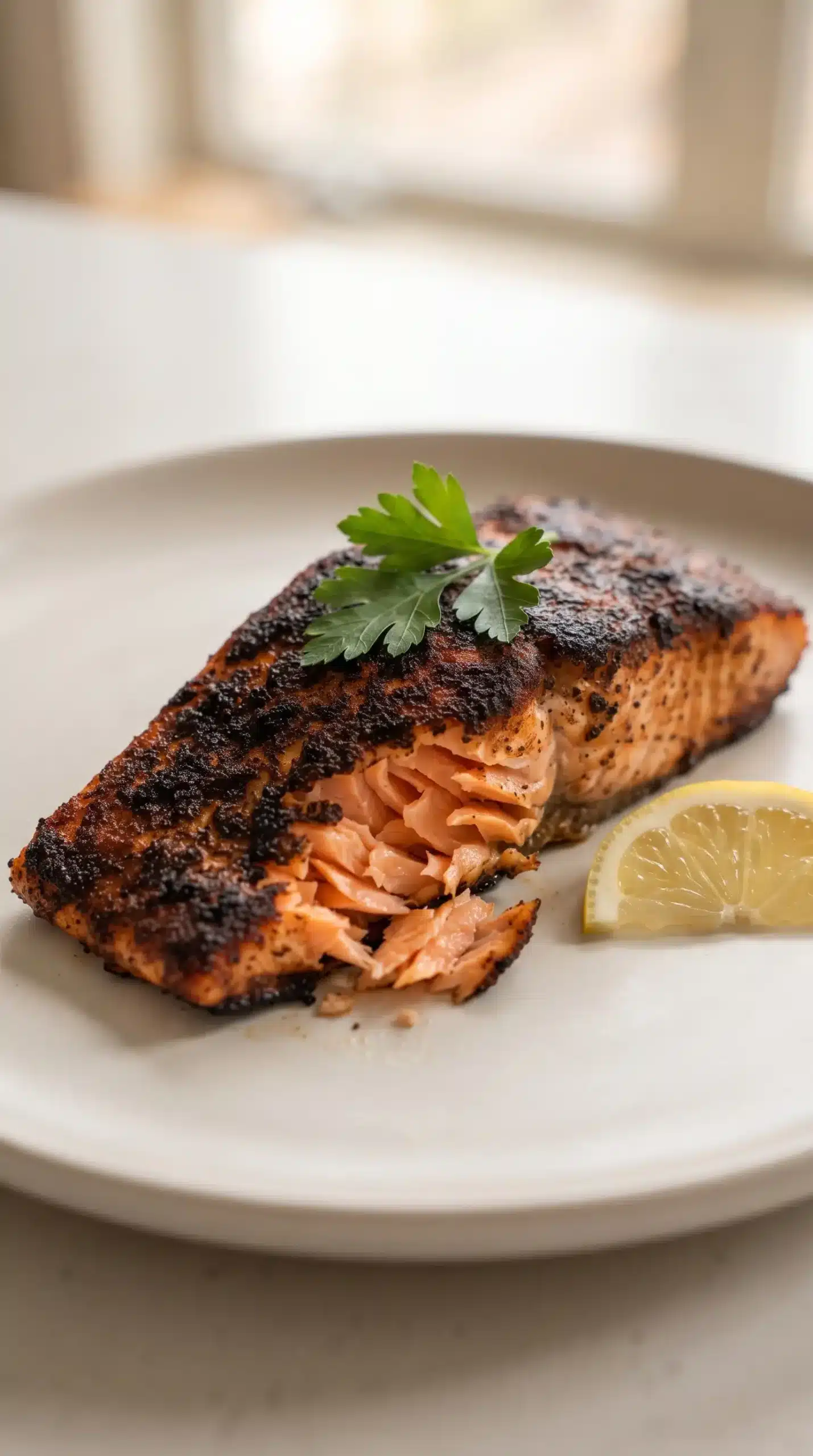
The appeal of blackened salmon comes from contrast. The seasoned exterior develops a slightly crisp, deeply flavored layer while the inside stays delicate and buttery.
The skin adds another layer of texture when cooked properly, while butter or avocado oil contributes richness that carries the spices across the surface.
Lemon juice and fresh parsley brighten the finished dish, preventing the bold seasoning from overwhelming the natural flavor of the fish.
Kitchen Tools That Support Better Searing
A cast-iron skillet is especially useful for achieving a strong crust because it retains heat effectively during high-heat searing. A stainless steel skillet can also work, but cast iron is especially effective for this style of cooking.
A fish spatula helps with flipping delicate filets without damaging the crust. Paper towels, a small mixing bowl, and a brush for spreading oil or butter also make preparation smoother.
A digital thermometer can be useful for cooks who want extra control over doneness, especially because salmon cooks quickly and can dry out when overdone.
Family-Friendly Adjustments Make the Dish More Flexible
Blackened salmon can be adapted for different spice preferences without losing its main appeal. Reducing or removing cayenne keeps the smoky seasoning while making the flavor gentler.
Serving the salmon over familiar foods such as rice or mashed potatoes can make seafood more approachable. Cutting cooked salmon into smaller pieces can also create easier portions for younger diners.
Cooling additions like avocado or mild sauces provide contrast for anyone who prefers less intensity from the seasoning.
Blackened Salmon Turns Simple Searing Into a Restaurant-Style Meal
Blackened salmon succeeds because the cooking process focuses on a few important decisions: a dry surface, a hot skillet, a generous spice coating, and careful finishing. Those choices create a smoky crust while preserving the tender texture that makes salmon satisfying.
The balance of toasted spices, buttery fish, and bright citrus gives this easy salmon dinner a distinctive character that works for quick weeknights and impressive gatherings alike.
Blackened Salmon Questions and Answers
Is blackened salmon burnt?
No. The dark exterior comes from toasted spices and browning during high-heat cooking. A properly blackened crust has deep color and smoky flavor without being burned.
Can I make blackened salmon with frozen fish?
Yes. Frozen salmon works when it is fully thawed and dried thoroughly before seasoning. Removing surface moisture helps the spice crust form properly.
How spicy is blackened salmon?
The heat level is moderate and can be adjusted by changing the amount of cayenne pepper. Reducing cayenne keeps the smoky flavor while lowering the spice.
What oil is best for blackened salmon?
Avocado oil is a strong option because it handles high skillet temperatures well. Butter is also useful when a richer flavor is preferred.
How do I know when salmon is cooked?
The fish is ready when it flakes easily with a fork and has a tender, moist texture. Avoid cooking longer than needed because salmon can dry quickly.
Blackened Salmon Recipe with Cajun Spice Crust and Lemon
Ingredients
Method
- Mix smoked paprika, ground cumin, garlic powder, onion powder, dried oregano, chili powder, cayenne pepper, salt, and black pepper together in a small bowl.
- Dry the salmon filets thoroughly with paper towels.
- Coat both sides of the salmon filets with melted butter or avocado oil.
- Apply the spice mixture evenly over both sides of the salmon filets, pressing it gently into the surface.
- Warm a cast-iron skillet over high heat until it begins to lightly smoke.
- Place the salmon in the hot skillet with the skin side facing down and cook undisturbed for 4 to 5 minutes.
- Turn the salmon carefully and continue cooking for another 3 to 4 minutes, until the crust has darkened and the fish flakes easily.
- Take the salmon off the heat, add lemon juice, and finish with chopped parsley.
- Serve the salmon when it reaches 145°F / 63°C internally for safe consumption.