Chicken Vegetable Stir Fry with Homemade Savory Sauce
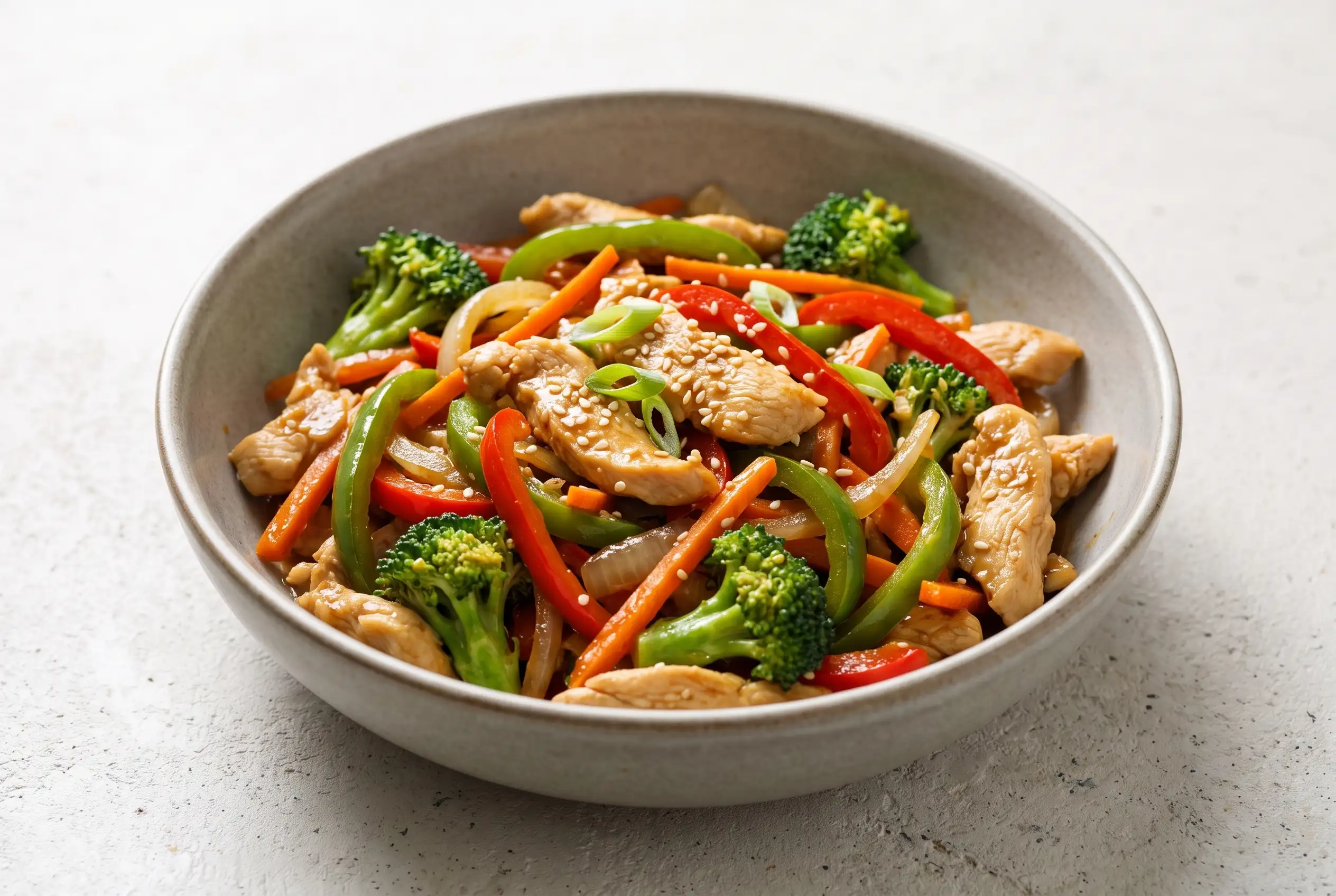
Chicken vegetable stir fry brings together tender chicken, colorful vegetables, and a glossy savory sauce in a fast homemade meal that captures the appeal of restaurant-style stir fry. With thinly sliced chicken, crisp vegetables, garlic, ginger, and a balanced soy-based sauce, this dish is designed for busy evenings when you want fresh flavor without complicated cooking.
A good chicken and mixed vegetable stir fry recipe depends on more than combining ingredients. The texture comes from careful preparation, high heat, a well-balanced marinade, and quick handling of vegetables. These details create an easy chicken stir fry dinner with juicy chicken, vibrant produce, and a sauce that coats every bite.
What Makes This Chicken Vegetable Stir Fry Stand Out
The appeal of this dish comes from the contrast between its main elements. The chicken is tender and lightly browned, the vegetables remain colorful with a crisp-tender texture, and the sauce adds savory depth with a touch of sweetness.
Unlike many takeout-style meals that rely on heavy sauces, this version uses a homemade mixture built around soy sauce, water, sugar, cornstarch, and sesame oil. The result is a glossy coating that enhances the ingredients while keeping the flavors balanced.
The flexibility also makes this 30 minute chicken stir fry easy to adapt. Different vegetables can be used depending on preference or availability, allowing the meal to fit into many weekly dinner plans.
The Chicken Tenderness Secrets Behind the Marinade

The chicken preparation is one of the most important parts of the dish. Thinly sliced boneless skinless chicken breast is combined with water, salt, cornstarch, oil, and a small amount of baking soda before cooking.
Baking soda helps tenderize the chicken, while cornstarch creates a protective coating that supports a soft texture during high-heat cooking. The marinade also helps the chicken absorb seasoning before it reaches the skillet or wok.
- Slice evenly: Thin pieces cook quickly and more consistently.
- Coat completely: Every piece should be covered with the marinade mixture.
- Allow time: A short resting period helps improve the final texture.
Chicken thighs can also be used when a richer flavor and extra juiciness are preferred. The cooking approach remains suitable because both cuts work well with stir fry techniques.
Vegetable Choices That Keep the Stir Fry Balanced
Mixed vegetables are a defining part of chicken vegetable stir fry because they provide color, texture, and variety. The vegetables should complement the tender chicken instead of becoming soft or watery.
| Vegetable option | Texture contribution | Best preparation approach |
|---|---|---|
| Broccoli | Firm bite | Brief blanching before stir frying |
| Carrots | Light crunch | Slice evenly for quick cooking |
| Snap peas | Crisp freshness | Keep cooking time short |
| Mushrooms | Tender texture | Cook until lightly softened |
Other suitable choices include bell peppers, bok choy, zucchini, baby corn, and other mixed vegetables. Frozen vegetables can also work well when convenience matters, while a vegetable pairing such as chicken breast with broccoli keeps the meal focused on lean protein and crisp produce.
Cooking Controls That Improve Stir Fry Results
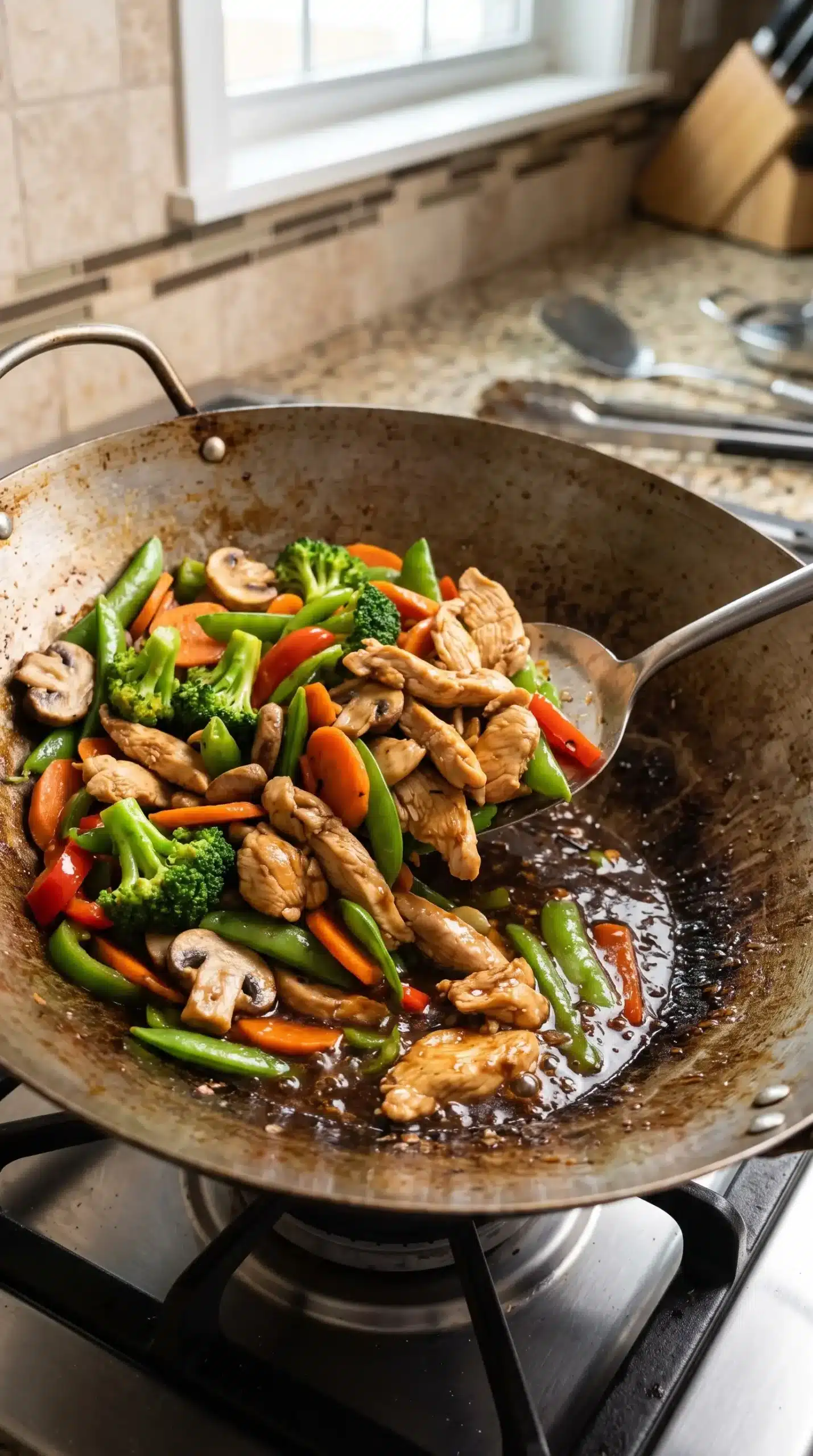
Stir fry cooking moves quickly, so organization has a major impact on the outcome. Having chicken, sauce, aromatics, and vegetables ready before heating the pan helps prevent overcooking.
High heat is essential because it encourages browning on the chicken and helps vegetables maintain their structure. A large skillet or wok gives ingredients enough space to cook properly.
The sauce should be whisked again before adding it to the pan because cornstarch settles quickly. Once heated, it thickens rapidly and creates the glossy finish associated with stir fry dishes.
| Cooking choice | Better result | Common issue avoided |
|---|---|---|
| Very hot pan | Better searing | Steamed chicken |
| Prepared ingredients | Smoother cooking flow | Overcooked vegetables |
| Late sesame oil addition | Stronger aroma | Lost fragrance from overheating |
Flavor Building With Garlic, Ginger, and Sauce
The sauce creates the connection between the chicken and vegetables. Soy sauce provides the savory foundation, sugar adds balance, and optional dark soy sauce contributes deeper color and flavor.
Garlic and ginger bring fresh aromatic notes that make the dish taste more vibrant. They only need brief cooking because prolonged heat can reduce their brightness and create unwanted bitterness.
Toasted sesame oil belongs near the end of cooking. Adding it after the sauce has coated the ingredients preserves its distinctive nutty aroma.
Mistakes That Can Ruin Chicken Vegetable Stir Fry
Several small errors can change the texture and flavor of the finished meal. Avoiding these problems helps maintain the qualities that make stir fry enjoyable.
- Crowding the pan: Too much chicken at once can lower the temperature and prevent proper browning.
- Overcooking vegetables: Long cooking times remove the crisp texture that balances the sauce.
- Skipping preparation: Stir fry requires quick decisions, so ingredients should be ready before cooking begins.
- Adding sesame oil too early: Heat can reduce its aroma before serving.
Cooking in batches when necessary and keeping the heat high are simple ways to avoid these common problems.
Serving Ideas for a Complete Dinner
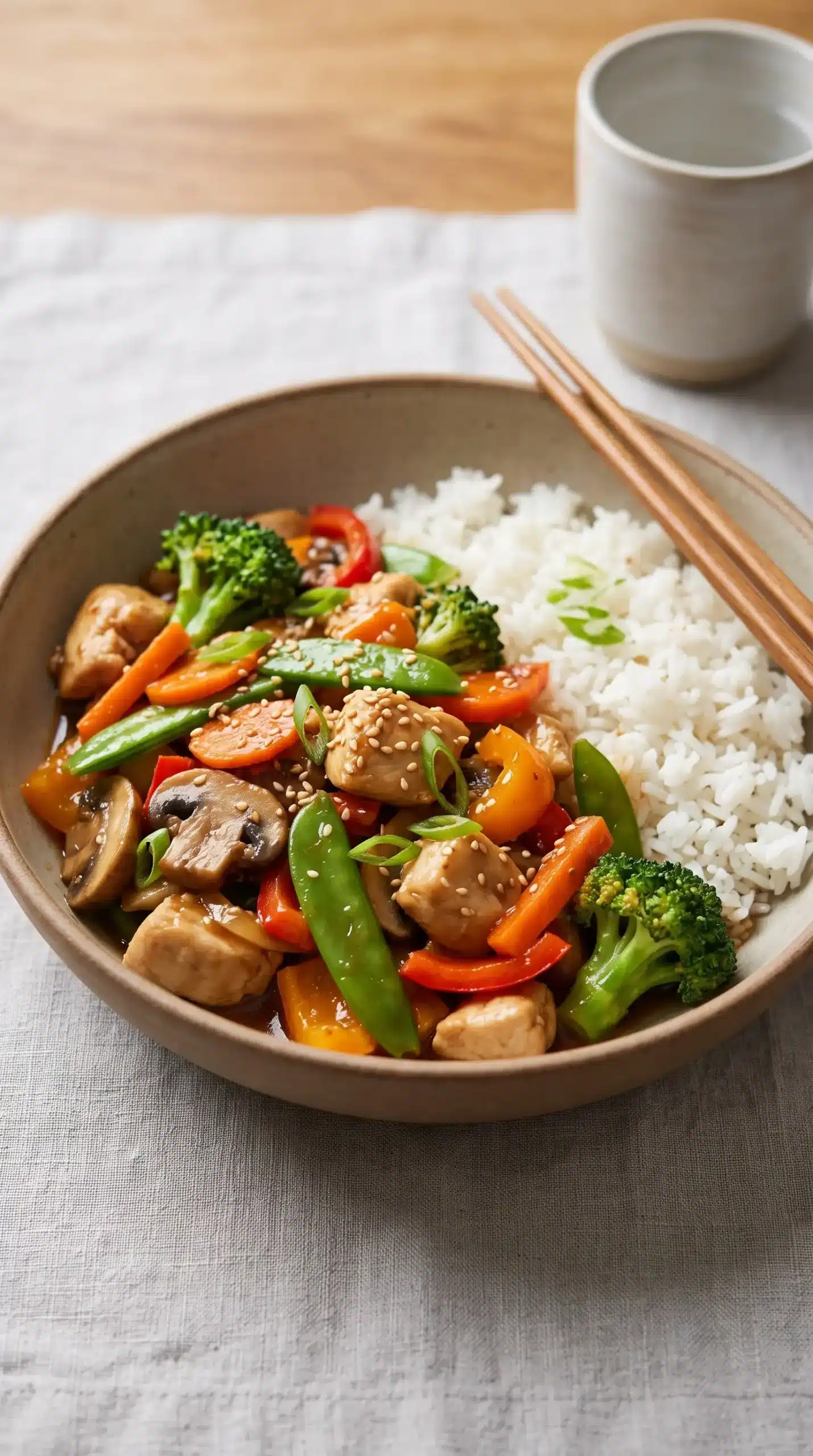
Chicken vegetable stir fry pairs naturally with filling sides that absorb the savory sauce. Rice and noodles both work well because they provide a soft base for the crisp vegetables and tender chicken.
- Steamed jasmine rice
- Brown rice
- Fried rice
- Lo mein noodles
- Rice noodles
- Cauliflower rice
Fresh toppings such as sesame seeds, sliced green onions, or chopped cilantro can add extra texture and color when serving.
Simple Adjustments for Different Preferences
The recipe can be customized while keeping its core balance intact. Spicy versions can include chili garlic sauce, sriracha, red pepper flakes, or fresh chilies.
Different proteins can also be used, including shrimp, beef, turkey, tofu, or tempeh. For gluten-free preparation, tamari or gluten-free soy sauce can replace regular soy sauce.
Vegetable combinations can change with the season or what is already available at home. This flexibility makes the dish practical for regular meal planning.
Storage and Meal Prep Options
Prepared portions can be stored for later meals when cooled completely and placed in airtight containers. Refrigerated cooked chicken leftovers keep for 3 to 4 days.
For longer storage, portions can be frozen in freezer-safe containers for up to two months. Gentle reheating in a skillet helps maintain texture, and a small splash of water or broth can loosen a thickened sauce.
Preparation can also happen ahead of time by slicing chicken, mixing sauce, chopping vegetables, and cooking rice before dinner. Keeping components separate makes cooking faster when the meal is needed.
Budget-Friendly Ways to Prepare the Dish
Chicken vegetable stir fry works well for affordable meal planning because the ingredients are flexible. Chicken thighs may provide a lower-cost alternative to chicken breast, while frozen vegetables reduce waste and preparation time.
Rice helps stretch the meal further, and leftover vegetables can often be included successfully. Store-brand pantry items can also help control costs without changing the basic cooking process.
Fresh garlic and ginger provide strong flavor impact, making them useful ingredients to prioritize when choosing where to spend slightly more.
Tools That Support Better Stir Fry Cooking
A large wok or skillet is the most important piece of equipment because it provides the surface area needed for high-heat cooking. A sharp knife also matters because evenly sliced chicken cooks more reliably.
- Knife and board: Support consistent slicing and preparation.
- Mixing bowls: Keep marinade and sauce preparation organized.
- Whisk: Helps combine sauce ingredients smoothly.
- Spatula: Makes tossing ingredients easier during cooking.
A rice cooker, garlic press, or microplane grater can make preparation easier, but strong heat and organized cooking remain the most important factors.
Chicken Vegetable Stir Fry Delivers Balanced Homemade Comfort
The combination of juicy chicken, crisp vegetables, and a glossy sauce shows why chicken vegetable stir fry remains a dependable homemade dinner. Careful marinating, quick cooking, and thoughtful ingredient handling create the texture that defines a successful stir fry.
When the chicken stays tender and the vegetables keep their fresh bite, the meal delivers the satisfying balance of flavor, color, and convenience that makes it a reliable choice for busy nights.
Chicken Vegetable Stir Fry Questions and Answers
Can frozen vegetables be used without changing the dish?
Yes. Frozen mixed vegetables can simplify preparation and still work well in the stir fry. They should be cooked briefly so they heat through while keeping as much texture as possible.
Why does baking soda help the chicken texture?
Baking soda helps tenderize the chicken during marinating, creating a softer texture that works especially well with quick high-heat cooking.
How can the sauce stay smooth after reheating?
Reheat gently and add a small splash of water or broth if the sauce becomes too thick. Stirring during warming helps bring back a smoother consistency.
Can chicken thighs replace chicken breast?
Yes. Chicken thighs are suitable for this dish and can provide a juicier texture with a slightly richer flavor.
What keeps the vegetables from becoming mushy?
Brief blanching followed by quick stir frying helps vegetables stay colorful and crisp instead of becoming overly soft.
Chicken Vegetable Stir Fry with Homemade Savory Sauce
Ingredients
Method
- Place sliced chicken breast, water, Shaoxing rice wine, kosher salt, baking soda, cornstarch, and 1 tablespoon neutral oil in a bowl and mix until the chicken is evenly coated; marinate for 15 minutes.
- Combine water, soy sauce, sugar, chicken bouillon powder, dark soy sauce, and cornstarch in a separate bowl, whisking until smooth, then set the sauce aside.
- Bring a pot of water to a boil, add the mixed vegetables, and blanch for about 2 minutes until slightly tender while remaining crisp; drain well.
- Heat oil in a large skillet or wok over high heat, arrange the marinated chicken in a single layer, and cook until browned and the chicken reaches 165°F / 74°C internally.
- Add the minced garlic and ginger to the skillet and cook briefly until fragrant.
- Add the blanched mixed vegetables back to the skillet and toss them with the chicken and aromatics.
- Whisk the prepared sauce again, pour it into the skillet, and stir continuously until it thickens and evenly coats the chicken and vegetables.
- Finish the stir fry with toasted sesame oil and serve.