Classic Lentil Soup with Vegetables and Rich Broth
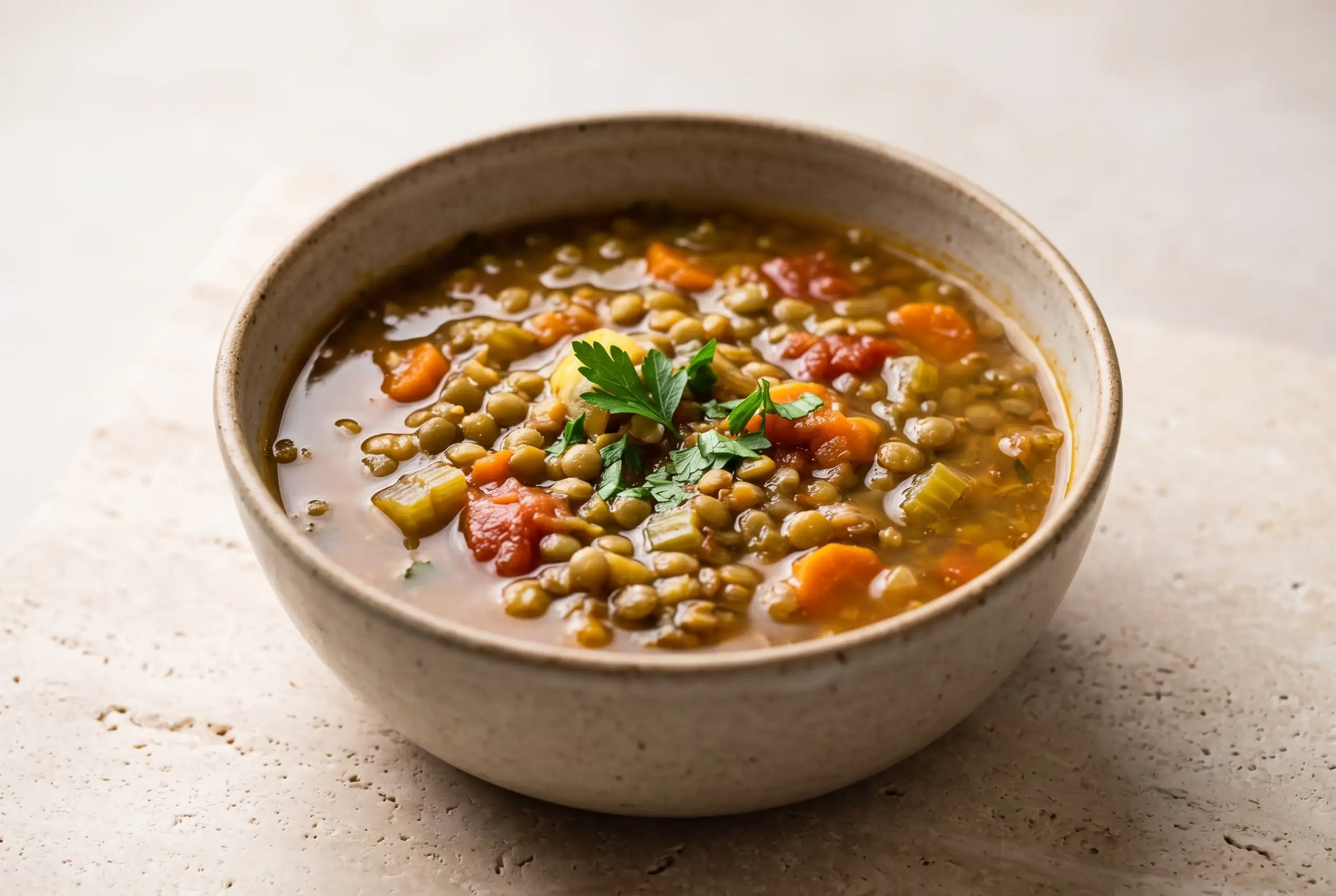
Classic Lentil Soup delivers the kind of comfort that comes from tender lentils, savory vegetables, and a richly seasoned broth coming together in one satisfying bowl. This easy lentil soup recipe uses simple pantry staples to create a hearty vegetarian meal with earthy flavor, balanced texture, and the warmth people look for in a homemade soup.
The combination of green lentils, carrots, celery, tomatoes, garlic, and spices creates layers of flavor without complicated preparation. Each spoonful offers a filling texture that works for relaxed dinners, make-ahead lunches, and cozy meals when simple ingredients are needed.
Why Classic Lentil Soup Belongs in Cozy Cooking
Lentils have a natural ability to create satisfying meals because they become tender while releasing starch into the cooking liquid. That process helps build a naturally rich broth that feels hearty without relying on cream or heavy additions.
Vegetable aromatics provide the foundation for the soup’s character. Onion, carrots, and celery soften together to create sweetness and depth, while tomato paste, crushed tomatoes, garlic, and spices add savory complexity throughout the simmer.
Comfort also comes from the balance of textures. The lentils maintain enough structure to keep each bite substantial, while softened vegetables create a smooth contrast. Fresh lemon juice and parsley added near the end lift the earthy flavors and keep the bowl tasting bright.
Lentil Choices Shape Classic Lentil Soup Texture
Green lentils are especially suited for Classic Lentil Soup because they become tender while holding their shape during cooking. Brown lentils provide a similar result, while red lentils create a softer, creamier consistency because they break down faster.
| Lentil Type | Texture After Cooking | Best Use |
|---|---|---|
| Green lentils | Tender with a hearty bite | Classic rustic soup texture |
| Brown lentils | Soft but still substantial | Everyday lentil soup variation |
| Red lentils | Smoother and creamier | Thicker blended-style soup |
Rinsing dried lentils before cooking helps remove dust or small debris and supports a cleaner finished soup. Choosing the right lentil variety changes the texture more than the overall flavor, allowing the same recipe foundation to create different styles of comfort.
Building Deep Flavor in a Vegetarian Lentil Soup Pot
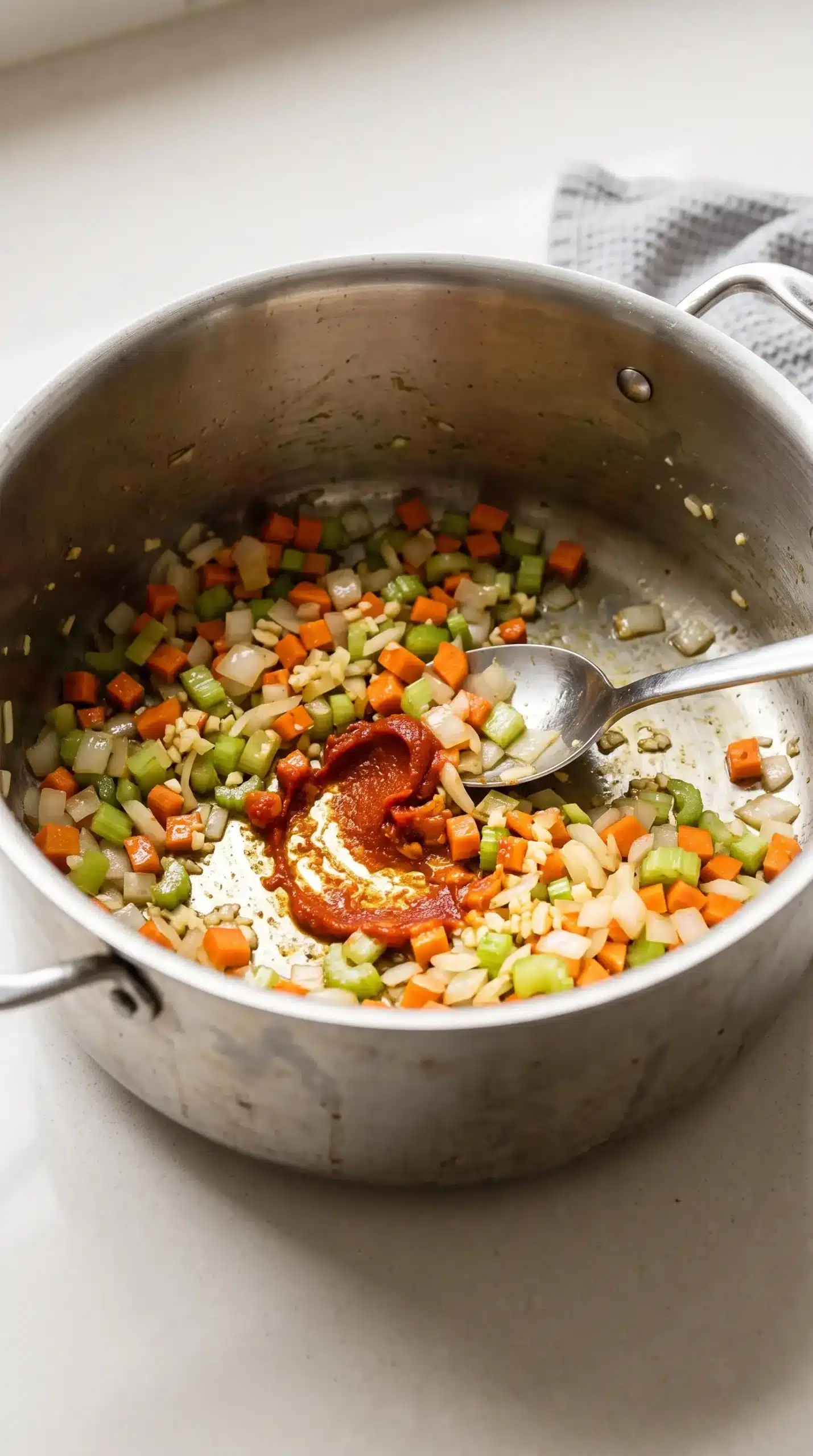
The flavor of a vegetarian lentil soup develops through small cooking decisions before the liquids are added. Softening onion first allows sweetness to emerge, while carrots and celery build the familiar savory base associated with traditional soups. Building depth from simple aromatics is also central to garlic and onion soup, where careful cooking brings out the richness of vegetable-based flavors.
Tomato paste deserves special attention because briefly cooking it with the vegetables concentrates its flavor. This short step creates a deeper savory character that supports the crushed tomatoes and broth added later.
Garlic, cumin, paprika, and Italian seasoning bring warmth that complements the earthy lentils. Smoked paprika can shift the flavor toward a subtle smoky profile, while the original seasoning blend keeps the soup balanced and approachable.
A finishing touch of lemon juice changes the overall impression of the bowl. The acidity cuts through the richness of the lentils and vegetables, while parsley adds freshness that contrasts with the deep simmered flavors.
Cooking Control That Keeps Lentils Tender
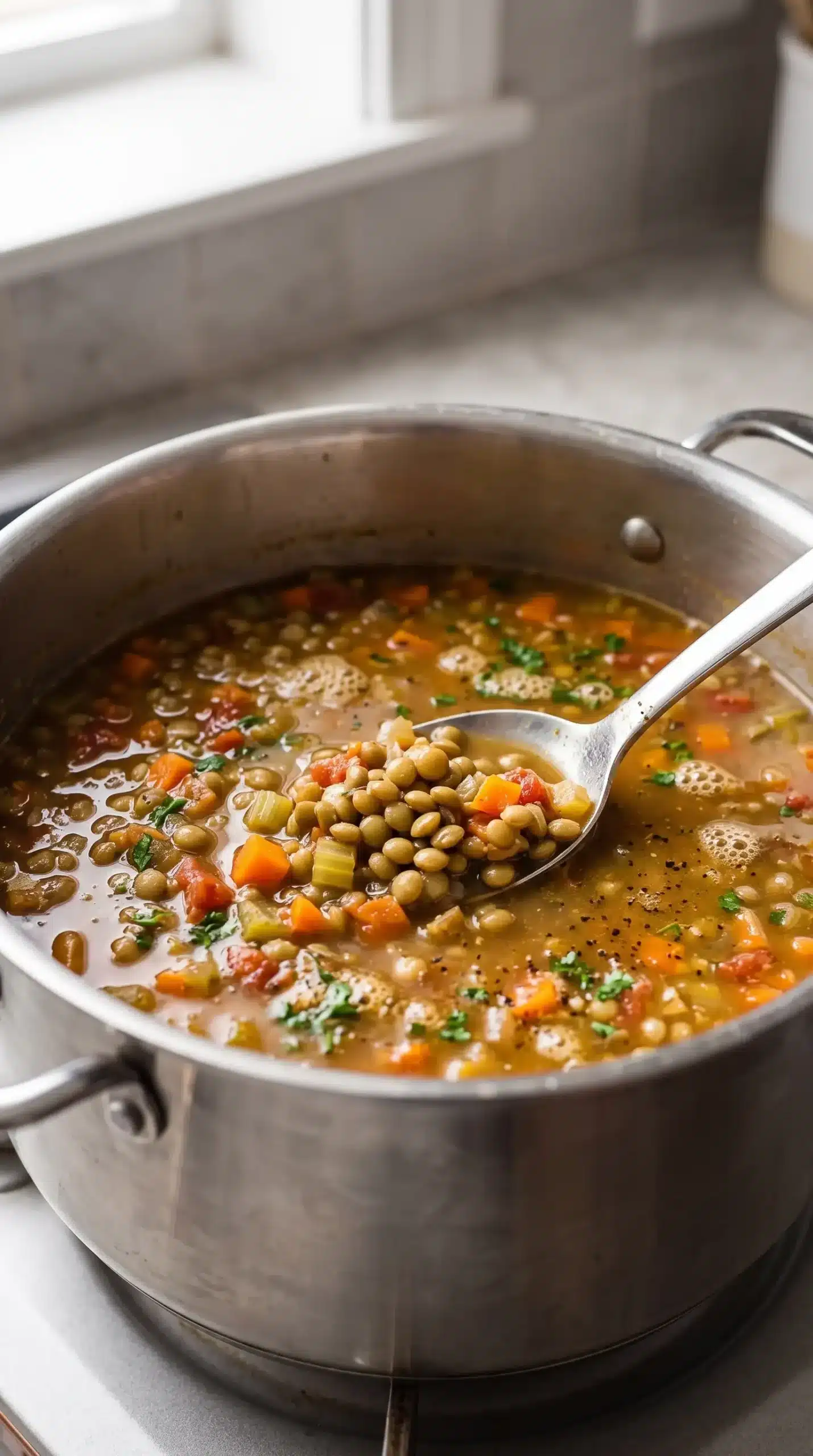
Gentle heat is one of the most important factors when preparing Classic Lentil Soup. A steady simmer allows lentils to soften evenly while protecting the vegetables from breaking down too quickly, and cooking lentils at a controlled simmer helps create a tender texture with reliable results. The recommended approach includes a step where you simmer lentils for 15 to 20 minutes after bringing them to a boil.
Stirring occasionally during cooking helps prevent ingredients from sticking while maintaining an even texture throughout the pot. Keeping the heat controlled also allows the broth to absorb flavor from every component.
Liquid balance changes as lentils cook because they gradually absorb broth and release starch. If the soup becomes thicker after resting, adding a little extra broth or water during reheating helps restore the preferred consistency.
Blending a portion of the finished soup is another way to adjust texture. This technique creates a creamier body while preserving some whole lentils and vegetables for contrast.
Classic Lentil Soup Mistakes That Affect Texture
Several small mistakes can change the outcome of Classic Lentil Soup. Avoiding these issues helps preserve the hearty texture and balanced flavor that make the dish dependable.
- Rapid boiling: Aggressive heat can soften vegetables unevenly and affect the soup’s rustic texture.
- Skipping tomato paste cooking: Adding liquids too soon can leave the paste without the deeper flavor developed through brief cooking.
- Adding lemon too early: Finishing with lemon keeps its bright character noticeable.
- Overcooking lentils: Excessive simmering can cause lentils to lose their satisfying bite.
Serving Ideas That Balance Hearty Lentils
Crusty bread, garlic toast, pita bread, and grilled cheese sandwiches pair naturally with Classic Lentil Soup because they complement the rich broth and provide a contrasting bite. Simple salads, roasted vegetables, or toppings such as olive oil, Parmesan, or extra parsley can also add variety.
Storage Habits Keep Classic Lentil Soup Ready
Cooling the soup completely before storage helps maintain quality. Airtight containers keep leftovers organized in the refrigerator and make reheating convenient for future meals.
Stored portions continue developing flavor as the ingredients rest together. The lentils may absorb additional liquid over time, so adjusting the consistency with broth or water during reheating can help return the soup to the desired texture.
Freezing works well for this soup because the hearty ingredients handle thawing and reheating effectively. Portioning containers before freezing makes it easier to enjoy individual servings when needed.
Meal Prep Approaches for Busy Soup Nights
Classic Lentil Soup fits naturally into meal preparation because the flavors remain satisfying after storage. Chopping vegetables ahead of time or preparing a larger batch can simplify future lunches and dinners without changing the character of the soup.
Variations That Change Classic Lentil Soup Naturally
The basic lentil and vegetable foundation allows several adjustments while keeping the comforting qualities of the original dish. Small additions can shift the flavor, texture, or level of heartiness.
- Extra vegetables: Spinach, kale, zucchini, or mushrooms can add more variety.
- Smoky notes: Smoked paprika or fire-roasted tomatoes can create deeper flavor.
- More protein: Shredded chicken or sausage can make the soup more substantial.
- Smoother consistency: Blending part of the pot creates a creamier texture.
These options allow the soup to adapt to different preferences while keeping the essential combination of lentils, vegetables, tomatoes, and spices intact.
Nutrition Strength Comes From Simple Ingredients
Classic Lentil Soup provides a naturally nourishing combination of plant-based protein, fiber, iron, potassium, and folate. Lentils create fullness, while vegetables contribute additional nutrients and variety to the meal.
Equipment Choices Support Smooth Cooking
A large soup pot or Dutch oven, sharp knife, cutting board, and sturdy spoon provide the main tools needed for preparing Classic Lentil Soup. An immersion blender can be useful when a creamier texture is preferred.
Timing Choices for a 40 Minute Lentil Soup
The cooking flow works best when preparation, flavor building, and simmering each receive attention. Organizing vegetables and lentils before cooking keeps the process efficient while allowing enough time for the broth to develop its full character.
Classic Lentil Soup Creates Comfort Through Balanced Simmering
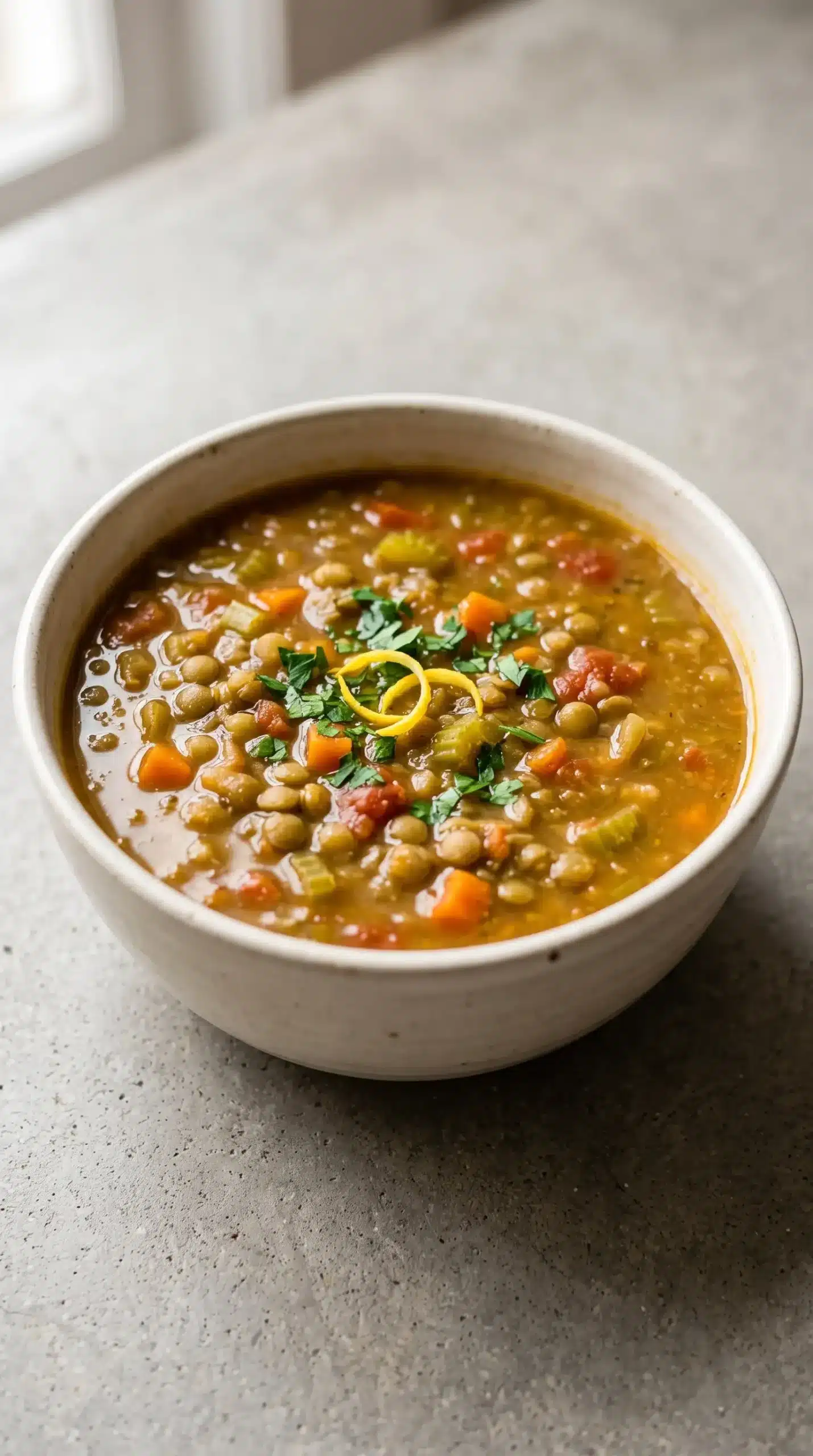
Classic Lentil Soup succeeds because tender lentils, softened vegetables, and a flavorful broth depend on careful balance. Gentle cooking protects the texture, while the combination of tomato, spices, lemon, and herbs keeps every bowl layered and satisfying.
The result is a reliable homemade meal built from affordable ingredients that delivers warmth through simple preparation and thoughtful cooking choices.
Lentil Texture and Storage Questions Answered
Can Classic Lentil Soup be made ahead?
Yes. Preparing the soup ahead allows the flavors to continue blending, and the texture can be adjusted with additional broth or water when reheating.
Why are green lentils recommended for this soup?
Green lentils are recommended because they soften during simmering while maintaining enough structure to create a hearty bite.
How can Classic Lentil Soup become thicker?
Blending a portion of the soup or allowing it to simmer uncovered can create a thicker consistency while keeping the remaining ingredients intact.
Can red lentils replace green lentils?
Red lentils can replace green lentils when a softer, smoother soup texture is preferred because they break down more quickly during cooking.
What helps keep the flavor balanced?
Adding fresh lemon juice near the end of cooking helps brighten the earthy lentils and balances the richness of the vegetables and broth.
Classic Lentil Soup with Vegetables and Rich Broth
Ingredients
Method
- Warm olive oil in a large soup pot over medium heat. Add the diced onion and cook for 2–3 minutes until softened.
- Add the sliced carrots and celery, then cook for 2 minutes. Mix in the tomato paste and continue cooking for another 2–3 minutes.
- Add the minced garlic, Italian seasoning, paprika, cumin, bay leaves, and black pepper. Cook for 1 minute to release the aromas.
- Add the rinsed green lentils, crushed tomatoes, vegetable broth, and water to the pot. Bring the soup to a boil.
- Lower the heat and simmer the soup uncovered for 25–30 minutes, stirring occasionally, until the lentils are tender.
- Take out the bay leaves, mix in the fresh lemon juice, and adjust the seasoning if needed.
- Serve the lentil soup warm and finish with chopped parsley on top.