Italian Pastina Soup with Parmesan Cheese and Broth
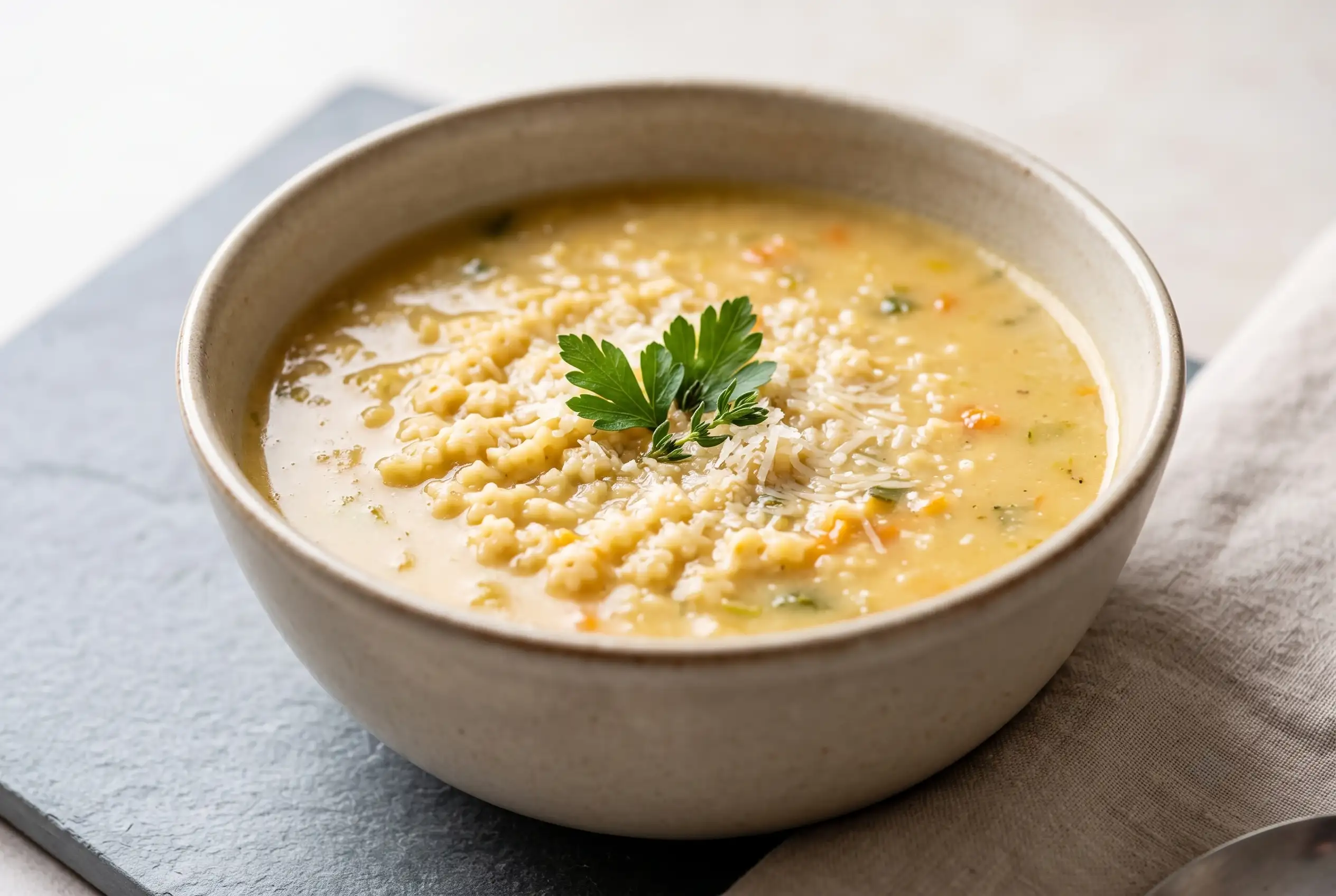
Italian Pastina Soup is a comforting bowl built around tiny pasta, tender vegetables, savory broth, and Parmesan cheese. The combination creates a smooth, cozy meal with a light texture that feels satisfying during cold days, busy evenings, or whenever simple homemade comfort is needed.
Blended vegetables give the broth a naturally silky consistency, while pastina adds the soft texture that makes this soup so recognizable. A balance of gentle flavors allows the vegetables, pasta, and Parmesan to work together without creating a heavy dish.
Italian Pastina Soup Builds Comfort From Simple Texture
The appeal of this 30 minute pastina soup comes from the way each element contributes to the eating experience. Tiny pasta absorbs the flavorful broth, creating a spoonful that combines softness, richness, and warmth in every bite.
Families often enjoy this style of soup because the smooth vegetable base feels approachable for different ages. The mild flavor profile makes it easy to serve as a comforting lunch, dinner, or soothing meal when a gentle dish is preferred.
| Feature | How it affects the soup | Reader benefit |
|---|---|---|
| Tiny pasta | Creates a soft, delicate texture | Every spoonful feels balanced |
| Blended vegetables | Adds body to the broth | Produces a smooth consistency |
| Parmesan cheese | Provides savory richness | Deepens the overall flavor |
The Broth Base Creates Silky Pastina Soup Flavor
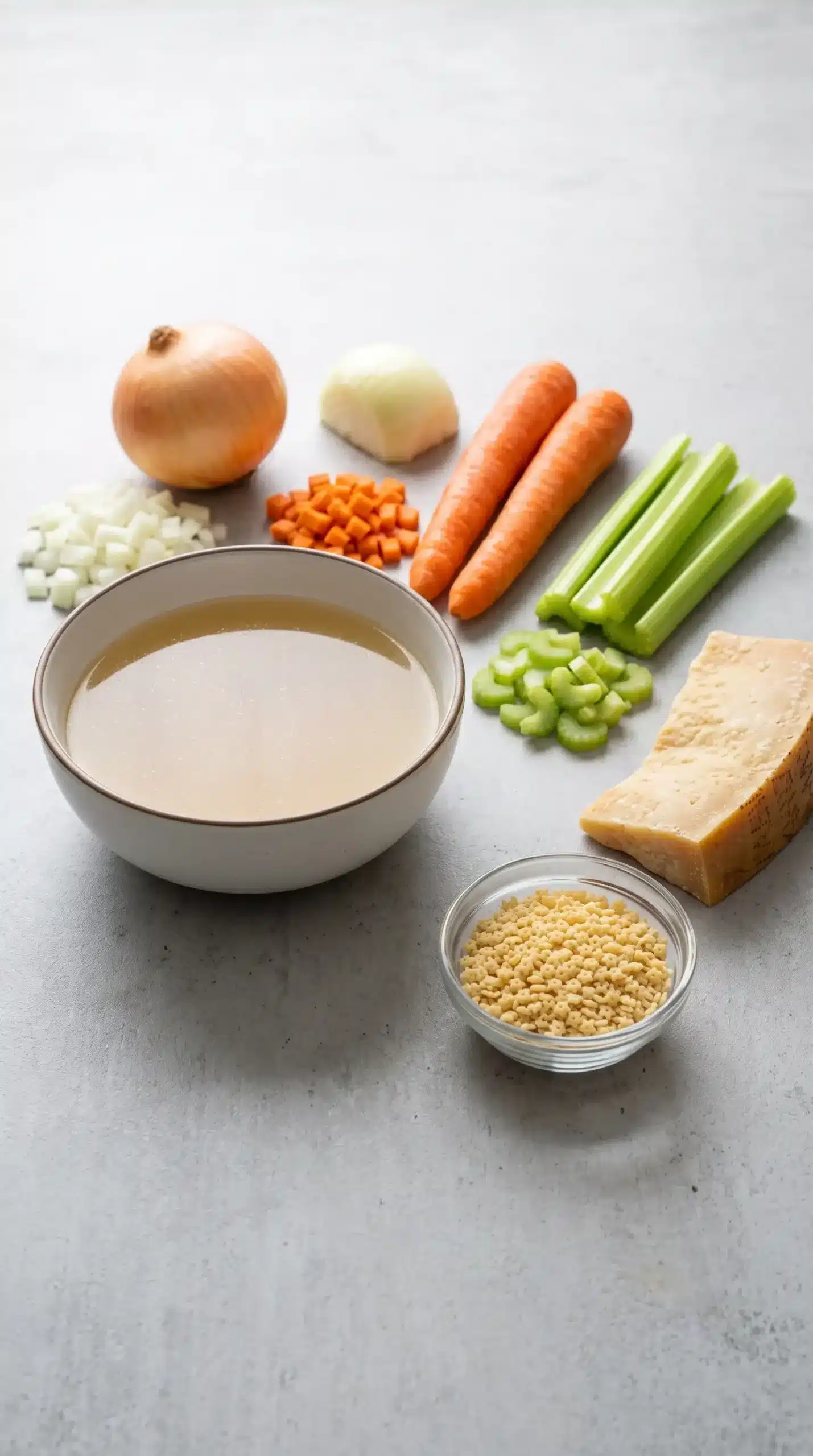
The vegetable foundation is where Italian Pastina Soup develops much of its character. Onion, carrots, and celery soften during simmering before being blended into the broth, creating a smooth base that carries the flavors throughout the bowl.
Parmesan rind plays an important role because it slowly releases savory depth while the broth cooks. This is a practical example of using Parmesan rinds to add cheese flavor to cooking while making use of leftover pieces.
Chicken broth creates a richer savory profile, while vegetable broth keeps the soup vegetarian-friendly. The choice of broth changes the character of the finished bowl while keeping the same comforting structure.
Choosing Pasta and Parmesan for Italian Pastina Soup
Pastina is the traditional choice because its tiny shape fits naturally with a light broth-based soup. When it is unavailable, stelline, acini di pepe, or orzo can provide a similar small pasta experience.
- Pastina: Offers the classic tiny pasta texture associated with the dish.
- Stelline: Provides small star shapes with a delicate bite.
- Acini di pepe: Adds tiny round pasta pieces throughout the broth.
- Orzo: Creates a slightly different but still suitable small pasta option.
Freshly grated Parmesan melts smoothly into the warm broth after cooking. Its salty, savory quality helps create the signature taste of a pastina soup with parmesan without requiring a complicated ingredient list.
Cooking Control Keeps Pastina Soup Smooth
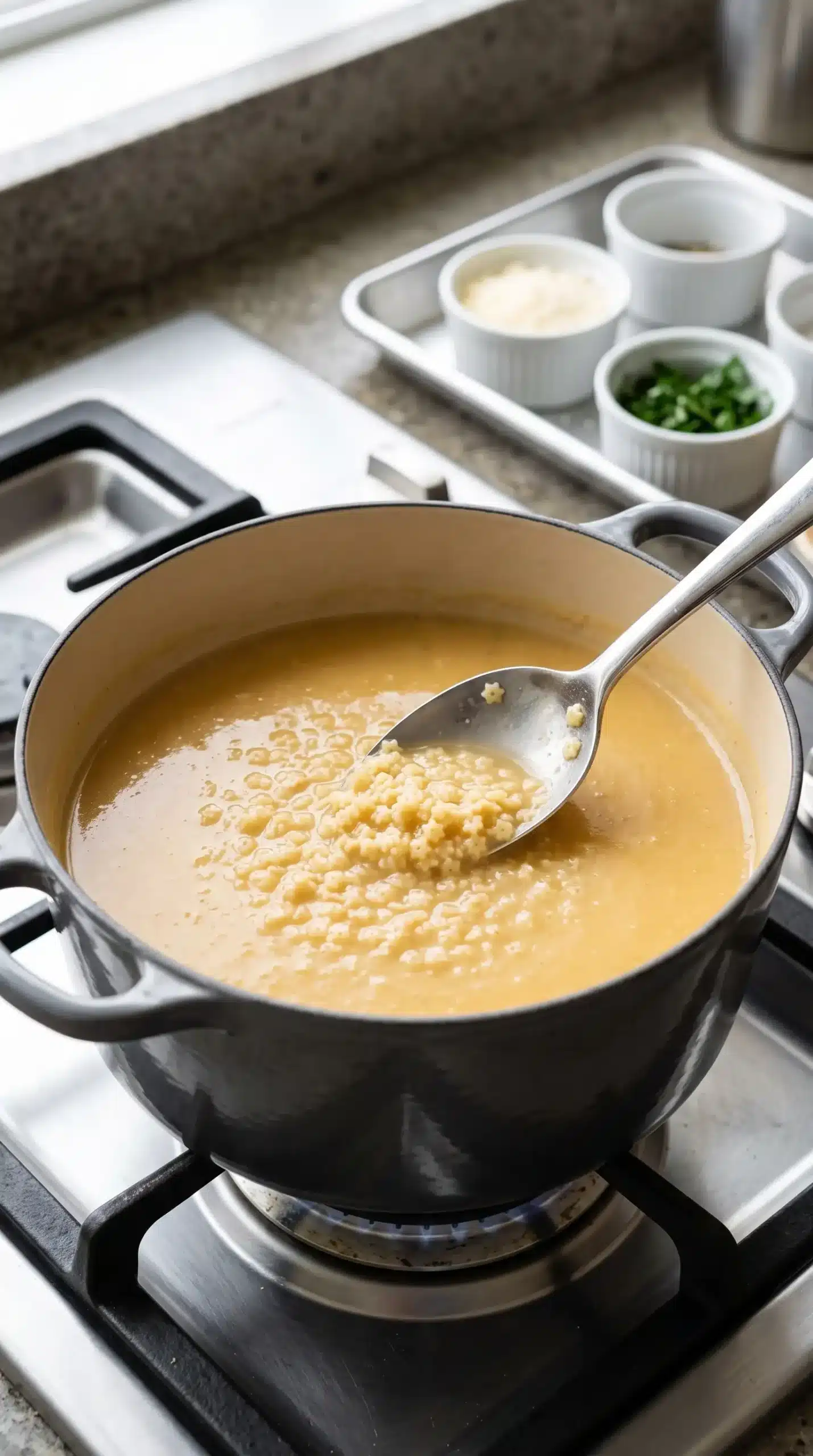
Gentle cooking is the key factor that protects the texture of Italian Pastina Soup. Vegetables need enough time to soften fully, while the broth benefits from steady simmering that allows flavors to combine evenly.
Blending hot vegetables requires care because steam can build pressure inside a blender. Working carefully with smaller amounts helps create the smooth texture that defines the soup.
Adding the pasta directly into the broth allows it to absorb flavor while releasing starch into the liquid. Stirring during the last minutes of cooking helps prevent the tiny pasta pieces from sticking together or settling on the bottom.
Common Italian Pastina Soup Mistakes to Avoid
Small details can change the result of Italian Pastina Soup. Avoiding a few common errors helps preserve the silky broth and tender pasta texture.
- Overcooked pasta: Cook pastina only until tender because small shapes soften quickly and can become overly thick.
- Missing Parmesan rind: Include the rind when available to build deeper broth flavor during simmering.
- Too little blending liquid: Add enough broth when blending vegetables so the puree becomes smooth.
- Early heavy seasoning: Taste before adding extra salt because Parmesan contributes natural saltiness.
- Rapid boiling: Keep the cooking gentle to maintain a smooth broth and tender vegetables.
Storage and Reheating Italian Pastina Soup
Leftover Italian Pastina Soup keeps well in an airtight container in the refrigerator. The pasta continues absorbing liquid as it rests, so the texture may become thicker over time.
Extra broth can restore the consistency when reheating. Gentle stovetop warming helps the soup return to a smooth texture without overcooking the pasta further.
Freezing is possible, although the pasta texture may soften after thawing. Allowing the soup to cool completely before freezing helps maintain the best quality.
| Storage method | Texture consideration | Helpful action |
|---|---|---|
| Refrigerator | Pasta absorbs broth | Add broth before reheating |
| Freezer | Pasta may soften | Restore moisture gently |
| Make-ahead base | Pasta stays fresher when added later | Cook pasta during finishing |
Family-Friendly Ways to Serve Italian Pastina Soup
The gentle texture of Italian Pastina Soup makes it especially suitable for family meals. Blended vegetables create a smooth broth, while tiny pasta pieces offer a familiar texture that many children enjoy.
Younger eaters may prefer a simpler bowl with less pepper or no spicy additions. Adults can customize individual servings with extra Parmesan, parsley, or additional seasoning after serving.
Small Changes for New Italian Pastina Soup Variations
Simple additions can adjust Italian Pastina Soup while keeping its comforting character. Shredded chicken can make the bowl heartier, while white beans add another option for extra substance.
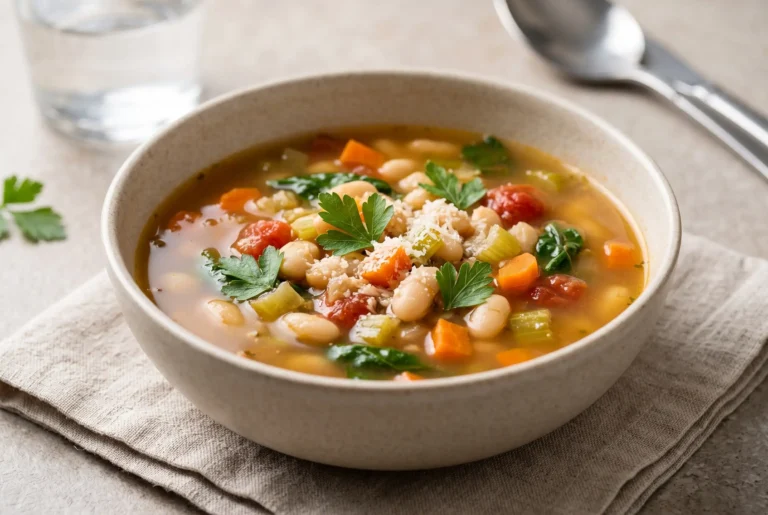
White beans can be simmered into the soup to create a heartier meal while keeping the broth-based comfort of Italian cooking. The combination of beans and small pasta is found in Pasta Fagioli soup, a classic Italian preparation built around those satisfying ingredients.
Greens such as spinach or kale can be stirred in near the end of cooking for additional color and variety. A small amount of milk or cream can also create a richer finish while maintaining the soup’s gentle nature.
For those who enjoy more warmth, red pepper flakes can introduce mild heat. These adjustments allow the soup to fit different preferences without changing its core identity.
Serving Ideas That Balance Italian Pastina Soup
Crusty bread, garlic toast, or simple crackers pair naturally with the soft texture of the soup. A crisp side adds contrast while keeping the meal focused on the warm broth and pasta.
A light green salad with lemon vinaigrette also complements the richness of the Parmesan and vegetables. For a more filling dinner, grilled cheese sandwiches or toasted paninis create a satisfying combination.
Texture Decisions That Shape Every Spoonful
The signature texture of Italian Pastina Soup comes from the relationship between the blended vegetables and tiny pasta. The broth stays fluid while the puree gives it enough body to feel comforting.
Pastina contributes a soft, delicate bite that blends naturally into the soup. Parmesan melts into the liquid and adds a smooth savory finish, while parsley provides a fresh contrast at serving time.
Budget Choices for Italian Pastina Soup
Affordable ingredients make Italian Pastina Soup practical for everyday cooking. Basic vegetables, broth, and small pasta create a flavorful meal without requiring expensive additions.
Using leftover Parmesan rinds can add depth while reducing waste. Store-brand broth and alternative small pasta shapes can also work well when preparing the soup on a budget.
Equipment Choices for Better Soup Preparation
A large soup pot and a blender or immersion blender are the main tools needed for creating the smooth texture of the dish. Careful blending and gentle cooking have the biggest impact on the final consistency.
A sharp knife, cutting board, ladle, and stirring spoon make preparation easier. These simple tools help manage vegetable preparation, simmering, and serving without unnecessary complications.
Italian Pastina Soup Delivers Comfort Through Simplicity
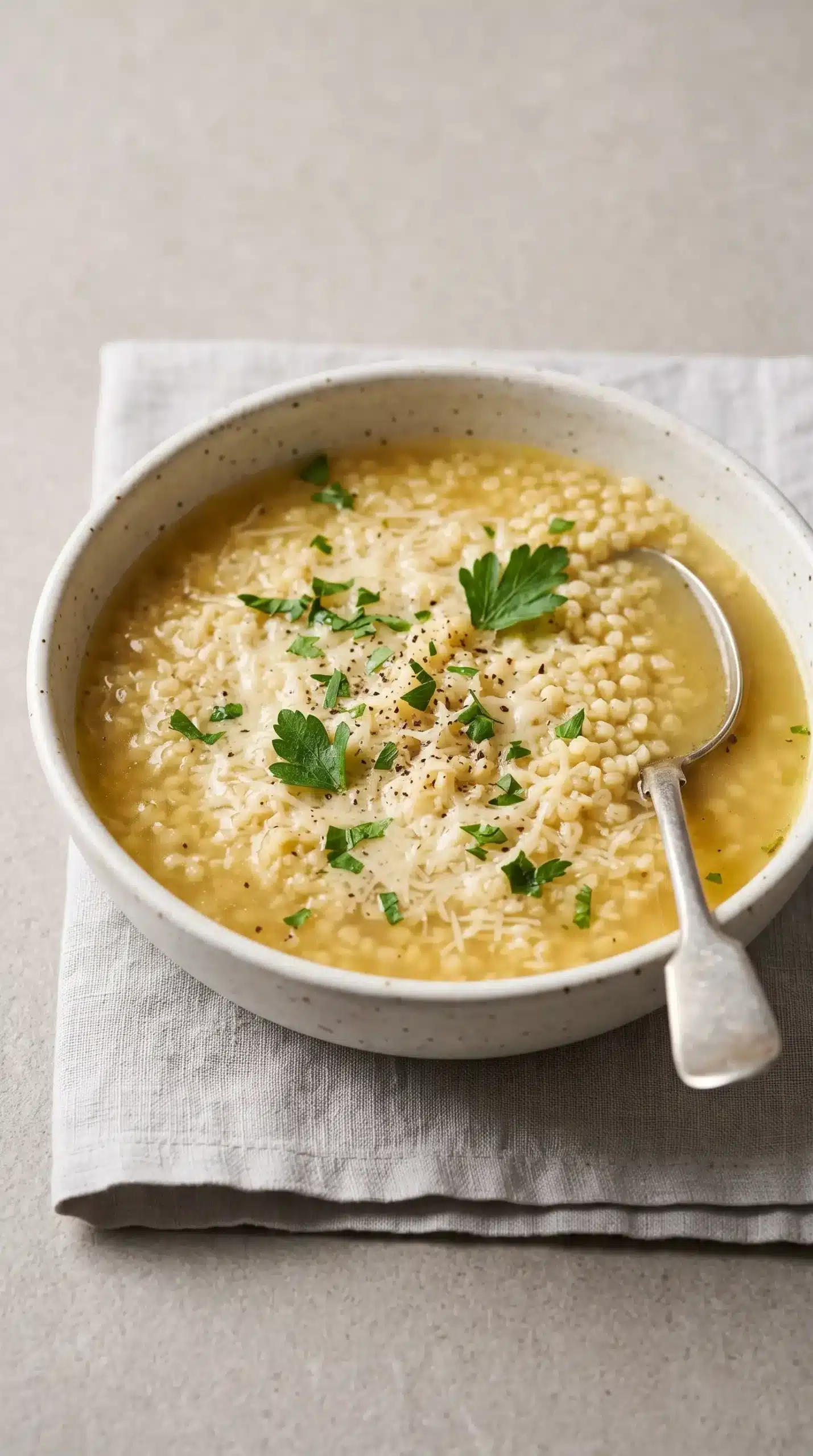
The silky broth, tender vegetables, tiny pasta, and Parmesan finish show how a small collection of ingredients can create a deeply satisfying meal. Careful attention to texture and gentle cooking keeps the soup balanced from the first spoonful to the last.
A warm bowl of Italian Pastina Soup succeeds because its comfort comes from harmony: the broth carries flavor, the vegetables create smoothness, and the pasta provides the familiar softness that makes this dish memorable.
Italian Pastina Soup Questions and Answers About Storage and Preparation
Can Italian Pastina Soup be made ahead?
Yes. The vegetable broth base can be prepared ahead and finished with pasta later, which helps preserve the best texture of the small pasta pieces.
Why does my pastina soup become thick after sitting?
The pasta naturally absorbs broth as it rests. Adding extra broth while reheating helps loosen the soup and bring back its smooth consistency.
Can I use a different pasta shape in Italian Pastina Soup?
Yes. Stelline, acini di pepe, and orzo are suitable alternatives when traditional pastina is unavailable.
Is Italian Pastina Soup vegetarian?
The soup can be vegetarian when prepared with vegetable broth instead of chicken broth.
How can I make the soup richer?
A splash of milk or cream after cooking can create a richer texture while keeping the broth-based character of the soup.
Italian Pastina Soup with Parmesan Cheese and Broth
Ingredients
Method
- Roughly chop the onion, carrots, and celery.
- Add the chopped onion, carrots, celery, broth, and Parmesan rind to a large soup pot and bring the mixture to a boil over high heat.
- Lower the heat, cover the pot, and simmer the vegetables and Parmesan rind for 15–18 minutes until the vegetables become tender.
- Lift the cooked vegetables from the pot with a slotted spoon and blend them with about 1 cup of broth until smooth.
- Stir the blended vegetables back into the soup pot, then add the pastina pasta.
- Cook the pastina in the soup for 7–9 minutes, stirring often, until tender.
- Remove the pot from the heat and mix in the grated Parmesan cheese.
- Season the soup with salt and black pepper to taste, then finish with chopped fresh parsley before serving.