Pasta Fagioli Classic Italian Soup with Cannellini Beans
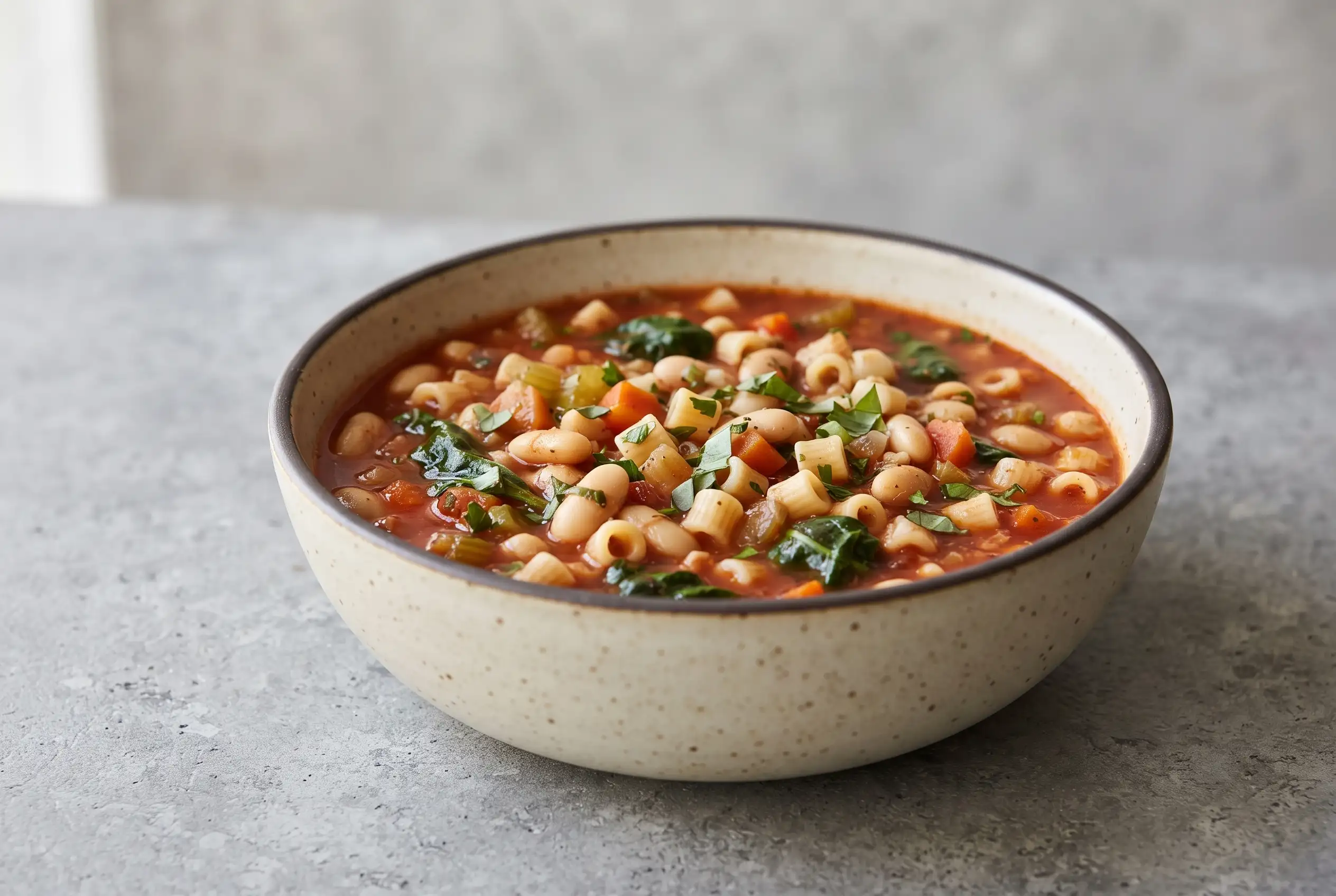
Pasta Fagioli is a comforting Italian bean soup with pasta that turns simple pantry ingredients into a deeply satisfying meal. Tender pasta, creamy cannellini beans, vegetables, tomatoes, and herbs create a rich bowl with rustic character and a cozy texture.
Built around affordable staples and straightforward cooking choices, this pasta fagioli recipe delivers the flavor people expect from a classic Italian soup while fitting easily into busy home cooking. The combination of beans and pasta creates a hearty meal that feels complete without complicated preparation.
Pasta Fagioli Builds Its Italian Soup Character
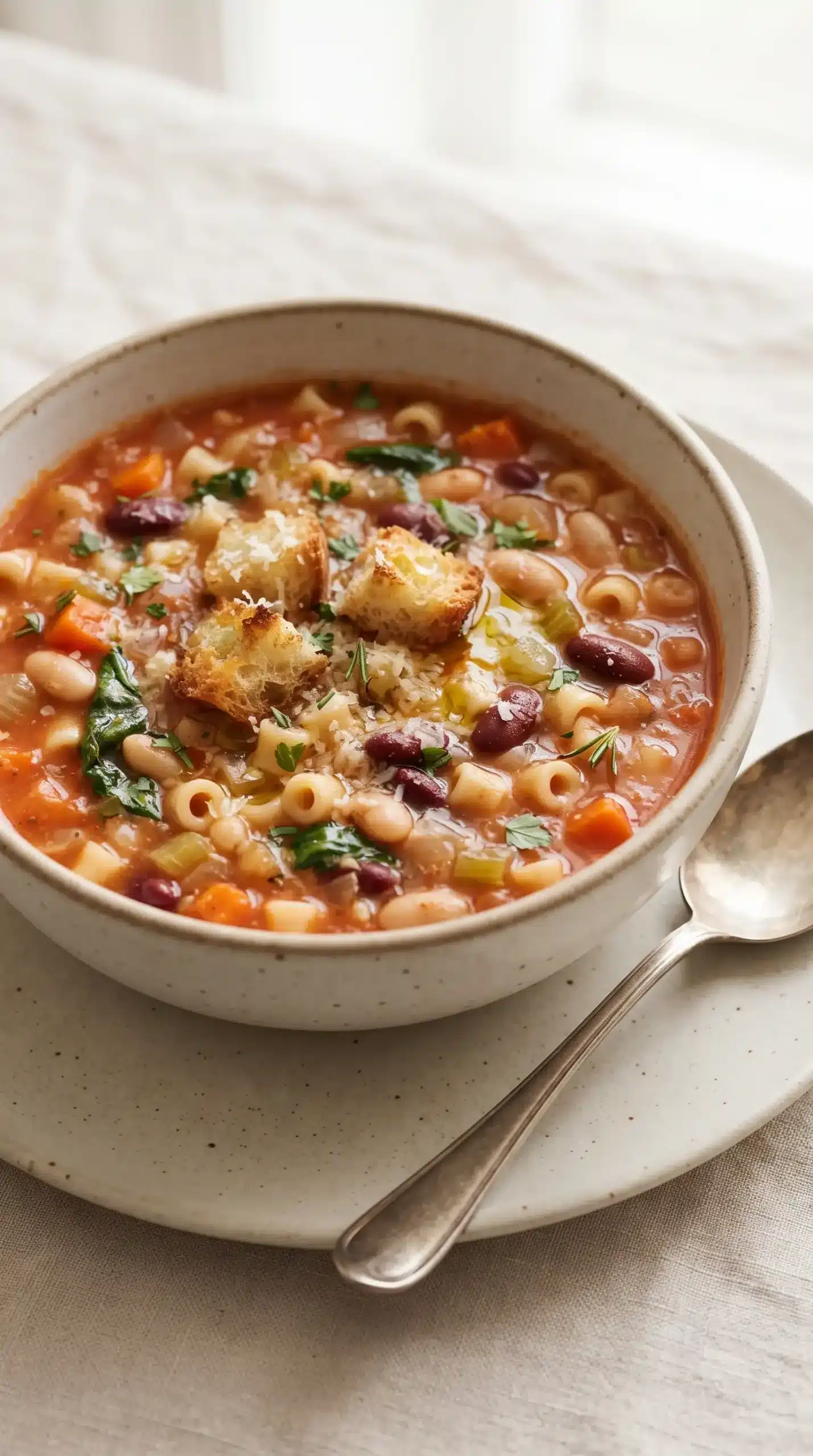
The personality of this soup comes from the way several simple elements work together. Tomato broth brings brightness, beans create body, and small pasta shapes make every spoonful feel substantial.
Italian cooking often relies on layering flavor from humble ingredients. Here, onion, carrot, celery, garlic, oregano, and basil create the savory foundation that supports the beans and pasta.
The finished bowl has a balance of textures that keeps it satisfying. Soft vegetables, tender pasta, creamy beans, and a flavorful broth combine into a meal that feels both rustic and carefully prepared.
Cannellini Beans Shape the Soup’s Creamy Texture
Cannellini beans are central to the character of Pasta Fagioli because they provide richness while keeping the soup hearty. Their soft texture blends naturally with the broth as they simmer, creating the creamy foundation found in comforting white bean soup recipes.
Some beans can be gently broken apart during cooking to help create a thicker consistency. This gives the soup a velvety feel while preserving the presence of whole beans throughout the bowl.
Other white beans can work when needed, including Great Northern beans, navy beans, or borlotti beans. Each option changes the texture slightly while maintaining the comforting bean-based structure.
Small Pasta Keeps Every Spoonful Balanced
Small pasta shapes are especially suited to this style of soup because they distribute evenly with the beans and vegetables. Ditalini, tubetti, and small shells all help create a consistent bite.
| Pasta choice | Texture result | Best use |
|---|---|---|
| Ditalini | Compact and traditional | Classic soup texture |
| Small shells | Holds broth well | A slightly fuller bite |
| Orzo or broken spaghetti | Softer, varied texture | Convenient substitutions |
Keeping pasta slightly firm helps maintain a pleasant texture because it continues absorbing liquid as the soup rests.
Soffritto Control Creates Deeper Flavor
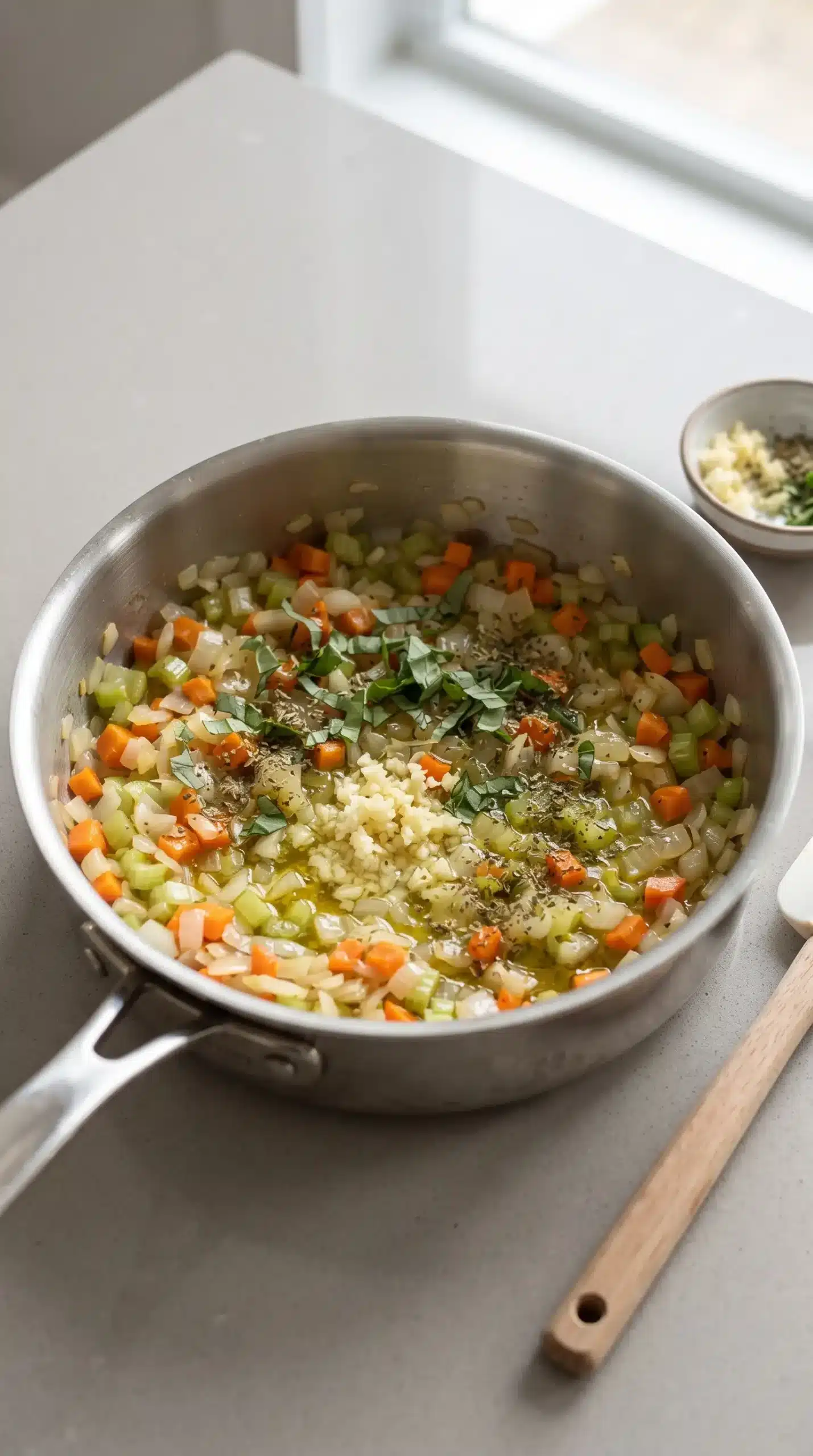
The most important flavor-building choice happens before the broth is added. A traditional Italian soffritto uses onion, carrot, and celery gently cooked in olive oil until softened, creating the savory sweetness that supports the soup.
Garlic, oregano, and basil benefit from a brief period in the oil as well. This step releases their aroma and helps the herbs become more noticeable throughout the broth.
Gentle cooking matters here. The vegetables should soften and become fragrant, creating a smooth base that blends with the tomatoes and broth instead of competing with them.
Pasta Fagioli Mistakes That Change the Result
Small choices can greatly affect the final bowl. Avoiding a few common problems helps maintain the balance between broth, beans, and pasta.
- Overcooked pasta: Keep the pasta slightly firm so it does not lose its texture as the soup sits.
- Missing soffritto: Skipping the softened onion, carrot, and celery base removes important depth from the soup.
- Thin flavor base: A weak broth can make the tomato and bean combination taste less developed.
- Too little liquid: Add extra broth or water when the pasta absorbs more than expected.
Careful attention to these details keeps the soup thick and satisfying without becoming heavy or uneven.
Cooking Choices Improve a 30 Minute Italian Soup
A successful 30 minute Italian soup depends on controlling texture during the cooking process. The pasta needs enough time to become tender while the beans should remain pleasantly intact.
Gentle simmering gives the ingredients time to combine. A rapid boil can make the pasta soften too quickly and can affect the structure of the beans.
Texture adjustments are simple once the soup is finished. If the consistency becomes thicker than desired, adding extra broth or water restores a looser, more soup-like texture.
Serving Ideas Complete the Italian Bean Soup With Pasta
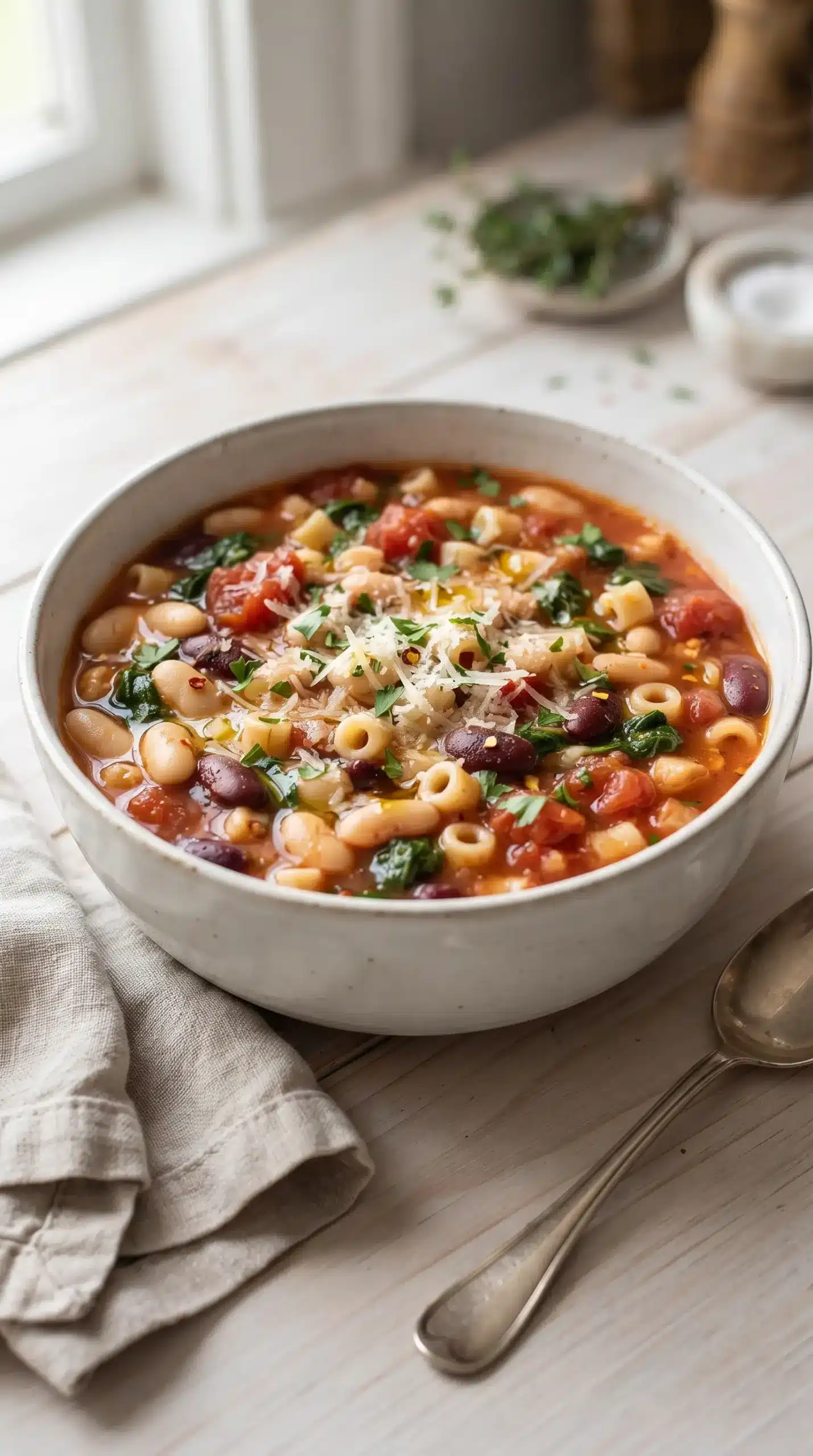
Italian bean soup with pasta works beautifully with toppings and simple sides that add contrast to its rich texture.
- Fresh finish: Parsley brightens the bowl with a fresh herbal note.
- Savory topping: Parmesan cheese adds extra richness and depth.
- Flavor boost: Olive oil drizzle or chili flakes add a finishing touch.
Crusty sourdough bread, garlic toast, focaccia, Caesar salad, and roasted vegetables all pair naturally with the soup.
Storage Keeps Pasta Fagioli Ready for Later
Cooked Pasta Fagioli can be stored in an airtight container for up to three days. The flavors often become even more blended as the soup rests.
Freezing works best when the pasta is left out. Adding freshly cooked pasta after reheating helps maintain a better texture.
When warming leftovers, gently heat the soup and add extra broth or water if the consistency has become too thick from the pasta absorbing liquid.
Family Adaptations Make the Soup Flexible
The mild, comforting flavors of this soup make it easy to adjust for different preferences. Smaller vegetable pieces or a smoother blended base can create a texture that younger eaters may enjoy.
Families looking for additional variety can customize the toppings or add extra ingredients while keeping the original character of the dish.
Useful additions include:
- Extra protein: Italian sausage, pancetta, ground beef, shredded chicken, or additional beans.
- Different vegetables: Kale, spinach, or seasonal vegetables can change the soup’s profile.
- Gentler flavor: Reducing chili flakes creates a softer version for sensitive palates.
Budget-Friendly Pasta Fagioli Stretches Simple Ingredients
Affordable pantry staples are one reason Pasta Fagioli remains popular. Beans, pasta, tomatoes, and vegetables create a filling meal without requiring expensive ingredients.
Canned beans offer convenience, while dried beans can reduce costs when prepared ahead. Store-brand pasta and everyday vegetables also work well because the soup relies on layered flavors instead of specialty products.
Texture Decisions Define the Finished Bowl
The appeal of this soup comes from contrast. The broth feels rich because pasta starch and beans naturally build body during cooking.
Vegetables contribute softness while tomatoes provide brightness. The result is a combination of creamy, tender, and fresh elements in one bowl.
Maintaining balance means watching how the pasta changes after cooking. Serving at the right texture keeps the soup satisfying from the first spoonful to the last.
Pasta Fagioli Proves Simple Ingredients Can Create Comfort
Pasta Fagioli succeeds because beans, pasta, vegetables, and broth each play a clear role in building a cohesive Italian soup. The most important cooking judgment is preserving the relationship between creamy beans, tender pasta, and a flavorful broth.
When the vegetables are softened properly, the herbs are given time to develop, and the pasta is handled carefully, this comforting soup becomes a reliable meal built from everyday ingredients.
Pasta Fagioli Questions About Storage and Texture
Why did my Pasta Fagioli become too thick?
The pasta continues absorbing broth after cooking and during storage. Add extra broth or water while reheating until the soup reaches the consistency you prefer.
Can Pasta Fagioli be made vegan?
Yes. The soup can be served without Parmesan cheese or finished with a plant-based alternative while keeping the beans, pasta, vegetables, and broth as the main components.
What pasta shape works best for Pasta Fagioli?
Small shapes such as ditalini, tubetti, and small shells work especially well because they spread evenly through the soup and create a balanced bite with the beans.
Can meat be added to Pasta Fagioli?
Yes. Italian sausage, pancetta, and ground beef can create a richer version while adding a more substantial flavor profile.
Should Pasta Fagioli be frozen with pasta included?
Freezing the soup without pasta helps protect the texture. Fresh pasta can be added after reheating for a better result.
Pasta Fagioli Classic Italian Soup with Cannellini Beans
Ingredients
Method
- Heat olive oil in a large pot over medium heat. Add the chopped onion, diced carrot, and diced celery, then cook for about 5 minutes until the vegetables soften.
- Stir in the minced garlic, dried oregano, and dried basil, and cook for 1 minute while mixing with the vegetables.
- Add the diced tomatoes with their juices and the vegetable broth to the pot, then bring the mixture to a gentle simmer.
- Add the cannellini beans and small pasta, then simmer gently for 10–12 minutes until the pasta is tender with a slight firmness.
- If desired, mash a small amount of the beans into the broth to create a thicker texture. Add extra broth or water if the soup becomes too thick.
- Season the soup with salt and black pepper, then serve hot with Parmesan cheese, fresh parsley, olive oil drizzle, or chili flakes if desired.