Beef and Onion Stir Fry with Savory Sauce and Rice
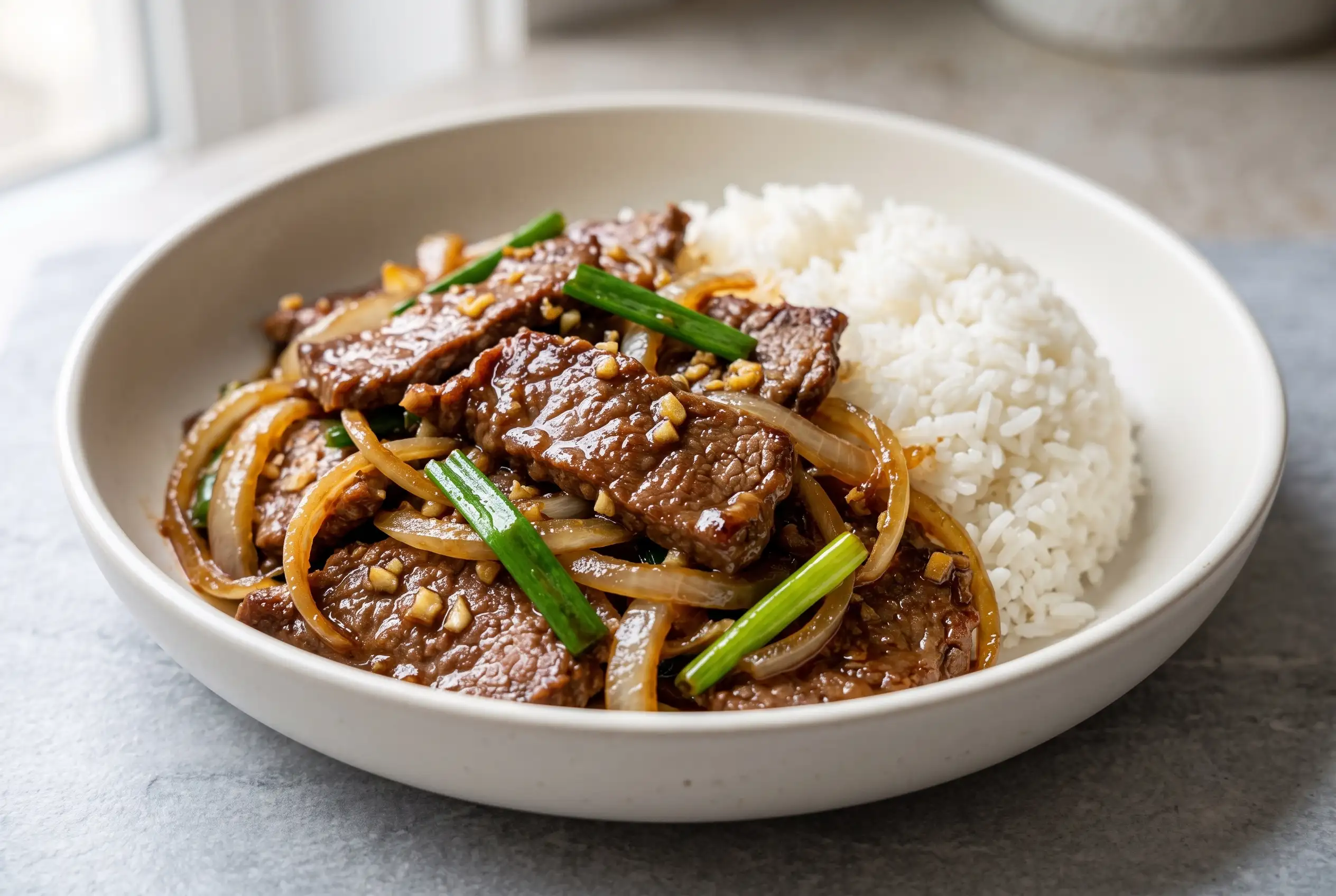
beef and onion stir fry brings together tender sliced beef, sweet onions, garlic, ginger, and a glossy savory sauce for a fast homemade dinner with restaurant-style appeal. The combination creates a comforting meal that delivers rich flavor without requiring complicated cooking techniques.
Created around simple pantry-friendly flavors, this Chinese beef and onion stir fry recipe turns everyday ingredients into a satisfying plate served with rice. The balance of caramelized onions, seasoned beef, and aromatic additions makes it a reliable choice for busy evenings.
The Balance Behind Beef and Onion Stir Fry Flavor
Sweet onions, savory sauce, and quickly cooked beef create the defining character of beef and onion stir fry. The onions soften into a lightly sweet element that complements the salty depth of soy sauce and oyster sauce, while garlic and ginger add warmth that makes each bite more layered.
Choosing Beef and Onion Details for Better Texture
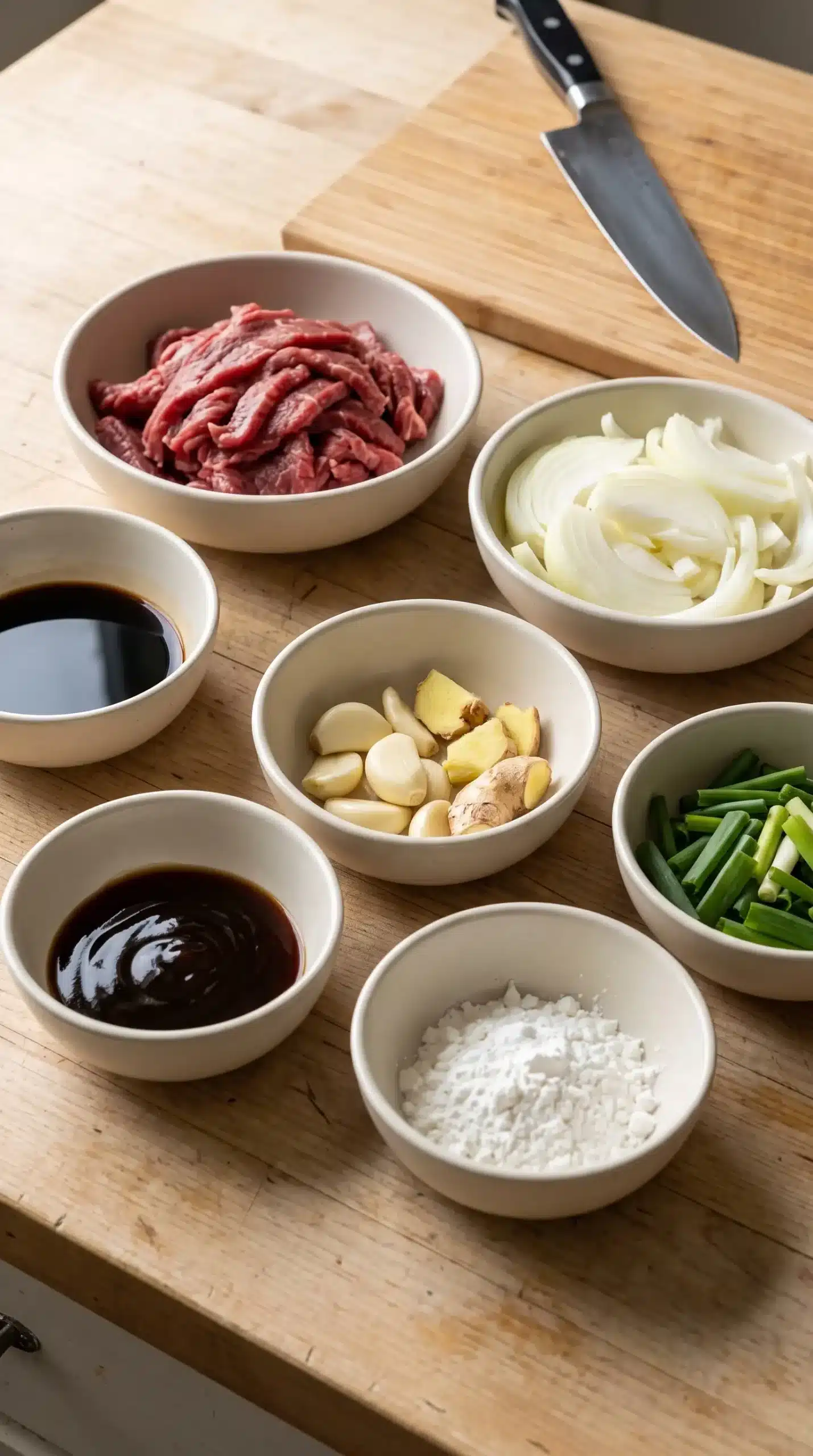
Selecting the right ingredients helps the dish reach its best texture. Sirloin is a strong choice because it cooks quickly while remaining tender, but flank steak, ribeye, or skirt steak can also work well when sliced thinly. slicing against the grain helps create easier-to-chew pieces.
Fresh aromatics make a noticeable difference in the sauce. Garlic and ginger provide the classic flavor foundation, while sliced onions contribute both structure and natural sweetness as they soften during cooking.
Several ingredient adjustments can fit different kitchens while keeping the character of the meal intact.
- Beef options: Use sirloin, flank steak, ribeye, or skirt steak depending on availability.
- Sauce swaps: Choose tamari when a gluten-free alternative to soy sauce is needed.
- Rice pairings: Serve with jasmine rice, white rice, brown rice, noodles, or cauliflower rice.
Stir Fry Control Points That Protect Tender Beef
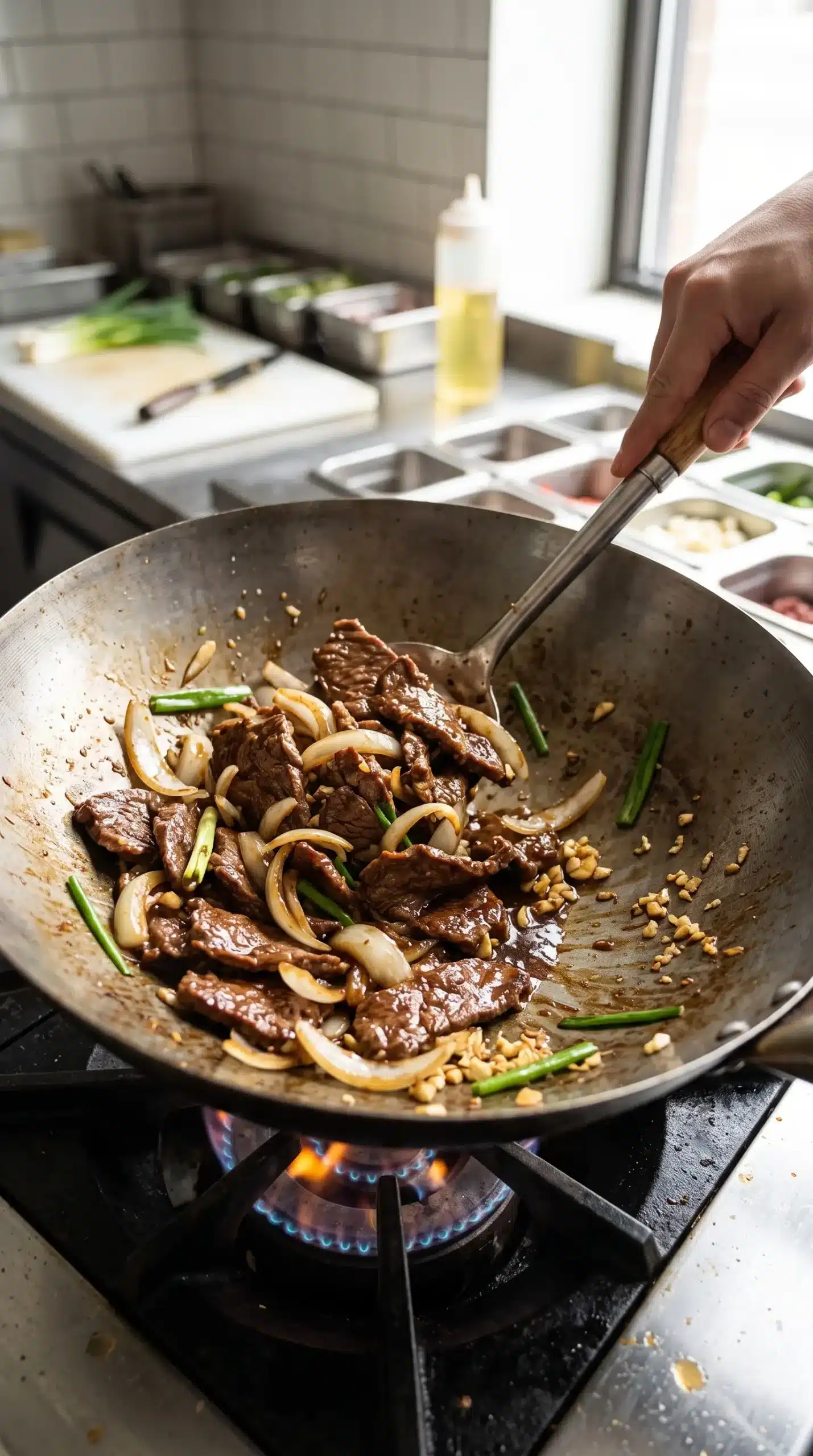
High heat is one of the most important parts of cooking Chinese beef and onion stir fry successfully. A hot skillet or wok helps the beef brown quickly and prevents excess moisture from creating a steamed texture.
Proper preparation also affects the finished result. A short marinade with soy sauce, oyster sauce, and cornstarch helps season the beef while creating a glossy coating when everything comes together.
Timing matters throughout the process. Beef needs only a quick sear before returning with the softened onions and aromatics, while garlic and ginger are added later so they release flavor without burning.
| Cooking choice | Helpful action | Result to look for |
|---|---|---|
| Beef preparation | Slice thinly against the grain | Tender pieces that cook quickly |
| Pan temperature | Use medium-high to high heat | Browned beef with better flavor |
| Onion cooking | Allow time to soften and lightly caramelize | Sweet, silky onion texture |
Chinese Beef and Onion Stir Fry Mistakes That Affect Results
Overcrowding the pan can reduce heat and prevent proper browning. Cooking in a crowded skillet often leaves beef without the seared texture that makes stir fry satisfying.
Overcooking thin slices is another common issue. Quick cooking keeps the beef juicy, while excessive time on the heat can make the texture chewy.
Adding garlic too early may cause bitterness because it cooks quickly. Keeping aromatics timed with the softened onions helps preserve their fresh flavor and keeps the sauce balanced.
Serving Ideas for Beef Onion Stir Fry with Rice
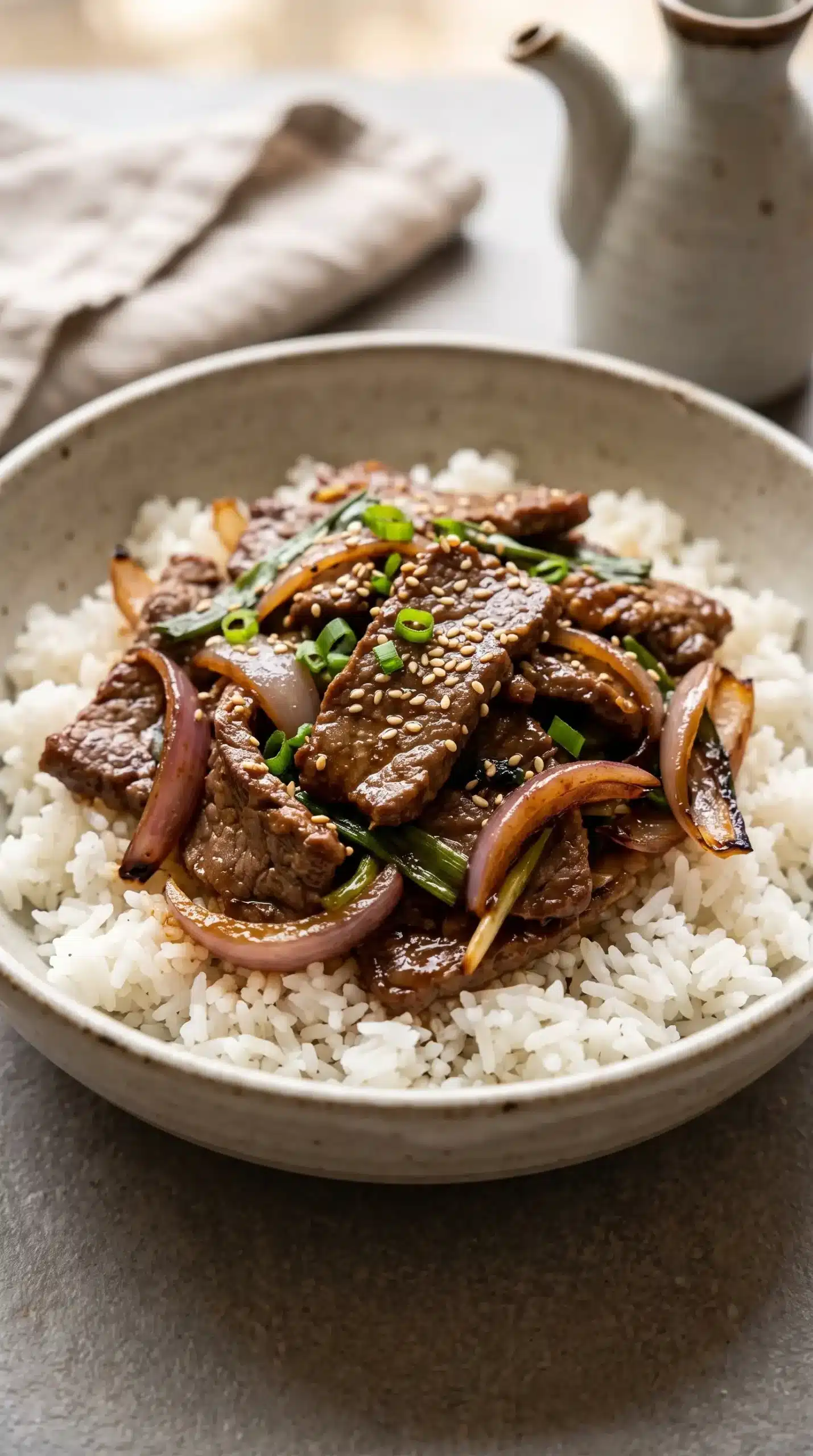
Steamed jasmine rice is a classic companion for beef onion stir fry with rice because it absorbs the savory sauce and balances the richness of the beef. Green onions, sesame seeds, and optional chili flakes can add freshness, crunch, or extra heat when serving.
- Jasmine rice for a traditional pairing
- Stir-fried noodles for a different texture
- Steamed broccoli or garlic green beans for vegetable sides
- Asian cucumber salad for a lighter contrast
Make Ahead Choices for Faster Weeknight Cooking
Advance preparation makes this 30 minute beef stir fry easier to manage during busy evenings. Beef can be sliced ahead, onions and aromatics can be prepared early, and sauce ingredients can be combined before cooking begins.
Prepared rice also helps shorten dinner assembly. Having cooked rice ready allows the stir fry to become the main focus once the skillet is heated.
Frozen vegetables can provide another convenient option when extra produce needs to be added quickly. Broccoli, carrots, peppers, snap peas, or mushrooms can expand the meal while keeping preparation simple.
Storage Methods That Preserve Stir Fry Quality
Leftover Chinese beef and onion stir fry can be stored in airtight containers in the refrigerator for up to three days. Keeping rice separate when possible helps maintain better texture during reheating.
Reheating Choices for Tender Leftover Beef
Gentle reheating helps preserve the texture of the beef and onions. A skillet over medium heat can warm the dish while refreshing the sauce, and a small splash of water can loosen the mixture when using a microwave.
Freezing is also possible for longer storage. Placing portions in freezer-safe airtight containers allows the stir fry to be kept for up to two months.
Careful reheating prevents the beef from becoming overly firm. Warm portions until heated through while avoiding unnecessary extra cooking time.
Family Adaptations for Chinese Beef and Onion Stir Fry
Families can adjust Chinese beef and onion stir fry easily for different preferences. Softer onions, smaller beef pieces, or a milder amount of garlic and ginger can make the meal more approachable for younger diners.
Serving ingredients separately can also help picky eaters build their own bowls. Rice, beef, and vegetables can be arranged individually so everyone can choose the combination they enjoy.
Additional vegetables such as carrots, peas, or bell peppers add color and variety. Mild vegetables pair naturally with the savory sauce while keeping the dish flexible for different tastes.
Budget Decisions for Homemade Beef Stir Fry
Affordable choices can keep homemade beef stir fry practical without losing its signature flavor. Sirloin works well, but thinly sliced flank steak or ground beef can provide lower-cost alternatives when needed.
Kitchen Tools That Improve Stir Fry Execution
A large skillet or wok is the key piece of equipment because quick high-heat cooking depends on a surface that handles fast movement. A sharp knife, cutting board, and sturdy spatula also make preparation smoother and more controlled.
Extra Variations That Suit Beef and Onion Stir Fry
Different additions can change the style of Chinese beef and onion stir fry while keeping the core flavors recognizable. Extra vegetables such as mushrooms, broccoli, cabbage, or snap peas add new textures, with Chinese beef and broccoli stir fry pairing tender beef with a vegetable-forward combination for a balanced dinner.
Heat lovers can mix in chili garlic sauce, sriracha, or red pepper flakes. These additions create a spicier version without changing the basic cooking approach.
Other proteins can also replace beef when desired. Chicken, shrimp, pork, or tofu provide different options while still pairing well with the savory sauce and onion base.
Chinese Beef and Onion Stir Fry Reaches Its Best Through Heat and Timing
Chinese beef and onion stir fry succeeds when tender beef, softened onions, and a glossy sauce come together at the right moment. Thin slicing, quick cooking, and careful seasoning create the texture that defines the dish.
The most important cooking decision is protecting the balance between browning and tenderness. A hot pan, properly prepared beef, and gently caramelized onions turn simple ingredients into a dependable homemade dinner.
Chinese Beef and Onion Stir Fry Questions About Tenderness and Storage
How do I keep the beef tender?
Slicing beef thinly against the grain and using a short marinade with cornstarch helps maintain a tender texture. Quick cooking over high heat also prevents the slices from becoming tough.
Can I make Chinese beef and onion stir fry gluten-free?
Yes. Using tamari or gluten-free soy sauce instead of regular soy sauce can adapt the sauce while keeping the savory flavor profile.
Which vegetables work well with this stir fry?
Broccoli, mushrooms, carrots, cabbage, bell peppers, and snap peas are suitable additions because they complement the beef, onions, and sauce.
Can I freeze leftover beef and onion stir fry?
Yes. Store cooled portions in airtight freezer-safe containers and use them within two months for the best quality.
What makes the sauce taste balanced?
The combination of soy sauce, oyster sauce, garlic, ginger, and naturally sweet onions creates a savory flavor with depth and gentle sweetness.
Beef and Onion Stir Fry with Savory Sauce and Rice
Ingredients
Method
- Place the sliced beef in a bowl with soy sauce, oyster sauce, and cornstarch. Toss until coated and allow the beef to marinate for 15 minutes.
- Warm 1 tablespoon vegetable oil in a large skillet or wok over medium-high heat.
- Add the marinated beef and stir-fry until browned and almost fully cooked, then transfer the beef out of the skillet.
- Add the remaining 1 tablespoon vegetable oil to the skillet and cook the sliced onions until softened and lightly caramelized.
- Stir in the minced garlic and ginger with the onions and cook for about 1 minute until fragrant.
- Return the beef to the skillet and toss everything together until the beef, onions, garlic, and ginger are evenly combined and heated through.
- Adjust the seasoning with salt and pepper if needed.
- Serve the beef and onion stir fry hot over steamed rice and finish with sliced green onions, sesame seeds, and optional chili flakes.