Butter Chicken Recipe with Smooth Tomato Cream Sauce
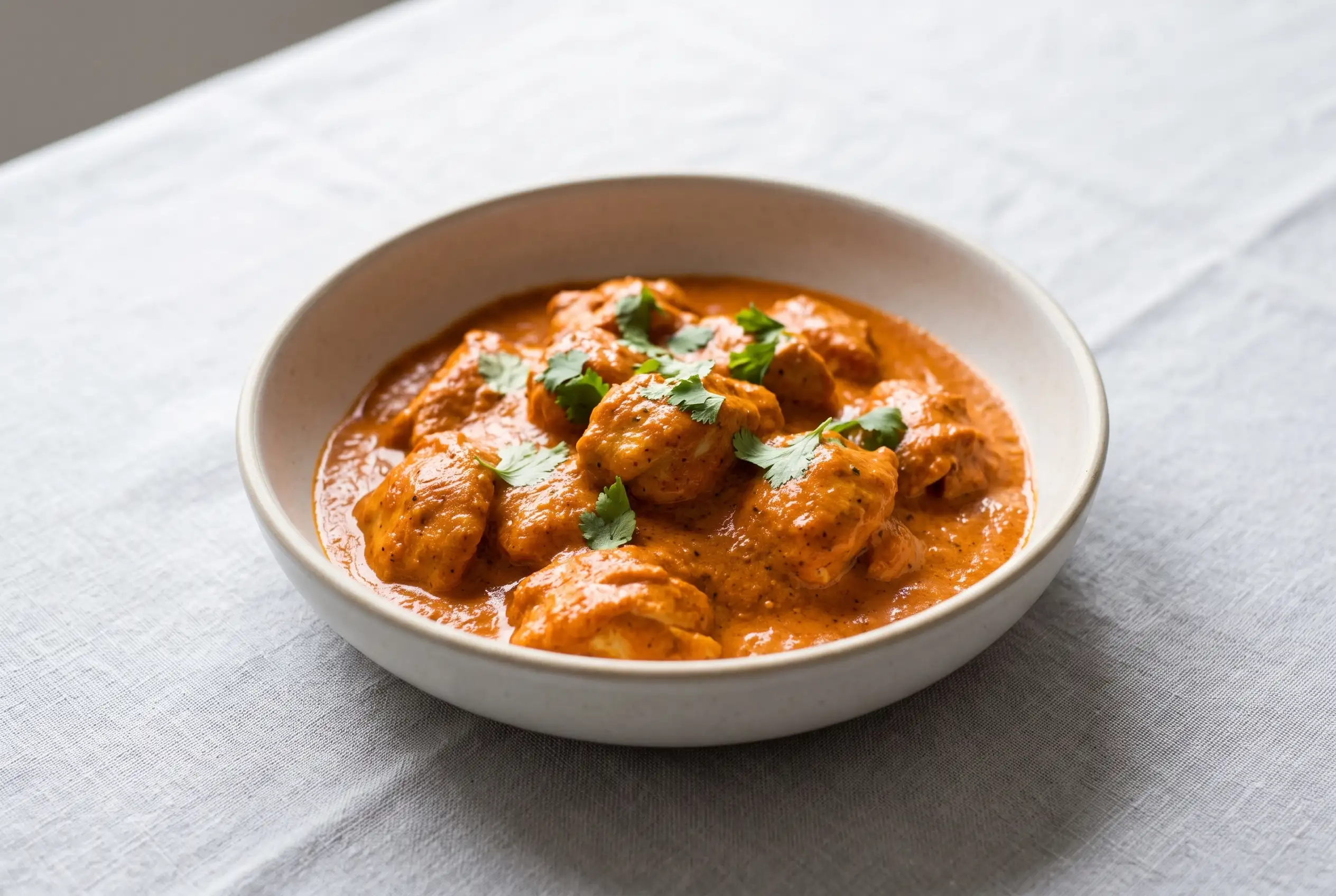
Butter chicken recipe fans can create a rich, comforting dinner with tender chicken, a smooth tomato cream sauce, and layers of warm spices. This homemade butter chicken brings together juicy marinated chicken, garlic, butter, garam masala, and gentle heat for a restaurant-inspired meal that works beautifully at home.
Busy evenings often call for meals that feel special without complicated preparation. A creamy butter chicken recipe delivers that balance by using familiar ingredients and a straightforward cooking approach that builds flavor through marination, browning, and careful simmering.
Why Butter Chicken Recipe Fits Busy Comfort Meals
Few chicken dinners offer the same combination of richness and simplicity as butter chicken. The dish centers on a creamy tomato sauce that coats each piece of chicken while warm spices create depth without making every bite intensely hot.
Modern home cooks appreciate this style of meal because the ingredients are accessible and the cooking process focuses on a few important choices. Marinating the chicken, softening the aromatics, and keeping the sauce smooth are the steps that shape the final experience.
Flavor Foundations Behind the Creamy Sauce
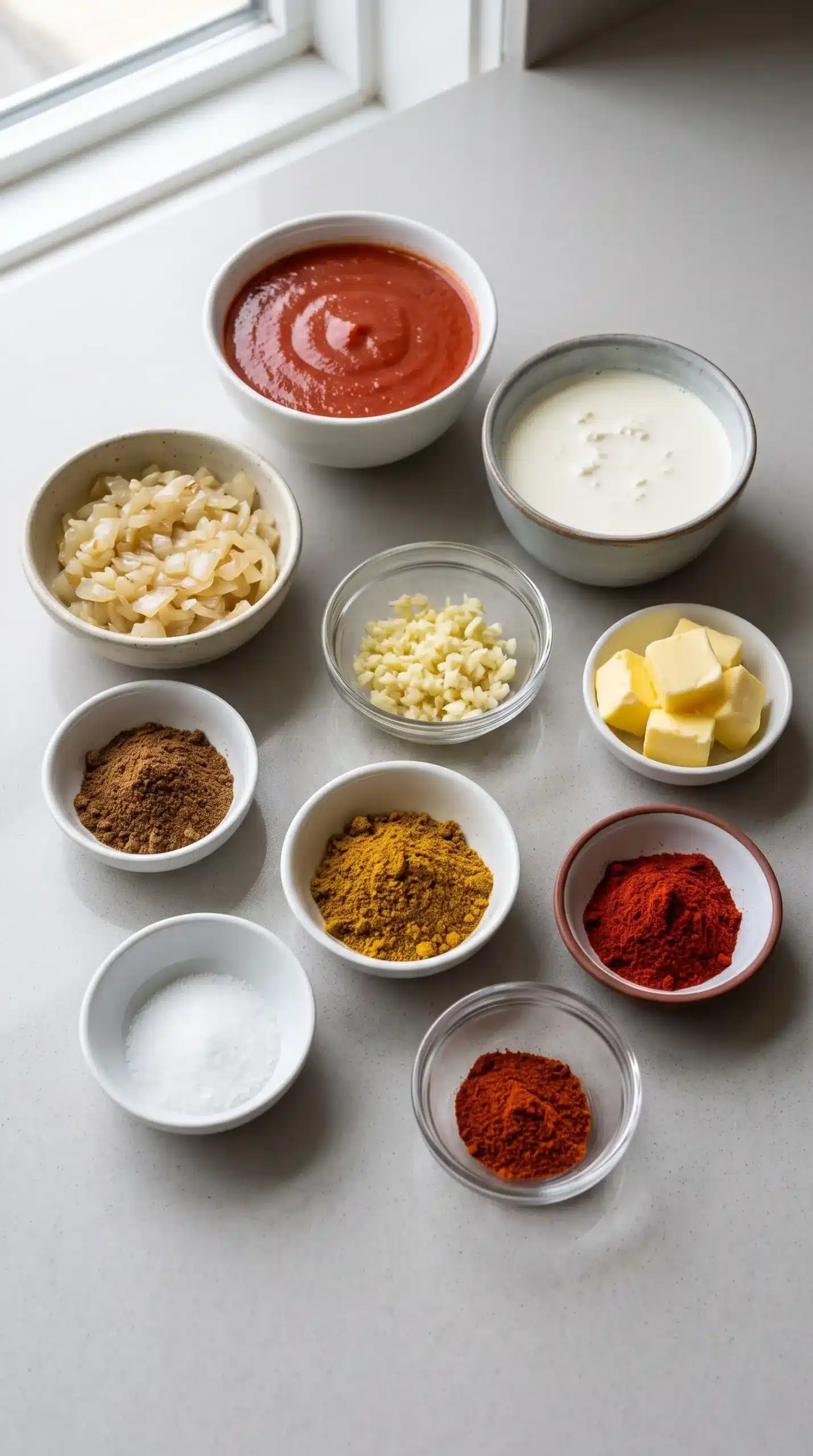
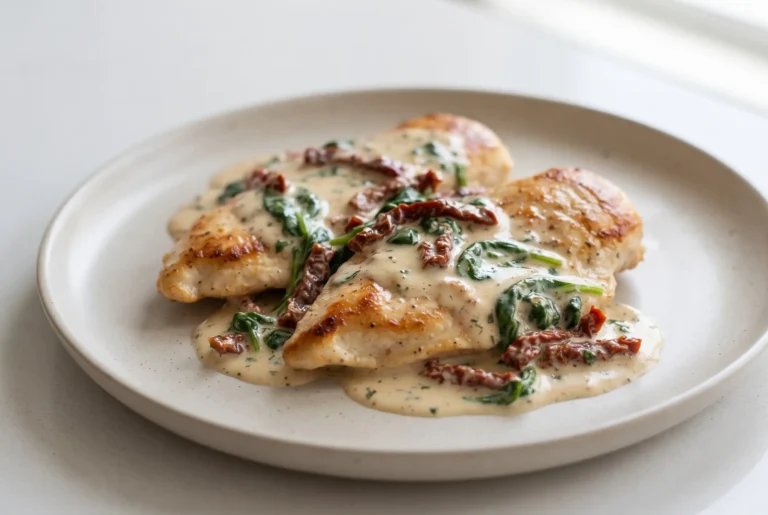
Garlic, onion, tomato sauce, butter, and cream create the foundation that defines this butter chicken recipe. Each layer works together to form a sauce that feels silky while maintaining a balance between savory, sweet, and gently spicy notes, much like the richness developed in creamy chicken with spinach and sun-dried tomatoes.
| Flavor element | Recipe role | Cooking consideration |
|---|---|---|
| Tomato sauce | Creates acidity and body | Balances butter and cream richness |
| Garlic and onion | Builds savory depth | Cook until soft and fragrant |
| Garam masala and curry powder | Adds warmth and complexity | Blend gently into the sauce |
Careful seasoning matters because dairy ingredients naturally soften spice intensity. The combination of cayenne, garam masala, curry powder, and paprika creates warmth while allowing the creamy texture to remain the main attraction.
Another important detail is the finishing touch of butter. Adding it near the end helps create a glossy appearance and rounds out the flavors already developed in the tomato cream base.
Choosing Chicken Thighs and Creamy Elements Wisely
Chicken thighs are especially effective in this butter chicken recipe because their texture holds up well during simmering. The meat stays tender and absorbs the surrounding sauce, creating flavorful bites throughout the dish.
Greek yogurt plays a valuable role before cooking begins. The marinade helps spices cling to the chicken while adding tenderness and a subtle tang that supports the richer sauce later.
The yogurt marinade does more than season the chicken before cooking. The acidity in a yogurt marinade tenderizes meat gradually, helping influence the texture of proteins while keeping the finished chicken tender.
Dairy choices also influence the finished texture. Heavy cream creates the signature silky consistency, while coconut milk can provide a creamy alternative for those avoiding traditional dairy ingredients.
- Chicken thighs: Provide moisture and tenderness during cooking.
- Greek yogurt: Helps season and soften the chicken before it reaches the pan.
- Butter: Adds the smooth finishing richness associated with the dish.
- Heavy cream: Creates the velvety sauce texture.
Texture Decisions That Shape Homemade Butter Chicken
Texture separates an average creamy chicken dinner from a memorable homemade butter chicken. The chicken should remain tender, while the sauce should cling smoothly without becoming heavy or separated.
Browned chicken pieces contribute a deeper flavor and a firmer bite that contrasts with the soft sauce. Cooking the chicken separately before combining it with the sauce helps preserve those qualities.
Silky sauces depend on gentle handling. Softened onions, blended textures when preferred, and controlled heat all influence whether the sauce feels smooth and luxurious or uneven.
Fresh herbs provide a small but meaningful contrast. Parsley or cilantro brightens the rich sauce and adds a fresh finishing note when sprinkled before serving.
Cooking Controls for a Silky Butter Chicken Recipe
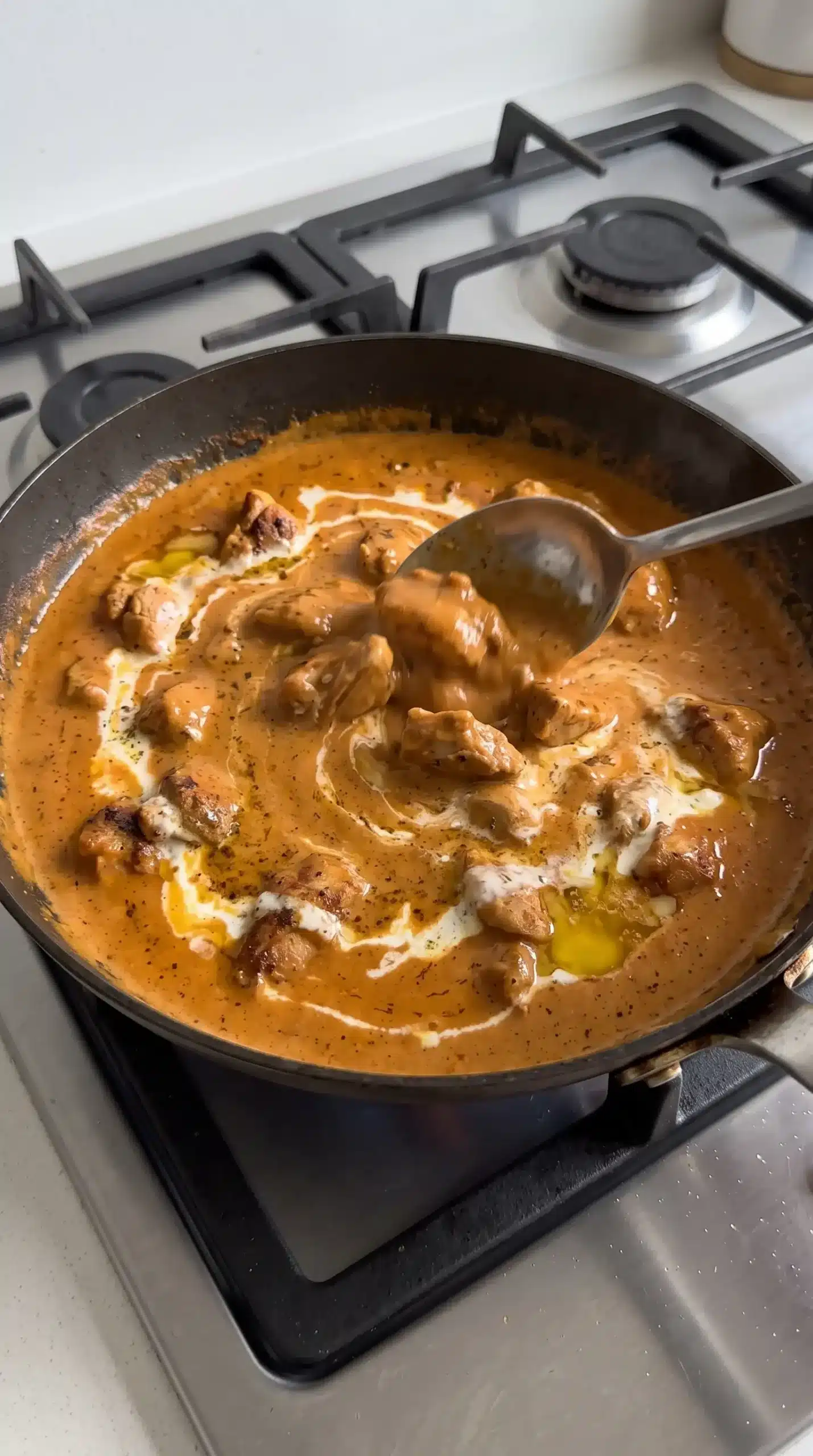
Successful preparation depends on heat management after the cream enters the pan. A gentle simmer keeps the sauce stable and allows the flavors to combine without creating a grainy texture.
| Cooking stage | Main focus | Helpful adjustment |
|---|---|---|
| Marinating | Seasoning and tenderness | Allow the yogurt mixture to coat every chicken piece |
| Sauce simmering | Flavor blending | Maintain gentle heat after adding cream |
| Final combination | Texture and finish | Stir in butter for a glossy sauce |
Even small timing choices affect the outcome. Allowing the chicken to rest in its marinade improves flavor absorption, while adding the cooked pieces into the sauce gives them a chance to take on the tomato and spice flavors.
Common Butter Chicken Recipe Mistakes That Affect Results
Several avoidable errors can change the texture and flavor of butter chicken. Understanding these risks makes the cooking process more reliable.
- High heat after cream: Rapid boiling can cause the sauce to lose its smooth texture.
- Skipping marination: The chicken may miss the tenderness and spice coverage created by yogurt and seasonings.
- Excess cayenne: Too much heat can overpower the creamy balance.
- Overcooking chicken: Extended cooking can reduce the tenderness of the pieces.
Another common issue is under-seasoning. Cream softens flavors, so tasting the sauce before serving helps ensure the salt and spice levels remain balanced.
Serving Pairings That Complete the Dish
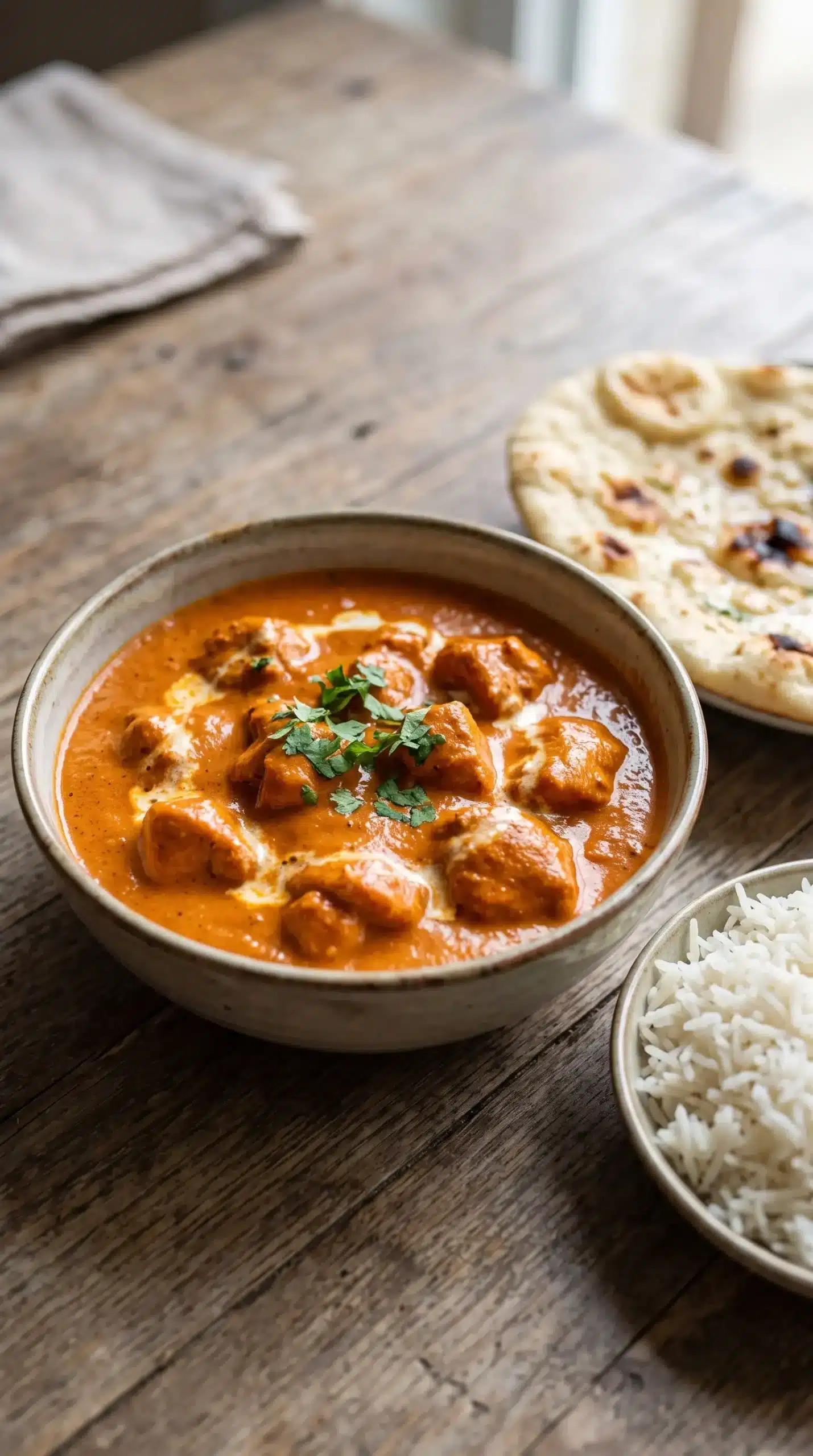
Basmati rice makes an excellent partner for butter chicken because the grains absorb the creamy sauce and help spread the flavors across the plate. Warm naan bread provides another classic option for enjoying every bit of the sauce.
Lighter sides can create contrast alongside the richness. Roasted cauliflower, cucumber salad, or sautéed spinach add freshness while keeping the meal balanced.
Make-Ahead Storage Choices for Butter Chicken Recipe
Proper storage helps preserve the creamy texture and makes leftovers convenient. Butter chicken keeps well when placed in airtight containers and handled gently during reheating.
| Storage method | Best practice | Texture note |
|---|---|---|
| Refrigerator | Use airtight containers | Warm slowly to protect the sauce |
| Freezer | Cool completely before storing | Thaw and reheat gently |
| Meal prep portions | Pair with rice for easy meals | Add a splash of liquid if sauce thickens |
Overnight resting can deepen the flavors because the spices continue to blend with the sauce. When reheating, low heat and occasional stirring help maintain the smooth consistency.
Family-Friendly Adjustments for Mild Spice Lovers
Families can easily adapt butter chicken by reducing cayenne and keeping the spice profile gentle. The creamy tomato base already creates a comforting flavor that appeals to many different preferences.
Smaller chicken pieces can make serving easier for younger diners. Keeping rice, naan, and toppings separate also allows everyone to customize their plate.
Budget Choices for Homemade Butter Chicken
Affordable ingredients can still create impressive results with homemade butter chicken. Chicken thighs often provide good value, while pantry spices and canned tomato sauce build the sauce without relying on specialty products.
Smart substitutions can lower costs while maintaining the dish’s character. Coconut milk, store-brand dairy products, and simple rice pairings can help stretch the meal for more servings.
Weeknight Shortcuts for a 30 Minute Butter Chicken Recipe
A 30 minute butter chicken recipe becomes even easier with practical preparation shortcuts. Pre-cut chicken, prepared garlic, and convenient rice options can reduce kitchen time while keeping the main flavors intact.
Rotisserie chicken can also be used as a time-saving approach. Adding cooked chicken to the finished sauce creates a fast version when a full cooking session is not possible.
Expert Serving and Preparation Notes for Better Results
Small finishing choices can improve the experience of this butter chicken recipe. Resting the finished dish briefly before serving allows the sauce to settle and the flavors to come together.
Fresh garnishes should be added close to serving time. Herbs provide brightness that contrasts with the creamy sauce and keeps the dish feeling balanced.
Butter Chicken Recipe Succeeds Through Sauce Balance
Creamy sauce, tender chicken, and carefully controlled spices create the defining character of butter chicken. The strongest results come from respecting the balance between richness, warmth, and freshness instead of allowing one element to dominate.
Butter chicken recipe success comes from thoughtful handling of the marinade, sauce temperature, and final finishing touches. Those choices transform simple ingredients into a comforting meal with a smooth texture and deeply layered flavor.
Butter Chicken Recipe Questions About Storage and Spice
How should I store leftover butter chicken?
Place cooled butter chicken in airtight containers and keep it refrigerated. Reheat gently while stirring, adding a small amount of cream or water if the sauce becomes too thick.
Can butter chicken be made less spicy?
Yes. Reducing or removing cayenne pepper creates a milder version while keeping the warmth from garam masala and curry powder.
Can I use chicken breast instead of thighs?
Chicken breast works as an alternative, but chicken thighs generally stay juicier during the simmering process.
What makes homemade butter chicken creamy?
The combination of heavy cream, butter, and tomato sauce creates the smooth texture that defines the dish, while careful simmering helps maintain that consistency.
Can I freeze butter chicken?
Yes. Butter chicken can be frozen in airtight containers after cooling completely and reheated gently when needed.
Butter Chicken Recipe with Smooth Tomato Cream Sauce
Ingredients
Method
- Mix the chicken thighs with salt, garlic powder, sweet paprika, curry powder, and Greek yogurt. Allow the chicken to marinate for at least 15 minutes.
- Warm the vegetable oil and 1 tablespoon butter in a large skillet. Add the diced onion and minced garlic, then cook until softened and fragrant.
- Stir the tomato sauce, sugar, salt, black pepper, heavy cream, cayenne pepper, garam masala, and curry powder into the skillet. Simmer the sauce gently for several minutes.
- Cook the marinated chicken in a separate pan until browned and cooked through, reaching 165°F / 74°C internally.
- Transfer the cooked chicken into the creamy tomato sauce. Add the remaining 2 tablespoons butter and continue simmering for a few minutes until the sauce thickens.
- Serve the butter chicken hot with steamed rice and naan bread, then finish with fresh parsley or cilantro.