Oatmeal Protein Cookies with Banana and Nut Butter
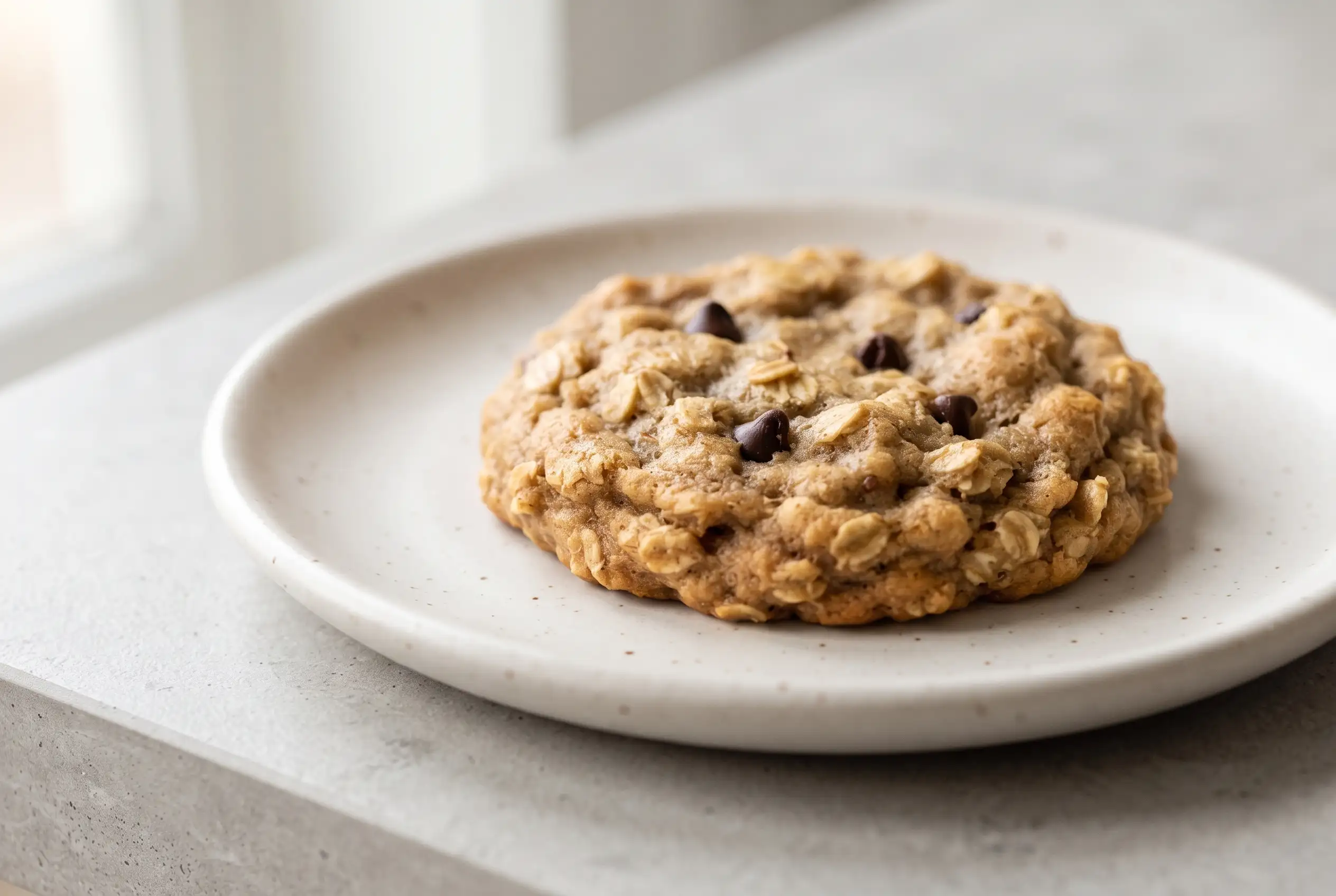
Oatmeal protein cookies combine hearty oats, creamy nut butter, ripe banana, and protein powder into a soft, chewy snack with the comfort of a classic cookie. The combination creates a balanced option for busy mornings, workout fuel, or afternoon cravings while keeping the texture tender instead of dry or chalky.
Unlike many protein-focused desserts that can become firm or powdery, oatmeal protein cookies stay satisfying because moisture from banana and richness from nut butter work together with rolled oats and almond flour. Chocolate chips, cinnamon, and vanilla bring familiar dessert flavor to every bite.
Why Oatmeal Protein Cookies Work for Busy Snacks
Convenience is one of the biggest strengths of oatmeal protein cookies. The dough uses simple ingredients that combine quickly, making the cookies practical for meal preparation and everyday snacking. Their sturdy texture also makes them easy to pack and carry.
Nutrition comes from the balance of several ingredients working together. Rolled oats contribute fiber and substance, while protein powder adds a more filling quality. Nut butter provides richness, and banana contributes natural sweetness and moisture that help create a softer cookie.
Many healthier snacks focus only on function, but these cookies maintain the familiar appeal of a dessert. Cinnamon, vanilla, and chocolate chips create a flavor profile that feels comforting while still fitting into a balanced snack routine.
| Feature | How It Helps | Result in Cookies |
|---|---|---|
| Rolled oats | Add structure and fiber | Chewy, hearty texture |
| Protein powder | Boosts protein content | More satisfying snack |
| Banana | Adds moisture and sweetness | Soft cookie centers |
| Nut butter | Adds richness | Tender texture |
The Texture Balance Behind Oatmeal Protein Cookies
Texture defines the experience of oatmeal protein cookies. Rolled oats create a noticeable chew, while almond flour helps maintain tenderness throughout the cookie. The result is a snack with enough structure to hold together without feeling heavy.
Moisture control matters especially when protein powder is included. Protein ingredients can absorb liquid quickly, so banana and nut butter play an important role in keeping the cookies soft. The combination prevents the finished texture from becoming overly dry.
Freshly baked cookies offer soft centers with lightly golden edges, while chilled cookies develop a firmer chew. Chocolate chips add small pockets of richness that contrast with the hearty oat base.
Ingredients That Shape Oatmeal Protein Cookies
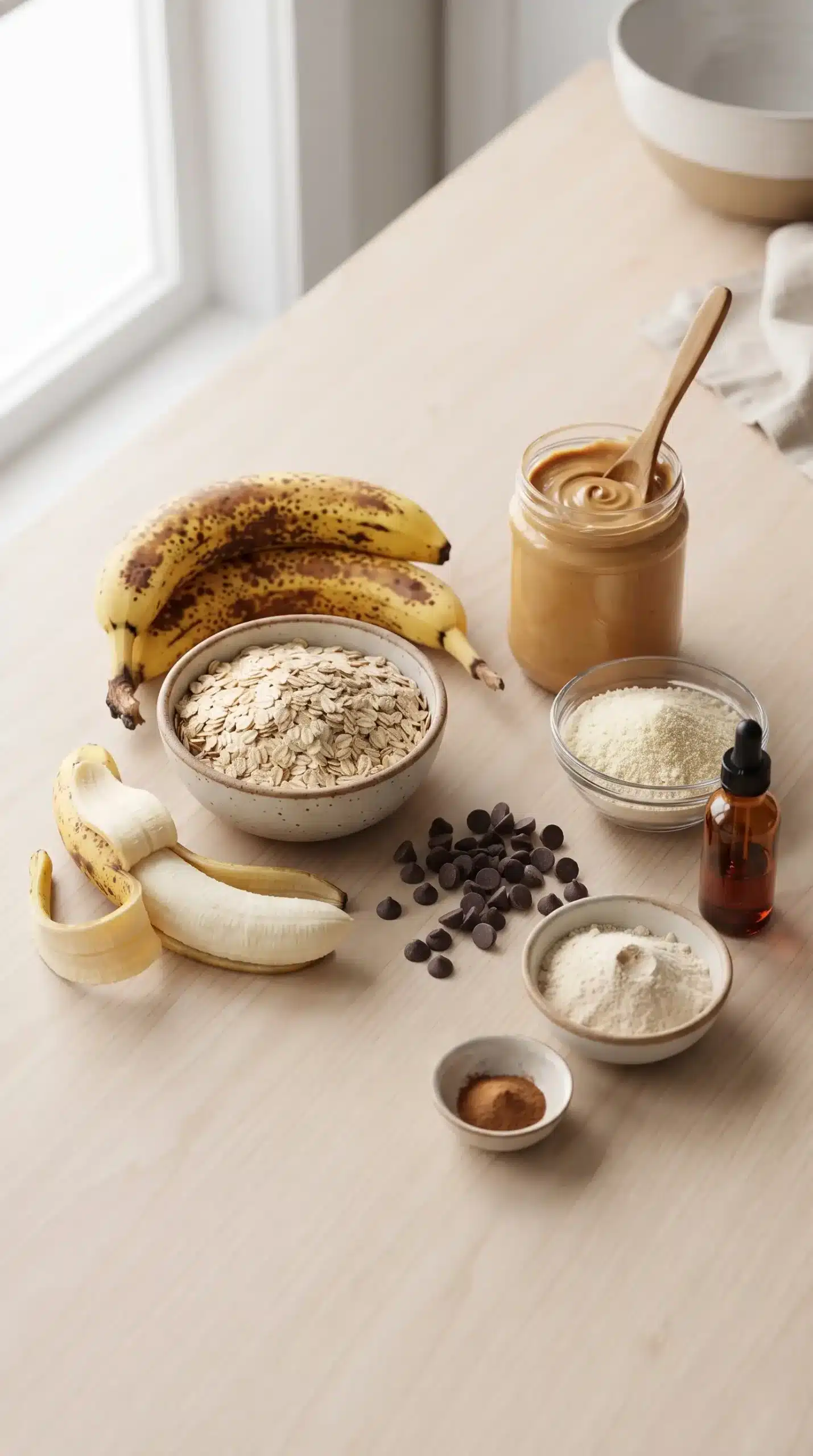
The ingredients in oatmeal protein cookies each influence the final texture and flavor. Choosing the right balance matters more than adding extra components because the dough depends on moisture, structure, and richness working together.
Very ripe bananas are especially useful because they provide sweetness and softness. Peanut butter or almond butter creates a creamy foundation, while rolled oats give the cookies their recognizable hearty character. Almond flour supports a tender bite, and protein powder increases the nutritional focus of the snack. Recipes such as banana oatmeal bars use the combination of bananas and oats in a soft baked format that highlights these ingredients in a different snack texture.
Chocolate chips, cinnamon, and vanilla help create a dessert-like flavor that complements the earthy ingredients. A careful combination of these elements creates a cookie that feels satisfying without losing its wholesome qualities.
- Ripe banana: improves sweetness and moisture in the dough.
- Nut butter: contributes creamy richness and softer texture.
- Rolled oats: provide chewiness and structure.
- Almond flour: helps maintain tenderness.
- Protein powder: increases protein content and satiety.
Protein Powder and Sweetener Choices That Change Results
Different protein powders and sweeteners can slightly change the character of oatmeal protein cookies. Whey protein typically creates a softer cookie texture, while plant-based protein can produce a denser result. Sweetener choices can also shift the overall flavor from lightly sweet to more dessert-like.
| Choice | Texture Effect | Flavor Consideration |
|---|---|---|
| Whey protein | Softer texture | Works well with vanilla and chocolate flavors |
| Plant-based protein | Heartier texture | May create a stronger protein flavor |
| Different sweeteners | May affect moisture slightly | Changes sweetness profile |
Baking Controls for Soft High Protein Oatmeal Cookies
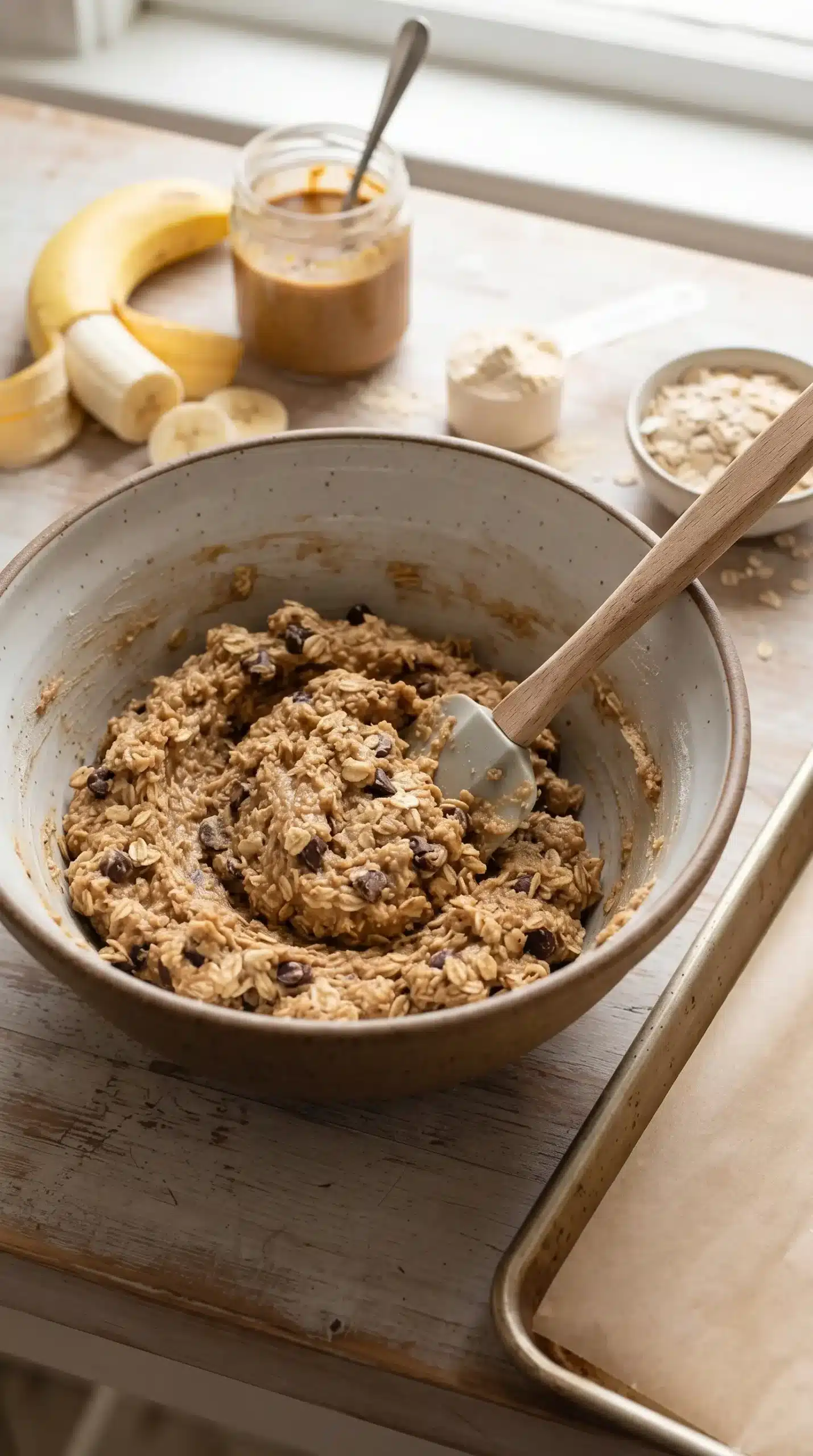
Successful high protein oatmeal cookies depend on controlling moisture and handling the dough carefully. Mixing the wet ingredients thoroughly creates a consistent base before the oats, almond flour, protein powder, and baking powder are added.
Chilling the dough is an important step because it allows the oats to absorb moisture and helps prevent excessive spreading during baking. Skipping this short rest can change the shape and texture of the cookies.
Gentle mixing after adding the dry ingredients keeps the dough from becoming unnecessarily dense. Slightly flattening the dough before baking also helps the cookies bake more evenly because they do not spread like traditional cookie dough.
- Blend wet ingredients: combine egg, banana, and nut butter until smooth.
- Rest the dough: allow the oats to hydrate before baking.
- Watch the edges: remove cookies when they become lightly golden.
- Cool properly: let the cookies finish setting before moving them.
Mistakes That Can Dry Out Oatmeal Protein Cookies
Dry texture is the most common concern with oatmeal protein cookies. Excessive baking can remove too much moisture, leaving the cookies firmer than intended. Watching the edges and allowing carryover cooking during cooling helps preserve softness.
Using an unripe banana can also affect results because it provides less sweetness and moisture. A ripe banana contributes more of the qualities needed for a tender cookie.
Other problems often come from ingredient balance. Too much protein powder can make cookies dry, while overmixing can create a tougher texture. Keeping the dough properly mixed and measured helps maintain the intended consistency.
Custom Variations for Oatmeal Protein Cookies
Oatmeal protein cookies are flexible enough for different flavor preferences. Cocoa powder can create a richer chocolate version, sunflower seed butter can replace peanut butter for a nut-free option, and additions like chia seeds, flaxseed meal, shredded coconut, dried cranberries, or blueberries can change the texture and flavor.
Serving Pairings for Oatmeal Protein Cookies
These cookies pair naturally with foods that complement their chewy texture and balanced flavor. Coffee, Greek yogurt, protein smoothies, cold milk, fresh fruit, and an extra drizzle of nut butter all create simple serving options.
Storage and Meal Prep for Oatmeal Protein Cookies
Meal preparation is one reason oatmeal protein cookies fit easily into busy routines. The cookies can be prepared ahead, stored, and enjoyed later without losing their satisfying texture.
Airtight containers help maintain freshness at room temperature, while refrigeration extends storage when a longer keeping period is needed. Individual wrapping is useful when freezing cookies because portions can be taken out as needed.
| Storage Method | Recommended Approach | Texture Result |
|---|---|---|
| Room temperature | Use an airtight container | Soft for short-term storage |
| Refrigeration | Keep covered | Firmer, chewier texture |
| Freezing | Wrap individually | Convenient future snacks |
Equipment Choices for Reliable Cookies
A large mixing bowl, whisk, spatula, measuring tools, and parchment-lined baking sheet are enough to prepare oatmeal protein cookies successfully. A cookie scoop can make portioning easier, while a wire rack helps cookies cool evenly.
Texture Adjustments for Different Preferences
Small changes can personalize oatmeal protein cookies without changing their core structure. Quick oats create a softer texture, while rolled oats provide more chew because the oat processing affects the final texture. The choice depends on whether a smoother or heartier cookie is preferred.
Protein powder type also influences the finished bite. Whey protein tends to create softer cookies, while plant-based options often produce a denser result. Adjusting mix-ins can further change the eating experience.
Smaller cookies can feel more snack-friendly, while slightly softer centers may appeal to those who prefer a bakery-style texture. These adjustments make the cookies adaptable for different households and routines.
Budget-Friendly Ways to Make Oatmeal Protein Cookies
Oatmeal protein cookies can be an affordable alternative to packaged protein snacks. Rolled oats, bananas, and peanut butter are practical pantry ingredients, and using overripe bananas helps reduce food waste while improving flavor.
Oatmeal Protein Cookies Bring Together Chewy Texture and Lasting Satisfaction
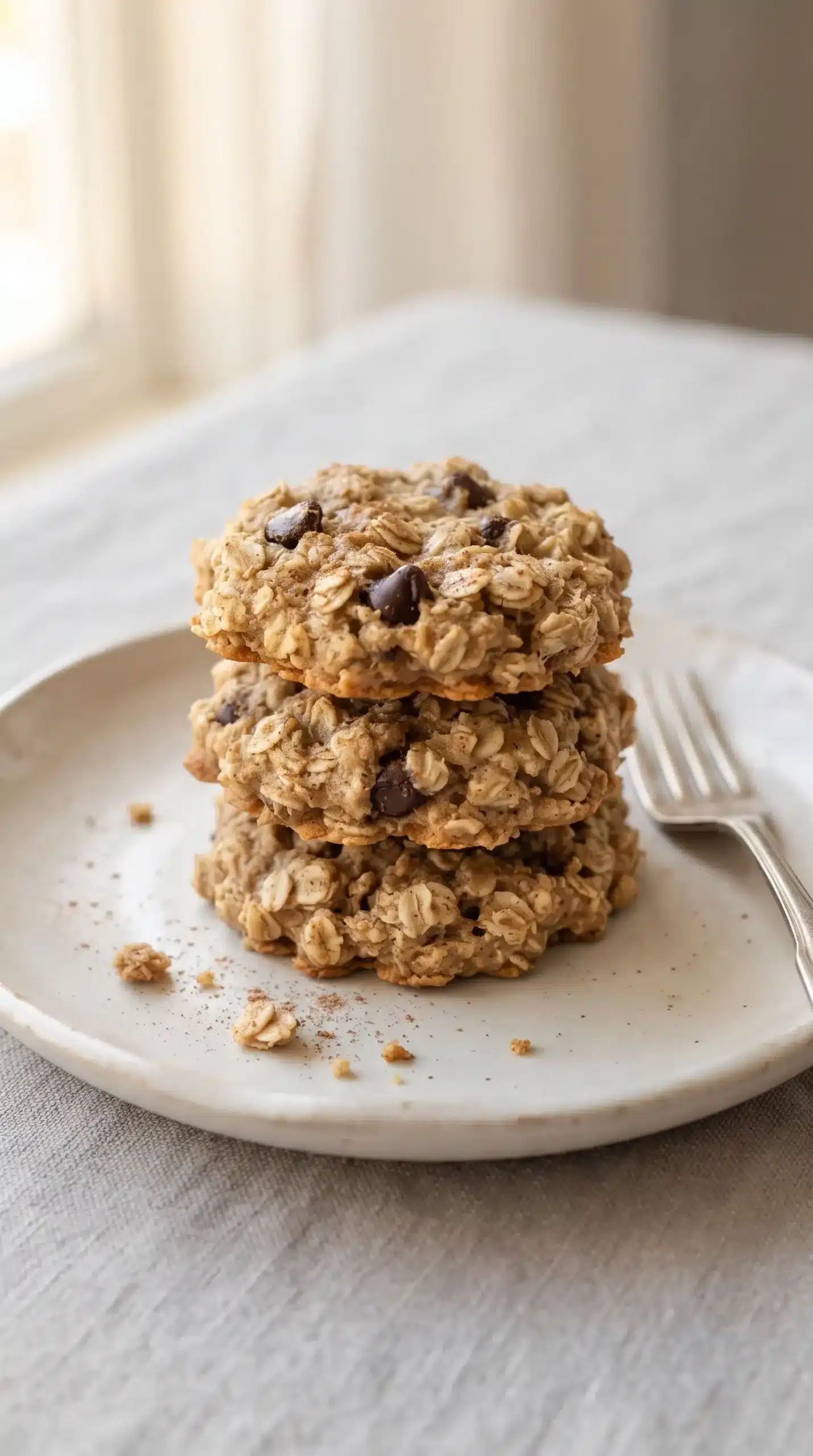
Oatmeal protein cookies succeed because the ingredients work in balance. The oats create chewiness, banana keeps the texture moist, nut butter adds richness, and protein powder supports a more satisfying snack. Careful baking preserves these qualities and creates a cookie that feels comforting and practical.
The combination of simple preparation and adaptable ingredients makes these cookies useful for everyday routines. Their soft texture, chocolate flavor, and hearty structure allow them to serve as a dependable snack whenever a balanced homemade option is needed.
Oatmeal Protein Cookies Questions About Texture and Storage
Why are my oatmeal protein cookies dry?
Dry cookies usually come from overbaking or using a protein powder that absorbs a large amount of moisture. Keeping the baking time controlled and maintaining the banana and nut butter balance helps protect softness.
Can I use quick oats instead of rolled oats?
Yes. Quick oats can be used, but they create a softer texture with less chew because the oats have a finer structure.
Which protein powder works best for softer cookies?
Whey protein typically produces a softer cookie texture. Plant-based protein can also work, but it may create a denser and heartier result.
Can oatmeal protein cookies be frozen?
Yes. Freezing works well when cookies are individually wrapped, allowing portions to thaw conveniently whenever needed.
How can I make these cookies less sweet?
Adjusting the sweetener amount or choosing less sweet chocolate chips can reduce sweetness while keeping the banana, cinnamon, and nut butter flavors present.
Oatmeal Protein Cookies with Banana and Nut Butter
Ingredients
Method
- Preheat oven to 400°F / 205°C and prepare a baking sheet with parchment paper.
- Combine the egg, mashed banana, and peanut butter or almond butter, mixing until smooth.
- Blend the granulated sweetener, vanilla extract, cinnamon, and salt into the banana mixture.
- Add the rolled oats, almond flour, protein powder, and baking powder, stirring until a thick cookie dough forms.
- Mix in the sugar-free chocolate chips, then refrigerate the dough for 10 minutes.
- Portion the chilled dough onto the prepared baking sheet and gently flatten each cookie.
- Bake the cookies for 10–12 minutes until the edges are lightly browned.
- Leave the cookies on the baking sheet for 5 minutes, then move them to a wire rack to cool completely.