Pan Seared Salmon with Lemon Butter Skillet Dinner
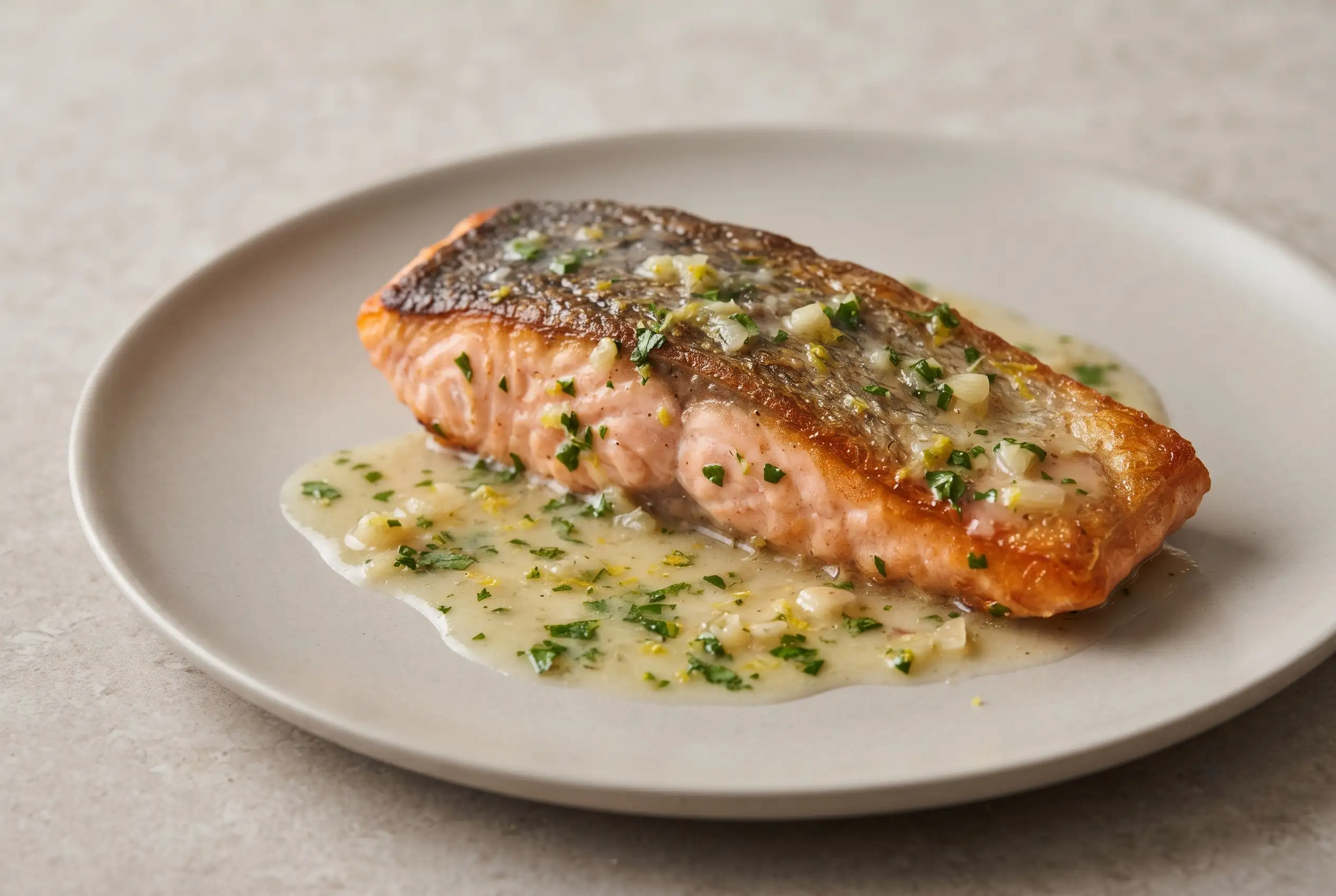
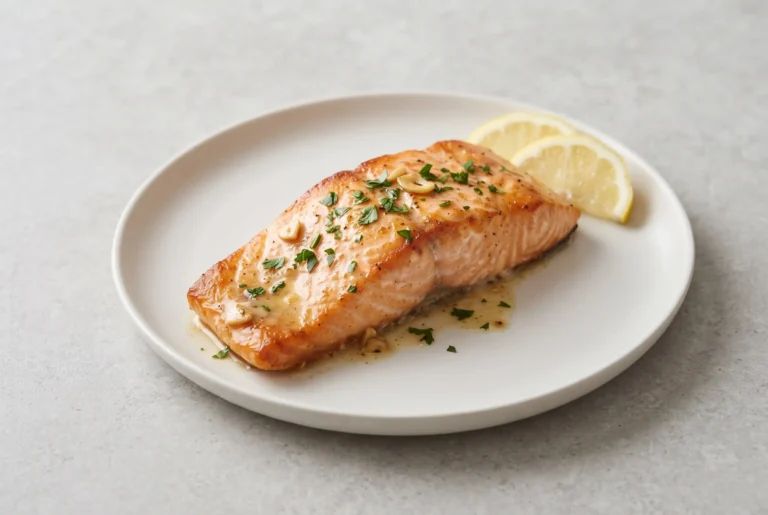
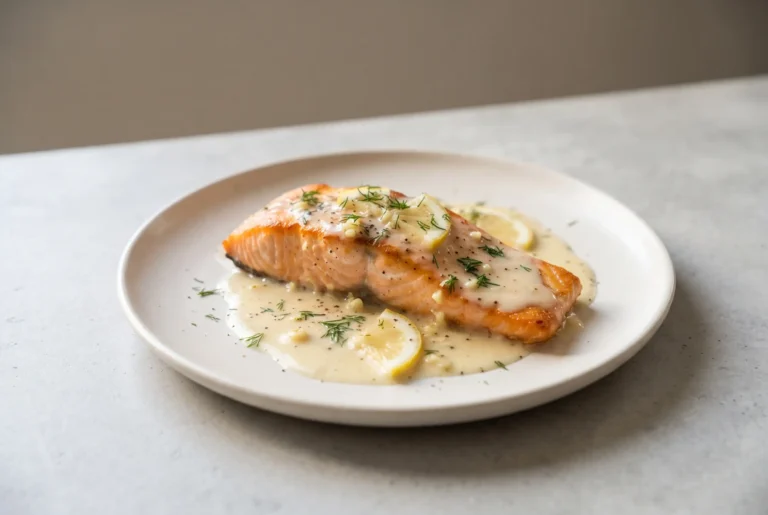
Pan seared salmon with lemon butter creates a restaurant-style seafood dinner by combining golden skin, tender fish, and a silky garlic citrus sauce in one skillet. The appeal comes from the contrast between a crisp exterior and a moist interior, while lemon and parsley keep the buttery finish bright.
Built around simple ingredients and careful heat control, pan seared salmon delivers impressive flavor without complicated preparation. The technique focuses on drying the fish, creating strong contact with the hot pan, and finishing with a quick butter baste that coats every bite.
Pan Seared Salmon with Lemon Butter at a Glance
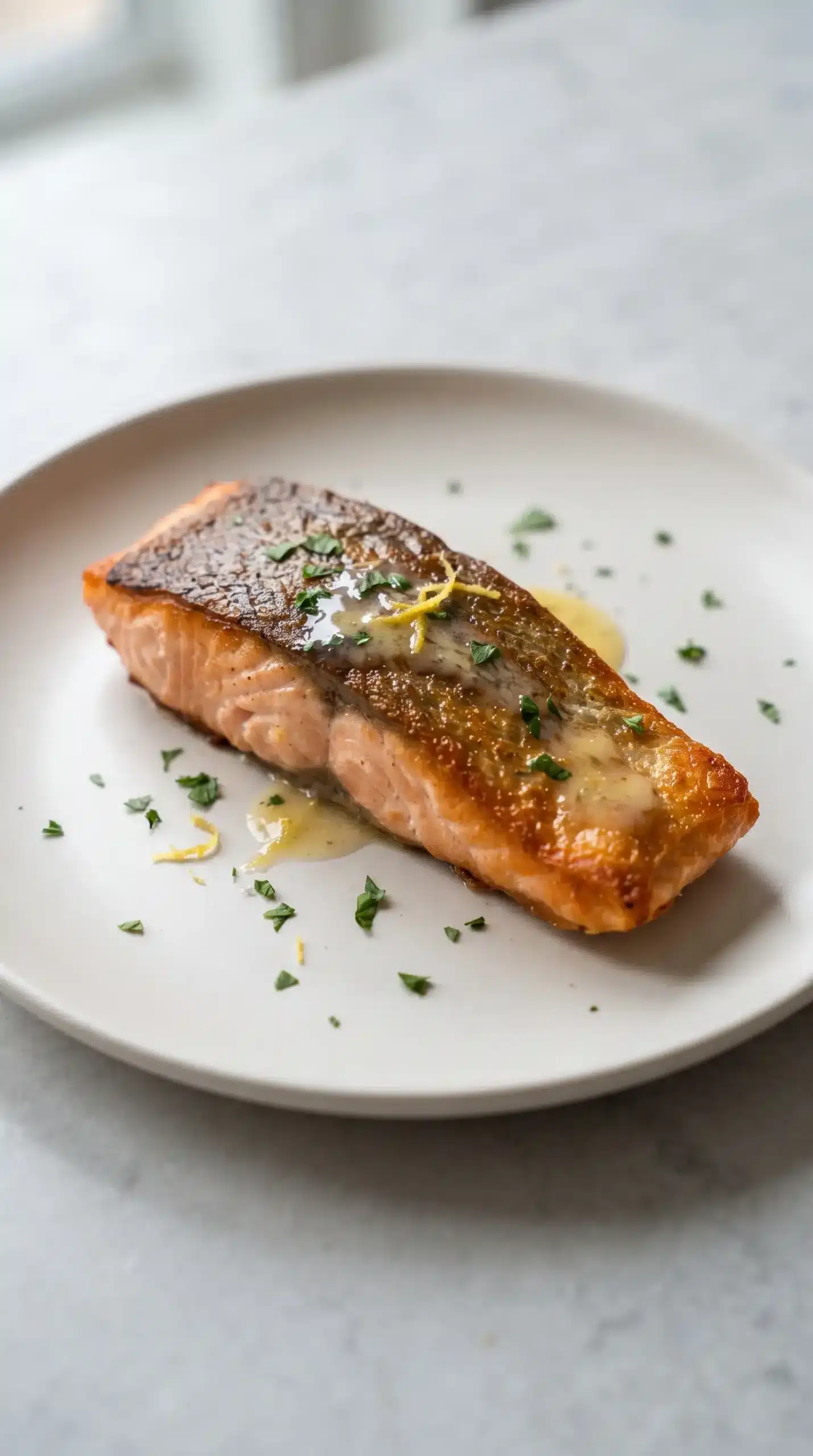
The dish centers on skin-on salmon fillets cooked in olive oil before being finished with unsalted butter, garlic, lemon juice, and lemon zest. The skillet method creates a dependable seafood dinner that works for weeknights or occasions when a polished meal is needed without extra complexity.
The Skillet Searing Control Behind Crisp Salmon Skin
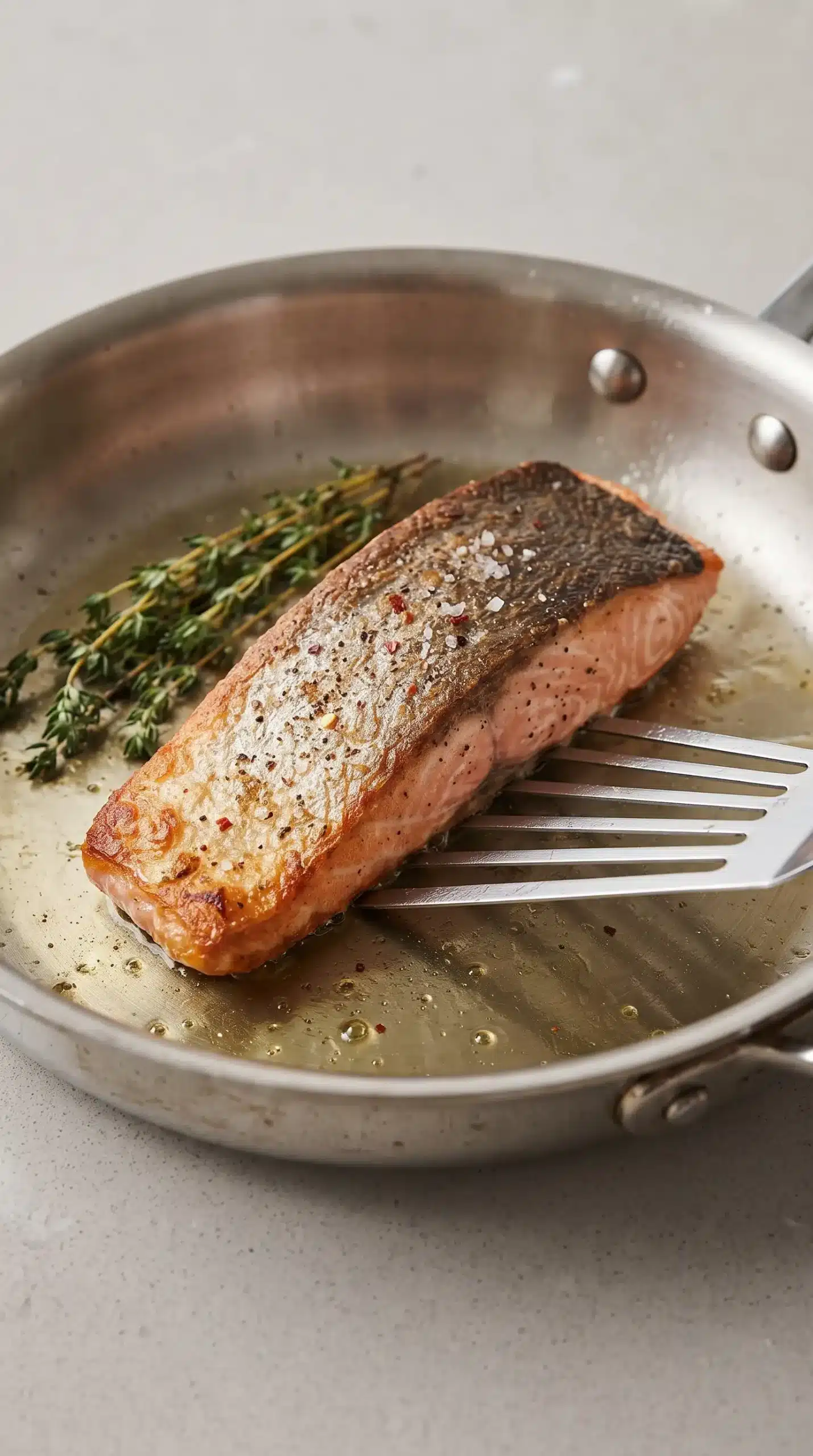
The defining feature of pan seared salmon is the high-heat contact between the fish and the skillet. A properly heated pan allows the skin to develop a deeply golden surface while the salmon flesh remains protected underneath.
Drying the salmon before cooking has a major effect on texture. A dry surface improves browning during searing because excess moisture can create steam around the fish, making it harder to achieve the crisp finish expected from a crispy salmon skin recipe.
Keeping the salmon skin-side down at the beginning of cooking also creates stability. Gentle pressure with a spatula during the first moments helps prevent curling, allowing the skin to cook evenly before the fish is turned.
Fresh Ingredients That Shape the Lemon Butter Finish
The quality of the finishing sauce depends on the balance between rich and fresh flavors. Butter creates a smooth coating, while lemon juice and zest add brightness that keeps the salmon from feeling too heavy.
Garlic is added near the end of cooking so it can release its aroma without developing harsh flavors. Fresh parsley provides a clean contrast and adds color to the finished skillet.
The supporting ingredients are simple, but each one has a specific role. Olive oil helps create the initial sear, unsalted butter allows seasoning control, and optional additions like capers or red pepper flakes can shift the final flavor direction.
Choosing Salmon Cuts for Better Skillet Results
Skin-on salmon fillets are the strongest choice for this cooking style because the skin provides texture and helps protect the delicate fish during searing. Different salmon varieties create slightly different results.
| Salmon type | Texture and flavor | Best use in the skillet |
|---|---|---|
| Atlantic salmon | Rich and buttery | Classic lemon butter preparation |
| Sockeye salmon | Firmer and leaner | A lighter, more structured fillet |
| Coho salmon | Balanced texture | Everyday skillet dinners |
The Butter Basting Technique That Protects Texture
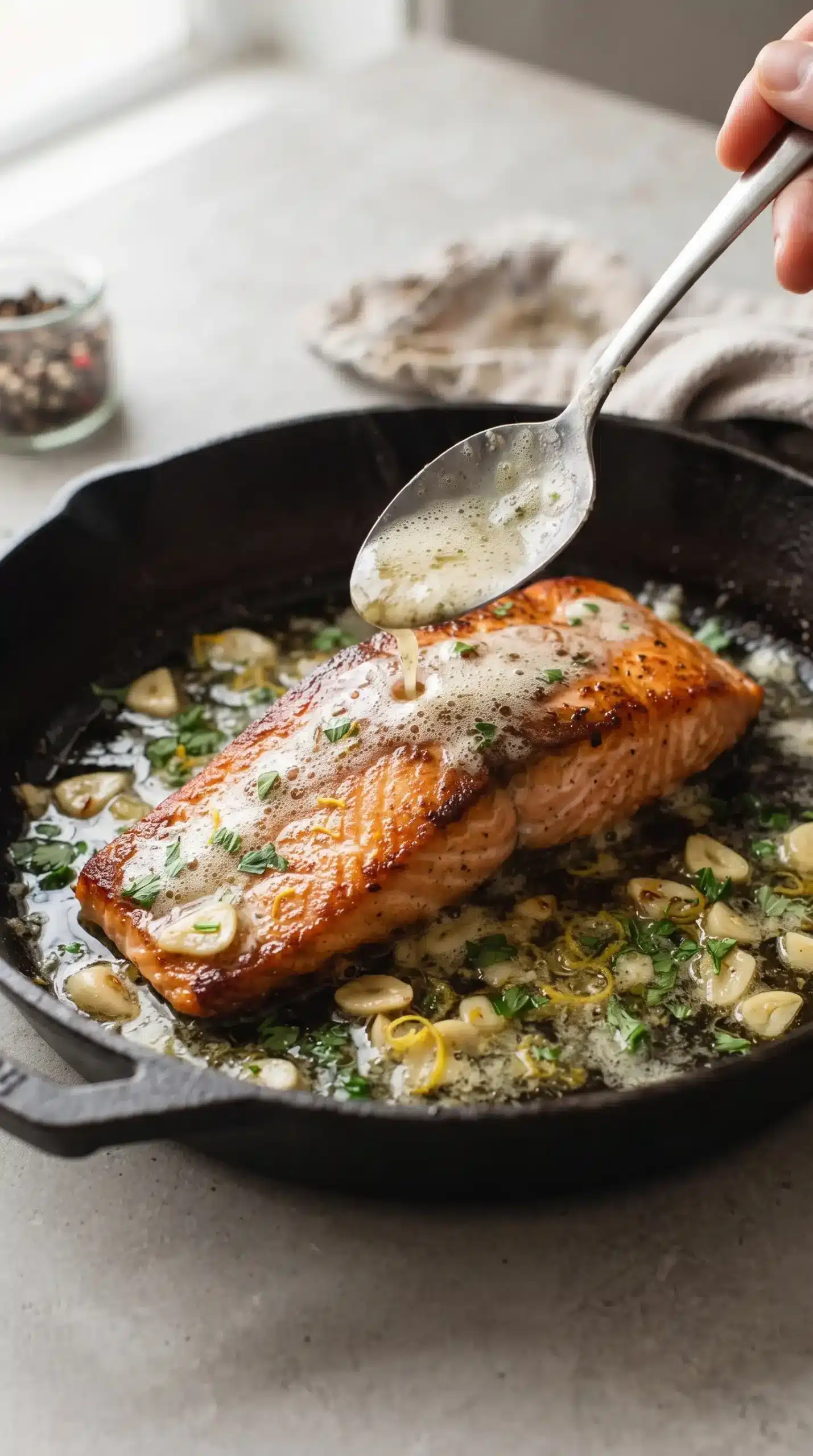
Butter basting transforms the skillet finish by allowing melted butter, garlic, and lemon flavors to repeatedly coat the salmon. Tilting the pan slightly makes it easier to spoon the sauce over the fish.
The timing of the butter addition matters because butter can burn when exposed to intense heat for too long. Adding it during the final stage creates a glossy sauce while keeping the flavors clean.
Once the sauce is incorporated, repeated basting helps maintain moisture and builds a richer surface flavor. This step is one reason pan seared salmon with lemon butter feels more refined than a basic skillet-cooked fillet.
Serving Pairings That Balance the Rich Salmon
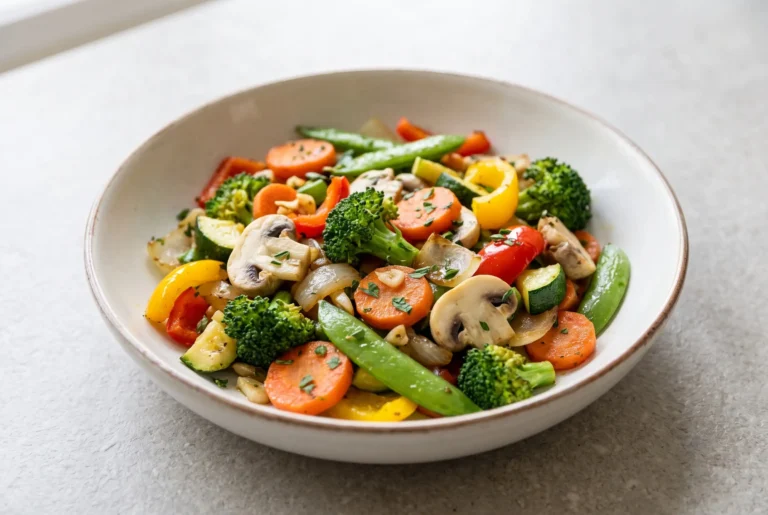
The buttery seafood pairs well with sides that provide freshness or gentle comfort. Rice, roasted vegetables, mashed potatoes, pasta, salads, and crusty bread all complement the lemon sauce while creating a complete meal.
Mistakes That Ruin Pan Seared Salmon with Lemon Butter
Small cooking errors can change the texture of salmon quickly. The most common problems involve heat, moisture, and timing during the searing process.
- Wet fillets: Patting the salmon dry helps prevent steaming and improves browning.
- Early movement: Leaving the fish undisturbed allows the skin to release naturally after searing.
- Low heat: A cooler skillet reduces caramelization and makes crisp skin harder to achieve.
- Burned garlic: Adding garlic late keeps its flavor aromatic instead of bitter.
Overcooking is another concern because salmon continues cooking after leaving the heat. Removing it once it reaches the preferred doneness helps preserve its flaky texture.
Simple Variations for Lemon Butter Salmon Recipe
The base flavors of a lemon butter salmon recipe are flexible enough to support several adjustments without changing the core cooking approach. Herbs, spices, and small additions can create different versions from the same skillet technique.
Adding dill, thyme, or extra parsley creates a more herb-focused finish. Red pepper flakes introduce gentle heat, while a small amount of honey changes the sauce into a sweeter citrus glaze.
Other options include a garlic Parmesan topping or a splash of dry white wine for additional depth. These variations keep the salmon familiar while allowing the final plate to match different preferences.
Storage Choices for Cooked Salmon
Cooked salmon should be stored in an airtight container and handled carefully to protect its texture. Leftovers can be refrigerated for up to two days or frozen in tightly wrapped portions for longer storage.
Meal Prep Decisions for Faster Seafood Dinners
Preparation before cooking makes this quick seafood dinner even easier. Lemon can be zested and juiced ahead of time, while salmon portions can be organized before the skillet is heated.
Side dishes such as rice and vegetables can be prepared in advance so the cooked fish can be served immediately after finishing. Since the salmon cooks quickly, having accompaniments ready helps preserve the best texture.
Another useful preparation step is keeping the salmon dry before it reaches the pan. Even a short period of uncovered refrigeration can help improve the surface texture and support better browning.
The Nutrition Profile of Pan Seared Salmon
Pan seared salmon provides protein along with nutrients commonly associated with salmon, including omega-3 fats, selenium, and vitamin D. The dish remains naturally low in carbohydrates because the main components focus on fish, butter, olive oil, lemon, and herbs.
Equipment That Improves Crispy Salmon Skin Recipe Results
A heavy skillet is the most important tool for achieving reliable searing. Cast iron or stainless steel pans hold heat well, helping create the strong surface contact needed for crisp skin.
A fish spatula makes flipping easier because its thin edge can slide beneath delicate fillets with less risk of breaking. Paper towels are also essential because removing surface moisture directly affects browning.
Optional tools such as an instant-read thermometer, citrus zester, and garlic press can improve consistency. These additions are helpful, but the core process remains approachable with basic kitchen equipment.
Cooking Timeline Insights for Pan Seared Salmon
The cooking process moves quickly once the skillet is hot. Early preparation focuses on drying and seasoning the salmon, the middle stage develops the crisp surface, and the final stage creates the lemon butter coating through basting.
Pan Seared Salmon with Lemon Butter Delivers Skillet Confidence
The strongest results from pan seared salmon come from controlling the details that matter most: a dry surface, a properly heated skillet, careful flipping, and a short butter finish. Those choices create the contrast between crisp skin, flaky fish, and a bright sauce.
Pan seared salmon with lemon butter remains dependable because the technique highlights the natural qualities of salmon instead of hiding them. The skillet does the heavy work while simple finishing ingredients bring balance to the plate.
Salmon Sticking and Cooking Concerns Answered
Why does salmon stick to the skillet?
Salmon usually sticks when the pan is not hot enough or when the fish is moved before the skin has finished searing. Allowing proper contact time helps the fillet release more easily.
Can skinless salmon be used?
Skinless salmon can be cooked with this approach, but skin-on fillets provide better texture and extra protection during skillet cooking.
Which salmon variety works best for this dish?
Atlantic salmon offers a rich buttery texture, while sockeye provides a firmer and leaner result. Coho salmon is another balanced option for regular dinners.
How can the lemon flavor be adjusted?
Reducing the lemon juice creates a milder sauce, while keeping some zest maintains the fresh citrus aroma without making the flavor too sharp.
Can pan seared salmon be reheated?
Reheat leftovers gently in a skillet over medium-low heat and avoid excessive warming, which can dry the fish. A small splash of water can help keep the texture softer.
Pan Seared Salmon with Lemon Butter
Ingredients
Method
- Warm a large skillet over medium-high heat and pour in the olive oil, allowing it to become shimmering.
- Dry the salmon fillets thoroughly with paper towels, then season both sides with salt and black pepper.
- Place the salmon in the skillet with the skin side facing down. Hold the fillets gently with a spatula for 10–15 seconds to help keep the skin flat.
- Leave the salmon skin-side down for 4–5 minutes without moving it, until the skin is crisp and golden.
- Carefully turn the salmon over and cook for another 3–4 minutes until it is nearly cooked through.
- During the final minute of cooking, add the butter, garlic, lemon juice, and lemon zest to the skillet and let the butter melt.
- Angle the skillet and repeatedly spoon the lemon butter sauce over the salmon to baste it.
- Take the salmon off the heat when it reaches 145°F / 63°C, then finish with chopped parsley before serving.