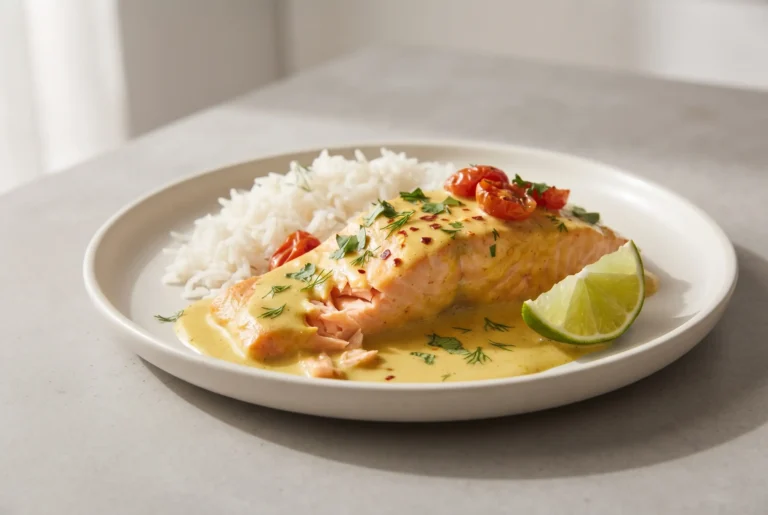
Honey Garlic Glazed Salmon with Honey Garlic Sauce Recipe
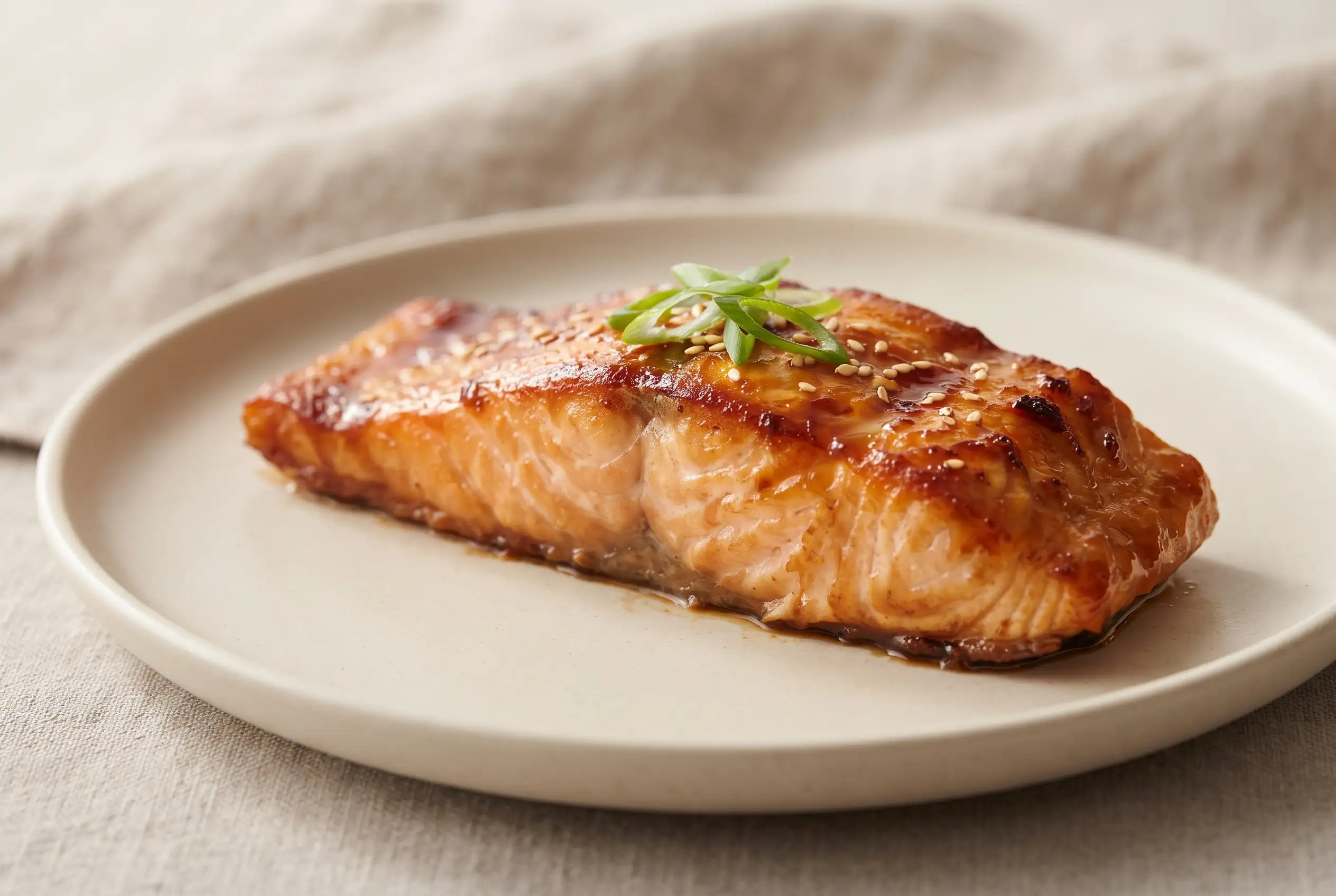
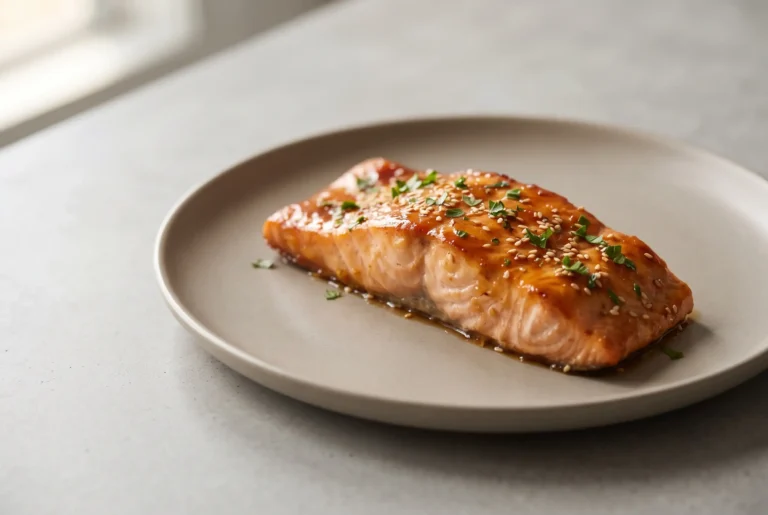
honey garlic glazed salmon brings together golden seared salmon, a sticky sweet-savory sauce, and crisp texture in a dinner that feels special while staying approachable. Salmon fillets are cooked until the skin develops a deep golden crust, then finished with a glossy glaze made from honey, garlic, soy sauce, and lemon.
The appeal of crispy honey garlic salmon comes from the contrast between textures. The fish remains tender and flaky while the caramelized coating adds bold flavor to every bite. With simple ingredients and a skillet-based approach, this 30 minute salmon dinner fits easily into busy evenings.
Crispy Honey Garlic Glazed Salmon Brings Weeknight Flavor
Restaurant-style seafood does not always require complicated preparation. The combination of a properly seared fillet and a balanced glaze creates depth quickly because each cooking stage adds something important. The salmon develops savory browned notes from the skillet, while the sauce creates sweetness, aroma, and a bright finish.
Honey plays a central role by helping the glaze become glossy and lightly caramelized. Soy sauce adds richness and balances the sweetness, while garlic brings a strong savory character that pairs naturally with salmon’s buttery texture.
Careful heat management makes the dish successful. The initial sear builds crisp skin, while the finishing glaze thickens gently so the honey does not scorch. The result is a salmon dinner with layered flavor that feels impressive without requiring advanced techniques.
The Honey Garlic Glaze Defines the Salmon’s Flavor Balance
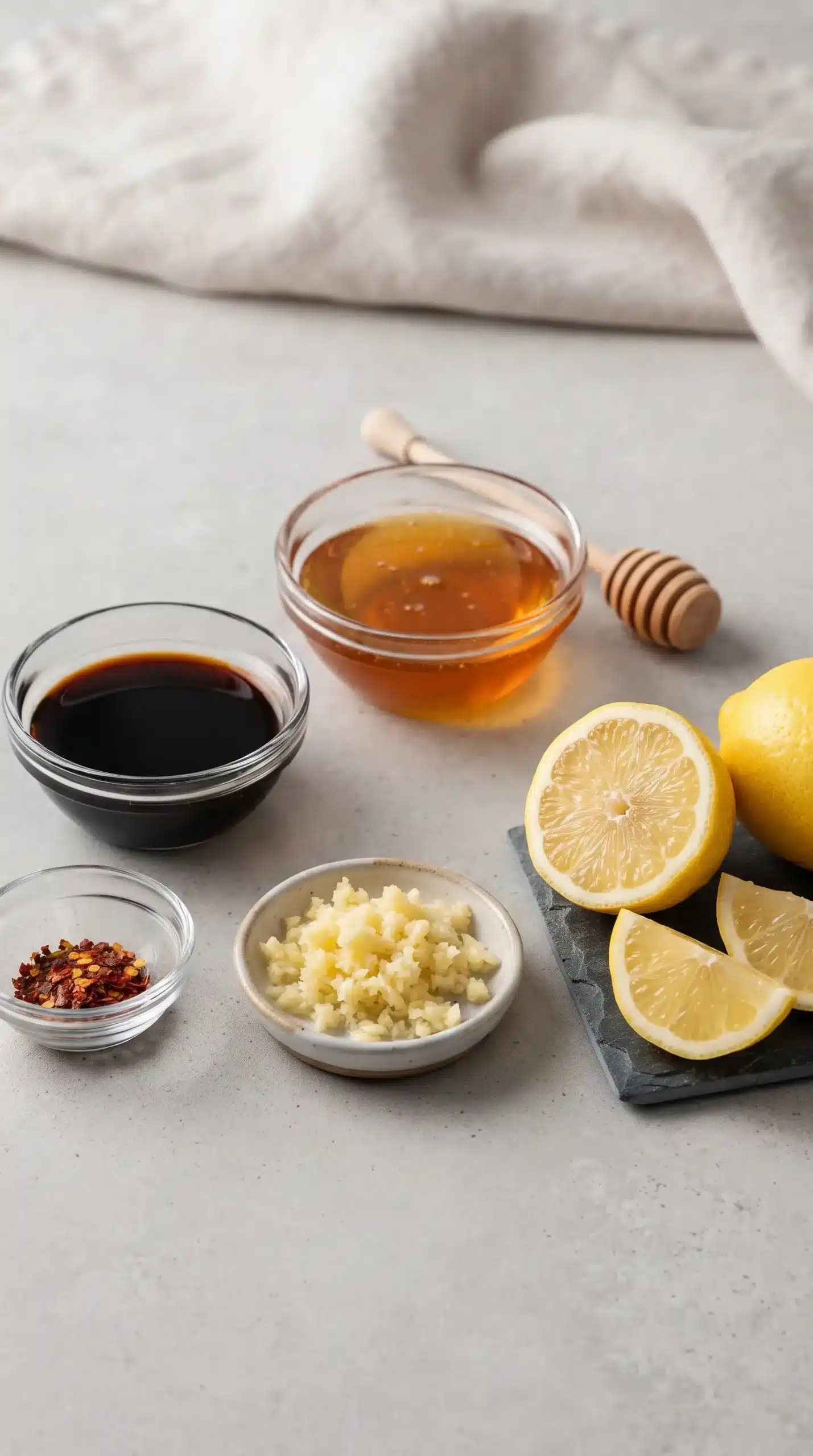
The most important ingredient decisions in this honey garlic salmon recipe center around the sauce. A glaze that is too sweet can overpower the fish, while a glaze without enough savory depth may taste flat. The combination of honey, low-sodium soy sauce, garlic, and lemon creates the balance needed for a rich but fresh finish.
Fresh garlic is especially valuable because it releases a deeper aroma as it cooks. Minced garlic blends into the sauce and creates small bursts of flavor throughout the coating. Lemon juice adds brightness that keeps the glaze from feeling too heavy alongside the salmon’s natural richness.
Low-sodium soy sauce works well because the glaze reduces during cooking. As moisture cooks away, the flavors become more concentrated, so starting with a balanced sauce helps the finished salmon remain enjoyable.
Optional red pepper flakes can shift the flavor toward a spicy-sweet profile. A small amount adds warmth while allowing the honey and garlic flavors to remain noticeable.
Choosing Salmon Fillets for the Best Crispy Finish
Skin-on salmon fillets are the best choice for crispy honey garlic salmon because the skin creates a protective layer while cooking and becomes deeply golden when properly seared. Atlantic salmon provides a rich buttery texture, while sockeye salmon offers a firmer bite and deeper color.
Crisp Skin Depends on Cooking Control
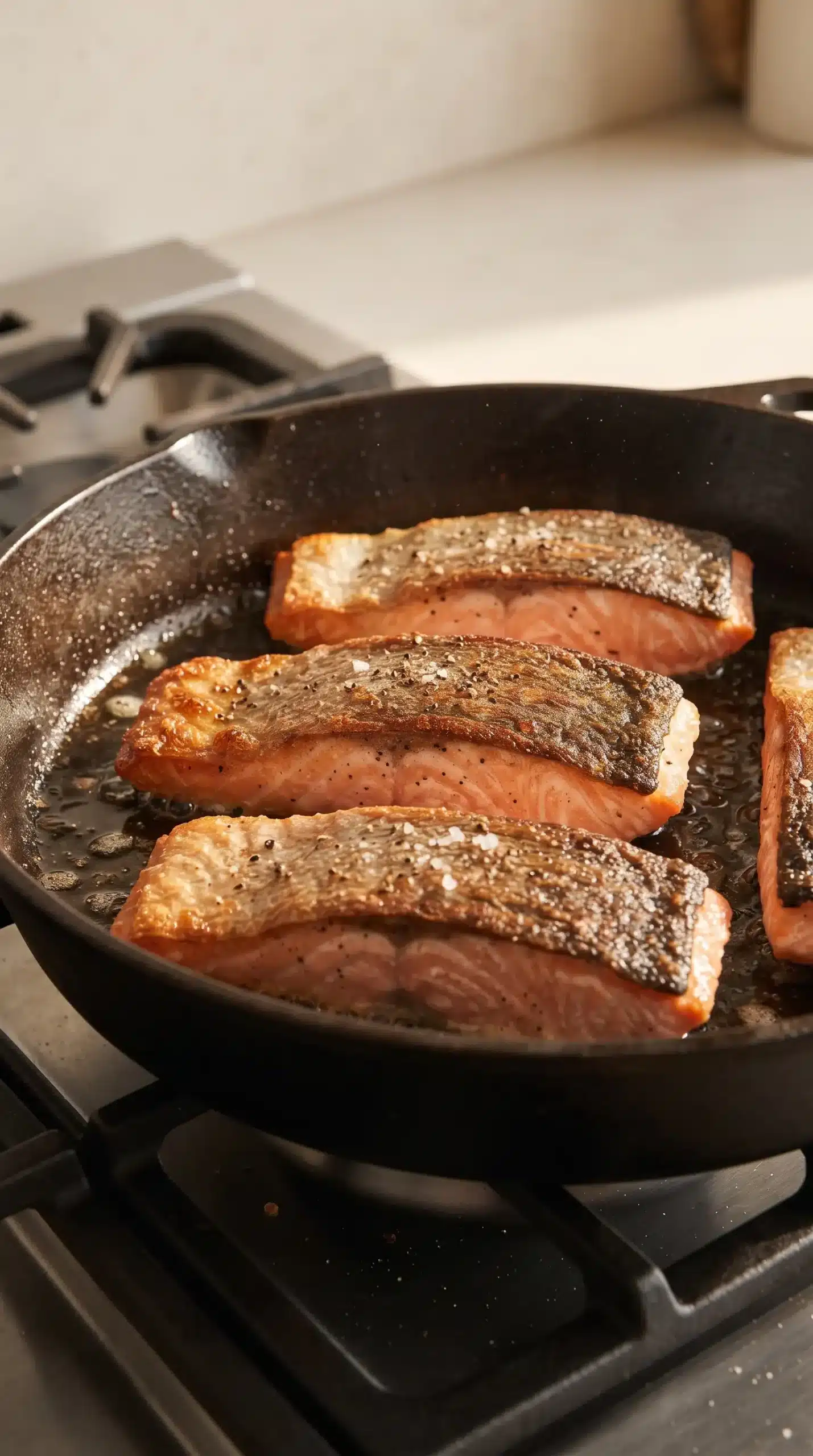
Successful searing depends on preparation before the salmon reaches the skillet. Drying the fillets thoroughly removes surface moisture that can interfere with browning. A dry surface allows the skin to contact the hot pan and develop the crisp texture that makes this dish distinctive, while techniques used for pan seared salmon with lemon butter focus on achieving a well-browned exterior.
A heavy skillet helps maintain steady heat during cooking. When the salmon is placed skin-side down, leaving it undisturbed allows the surface to brown properly. Moving the fillets too soon can prevent the skin from forming a strong crust.
Once the glaze enters the pan, the cooking approach changes. Honey can burn under excessive heat, so the sauce needs gentle simmering while it thickens. Spoon the glaze over the salmon as it reduces to create an even coating.
Helpful execution habits include:
- Dry surface: Pat the salmon thoroughly before seasoning to encourage browning.
- Steady heat: Use medium-high heat for crisp skin without excessive cooking.
- Prepared glaze: Have the sauce mixed before searing because salmon cooks quickly.
- Careful finishing: Watch the glaze closely as it becomes glossy and concentrated.
Avoid These Honey Garlic Glazed Salmon Mistakes
Several small errors can change the texture and flavor of honey garlic glazed salmon. Understanding what causes problems makes it easier to correct them during cooking.
Wet salmon: Excess moisture prevents proper browning and encourages steaming. Thoroughly drying the fillets before seasoning is one of the simplest improvements.
Overcrowded skillet: Too many pieces in the pan reduce the cooking surface temperature. Space between fillets helps maintain the heat needed for crisp skin.
Excessive heat after glazing: Honey can darken too quickly when exposed to very high heat. Once the sauce is added, a gentler simmer creates a smooth coating.
Early flipping: Salmon releases more naturally after the skin has had enough time to sear. Forcing the fish before it loosens can damage the crisp surface.
Overcooking: Salmon continues cooking slightly after removal from heat. Keeping an eye on texture helps preserve its moist, flaky center.
Simple Serving Choices Complete the Salmon Dinner
Crispy Honey Garlic Glazed Salmon pairs well with sides that absorb the sauce or add fresh contrast. Steamed jasmine rice, garlic mashed potatoes, quinoa, roasted broccoli, green beans, and cucumber salad all complement the sweet-savory glaze.
The Texture Contrast Makes Every Bite More Satisfying
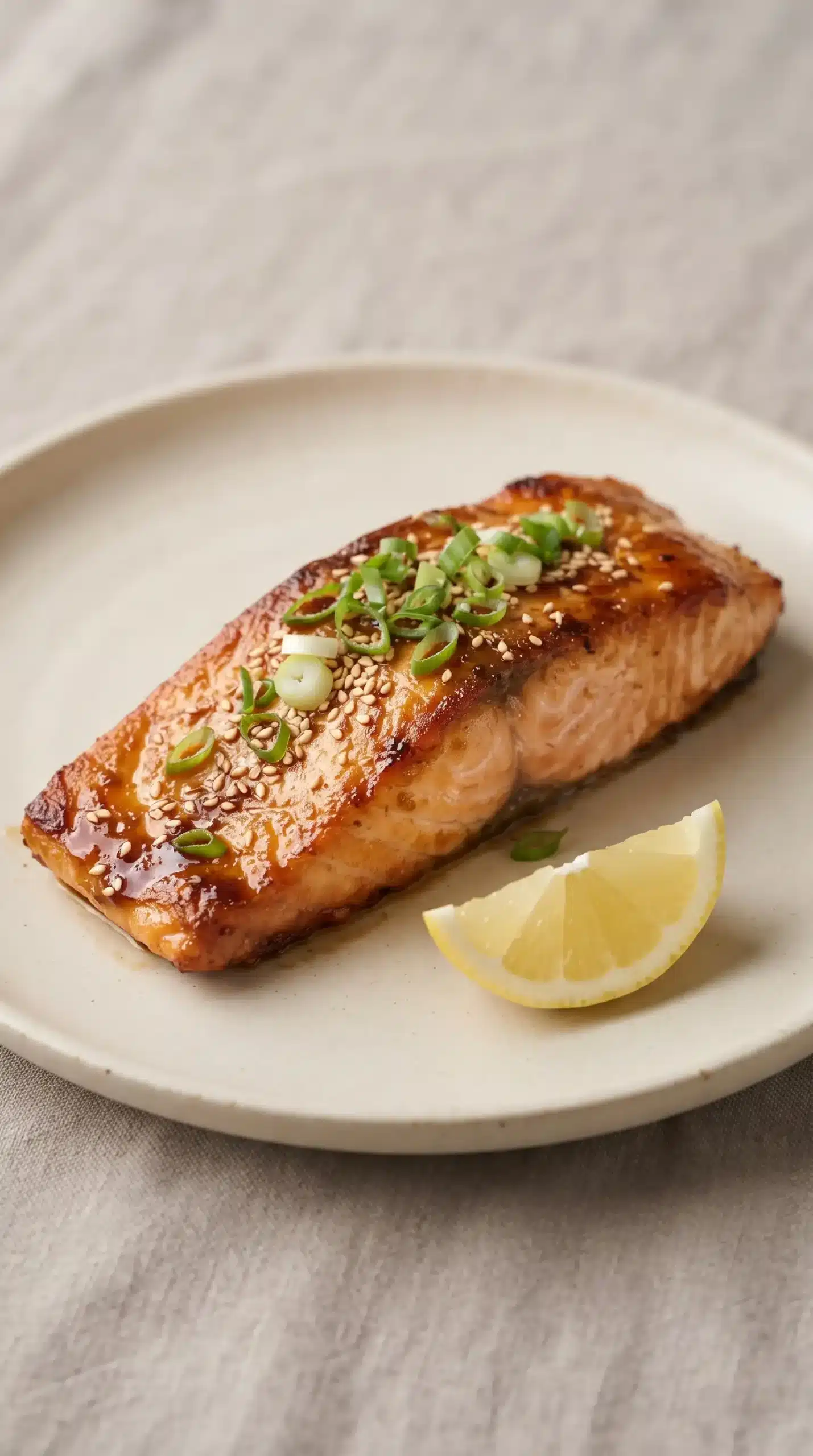
The signature quality of this dish comes from the meeting of several textures. Crispy skin provides a browned exterior, while the salmon underneath stays tender and flaky. The glaze adds a smooth sticky layer that connects those two sensations.
Fresh toppings contribute another dimension. Green onions add freshness, sesame seeds provide light crunch, and lemon wedges bring a bright finishing note that cuts through the richness of the fish.
Texture also depends on moisture control. A properly dried fillet develops better browning, and a carefully reduced glaze coats the salmon without becoming overly thick. Each part of the dish supports the others, creating a balanced plate.
Storage Keeps Leftover Salmon Ready for Another Meal
Store leftover Crispy Honey Garlic Glazed Salmon in an airtight container for up to 3 days. Reheat gently in the oven at 325°F until warmed through, or use an air fryer to help maintain some crisp texture.
Make-Ahead Steps Simplify a Busy Dinner
The glaze can be prepared ahead and refrigerated for up to 2 days. Having the sauce ready before cooking makes the skillet process smoother because the salmon can be finished quickly once searing begins.
Variations Add New Directions to Honey Garlic Salmon
Small adjustments can create different versions while keeping the core flavors intact. Red pepper flakes or sriracha create a spicy variation, orange juice and zest bring citrus sweetness, tamari provides a gluten-free option, and fresh herbs such as parsley or dill create a lighter finish.
Salmon Nutrition Supports a Balanced Meal
Crispy Honey Garlic Glazed Salmon provides protein, healthy fats, and nutrients naturally found in salmon, including omega-3 fatty acids, vitamin D, B vitamins, selenium, and potassium. Pairing the fish with vegetables or whole grains can create a satisfying meal with varied textures and flavors.
| Cooking Choice | Best Result | Common Issue |
|---|---|---|
| Dry salmon before searing | Crispier skin and better browning | Moist surface may steam |
| Leave fillets still while searing | Golden crust formation | Moving too soon can reduce crispness |
| Simmer glaze gently | Glossy coating with balanced flavor | High heat can burn honey |
Crispy Salmon and Glossy Glaze Create a Balanced Dinner
Crispy Honey Garlic Glazed Salmon succeeds because the cooking decisions work together. A dry fillet creates better browning, controlled heat protects the glaze, and the combination of honey, garlic, soy sauce, and lemon creates a flavor profile that feels complete.
The finished salmon delivers the qualities that make a dependable homemade dinner: crisp texture, tender fish, and a sauce that adds richness without requiring complicated preparation.
Honey Garlic Glazed Salmon Questions About Storage and Cooking
Can frozen salmon be used for this recipe?
Frozen salmon works well when it is completely thawed before cooking. Patting the thawed fillets dry is especially important because extra moisture can prevent the skin from crisping.
How can I tell when salmon is fully cooked?
Salmon is ready when it flakes easily and reaches 145°F internally. An instant-read thermometer can help confirm doneness without relying only on appearance.
Can the honey garlic glaze be prepared ahead?
Yes, the glaze can be mixed ahead and stored in the refrigerator for up to 2 days. Preparing it early makes the cooking process faster when dinner time arrives.
Why does my salmon skin not become crispy?
Soft skin usually comes from excess moisture, moving the fish too early, or insufficient contact with the hot skillet. Drying the fillets and allowing the skin side to sear undisturbed improves the texture.
Is honey garlic glazed salmon spicy?
The base glaze is not spicy. Red pepper flakes or sriracha can be added if you prefer a sweet heat variation while keeping the main flavors intact.
Honey Garlic Glazed Salmon with Honey Garlic Sauce
Ingredients
Method
- Dry the salmon fillets with paper towels, then season both sides with salt and black pepper.
- Combine honey, low-sodium soy sauce, minced garlic, fresh lemon juice, and optional red pepper flakes in a small bowl, whisking until blended.
- Warm olive oil in a large skillet over medium-high heat.
- Add the salmon fillets with the skin side facing down and cook for 4-5 minutes without shifting them until the skin is crisp.
- Turn the salmon carefully and cook the opposite side for about 2 minutes.
- Add the honey garlic glaze to the skillet around the salmon and simmer for 2-3 minutes, spooning the sauce over the fillets as it thickens and coats the fish.
- Continue cooking until the salmon separates easily with a fork and reaches an internal temperature of 145°F / 63°C.
- Take the skillet off the heat, allow the salmon to rest briefly, then finish with chopped green onions and sesame seeds and serve with lemon wedges.