Honey Garlic Salmon with Honey Garlic Glaze and Lemon
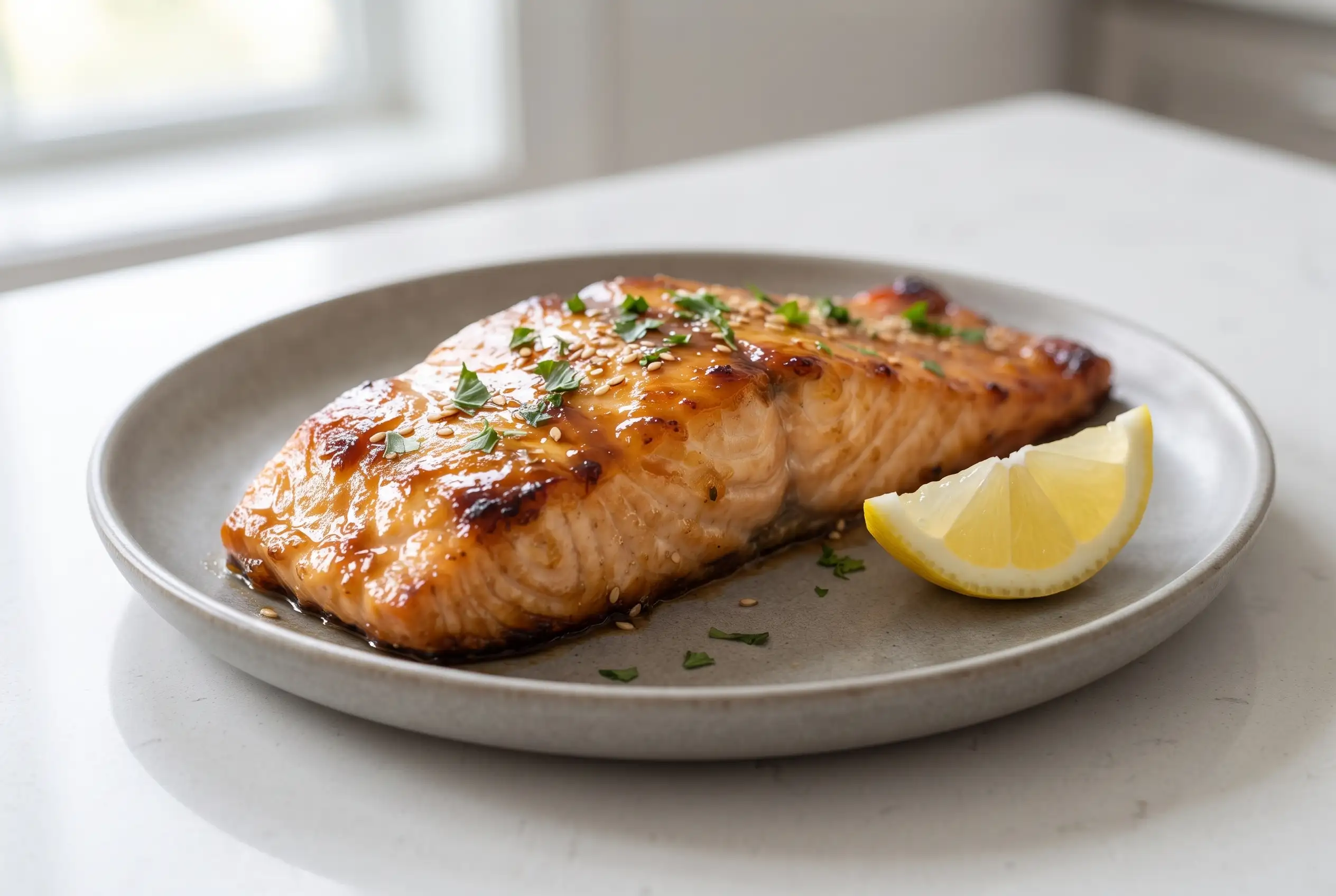
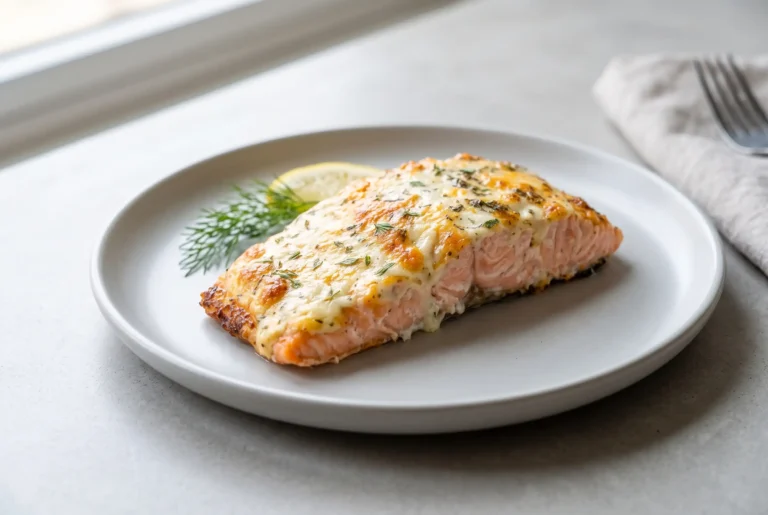
Honey Garlic Salmon brings together tender salmon fillets, a glossy honey garlic glaze, and simple pantry flavors for a seafood dinner that feels special without requiring complicated preparation. The sweet and savory coating caramelizes around the fish, creating a balance of richness, garlic depth, and fresh brightness from lemon.
This easy honey garlic salmon recipe is designed for cooks who want dependable flavor from a short ingredient list. The combination of a golden sear and sticky glaze makes each fillet satisfying enough for guests while remaining practical for busy evenings.
Why Honey Garlic Salmon Earns a Place on the Dinner Table
Salmon has a naturally rich texture, and the honey garlic coating complements that quality by adding contrasting flavors. Sweetness from honey, savory notes from soy sauce, and aromatic garlic create a glaze that enhances the fish without hiding its character.
Another appeal comes from the cooking style. A pan seared honey garlic salmon approach creates browned edges while allowing the center to stay tender and flaky. The skillet also gives the glaze time to thicken, helping it cling to every portion of the salmon.
Families and experienced cooks alike can appreciate the flexibility of this meal. The salmon works with rice, vegetables, noodles, potatoes, and salads, making it easy to adapt the serving style based on what is available.
Honey Garlic Salmon Flavor Starts With Smart Ingredient Choices
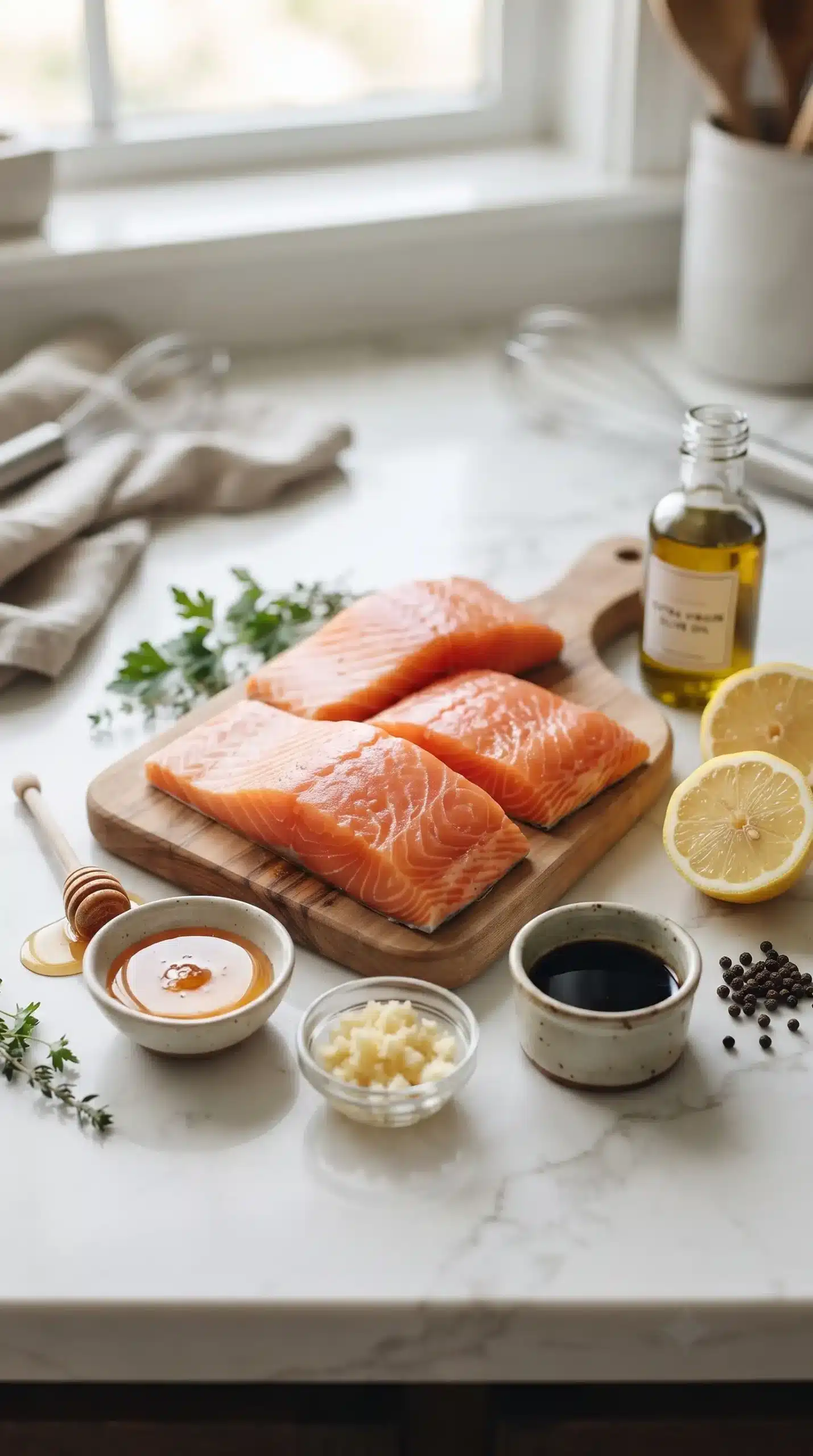
Fresh salmon provides the best texture, but properly thawed frozen fillets can also work well when they are dried thoroughly before cooking. Removing surface moisture helps the fish develop better browning and prevents excess steaming in the skillet.
Honey is responsible for the signature glossy finish. During cooking, it combines with garlic and soy sauce to form a sticky coating that balances the natural richness of salmon. Fresh minced garlic creates the strongest savory character, while lemon juice adds brightness that keeps the glaze from feeling too heavy.
Soy sauce contributes saltiness and umami, helping connect the sweet and savory parts of the dish. Low-sodium soy sauce can be used when a milder salty flavor is preferred. Olive oil supports the searing process by helping create golden surfaces and reducing sticking.
- Honey choice: Maple syrup or agave can replace honey when a different sweetener is preferred.
- Garlic options: Fresh garlic provides deeper flavor, while garlic powder can work when fresh is unavailable.
- Soy sauce swaps: Tamari or coconut aminos can be used for a gluten-free alternative.
Cooking Controls That Improve Pan Seared Honey Garlic Salmon
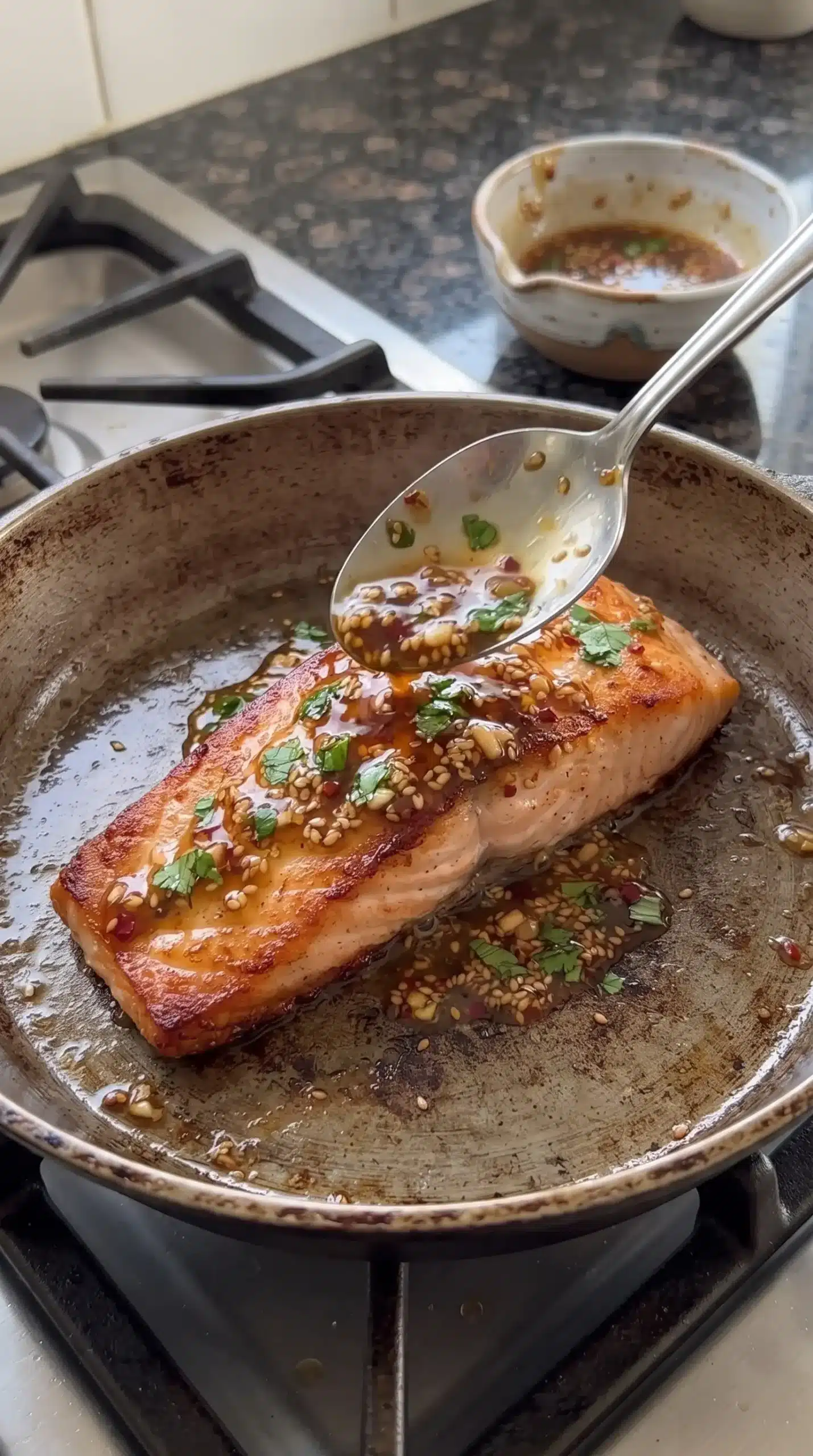
Successful salmon depends heavily on heat management and timing. Drying the fillets before they reach the skillet allows the surface to brown, while a properly heated pan encourages the edges to become golden.
Skin-side-down cooking, when using skin-on fillets, helps create a crisp exterior. Leaving the salmon undisturbed during the initial sear supports better crust formation and makes flipping easier.
Adding the glaze requires a gentler approach because honey can darken quickly at excessive temperatures. Slightly reducing heat after searing gives the sauce time to thicken while the salmon absorbs the sweet garlic flavor.
Spoon the glaze over the salmon as it cooks to build a more even coating. Careful cooking matters because salmon loses its appealing moist texture when it is left on heat too long.
| Cooking stage | Key action | Desired result |
|---|---|---|
| Searing | Keep salmon in contact with the hot skillet | Golden edges and better browning |
| Glazing | Lower heat and baste with sauce | Glossy caramelized coating |
| Finishing | Remove once salmon flakes easily | Tender interior texture |
Common Honey Garlic Salmon Mistakes and How to Avoid Them
Several small cooking choices can affect the texture and flavor of honey garlic salmon. Avoiding these problems keeps the glaze balanced and helps the fish cook evenly.
- Wet fillets: Pat salmon dry before seasoning so browning can happen properly.
- Excessive heat: Reduce temperature when the glaze is added to prevent the honey from burning.
- Overcrowded skillet: Leave enough space for the salmon to sear instead of releasing too much moisture.
- Overcooking: Watch the texture closely because dry salmon quickly loses its tenderness.
- Burned garlic: Control the heat to keep the garlic flavorful instead of bitter.
Serving Ideas That Balance the Sweet Glaze
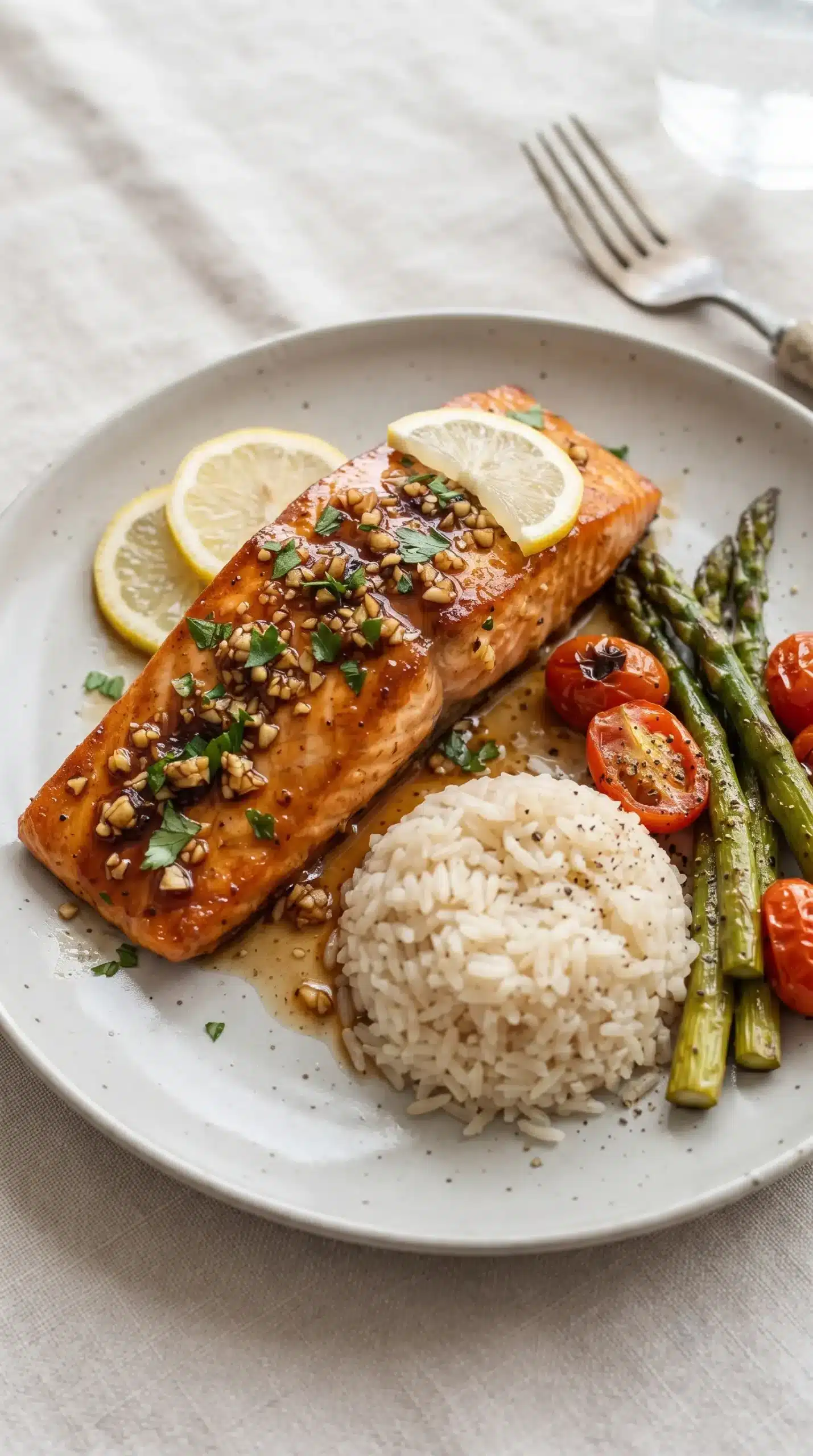
Honey garlic salmon pairs naturally with simple sides that can absorb the flavorful sauce. Steamed rice is a classic choice because it catches extra glaze, while roasted vegetables provide a fresh contrast.
Other suitable pairings include quinoa, garlic noodles, green beans, roasted potatoes, side salads, and stir-fried vegetables. These options allow the salmon to become part of a complete meal without competing with the main flavor.
| Side pairing | Texture contribution | Flavor role |
|---|---|---|
| Steamed rice | Soft and absorbent | Carries the honey garlic glaze |
| Roasted broccoli | Slightly crisp | Adds vegetable freshness |
| Roasted potatoes | Crisp outside, tender inside | Creates a hearty meal balance |
Simple Variations for Honey Garlic Salmon
The base flavors of honey, garlic, and salmon make it easy to adjust the dish for different preferences. A spicy version can include chili flakes or sriracha for added heat, while ginger can bring an Asian-inspired direction to the glaze.
Baking offers another option for cooks who prefer hands-off preparation. A baked honey garlic salmon method can be prepared at 375°F until the fish is tender and flaky. An air fryer method can create a quick meal with less active cooking time.
Vegetables can be incorporated alongside the salmon for a one-pan style meal. Broccoli, asparagus, and zucchini are especially suitable choices because they pair well with the sweet savory coating.
Storage and Meal Prep Uses for Honey Garlic Salmon
Cooked honey garlic salmon can be stored in an airtight container for later meals. Gentle reheating helps protect the moist texture, while excessive heat can make the fish dry.
Leftovers can become part of rice bowls, salads, wraps, pasta dishes, or prepared meal containers. The glaze continues to provide flavor even when the salmon is served in a different format.
Preparing the sauce ahead can shorten cooking time on busy days. The glaze may be refrigerated until needed, and the salmon can be marinated briefly before cooking for deeper flavor.
Budget-Friendly Ways to Prepare Honey Garlic Salmon
Choosing frozen salmon can make this meal more affordable while still producing excellent results when the fillets are thawed and dried correctly. Buying larger packages and portioning salmon at home may also help control costs.
Pantry staples such as honey and soy sauce are used in small amounts, allowing the flavors to stretch across multiple meals. Optional garnishes and specialty additions can be skipped without removing the main appeal of the dish.
Kitchen Tools That Support Better Salmon Results
A large skillet is the most important piece of equipment for creating browned salmon and caramelized glaze. Cast iron or stainless steel pans can help develop strong searing results, while nonstick skillets are also useful for easier handling.
A flexible spatula helps protect the fillets during flipping, and paper towels play an important role by removing moisture before cooking. A small bowl, measuring tools, a knife, and a cutting board complete the basic setup.
Drying salmon before it reaches the pan is more than a preparation step because a dry surface improves browning during searing. Removing excess moisture helps the exterior develop a better golden crust while the fish cooks.
An instant-read thermometer is optional but useful for checking doneness. Salmon should reach 145°F internally and should flake easily when properly cooked.
Nutrition Notes Behind Honey Garlic Salmon
Salmon provides high-quality protein, omega-3 fatty acids, vitamin D, B vitamins, and healthy fats. Garlic contributes additional flavor along with naturally occurring antioxidant compounds.
The combination of protein-rich salmon and simple sides can create a satisfying meal that feels balanced. The sweet glaze adds enjoyment while the fish remains the central ingredient.
30 Minute Honey Garlic Salmon Cooking Timeline
A clear timeline helps keep the cooking process organized. Preparing the sauce and ingredients first makes the skillet work more smoothly once the salmon begins cooking.
- Preparation stage: Whisk the glaze and prepare the salmon surface.
- Searing stage: Cook the salmon until the exterior develops color.
- Glazing stage: Add sauce and baste while it thickens.
- Serving stage: Finish with lemon and garnish before plating.
Honey Garlic Salmon Delivers Restaurant-Style Flavor With Careful Heat
Honey garlic salmon succeeds because the most important cooking choices are simple: dry the fish, manage the skillet temperature, and allow the glaze to caramelize without burning. Those details create the contrast of flaky salmon, golden edges, and a glossy sweet-savory coating.
Salmon prepared with this balance of heat and seasoning becomes a reliable seafood dinner that works for weeknights, meal preparation, and occasions where a polished dish is needed without unnecessary complexity.
Honey Garlic Salmon Questions About Storage, Cooking, and Substitutions
Can frozen salmon be used for honey garlic salmon?
Frozen salmon works well when it is completely thawed before cooking. Drying the thawed fillets helps improve browning and supports a better final texture.
How can the salmon stay moist while cooking?
Careful timing is the key. Removing the salmon once it flakes easily and avoiding excessive heat after adding the glaze helps preserve its tender texture.
Can the honey garlic sauce be prepared ahead?
Yes, the sauce can be mixed ahead and refrigerated until needed. Preparing the glaze in advance can make dinner preparation faster.
What can replace soy sauce in the glaze?
Tamari or coconut aminos can replace soy sauce when a gluten-free option is needed while maintaining the savory quality of the sauce.
Which vegetables work well with this salmon?
Broccoli, asparagus, zucchini, carrots, and green beans pair well because their flavors complement the sweet garlic glaze.
Honey Garlic Salmon with Honey Garlic Glaze and Lemon
Ingredients
Method
- Combine honey, minced garlic, soy sauce, lemon juice, salt, and black pepper in a small bowl and whisk until blended.
- Dry the salmon fillets with paper towels, then lightly season both sides with salt and black pepper.
- Warm the olive oil in a large skillet over medium-high heat.
- Arrange the salmon fillets skin-side down in the skillet and cook for 4–5 minutes until the skin becomes crisp and golden.
- Lower the heat slightly, add the honey garlic sauce to the skillet, and spoon the glaze over the salmon as it cooks.
- Turn the salmon carefully and continue cooking for another 3–4 minutes until the glaze thickens and the salmon reaches 145°F / 63°C internally.
- Take the salmon off the heat once it flakes easily with a fork, then garnish with parsley and serve with lemon wedges.