Brown Sugar Meatloaf with Brown Sugar Glaze Recipe
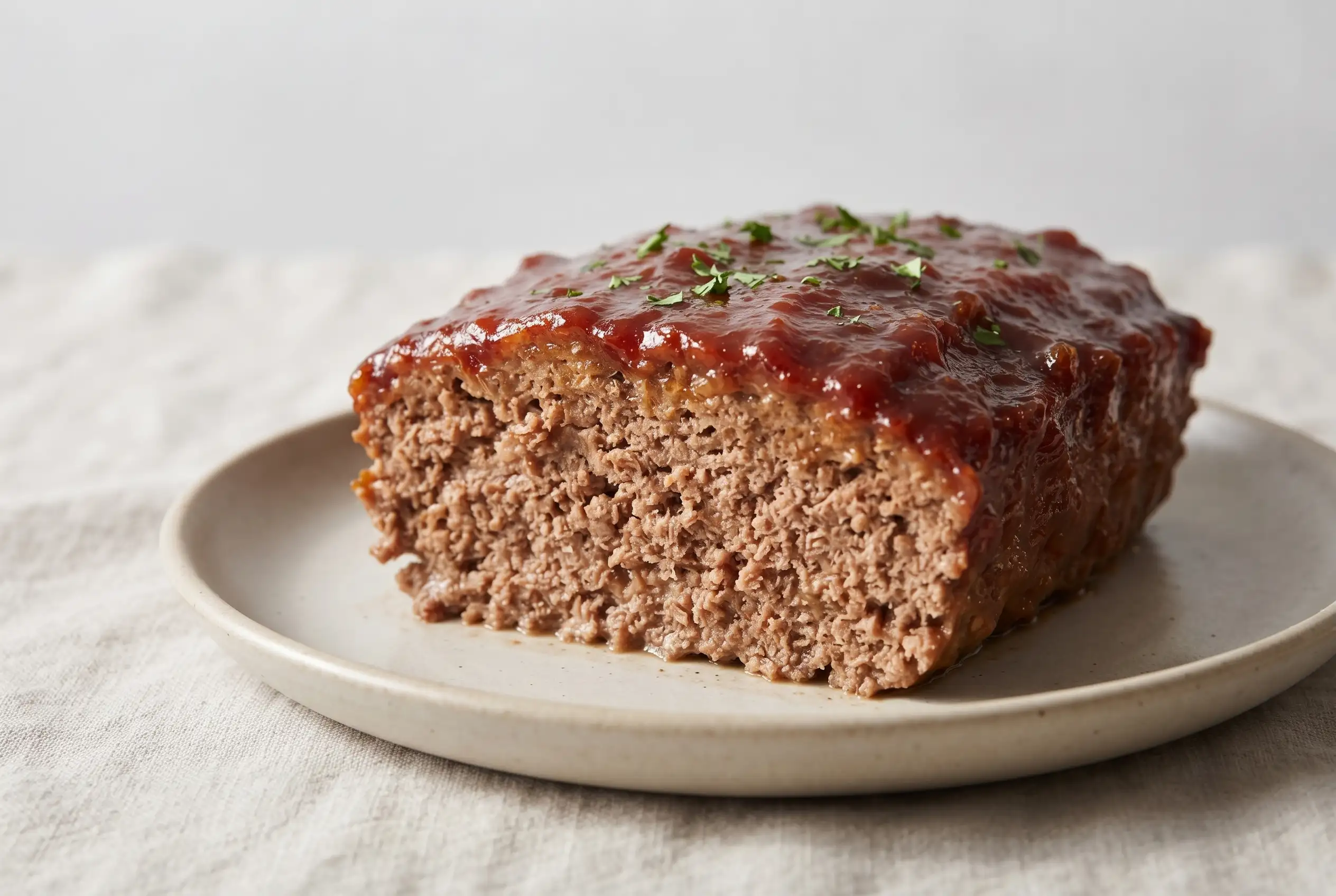
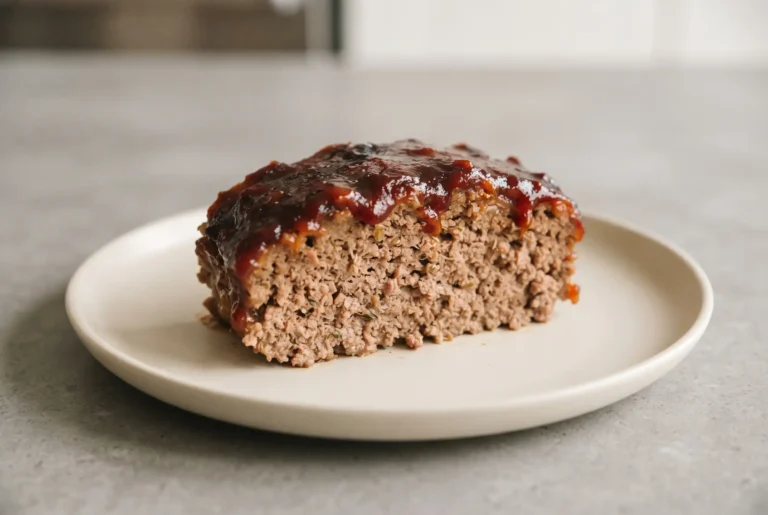
Meatloaf with Brown Sugar Glaze brings classic comfort food flavor to the dinner table with tender seasoned ground beef and a glossy sweet-savory topping. The caramelized glaze creates a rich contrast against the juicy center, making this an easy meatloaf recipe that feels familiar while still offering plenty of flavor.
Families enjoy this brown sugar glazed meatloaf because the ingredients are simple, the preparation is approachable, and the finished slices work well for both weeknight meals and planned leftovers. Careful mixing, balanced moisture, and controlled baking help create a dependable juicy meatloaf recipe.
Why Meatloaf with Brown Sugar Glaze Stays a Comfort Food Favorite
Classic dinners often succeed because they combine straightforward ingredients with satisfying textures. Ground beef, breadcrumbs, milk, eggs, and seasonings create a tender base, while the brown sugar topping adds sweetness and tang that develops during baking.
Another reason this dish remains popular is flexibility. Slices can be served with traditional sides, packed for lunches, or adapted with small changes such as different sauces or lighter proteins. The recipe keeps its familiar character while allowing room for personal preferences.
Brown Sugar Glaze Creates the Signature Flavor Balance
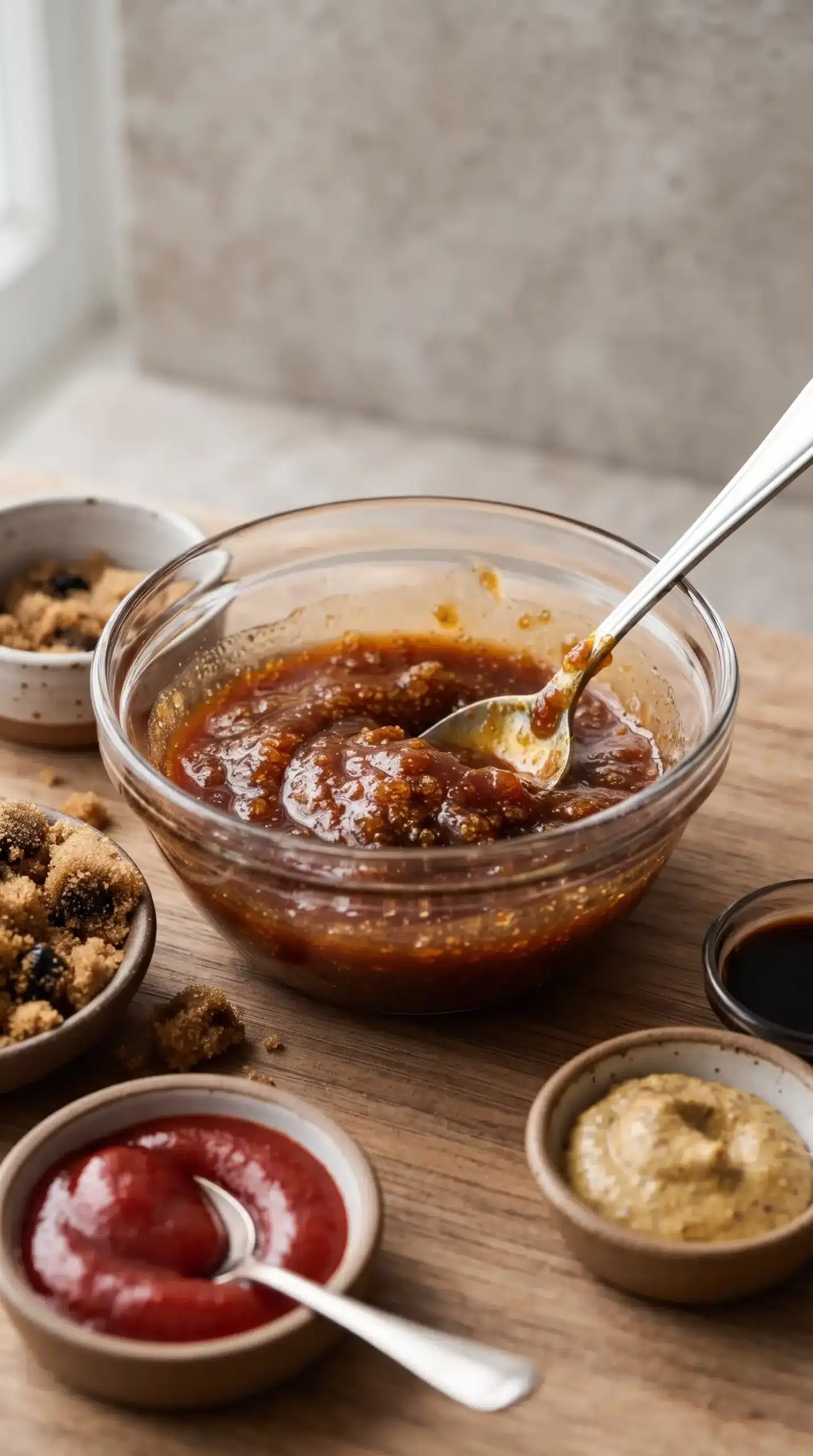
Glaze preparation has a major influence on the finished dish because the topping brings together brown sugar, ketchup, Dijon mustard, and Worcestershire sauce. Each element works with the others to create a coating that is sweet, tangy, and savory.
Brown sugar contributes the caramelized quality that makes the surface glossy after baking. Ketchup provides tomato-based richness, while Dijon mustard prevents the sweetness from becoming overwhelming. Worcestershire sauce adds depth that complements the beef mixture.
Ingredient choices also affect the interior texture. An 80/20 ground beef blend provides moisture, breadcrumbs absorb liquid, milk softens the mixture, and eggs help the loaf maintain its shape after cooking.
Moisture Decisions Shape a Juicy Meatloaf Recipe
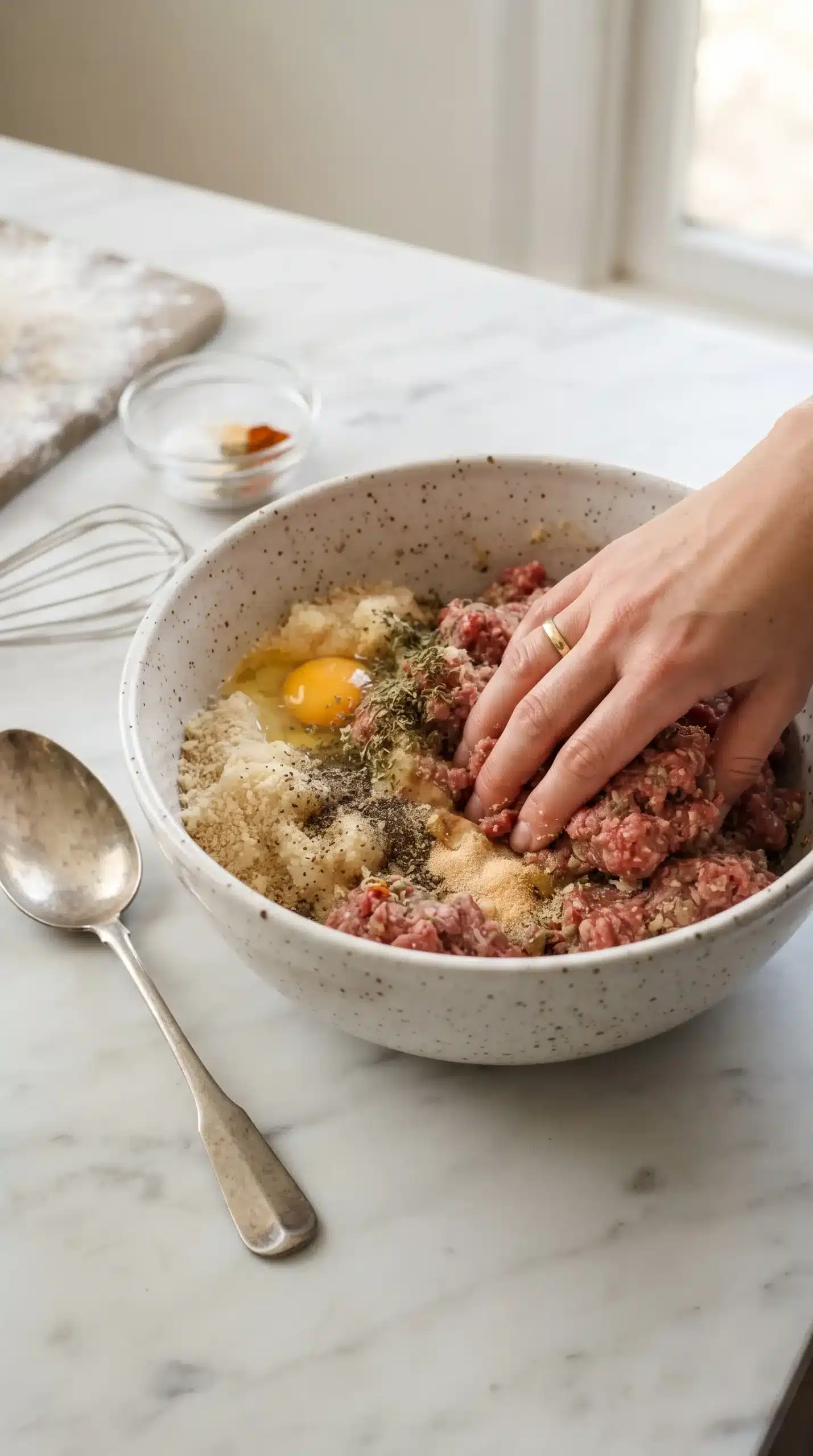
Balanced moisture is one of the most important factors in a successful meatloaf. Breadcrumbs and milk form a mixture that helps retain tenderness while keeping the beef from becoming dry during baking.
Gentle handling matters throughout preparation. Mixing the ingredients only until combined keeps the texture soft, while overmixing ground meat can create a firmer, denser loaf. Even shaping also supports consistent cooking from edge to center.
Small ingredient adjustments can change the finished texture. Panko breadcrumbs may create a lighter feel, while ground turkey can offer a different flavor profile. Gluten-free breadcrumbs or oats can also replace traditional breadcrumbs when needed.
Cooking Controls Protect the Glazed Meatloaf Texture
Temperature management determines how well the meatloaf cooks. Baking at 350°F allows the center to cook gradually while the glaze has time to thicken and develop its caramelized surface.
Several cooking decisions have the biggest impact on results:
- Glaze timing: Applying the topping in two stages builds deeper flavor and a more finished appearance.
- Temperature checking: An instant-read thermometer helps confirm that the center reaches 160°F.
- Resting period: Waiting before slicing allows juices to redistribute for cleaner cuts.
A consistent loaf shape also supports even baking. A thick center combined with thin edges can lead to uneven texture, so forming the mixture into a uniform loaf helps every portion finish properly.
| Cooking Choice | Purpose | Result |
|---|---|---|
| Gentle mixing | Protects the meat structure | Softer slices |
| Two glaze applications | Builds flavor layers | Glossy caramelized topping |
| Resting before slicing | Allows juices to settle | Better slice stability |
Mistakes That Can Ruin Meatloaf with Brown Sugar Glaze
Overmixing creates one of the most common texture problems. When the beef mixture is worked too much, the finished loaf can become compact instead of tender.
Cutting immediately after baking can also affect the serving experience. Without resting time, juices may escape more quickly and slices may lose their structure.
Very lean beef presents another challenge because less fat can produce a drier result. Proper seasoning, moisture from the breadcrumb mixture, and careful baking help maintain a better balance.
Side Pairings Complete the Meatloaf Dinner
Comforting sides highlight the sweet glaze and savory beef flavors, creating a balanced family meal with familiar textures.
- Mashed potatoes
- Green beans
- Roasted carrots
- Mac and cheese
- Buttered corn
- Garden salad
Storage Methods Keep Leftover Meatloaf Ready
Proper storage helps maintain the flavor and texture of leftover slices. Cooked meatloaf can be kept in an airtight container for up to 3 days.
Freezing works well for both whole loaves and individual portions. Wrapping the meat tightly in foil helps protect the slices while they are stored for up to 3 months.
Reheating gently preserves moisture. Oven warming at 350°F or careful microwave heating can restore the meal, and adding extra glaze can refresh the topping.
Make-Ahead Planning Simplifies Dinner Preparation
Advance preparation makes Meatloaf with Brown Sugar Glaze useful for busy schedules. The assembled loaf can be refrigerated before baking, allowing cooking to happen later with less active preparation.
Family Adjustments Make Meatloaf More Flexible
Kid-friendly changes often focus on texture and familiar flavors. Finely grated onion can blend more smoothly into the mixture, while smaller portions can create extra caramelized edges that many diners enjoy.
Another option is adding finely shredded vegetables such as carrots or zucchini. These additions can blend into the loaf while keeping the overall dish approachable for different preferences.
Leftover slices can become simple sandwiches with toasted bread and melted cheese. This gives the meal a second use while keeping the comforting flavors intact.
Variations Add New Directions to Brown Sugar Glazed Meatloaf
Simple swaps can create new versions without changing the basic cooking approach. Barbecue sauce can replace ketchup for a smoky variation, while shredded cheddar can create a richer style with the familiar flavors found in cheeseburger meatloaf.
Kitchen Tools Support Consistent Meatloaf Results
A large mixing bowl, loaf pan or baking sheet, whisk, and thermometer provide the essential tools for preparing Meatloaf with Brown Sugar Glaze successfully.
Meatloaf with Brown Sugar Glaze Delivers Balanced Comfort
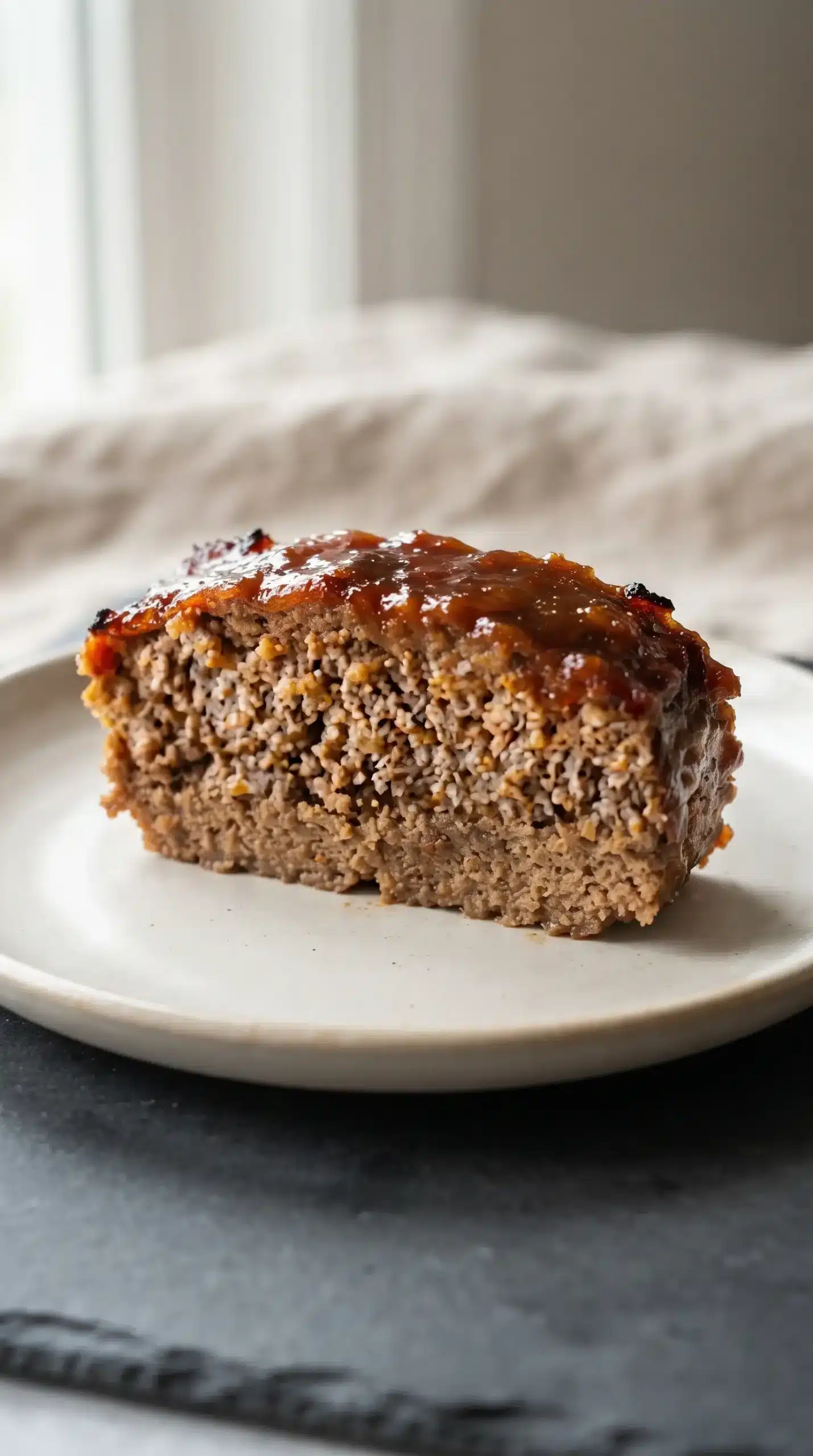
Meatloaf with Brown Sugar Glaze succeeds when the tender beef mixture, moisture control, and caramelized topping work together. The most important choices happen before serving: mix gently, monitor the center temperature, and allow the loaf to rest so each slice keeps its texture.
Careful baking transforms everyday ingredients into a dinner with savory depth, sweet glaze, and dependable homemade appeal.
Meatloaf with Brown Sugar Glaze Questions and Answers
How can I keep meatloaf from falling apart?
Proper binding helps slices stay together. Eggs and breadcrumbs provide structure, while resting after baking allows the loaf to firm slightly before cutting.
Can I prepare Meatloaf with Brown Sugar Glaze ahead of time?
Yes. The assembled loaf can be refrigerated before baking, which makes it easier to plan dinner preparation around a busy schedule.
What beef blend works best for meatloaf?
An 80/20 ground beef blend is a strong choice because the fat content helps create a moist texture and richer flavor.
Why does my glaze not caramelize?
The glaze needs enough baking time to thicken and develop its surface flavor. Applying it in two stages helps create a more noticeable topping.
Can cooked meatloaf be frozen?
Cooked meatloaf freezes well when wrapped tightly. Whole loaves or slices can be stored and reheated when needed.
Brown Sugar Meatloaf with Brown Sugar Glaze
Ingredients
Method
- Heat the oven to 350°F / 175°C and prepare a loaf pan or baking sheet with grease or parchment paper.
- Add the ground beef, onion, garlic, eggs, milk, breadcrumbs, 1/4 cup ketchup, 1 tablespoon Worcestershire sauce, salt, and pepper to a large bowl.
- Combine the mixture gently until all ingredients are incorporated without overmixing.
- Form the meat mixture into a loaf shape and transfer it to the prepared pan.
- Stir together brown sugar, 1/2 cup ketchup, Dijon mustard, and 1 teaspoon Worcestershire sauce until the glaze is smooth.
- Coat the top of the meatloaf with half of the prepared glaze.
- Bake the meatloaf for 40 minutes.
- Apply the remaining glaze over the meatloaf and bake for an additional 15 to 20 minutes, until the internal temperature reaches 160°F / 71°C.
- Allow the meatloaf to rest for 10 minutes before slicing and serving.