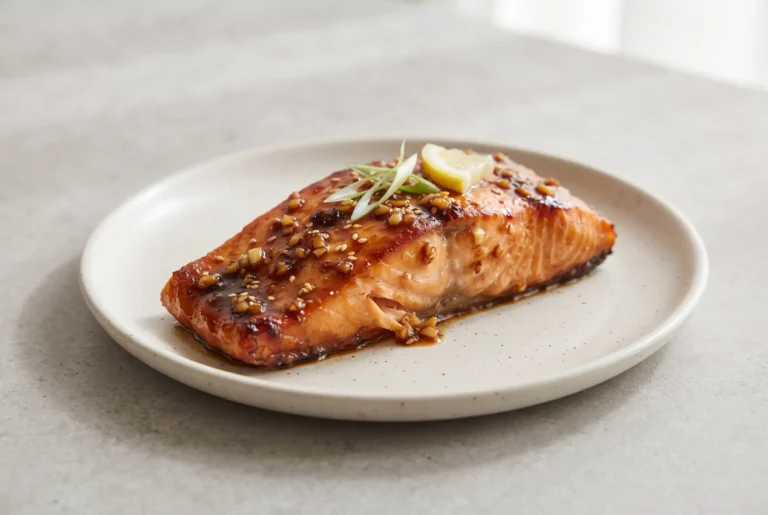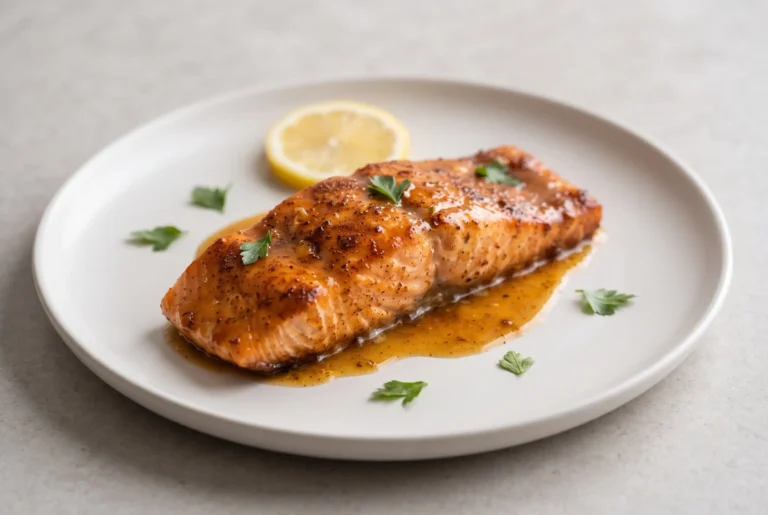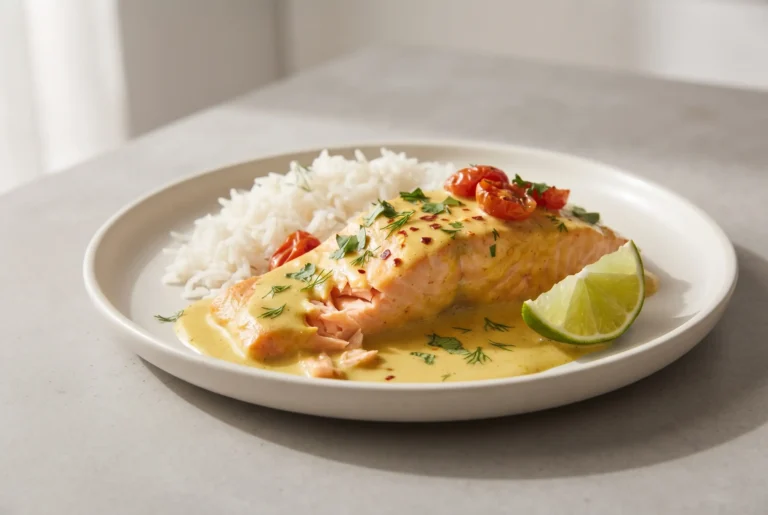
Dijon Salmon with Creamy Lemon Dijon Sauce 25-Minute Dinner
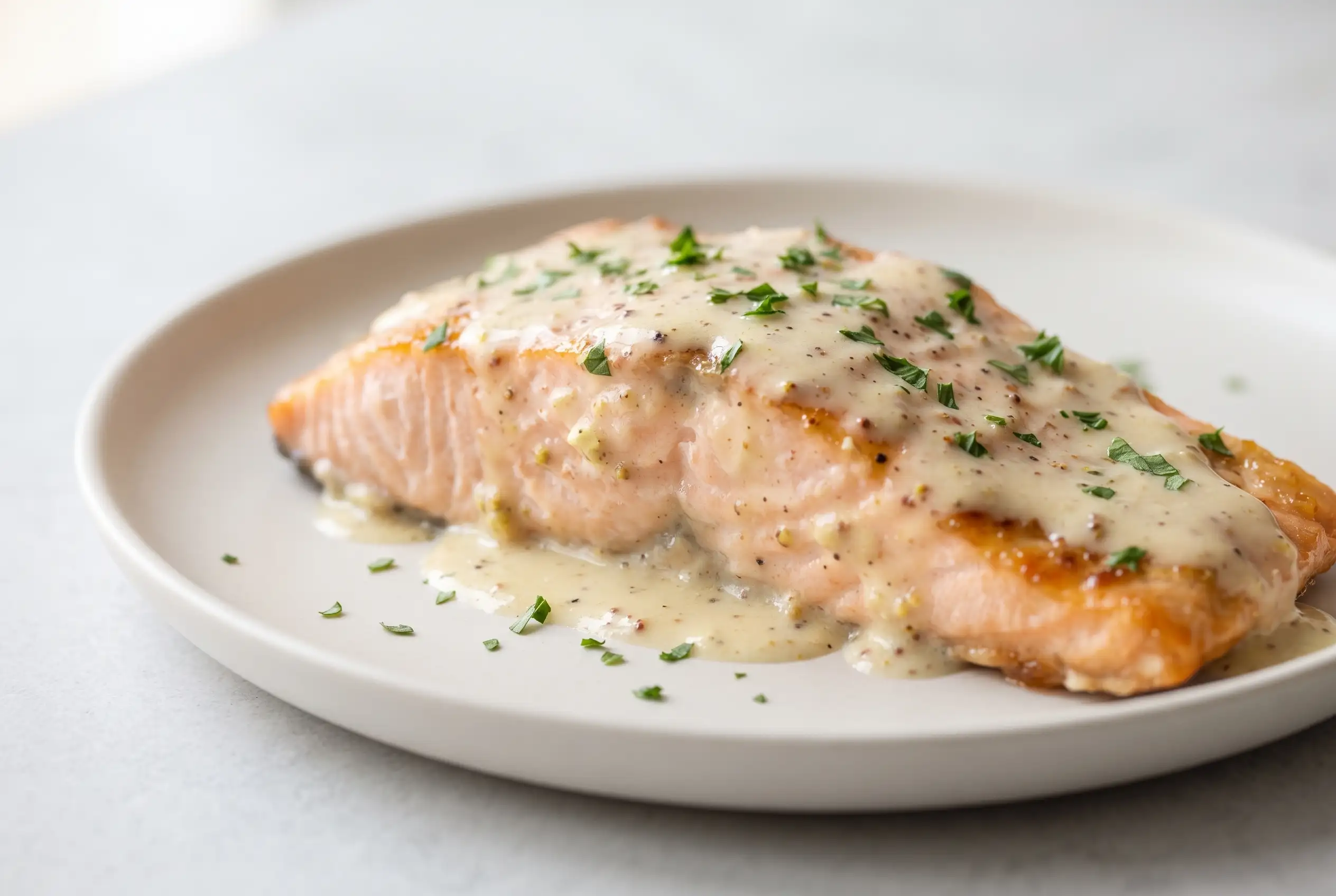
Dijon salmon is a rich seafood dinner built around tender baked salmon, a tangy mustard coating, and a creamy lemon Dijon sauce. The combination of sharp Dijon mustard, bright citrus, garlic, and buttery fish creates a meal that feels polished while remaining approachable for home cooks.
Fresh flavors come together quickly in this easy baked salmon dinner, making it a useful choice for busy evenings or relaxed gatherings. The creamy Dijon salmon recipe delivers contrast in every bite: flaky salmon, a lightly caramelized topping, and a smooth sauce finished with parsley.
Dijon Salmon Brings Weeknight Elegance
Few seafood dishes create such a balanced result with simple preparation. Dijon salmon combines bold seasoning with a gentle cooking approach that keeps the fish moist while allowing the sauce to add richness after baking.
Why Dijon Mustard Defines the Flavor Balance
Dijon mustard is the defining element that shapes the character of this dish. Its sharp flavor cuts through the natural richness of salmon, creating a brighter overall taste without hiding the fish itself.
The distinctive taste of this ingredient comes from the qualities that define Dijon mustard characteristics, including the sharp, pungent profile associated with prepared mustard made from dark mustard seeds and seasonings.
The glaze uses Dijon mustard with olive oil, lemon juice, garlic powder, salt, and pepper to create a coating that clings well to the salmon. During baking, the topping develops additional depth while helping create a flavorful surface.
Beyond the baked coating, the lemon Dijon sauce adds another layer of flavor. The mixture of Dijon mustard, mayonnaise, honey, lemon juice, lemon zest, and garlic powder creates a creamy finish where acidity and sweetness balance the mustard’s intensity.
Fresh lemon remains especially important because it keeps the dish from feeling too rich. The citrus notes brighten both the salmon and sauce, giving the finished plate a cleaner, fresher taste.
Choosing Salmon and Sauce Components Wisely
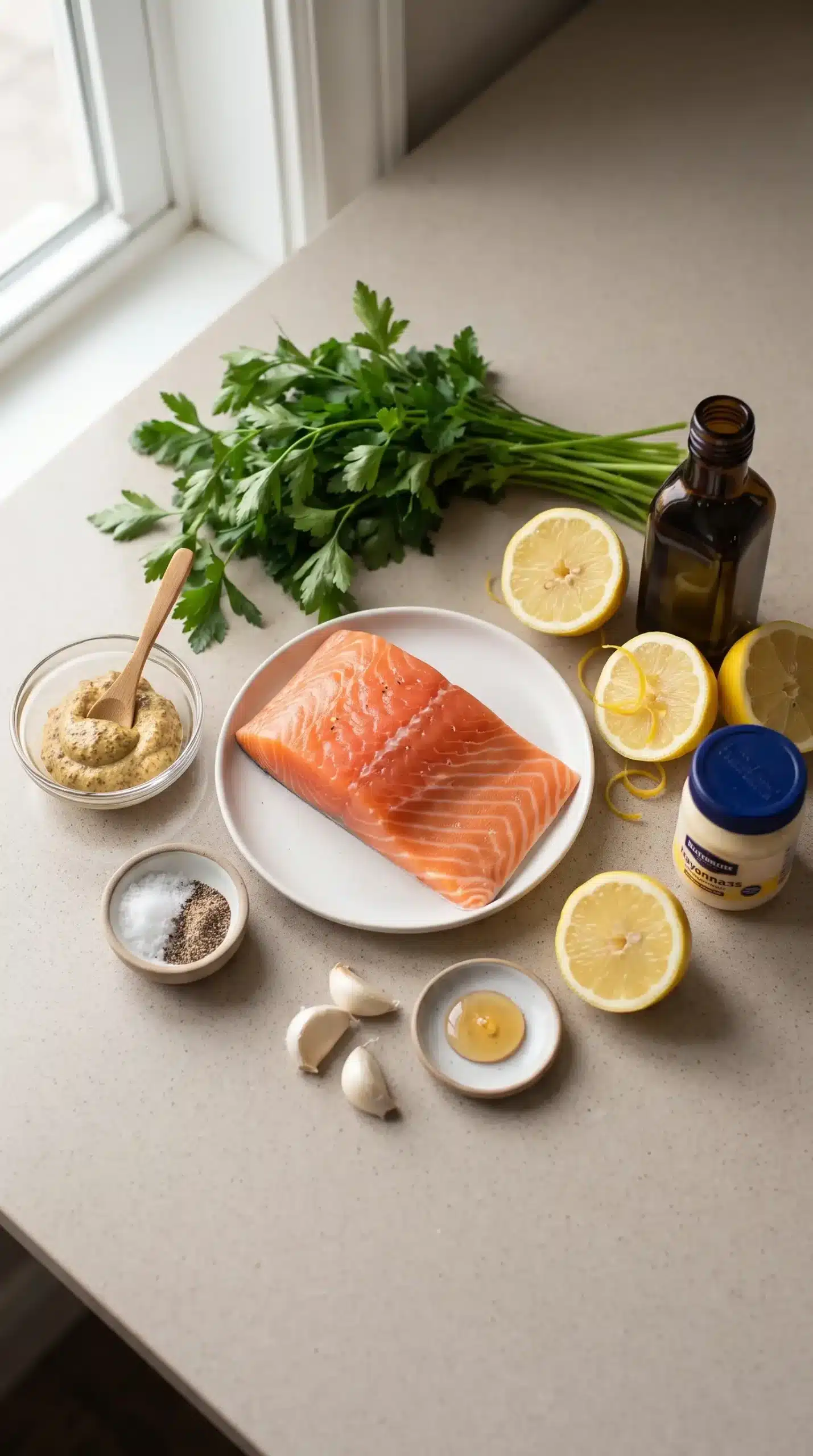
Selecting suitable ingredients helps maintain the texture and flavor balance that makes lemon Dijon salmon successful. Salmon provides the main structure of the meal, while the sauce ingredients support its richness with acidity, creaminess, and gentle sweetness.
| Choice | Effect in the dish | Useful consideration |
|---|---|---|
| Atlantic salmon | Moist texture and buttery richness | Works well for a tender baked result |
| Sockeye salmon | Stronger salmon flavor | Offers a more pronounced fish taste |
| Whole grain mustard | Extra texture in place of Dijon | Changes the coating consistency |
| Greek yogurt | Lighter creamy sauce option | Can replace part or all of the mayonnaise |
Frozen salmon can also work effectively when it is fully thawed before cooking. Since the sauce contributes moisture and flavor, properly prepared frozen fillets can still produce a satisfying result.
Fresh parsley provides the finishing touch by adding color and freshness. Other herbs such as dill, thyme, and chives can also complement the mustard and salmon flavors.
Timing Controls That Keep Dijon Salmon Tender
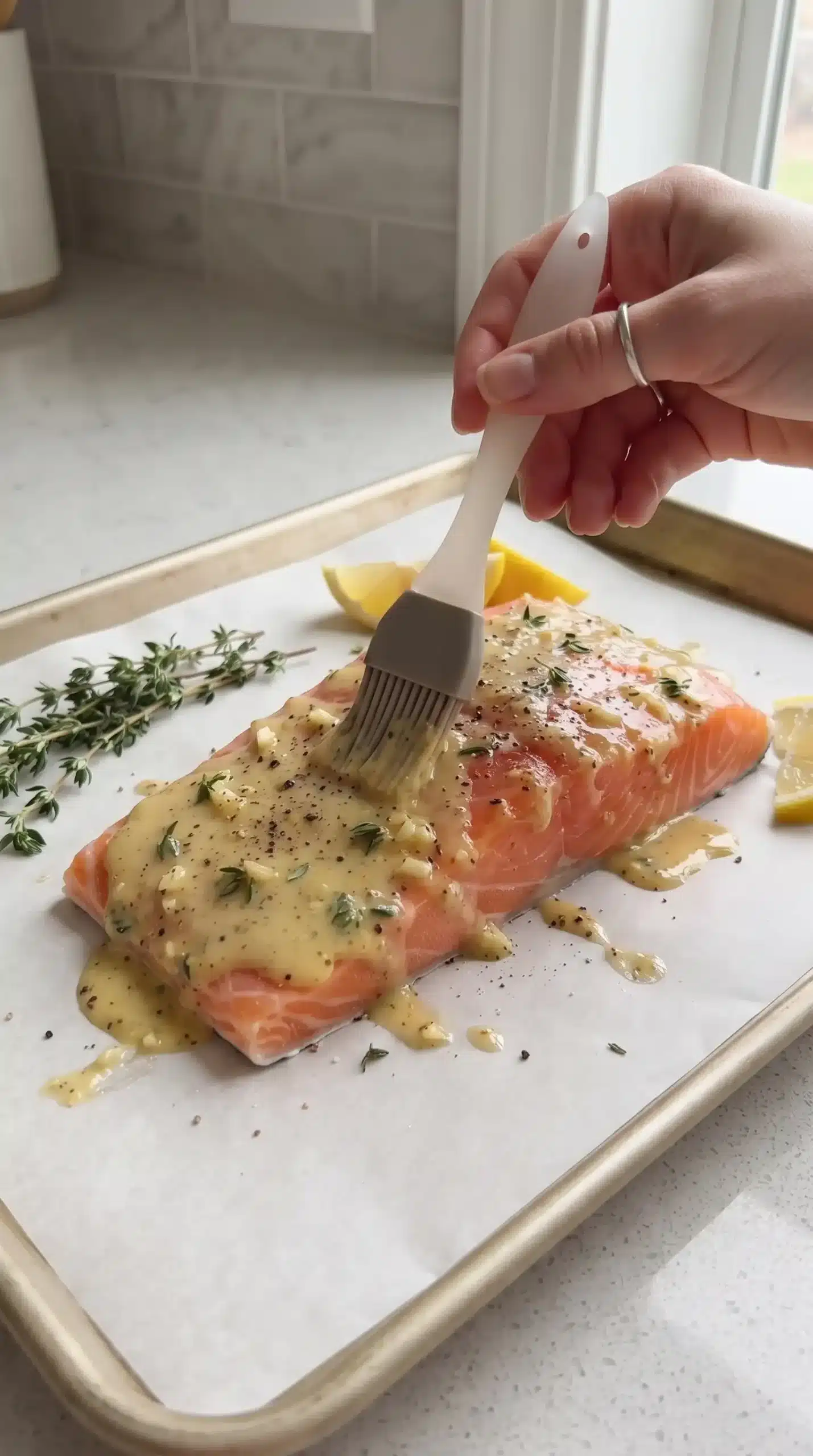
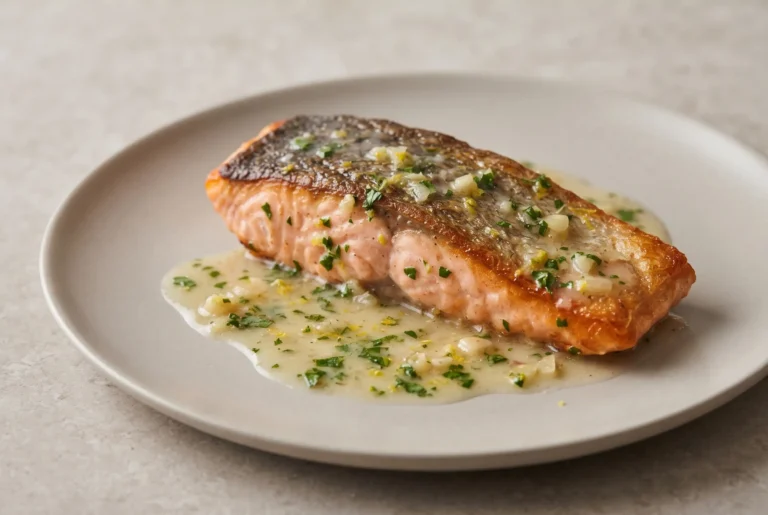
Careful temperature control matters more than complicated techniques when preparing Dijon salmon. The fish should cook until it flakes easily while maintaining a moist interior, and methods such as pan-seared salmon with lemon butter highlight how timing and heat management influence a tender seafood result.
Patting the salmon dry before seasoning helps the Dijon coating adhere better and supports improved browning. Excess moisture can prevent the glaze from sitting evenly across the surface.
Baking the salmon skin-side down allows the fillets to cook steadily on the prepared baking sheet. The fish is finished when it reaches the proper doneness and separates easily with a fork.
A brief broil can add extra color to the top of the salmon. This short finishing step creates additional visual appeal without changing the simple baking approach.
Mistakes That Can Ruin Dijon Salmon Texture
Small preparation errors can affect the final texture and flavor of Dijon salmon. Avoiding these common problems helps preserve the balance between flaky fish, creamy sauce, and bright seasoning.
- Overbaking fish: Excess cooking time can leave salmon dry and reduce its naturally tender texture.
- Skipping citrus: Removing lemon eliminates the acidity that balances the rich salmon and sauce.
- Adding excess salt: Dijon mustard already contributes seasoning, so extra salt should be used carefully.
- Overpowering mustard: Too much Dijon can dominate the other flavors instead of creating harmony.
Another common issue occurs when cold salmon moves directly from refrigeration into cooking. Allowing it to sit briefly before preparation can encourage more even cooking throughout the fillet.
Keeping the creamy lemon Dijon sauce separate until serving also protects its smooth texture and fresh flavor. Adding it after baking creates the best contrast between warm salmon and cool sauce.
Serving Ideas That Complete Lemon Dijon Salmon
Dijon salmon pairs naturally with sides that can support its creamy sauce and bright flavors. Options such as roasted vegetables, rice, quinoa, potatoes, and noodles all provide different ways to build a complete meal.
Make-Ahead Storage Options for Dijon Salmon
Leftover Dijon salmon can be stored in an airtight container for up to 3 days in the refrigerator. Cooked salmon can also be frozen tightly wrapped for up to 2 months, while gentle reheating helps protect its texture.
Meal Prep Uses for Easy Baked Salmon Dinner
Preparing components ahead makes Dijon salmon convenient for planned meals. The sauce can be made in advance, garnishes can be prepared early, and portions can be arranged with selected sides before serving.
Recipe Variations for Different Dijon Salmon Preferences
The core flavors of Dijon salmon can be adjusted while keeping the essential mustard and lemon profile. Different additions create new versions suited to different tastes.
- Spicy option: Add cayenne pepper or red pepper flakes for extra heat.
- Herb-focused version: Blend dill or thyme into the sauce for a fresh variation.
- Air fryer approach: Cook salmon at 375°F for 8–10 minutes.
- Lower-carb adjustment: Replace honey with a keto-friendly sweetener.
These variations keep the dish flexible while maintaining the creamy, tangy character that defines the original preparation.
Nutrition Notes Around Dijon Salmon
Salmon contributes omega-3 fatty acids, high-quality protein, vitamin D, selenium, and B vitamins. Dijon mustard, lemon, and herbs add flavor while helping create a balanced seafood meal.
Golden Flaky Dijon Salmon Delivers Balanced Flavor
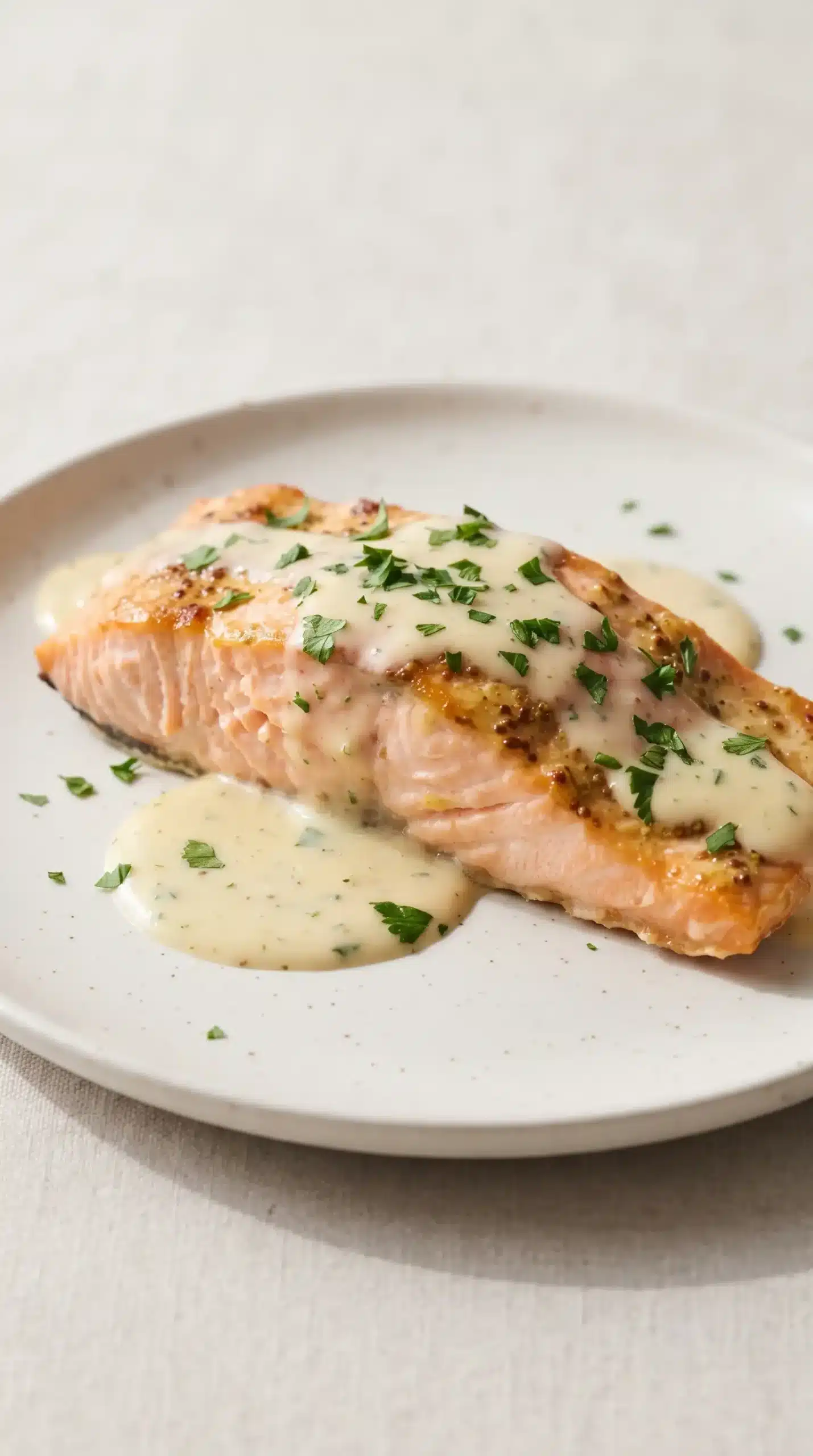
Salmon cooked until tender, paired with a creamy lemon Dijon sauce, creates the central success of this dish. The most important judgment is protecting the fish’s texture while allowing the mustard, citrus, and garlic flavors to complement its richness.
Dijon salmon works because each element has a clear purpose: the coating adds depth, the sauce adds smoothness, and fresh lemon keeps the plate lively. When those parts remain balanced, the result is a seafood dinner that feels both comforting and refined.
Dijon Salmon Questions and Answers About Cooking Concerns
Can frozen salmon be used for Dijon salmon?
Yes, frozen salmon works well when it is thawed completely before cooking. Proper thawing helps the fish cook more evenly and allows the Dijon coating to spread smoothly.
How can the salmon stay moist while baking?
Keeping an eye on doneness is the most important factor. Salmon should flake easily while remaining tender inside, and avoiding unnecessary extra baking time helps protect its texture.
Can the lemon Dijon sauce be prepared early?
Yes, the sauce can be refrigerated for up to one week. Preparing it ahead allows the flavors to blend and makes serving faster when the salmon is ready.
What herbs pair well with Dijon salmon?
Dill, parsley, thyme, and chives all work well with the mustard and lemon flavors. They can be used to add freshness without overwhelming the main ingredients.
Is Dijon salmon suitable for gluten-free meals?
The dish can fit a gluten-free meal when the Dijon mustard used is certified gluten-free. Checking the mustard label ensures the ingredient matches dietary needs.
Dijon Salmon with Creamy Lemon Dijon Sauce
Ingredients
Method
- Heat the oven to 400°F / 200°C and prepare a baking sheet by lining it with parchment paper or foil.
- Dry the salmon fillets with paper towels before adding the glaze.
- Combine 2 tablespoons Dijon mustard, olive oil, 1/2 teaspoon garlic powder, 1 tablespoon lemon juice, salt, and black pepper in a bowl to create the salmon glaze.
- Coat the salmon fillets evenly with the Dijon mixture and arrange them skin-side down on the prepared baking sheet.
- Bake the salmon for 12–15 minutes, until it flakes easily with a fork and reaches 145°F / 63°C internally.
- Mix 2 tablespoons Dijon mustard, mayonnaise, honey, 1 tablespoon lemon juice, lemon zest, 1/2 teaspoon garlic powder, salt, and black pepper until the sauce is smooth.
- Add the creamy lemon Dijon sauce over the baked salmon and finish with chopped parsley before serving.