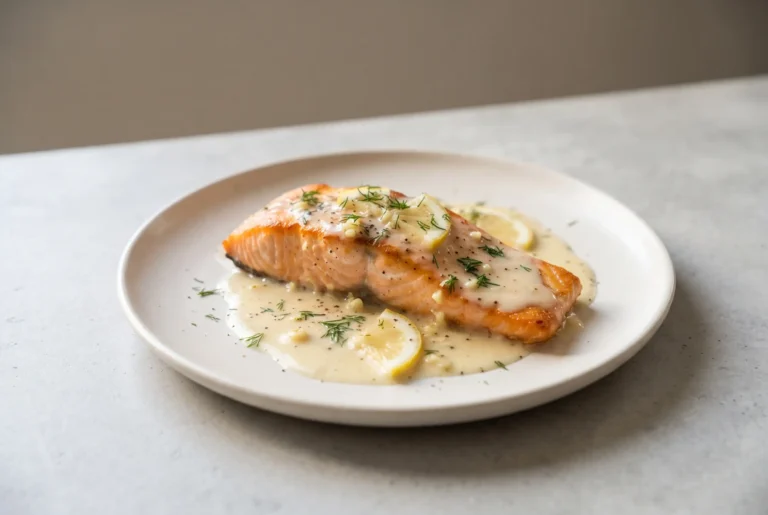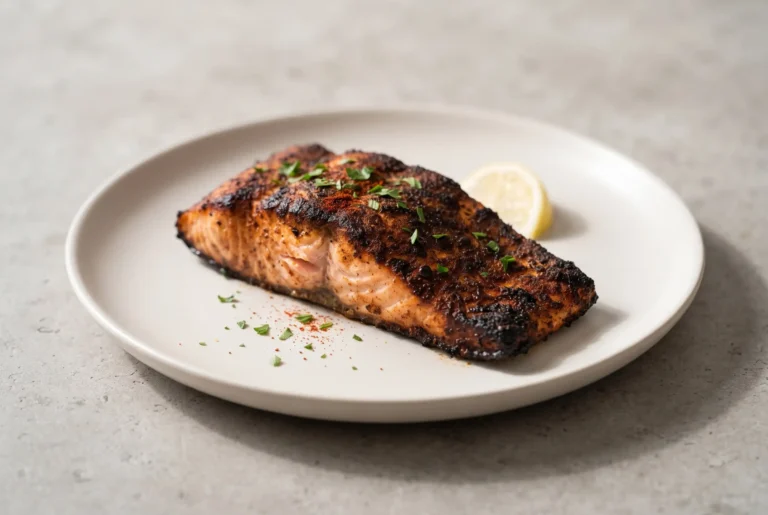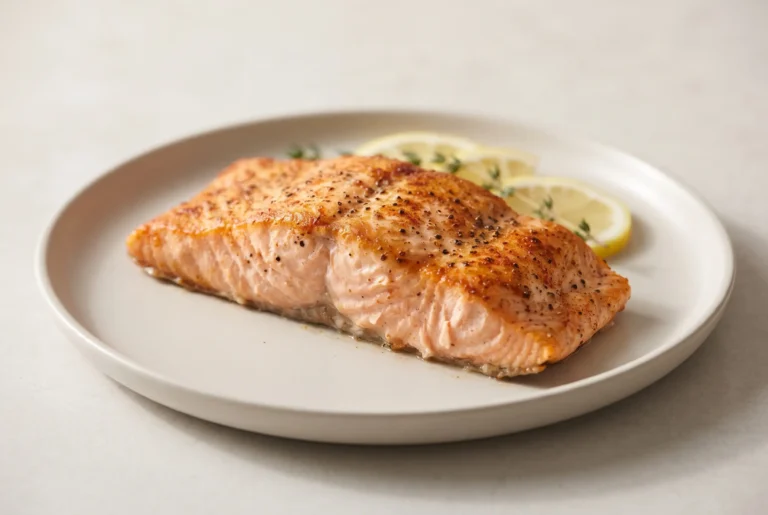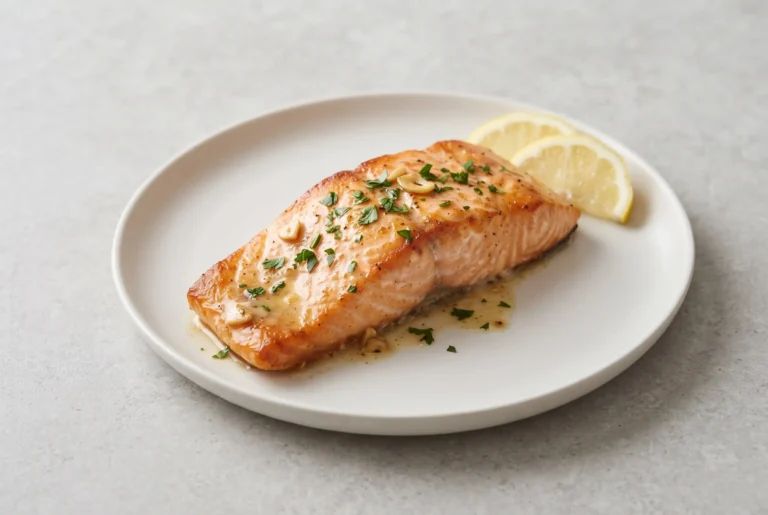
Honey Garlic Glazed Salmon with Honey Garlic Sauce
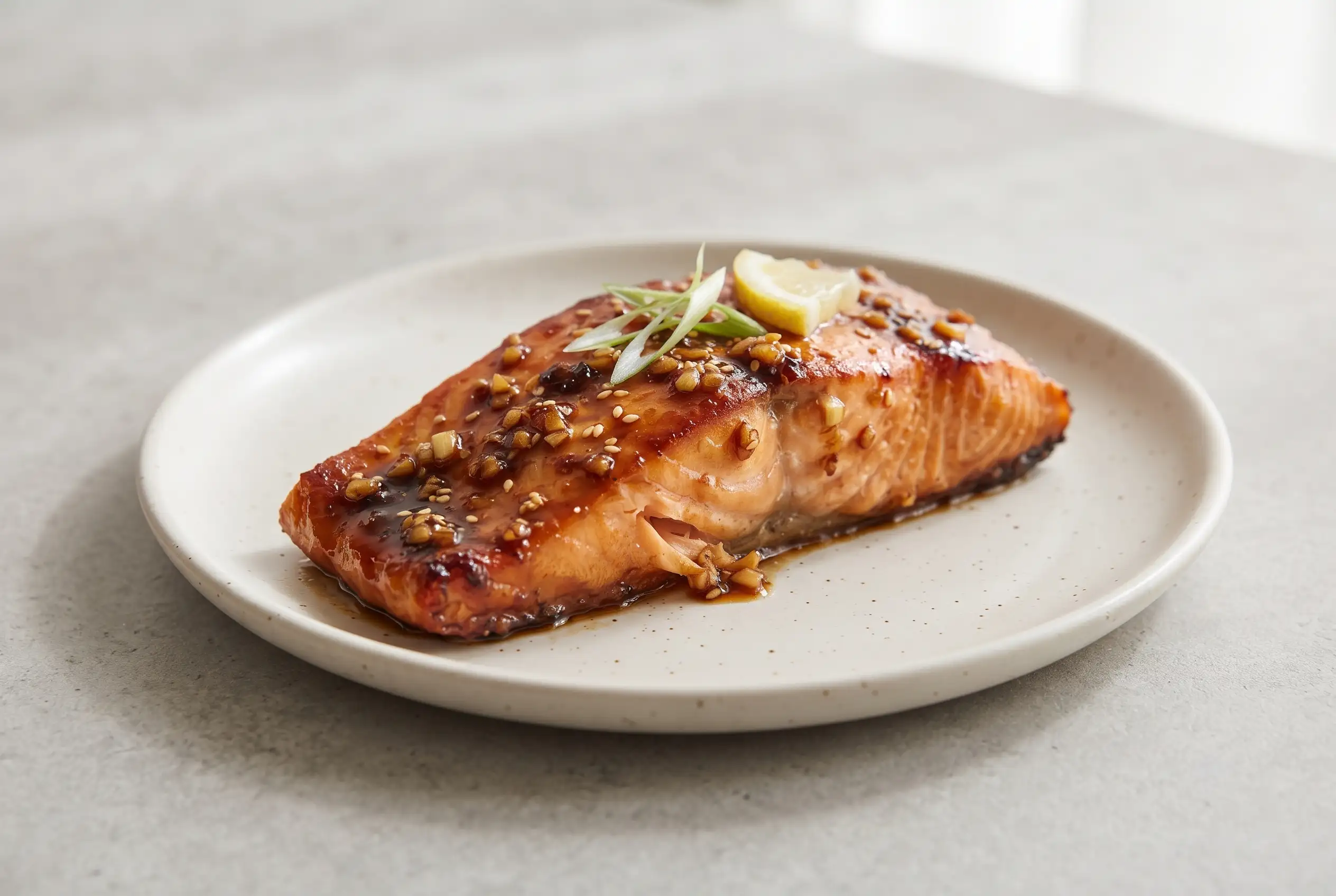
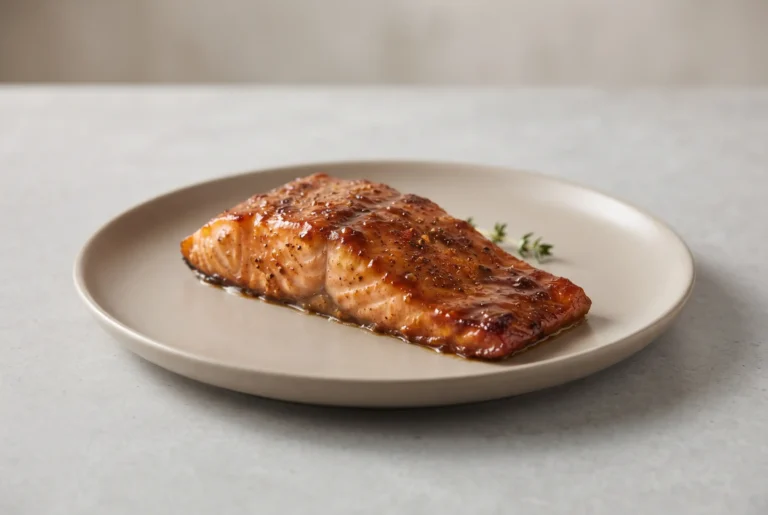
Honey Garlic Glazed Salmon creates a restaurant-style seafood dinner by combining tender salmon fillets with a glossy sauce built from honey, garlic, soy sauce, lemon juice, and butter. The sweet and savory coating develops rich caramelized edges while the fish stays moist and flaky.
Busy evenings benefit from a dish that delivers bold flavor without complicated preparation. This honey garlic salmon recipe uses familiar ingredients and flexible cooking options, making it a dependable choice when you want an easy salmon dinner recipe with a sticky, flavorful finish.
Honey Garlic Glazed Salmon Brings Sweet Savory Balance
Salmon works especially well with bold sauces because its naturally rich texture can support bright, sweet, and savory flavors at the same time. Honey creates the sticky coating, while garlic and soy sauce add depth that keeps the glaze from becoming one-dimensional.
Fresh lemon juice plays an important role by adding brightness to the buttery fish and balancing the sweetness of the sauce. Brown sugar deepens the caramelized flavor, creating the glossy finish associated with sticky honey garlic salmon.
- Flavor contrast: Sweet honey meets savory soy sauce, garlic, and butter.
- Texture balance: Tender salmon pairs with a smooth glaze and caramelized edges.
- Simple preparation: Everyday ingredients create a dinner with impressive flavor.
The Glaze Choices Shape Honey Garlic Salmon Recipe Flavor
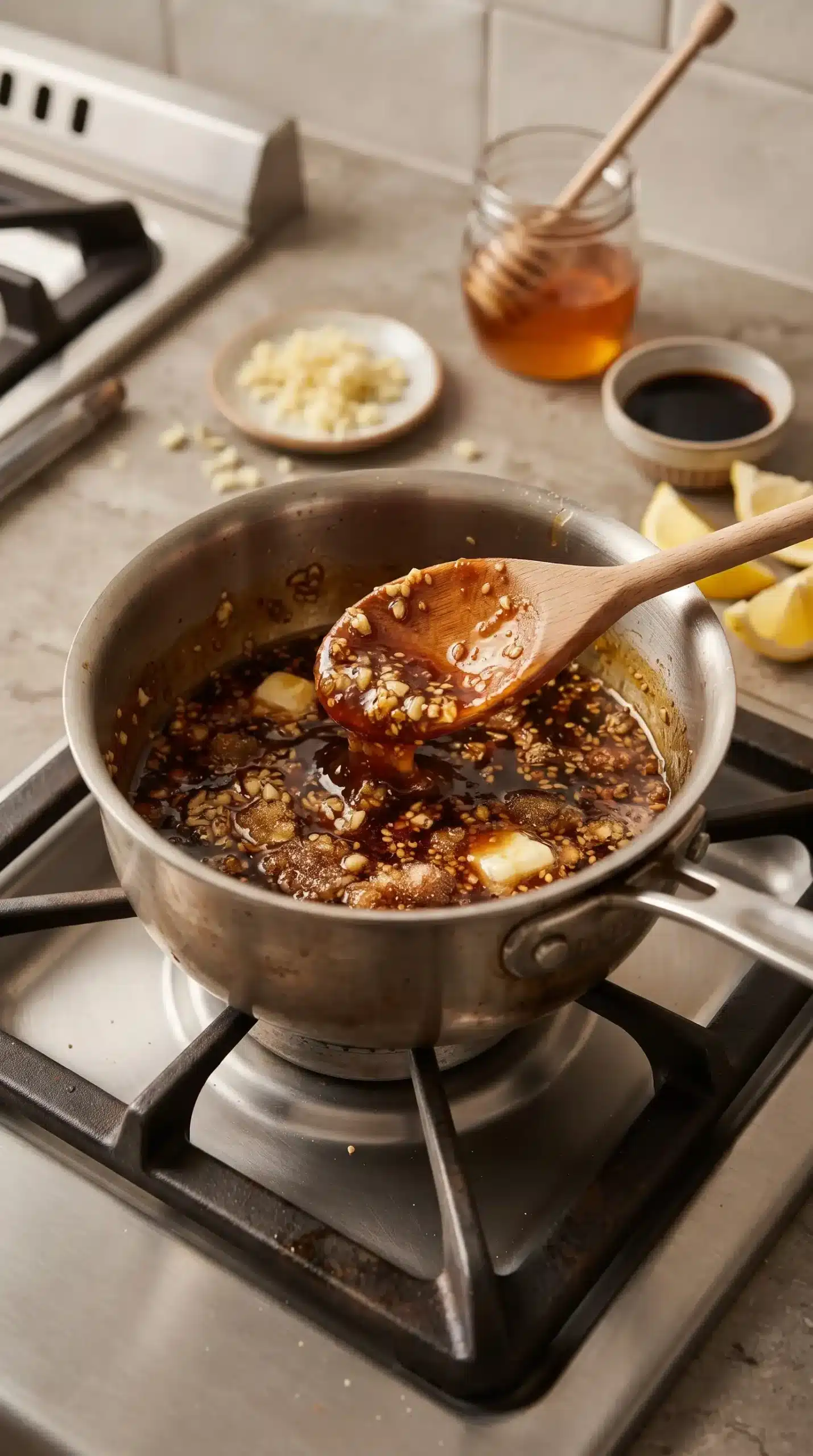
The sauce determines much of the personality of Honey Garlic Glazed Salmon. A properly prepared glaze should become glossy and slightly thickened, allowing it to cling to the fish instead of remaining thin.
Fresh garlic provides the strongest savory character, especially when briefly cooked in butter before the liquid ingredients are added. Honey and brown sugar work together to create sweetness and help develop the caramelized coating that makes the dish distinctive.
| Glaze element | Purpose in the dish | Useful adjustment |
|---|---|---|
| Honey | Creates sweetness and sticky texture | Swap with maple syrup for a different sweetness |
| Garlic | Adds savory depth | Fresh garlic gives the strongest flavor |
| Lemon juice | Brightens the rich sauce | Add just before serving for extra freshness |
| Soy sauce | Provides salty umami balance | Tamari or coconut aminos can replace it |
Salmon Selection Keeps Sticky Honey Garlic Salmon Tender
Choosing the right salmon helps the glaze complement the fish instead of overpowering it. Atlantic, sockeye, and coho salmon all work well with the sweet garlic sauce, and fresh or thawed frozen fillets can both produce excellent results.
Skin-on fillets are useful because they help retain moisture during cooking while offering a different texture when the skin becomes crisp. Drying the surface before cooking also improves browning and helps the glaze adhere more effectively.
Frozen salmon should be fully thawed before cooking so the texture remains consistent. Proper preparation allows the fish to cook evenly while absorbing the flavors of the honey garlic coating.
Cooking Controls That Protect Honey Garlic Glazed Salmon Texture
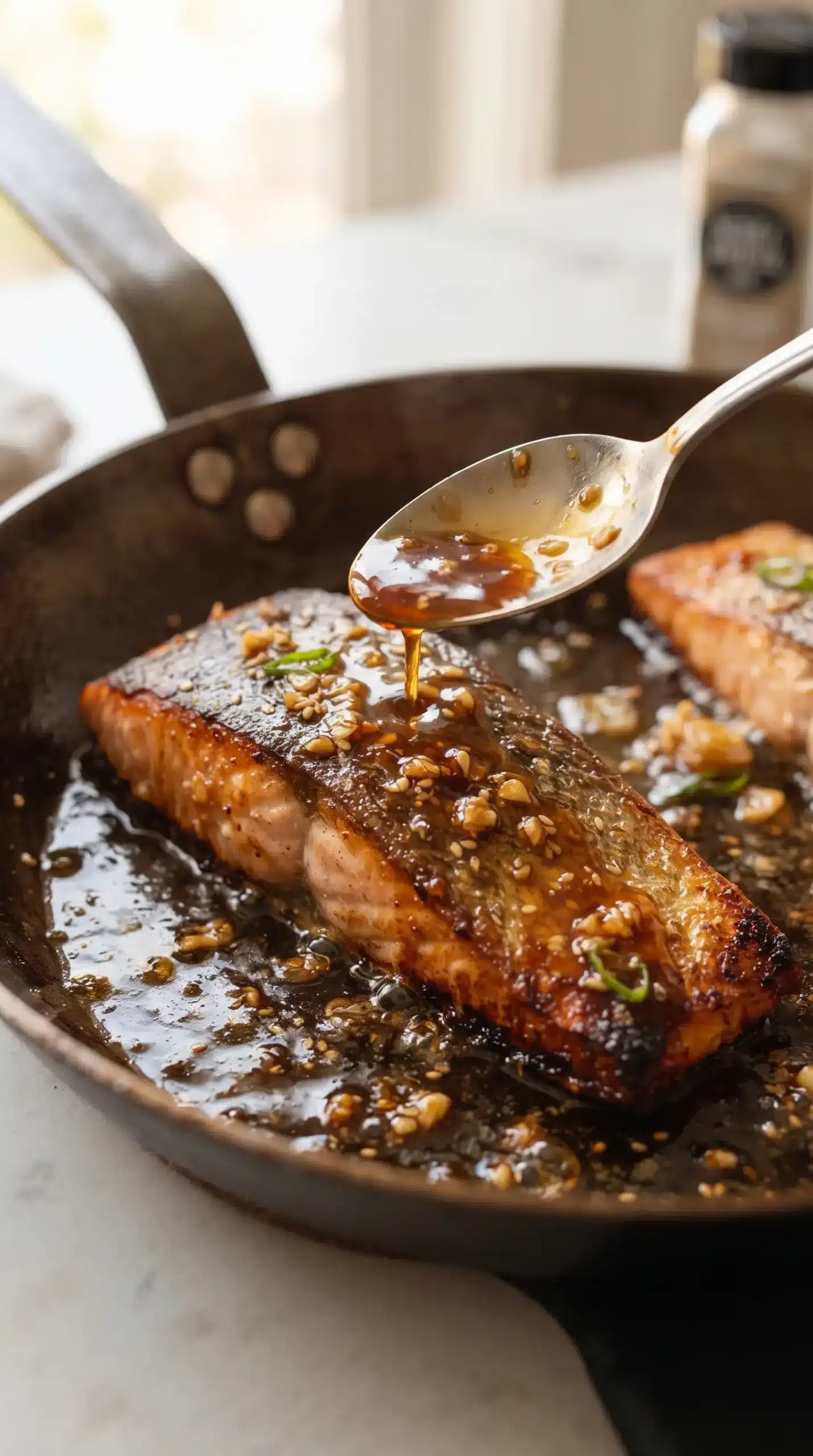
Successful cooking depends on controlling heat and timing. Salmon cooks quickly, and the glaze contains honey, which can darken rapidly if exposed to excessive heat.
Pan-searing salmon creates crisp edges when the fillets begin skin-side down, while baking offers a simple hands-off approach. Proper heat control helps protect the glaze as it caramelizes, and pan-searing salmon highlights the importance of managing browning while keeping the fish tender.
| Cooking method | Important control | Expected result |
|---|---|---|
| Pan-seared | Manage heat after adding glaze | Crisp surface with coated fillets |
| Oven-baked | Brush and baste during cooking | Evenly glazed tender salmon |
| Broiled | Watch closely as glaze caramelizes | Sticky browned exterior |
Basting improves coverage because the sauce can build layers on the salmon surface. An instant-read thermometer also helps prevent overcooking by removing uncertainty when checking doneness.
Honey Garlic Glazed Salmon Mistakes That Ruin the Glaze
Several small mistakes can change the texture and flavor of this dish. Honey-based sauces need careful handling because the same sugars that create caramelization can also burn quickly.
- Burning the glaze: Excessive heat can create bitter flavors before the salmon finishes cooking. Lowering the heat once the sauce is added helps protect the coating.
- Skipping dry salmon: Extra surface moisture can reduce browning and prevent the glaze from sticking properly.
- Overcooking the fish: Salmon loses its moist texture when cooked too long, so close attention to timing matters.
- Crowding the pan: Too many fillets limit browning and reduce caramelization.
Fresh lemon juice should also remain part of the process because it keeps the rich glaze balanced. Removing acidic brightness can make the finished dish taste heavier.
Serving Pairings Complete This Easy Salmon Dinner Recipe
The sweet garlic glaze pairs naturally with simple sides that absorb sauce and provide contrast. Rice, noodles, grains, and vegetables all work well because they balance the richness of the salmon.
Extra glaze spooned over a side dish creates another layer of flavor without requiring additional sauces. Crispy potatoes, steamed vegetables, or fresh salads can shift the meal from casual to more complete.
- Steamed rice
- Garlic noodles
- Quinoa
- Roasted asparagus
- Green beans
- Broccoli
- Cucumber salad
Storage Keeps Honey Garlic Glazed Salmon Ready Later
Leftover Honey Garlic Glazed Salmon can remain flavorful when stored carefully. Keeping portions in airtight containers helps protect the texture and keeps the glaze from drying out.
| Storage option | Recommended handling | Best use |
|---|---|---|
| Refrigerator | Store in an airtight container | Quick meals and leftovers |
| Freezer | Wrap tightly before freezing | Longer storage for future dinners |
| Reheating | Warm gently with low heat | Helps preserve moisture |
Gentle reheating works best because salmon dries out quickly when exposed to too much heat. Leftovers can also be used in wraps, salads, rice bowls, or other simple meals.
Variations Change the Flavor Without Rebuilding the Dish
The basic honey garlic combination provides room for adjustments while keeping the same cooking approach. Small additions can create noticeably different flavor profiles.
Extra sriracha or chili flakes introduce heat, while additional ginger and sesame oil create a stronger Asian-inspired direction. Replacing honey with maple syrup produces a deeper sweetness with a slightly different character.
Air frying can also adapt the concept by using the same glaze with a faster cooking style. The important elements remain the same: moist salmon, balanced seasoning, and careful control of the coating.
Family-Friendly Adjustments Make Salmon Easier to Serve
Sweet flavors often make seafood more approachable for younger eaters. Honey balances garlic and soy sauce, creating a familiar taste that can work well for families who are introducing salmon.
Reducing spicy additions such as sriracha or chili flakes creates a milder version without changing the main flavor profile. Smaller salmon portions can also feel easier to serve and eat.
Serving the fish with familiar sides like rice, vegetables, or wraps gives everyone flexibility. The sticky glaze works especially well when combined with simple foods that children already enjoy.
Budget Decisions Keep the Dinner Practical
Salmon can fit different budgets by adjusting where money is spent. Frozen salmon fillets often provide a practical option while still working well once thawed and dried properly.
Pantry ingredients do much of the flavor work. Honey, garlic, soy sauce, lemon juice, and brown sugar create a memorable glaze without requiring many specialty items.
Affordable sides can also stretch the meal further. Rice, vegetables, and salads add variety while allowing the salmon to remain the centerpiece.
Kitchen Tools Improve Salmon Glaze Results
A few basic tools make cooking Honey Garlic Glazed Salmon easier and more consistent. A large skillet supports even cooking during searing, while a parchment-lined baking sheet simplifies cleanup when using the oven.
A thin spatula helps move delicate fillets without breaking them apart. Small bowls are useful for preparing the glaze before cooking begins, since salmon moves quickly once heat is applied.
An instant-read thermometer is a helpful tool for anyone who cooks seafood regularly. It provides a simple way to check whether the salmon has reached the proper internal temperature without relying only on appearance.
Honey Garlic Glazed Salmon Finishes With Reliable Weeknight Flavor
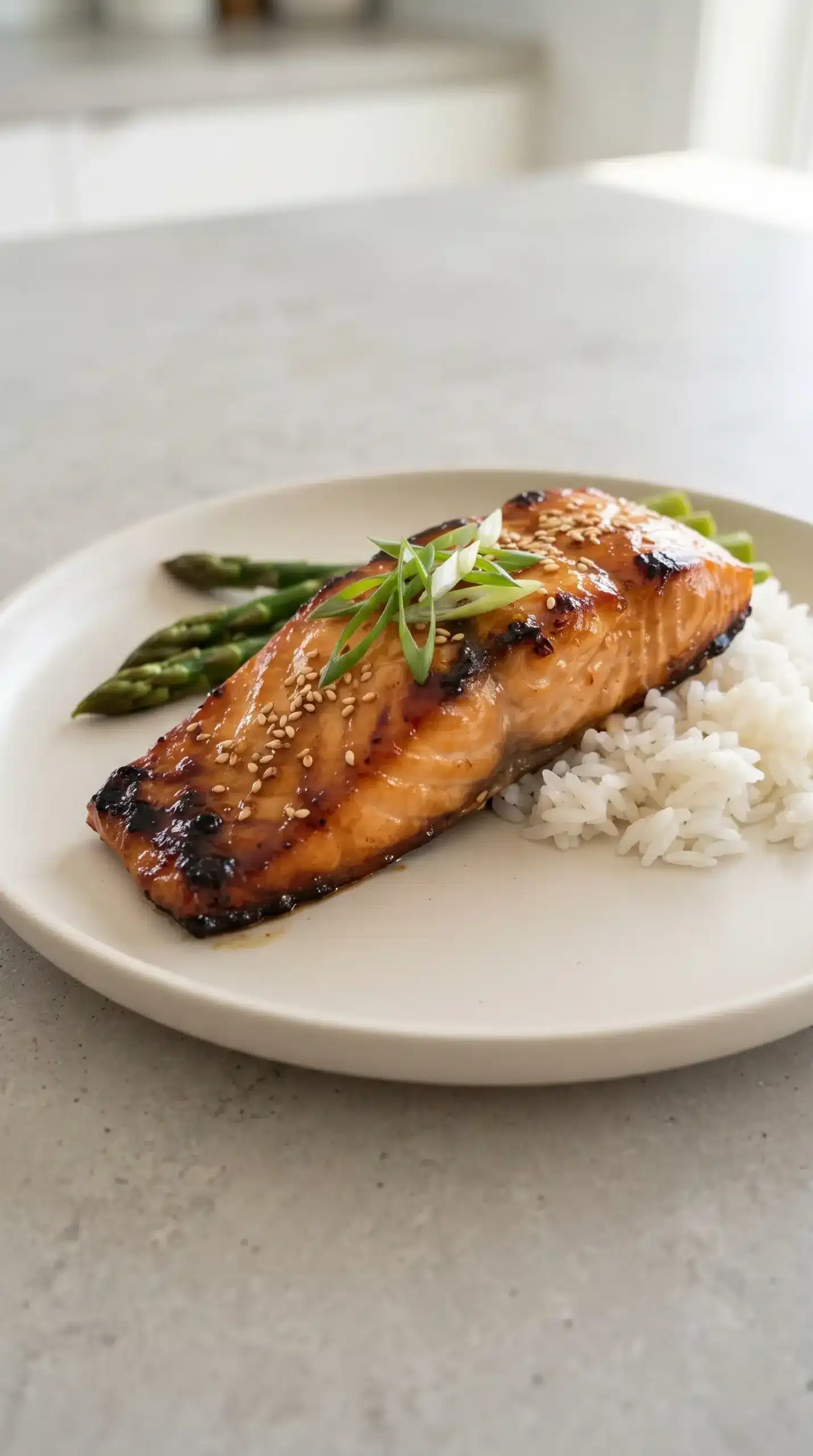
Honey Garlic Glazed Salmon succeeds because the cooking decisions support the ingredients at every stage. A balanced glaze, properly prepared salmon, and controlled heat create a dish where sticky caramelized edges meet tender flaky fish.
The combination of simple preparation and flexible cooking methods makes this salmon dinner a dependable option whenever bold flavor and practical timing matter.
Honey Garlic Glazed Salmon Questions About Doneness and Storage
What makes Honey Garlic Glazed Salmon taste balanced?
The balance comes from combining sweet honey, savory soy sauce, garlic richness, and fresh lemon juice. Each element supports the salmon’s natural buttery flavor without overwhelming it.
How do I know when salmon is cooked?
Salmon is ready when it flakes easily and reaches an internal temperature of 145°F. Checking carefully helps maintain a moist texture.
Can frozen salmon be used for this dish?
Frozen salmon works well when it is completely thawed before cooking. Drying the fillets afterward helps improve browning and glaze coverage.
Can the honey garlic glaze be prepared ahead?
The glaze can be made ahead and stored in the refrigerator for up to three days, making later preparation faster.
What vegetables pair best with the salmon?
Broccoli, asparagus, zucchini, carrots, and green beans complement the sweet savory glaze while adding fresh flavor and texture.
Honey Garlic Glazed Salmon with Honey Garlic Sauce
Ingredients
Method
- Dry the salmon fillets with a paper towel and season both sides with salt and black pepper.
- Melt the butter in a skillet over medium heat.
- Add the minced garlic and cook for about 30 seconds until aromatic.
- Stir honey, soy sauce, lemon juice, and brown sugar into the skillet, then mix in ginger, sriracha or chili flakes, fig spread, and sesame oil if using.
- Let the sauce simmer for 2–4 minutes until it becomes glossy and slightly thickened.
- Heat the olive oil in a skillet over medium-high heat.
- Place the salmon fillets skin-side down in the oil and cook for 4–5 minutes until the skin is crisp.
- Turn the salmon over, coat the fillets with honey garlic sauce, and cook for another 2–3 minutes until the salmon is fully cooked and reaches 145°F / 63°C internally.
- Heat the oven to 400°F / 200°C and arrange the salmon fillets on a parchment-lined baking sheet.
- Coat the salmon generously with honey garlic sauce and bake for 12–15 minutes, brushing with additional sauce halfway through, until fully cooked internally.
- Place the salmon fillets on a foil-lined baking sheet, brush with honey garlic sauce, and broil for 6–8 minutes until caramelized, flaky, and cooked through.
- Allow the cooked salmon to rest briefly and serve with extra honey garlic sauce if desired.