Classic Meatloaf Comfort Food Recipe with Sweet Tangy Glaze
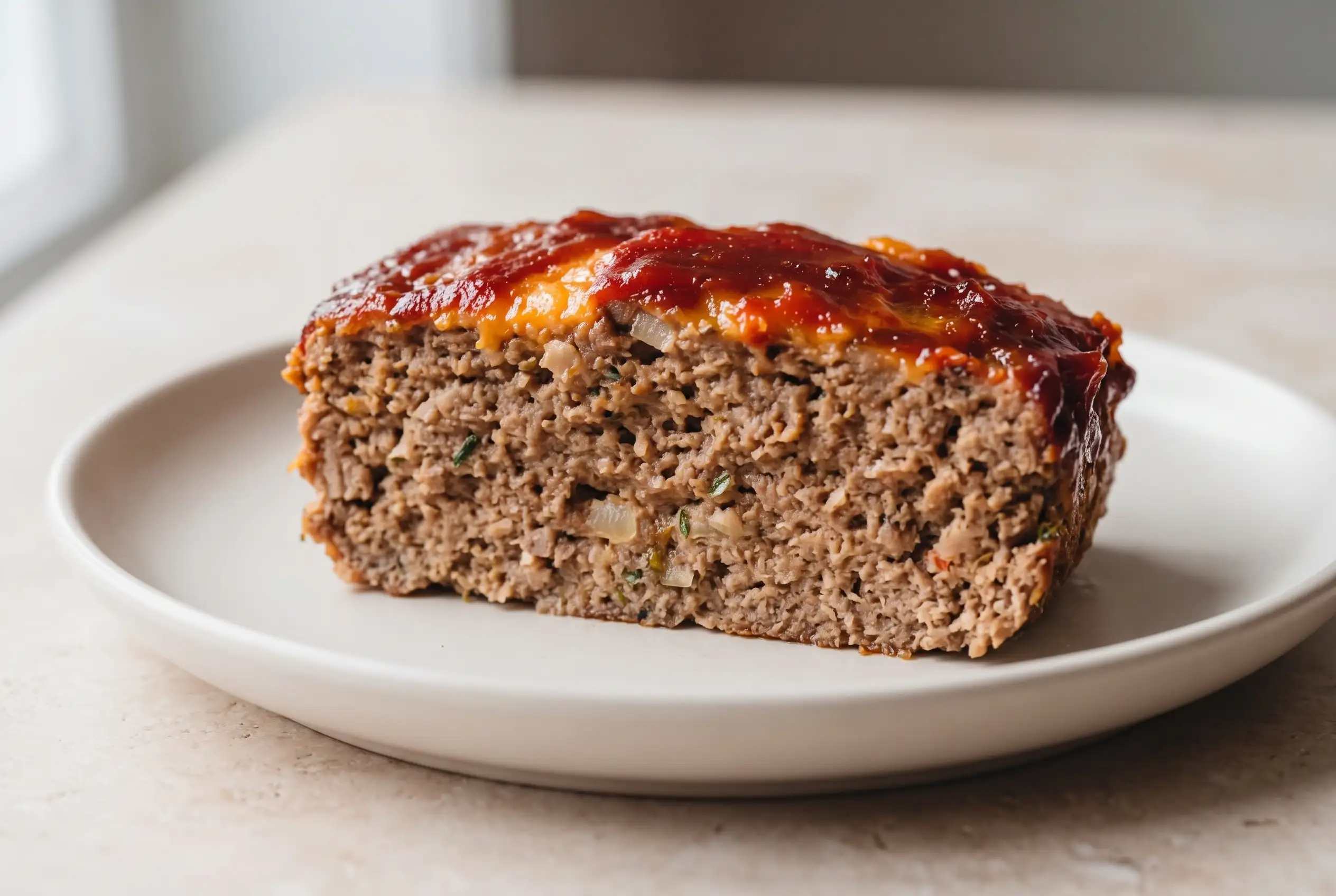
Classic meatloaf recipe success comes from balancing seasoned ground beef, moisture-rich binders, and a sweet tangy glaze that bakes into the top. This homemade comfort meal uses simple ingredients to create tender slices with savory flavor, soft texture, and caramelized edges.
The recipe works well for weeknight dinners and relaxed family meals because the preparation relies on familiar pantry staples. A juicy classic meatloaf recipe depends on careful mixing, moderate oven heat, and enough resting time to keep each slice intact.
Classic Meatloaf Recipe Texture Starts With the Right Balance
The texture of a classic meatloaf recipe comes from how each part of the mixture works together. Ground beef provides the structure, while breadcrumbs and milk help maintain moisture inside the loaf. Eggs hold the mixture together so slices stay neat after baking.
Gentle handling is important from the beginning. Mixing until ingredients are evenly distributed creates a tender result, while aggressive mixing can make the loaf feel dense. The shaped loaf should remain cohesive without being tightly compressed.
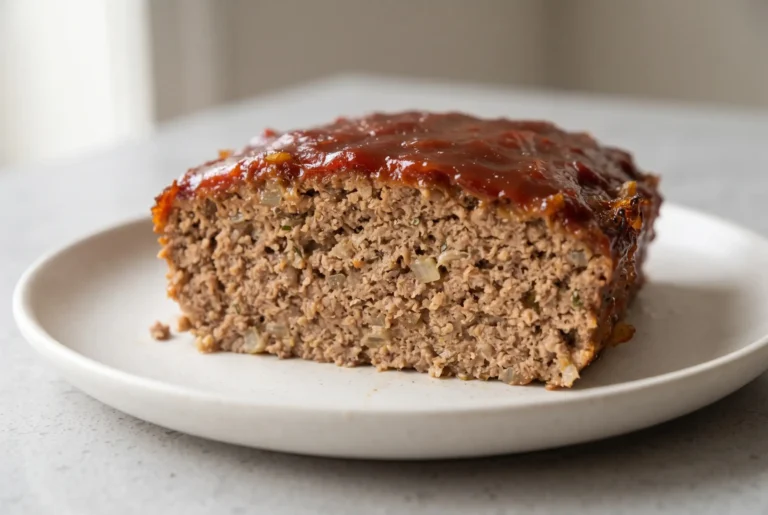
Surface texture also matters. The glaze forms a sticky layer during baking, adding a contrast between the soft interior and the slightly caramelized top. Resting after cooking helps juices settle throughout the meat before slicing.
The Beef Mixture Choices That Shape Flavor
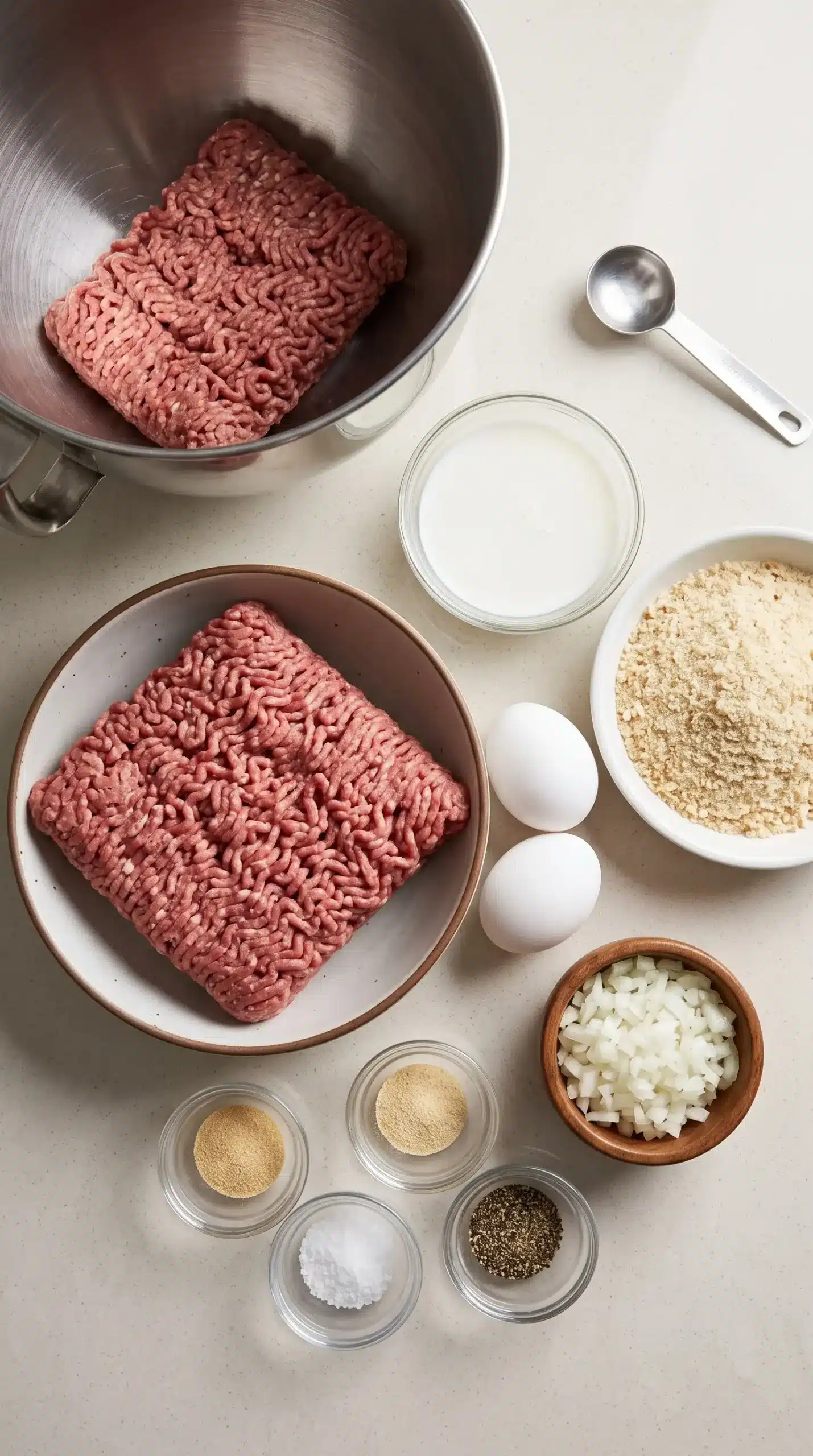
Ground beef is the foundation of this easy beef meatloaf recipe, and using beef with enough fat helps maintain moisture during baking. A blend around 85–90% lean provides a balance between flavor and texture.
Breadcrumbs, milk, and eggs deserve attention because they determine how the loaf holds together. Breadcrumbs absorb moisture, milk softens the mixture, and eggs provide binding power. These ingredients help prevent a dry or crumbly slice.
| Component | Purpose | Helpful Choice |
|---|---|---|
| Ground beef | Creates the savory base | Use 85–90% lean beef |
| Breadcrumbs | Supports moisture retention | Fresh crumbs can create softer texture |
| Milk | Adds softness | Whole milk works well |
| Eggs | Hold slices together | Include enough binder for structure |
Glaze Decisions for Homemade Meatloaf With Glaze
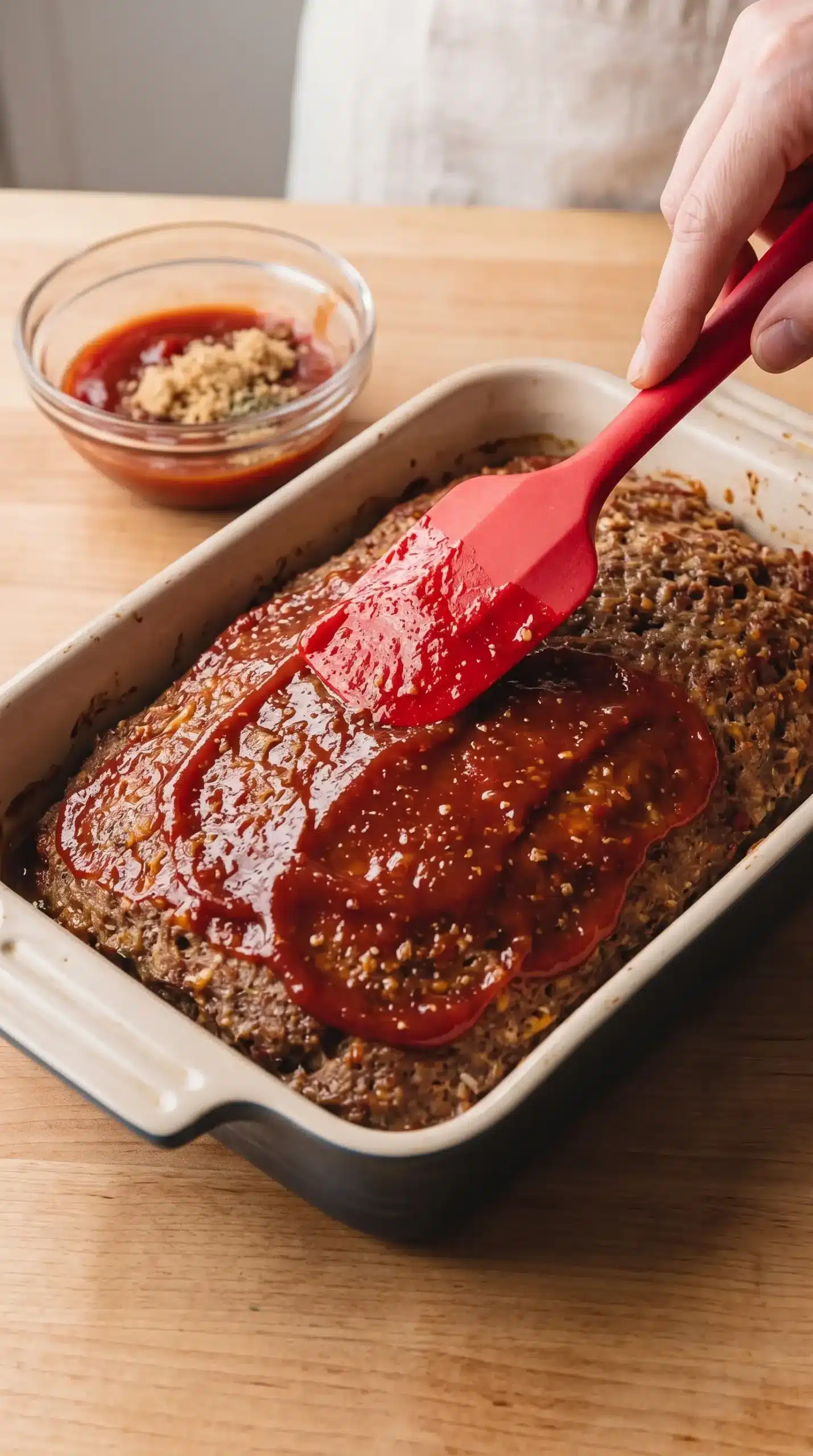
The glaze is a defining part of homemade meatloaf with glaze because it adds sweetness, acidity, and a concentrated tomato flavor. Ketchup creates the base, cider vinegar balances richness, and brown sugar supports caramelization in a brown sugar meatloaf glaze.
Spreading the glaze evenly across the top allows every slice to receive the same finishing layer. Garlic powder, onion powder, salt, and pepper deepen the flavor without adding extra preparation steps.
Cooking Control Keeps Classic Meatloaf Recipe Tender
Moderate oven heat helps a classic meatloaf recipe cook evenly from the outside toward the center. A temperature that is too aggressive can cause the exterior to firm up before the middle reaches the proper doneness.
A meat thermometer provides the clearest way to check progress. The center should reach 160°F (71°C), which helps prevent both undercooking and unnecessary drying from extended baking.
Shape also affects cooking. An evenly formed loaf allows heat to move consistently through the mixture. Letting the baked loaf rest for 10 minutes gives the juices time to redistribute before cutting.
Classic Meatloaf Recipe Mistakes That Dry Out Slices
Several common problems can change the texture of a classic meatloaf recipe. Avoiding these issues keeps the loaf tender and easier to serve.
- Overmixing: Combine ingredients gently to avoid a dense texture.
- Skipping binders: Breadcrumbs and eggs help prevent slices from falling apart.
- Using very lean beef: Lower fat content can reduce moisture.
- Cutting immediately: Resting helps retain juices inside the loaf.
- Ignoring temperature: A thermometer gives a more accurate result than appearance alone.
Serving Pairings That Fit Beef Meatloaf
Classic side dishes complement the savory flavor of beef meatloaf. Creamy mashed potatoes provide a soft pairing, while roasted vegetables add freshness and color to the plate.
| Side Dish | How It Complements Meatloaf | Serving Style |
|---|---|---|
| Mashed potatoes | Balances rich beef flavor | Classic comfort pairing |
| Roasted vegetables | Adds a lighter contrast | Simple dinner side |
| Green beans | Provides freshness | Works for family meals |
| Salad | Adds crisp texture | Lighter option |
Storage Choices for Classic Meatloaf Leftovers
Cooked slices keep well when stored in airtight containers in the refrigerator for up to 4 days. Individual portions are convenient because they can be reheated as needed.
Freezing slices separately makes future meals easier. Wrapped portions can be stored for up to 3 months and reheated gently with a splash of broth to help maintain moisture.
Make-Ahead Planning for Busy Dinner Prep
Preparation can be completed ahead of time by assembling the loaf and refrigerating it until baking. This approach reduces work on busy evenings while keeping the same ingredients and flavor profile.
Cooked portions also work well for meal preparation because the slices reheat easily. Mini meatloaf muffins offer another portion-friendly option with a shorter cooking time.
Variations Within the Classic Meatloaf Recipe
A classic meatloaf recipe can adapt to different preferences while keeping its familiar structure. Barbecue sauce can replace the traditional glaze for a smoky version, and ground turkey or chicken can create a lighter variation.
Vegetables such as mushrooms, carrots, zucchini, or spinach can be incorporated for added moisture. Lower-carb versions can use alternatives such as almond flour or crushed pork rinds instead of breadcrumbs.
Family Adjustments for Softer Flavors
Small changes can make the dish easier for children and varied family tastes. Finely grated onions blend smoothly into the mixture, while a slightly sweeter glaze can create a milder flavor profile.
Budget Choices That Stretch Ground Beef
Ground beef creates a filling meal without requiring complicated ingredients. Breadcrumbs, oats, and leftover bread can extend the mixture while maintaining its familiar texture.
Affordable vegetables can also increase volume and moisture. Onions, carrots, mushrooms, and peppers add flavor while helping stretch the main ingredient.
Tools That Improve Classic Meatloaf Recipe Results
A large mixing bowl, loaf pan or baking dish, and meat thermometer provide the essential equipment for preparation. A silicone spatula helps spread the glaze evenly, while airtight containers simplify leftover storage.
Texture Checks Before Slicing
Before serving, look for a loaf that holds together when cut but remains moist inside. The glaze should appear thickened on top, and the interior should be tender without becoming loose.
Recipe Insight: Resting Protects the Loaf
Resting the cooked meatloaf is one of the most important final handling choices. Waiting before slicing allows moisture to remain distributed through the loaf, helping each portion keep its texture.
The combination of careful mixing, controlled baking, and resting creates the dependable structure expected from a traditional beef dinner.
Classic Meatloaf Recipe Delivers Balanced Homemade Results
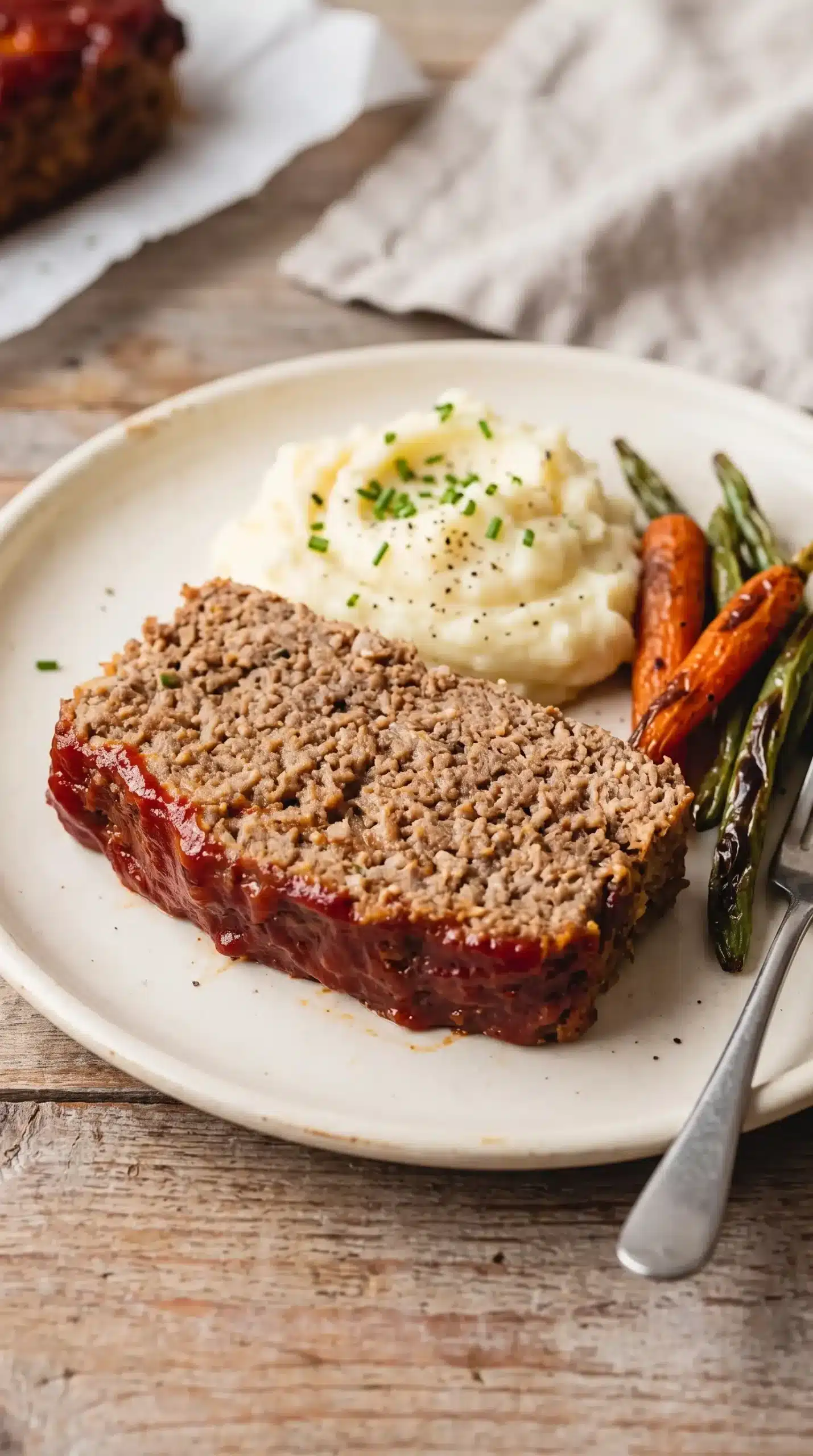
The baked loaf reaches its best texture when moisture, seasoning, glaze, and cooking temperature stay in balance. A classic meatloaf recipe succeeds because each decision supports the next, from the beef mixture through the resting period after baking.
The result is a tender sliced meal with a savory center and caramelized topping that can be served fresh, prepared ahead, or enjoyed as leftovers.
Classic Meatloaf Recipe Questions About Texture, Freezing, and Preparation
Why does meatloaf fall apart after baking?
Meatloaf may crumble when it does not have enough binding support. Eggs and breadcrumbs help hold the mixture together so slices maintain their shape.
Can Classic Meatloaf be frozen?
Yes, cooked slices can be wrapped individually and frozen for up to 3 months. Separate portions make reheating easier for later meals.
How can I keep meatloaf from becoming dry?
Using properly balanced ingredients, avoiding overmixing, and removing the loaf when it reaches 160°F (71°C) help maintain moisture.
Can breadcrumbs be replaced in Classic Meatloaf?
Breadcrumb alternatives such as oats, crushed crackers, almond flour, or pork rinds can be used depending on the preferred style.
What makes the glaze taste balanced?
The ketchup base provides sweetness and tomato flavor, while vinegar adds acidity and brown sugar supports the caramelized finish.
Classic Meatloaf with Sweet Tangy Glaze
Ingredients
Method
- Preheat the oven to 350°F / 175°C.
- Add the ground beef, onion, garlic, 3 tablespoons ketchup, eggs, Worcestershire sauce, sea salt, dried basil, dried oregano, black pepper, paprika, parsley, breadcrumbs, and milk to a large bowl. Mix gently until the ingredients are evenly combined.
- Form the mixture into a loaf shape and place it in a greased baking dish or loaf pan.
- Combine ¾ cup ketchup, cider vinegar, brown sugar, garlic powder, onion powder, salt, and black pepper in a bowl to prepare the glaze.
- Spread the glaze evenly across the top of the shaped meatloaf.
- Bake the meatloaf for about 60 minutes, until the internal temperature reaches 160°F / 71°C.
- Allow the meatloaf to rest for 10 minutes before slicing and serving.