Honey Butter Chicken with Sweet Savory Glaze Recipe
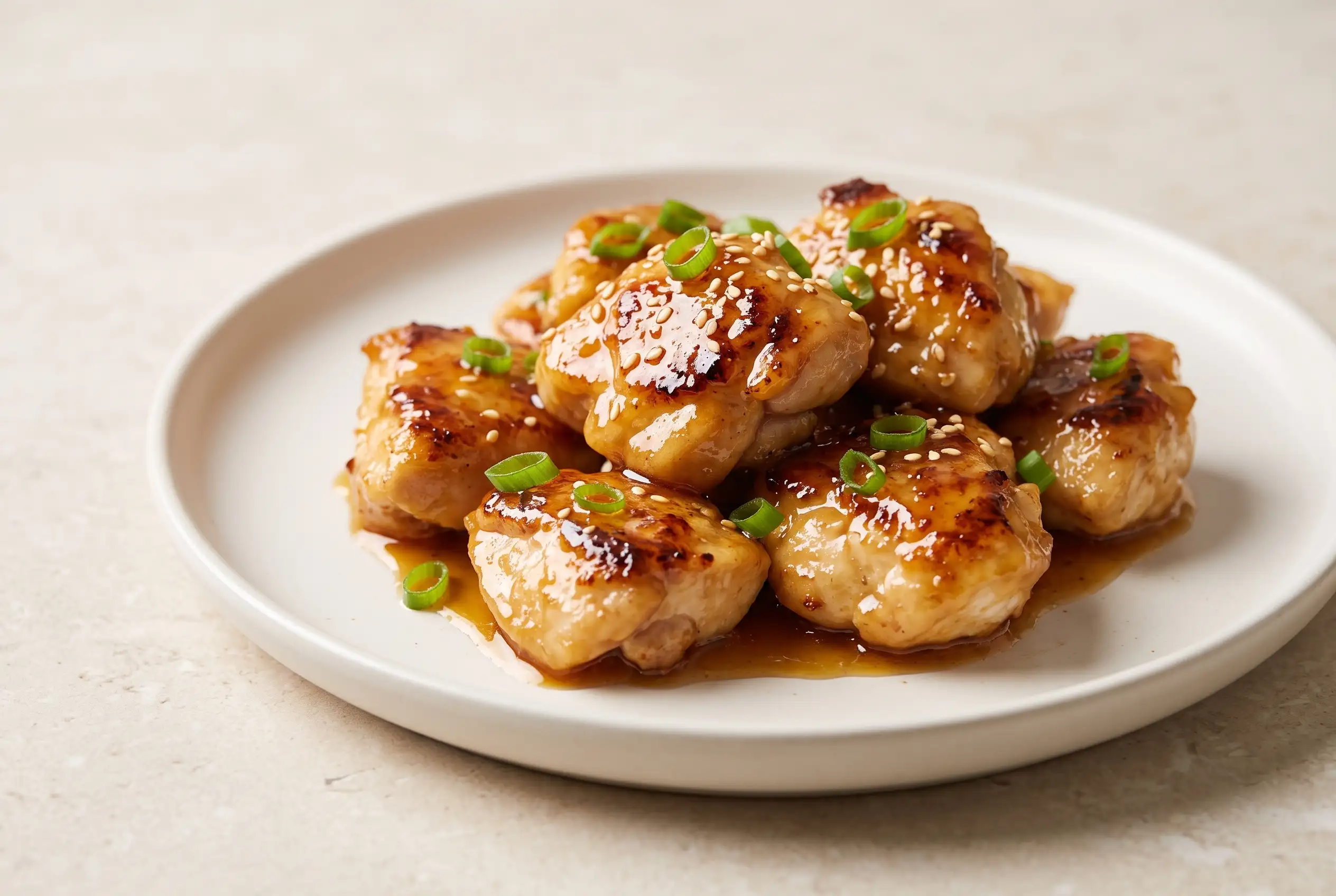
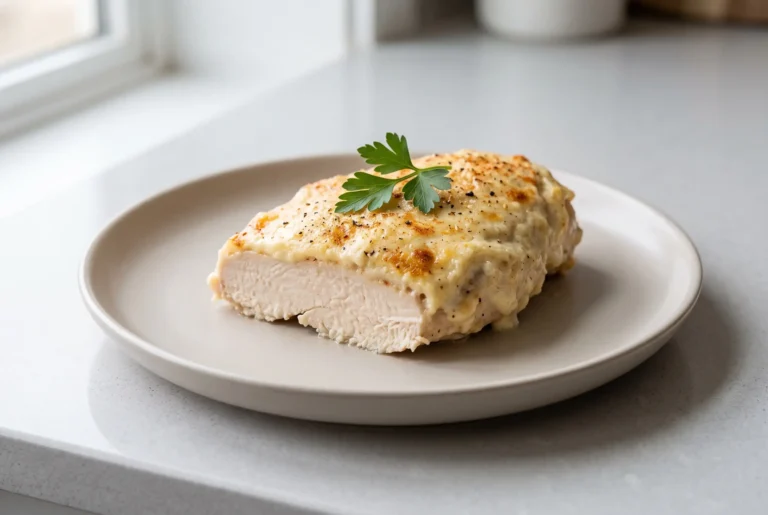
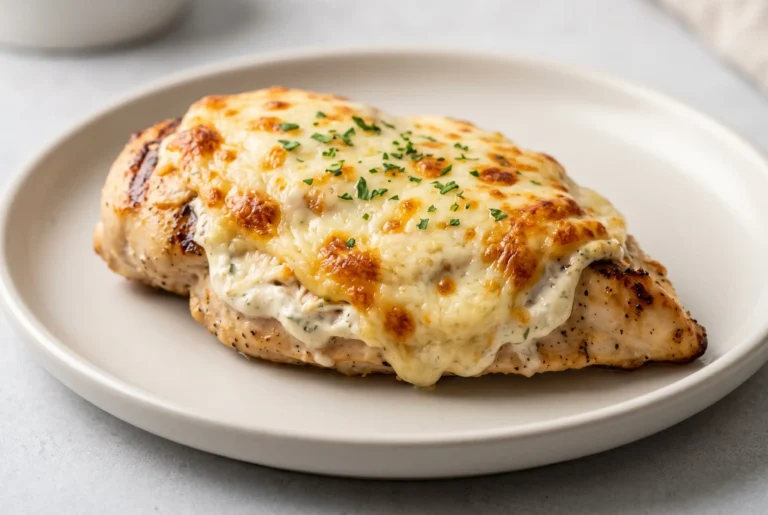
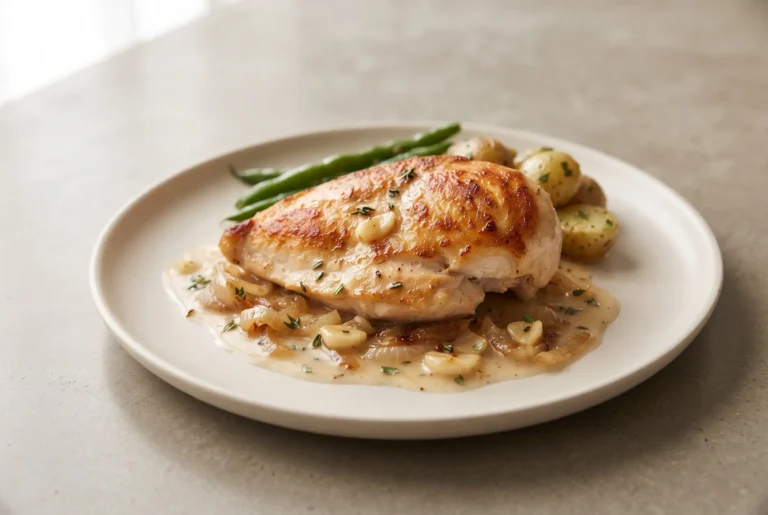
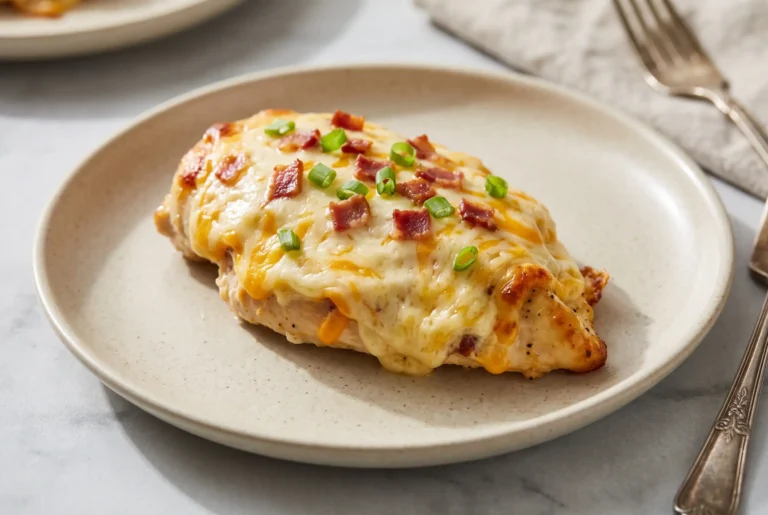
Honey butter chicken brings together golden seared chicken and a glossy honey butter glaze for a sweet-savory chicken dinner that feels comforting and polished. The combination of juicy chicken, buttery richness, and balanced seasoning creates a flavorful meal using familiar ingredients and straightforward skillet cooking.
A honey butter chicken recipe succeeds because each part has a clear purpose. The browned chicken develops savory depth, while the smooth glaze coats every piece with sweetness, richness, and a touch of umami from soy sauce. It is an approachable option when a quick dinner needs to feel extra satisfying.
Honey Butter Chicken Builds Sweet-Savory Flavor Fast
The appeal of honey butter chicken comes from the contrast between textures and flavors. The chicken develops lightly crisp edges from searing, while the sauce creates a silky coating that clings to the surface. Honey provides sweetness and shine, butter creates a smooth finish, and soy sauce keeps the glaze balanced.
The skillet also helps build flavor by combining browned bits from the chicken with the butter-based sauce. Those concentrated pieces add depth as the glaze comes together, creating a richer result than the simple ingredient list suggests.
The Honey and Butter Balance Shapes the Glaze
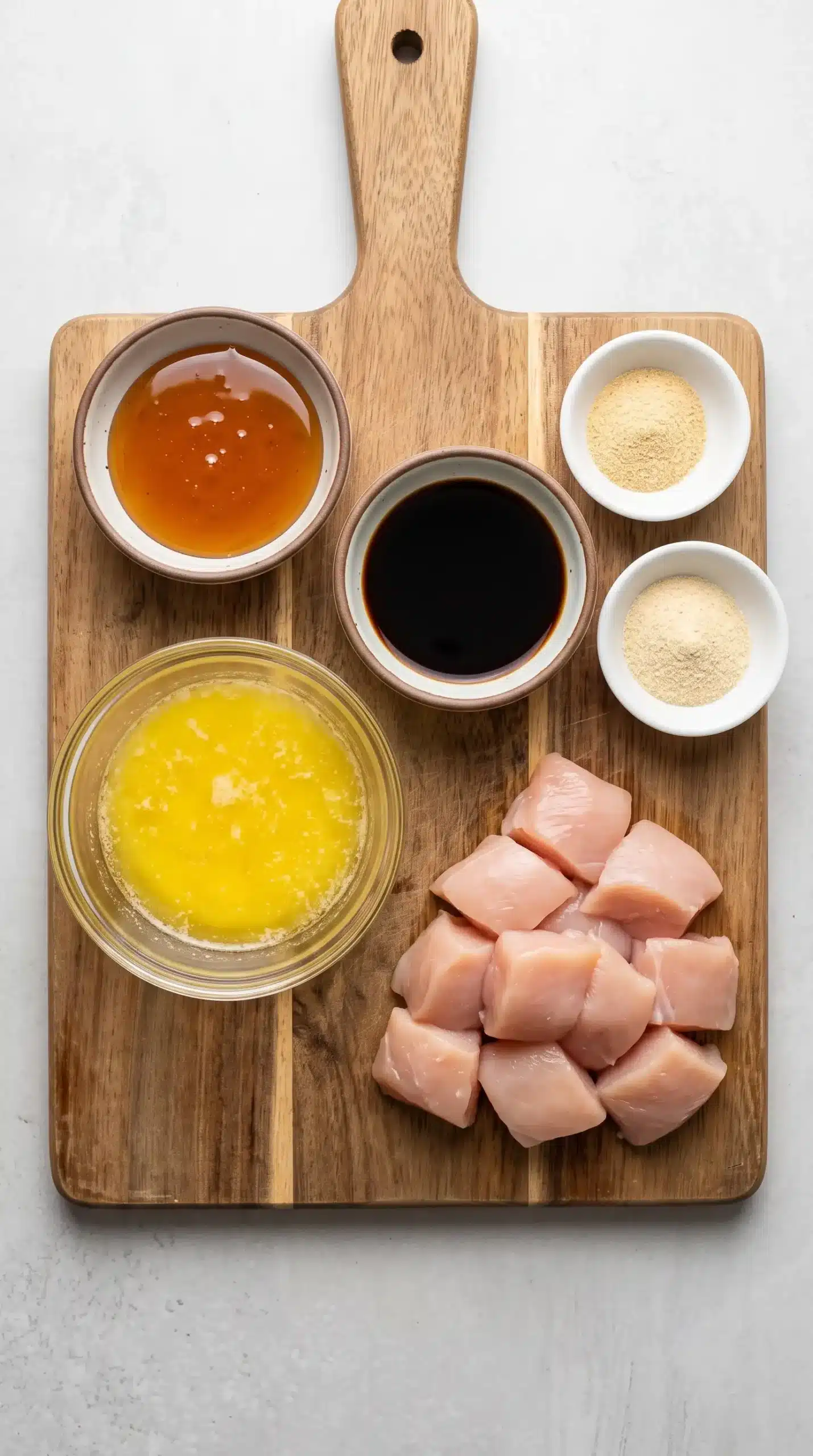
The glaze is the defining feature of this dish because honey and butter work together to create a smooth, glossy coating. Honey contributes caramelized sweetness and a beautiful finish, while unsalted butter adds richness and helps the sauce blend smoothly.
| Glaze element | Role in the dish | Cooking consideration |
|---|---|---|
| Honey | Adds sweetness and glossy texture | Needs gentle heat to avoid burning |
| Butter | Creates richness and smoothness | Works best when melted gradually |
| Soy sauce | Balances sweetness with savory flavor | Low-sodium options allow more seasoning control |
Garlic powder and onion powder support the glaze with savory notes that keep the sweetness from becoming overpowering. The result is a sauce that feels rich while still remaining balanced.
Searing Decisions Create Better Chicken Texture
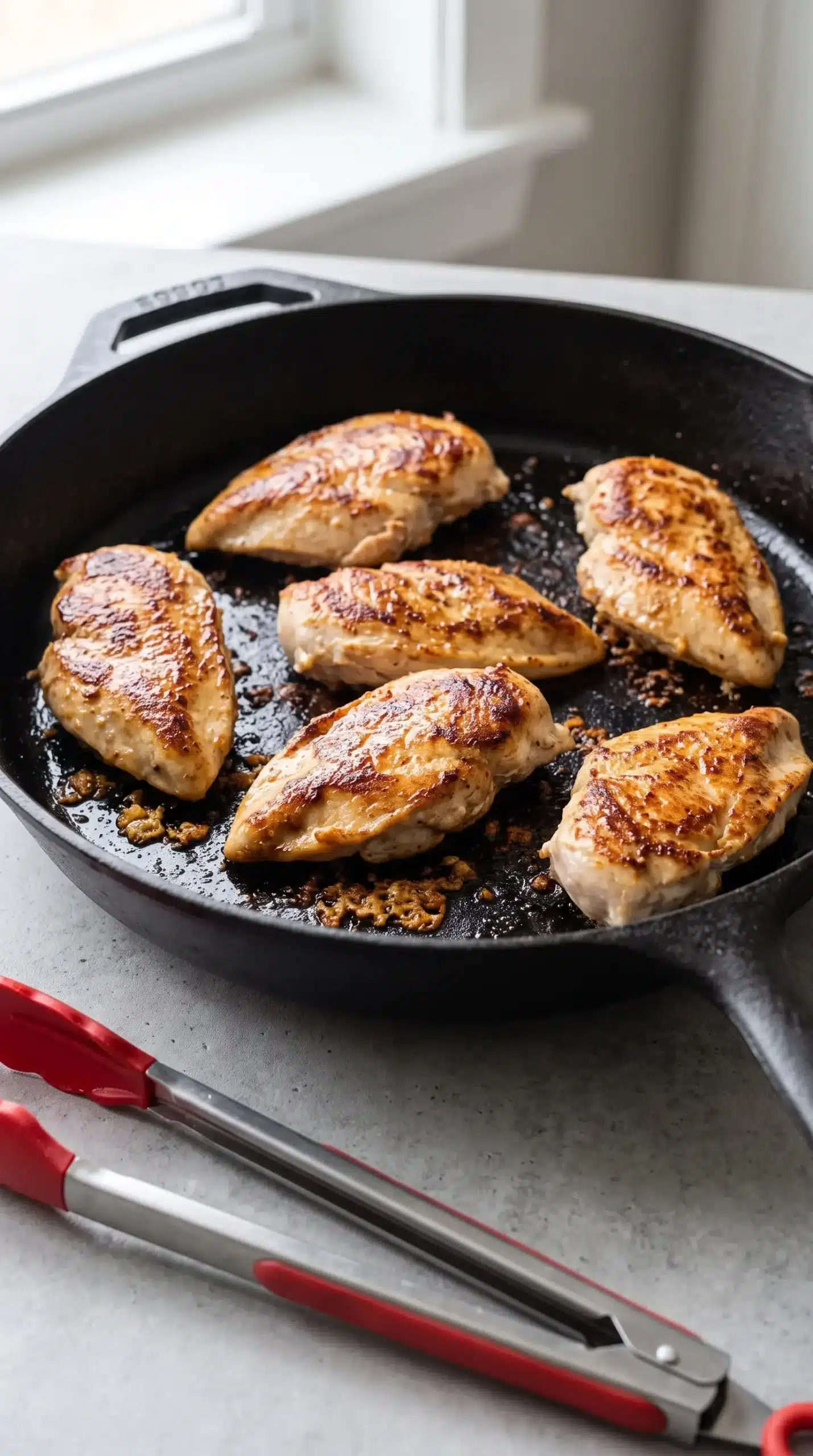
Chicken texture depends heavily on the first contact with the hot skillet. patting chicken dry before seasoning helps remove surface moisture, allowing the meat to brown more effectively and develop golden color and deeper flavor.
Medium-high heat creates the caramelized exterior that makes the chicken satisfying. After searing, the sauce benefits from the browned pieces left in the skillet because they become part of the glaze.
Resting the chicken in the finished sauce allows the flavors to settle together. The meat stays tender, and the glaze has more opportunity to coat each piece evenly before serving.
A 30 Minute Honey Butter Chicken Timeline
A 30 minute honey butter chicken dinner works well because the preparation focuses on a few important cooking decisions. Seasoning, searing, glazing, and resting each have a specific role in creating the finished texture and flavor.
- Preparation: Dry and season the chicken so the surface is ready for browning.
- Skillet cooking: Build golden color before introducing the butter glaze.
- Sauce finishing: Combine honey, butter, and soy sauce into a smooth coating.
Mistakes That Affect Honey Butter Chicken Results
Common problems with honey butter chicken usually come from temperature control and timing. Avoiding excessive heat, crowded cooking space, and overcooking helps preserve the juicy chicken and glossy sauce that define the dish.
Burning the honey glaze
Very high heat can quickly darken honey and create bitterness. Keeping the sauce at a gentle simmer protects the smooth texture and balanced flavor.
Skipping the drying step
Wet chicken releases moisture into the skillet, making it harder to achieve golden browning. Patting the chicken dry supports better surface color.
Overcooking chicken breasts
Chicken breasts can lose moisture when left on heat too long. Monitoring doneness helps maintain a tender texture.
Flexible Honey Butter Chicken Serving Ideas
The sweet-savory sauce pairs naturally with sides that can absorb or balance its richness. Rice, vegetables, potatoes, salads, and bread all complement the buttery glaze in different ways.
| Serving option | Why it works | Best pairing style |
|---|---|---|
| Rice | Absorbs extra glaze | Jasmine, brown, or garlic rice |
| Vegetables | Add freshness and balance | Green beans, broccoli, asparagus, or carrots |
| Potatoes | Add classic comfort | Mashed or roasted potatoes |
Fresh parsley, lemon wedges, or red pepper flakes can also change the finishing style. Parsley adds freshness, lemon brings brightness, and red pepper flakes introduce optional heat.
Storage Choices Keep Honey Butter Chicken Ready
Cooked honey butter chicken stores well when placed in airtight containers after cooling. Leftovers can be kept refrigerated for up to 4 days or frozen for up to 3 months.
Gentle reheating helps protect the glaze. A skillet with a small splash of water can loosen the sauce and restore a smoother coating before serving.
Family-Friendly Adjustments for Honey Butter Chicken
The mild sweet-savory flavor makes honey butter chicken easy to adapt for different preferences. Families who prefer softer flavors can reduce black pepper or skip red pepper flakes while keeping the buttery glaze intact.
Cutting the chicken into smaller pieces can make portions easier to serve and allows more surface area for the glaze. Smaller cuts also work well for bowls, wraps, or simple family meals.
Extra sauce can be served separately so everyone can adjust the amount they prefer. Children may enjoy the familiar sweetness, while adults can add additional seasoning or heat to their own portions.
Honey Butter Chicken Ingredient Choices That Matter
The ingredients chosen for honey butter chicken each influence the finished dish, but a few decisions have the greatest effect on texture and flavor.
Chicken breast thickness can influence how quickly the meat cooks, so choosing evenly sized pieces helps maintain a tender texture under a rich glaze. Recipes such as honey garlic chicken breasts focus on balancing sweet flavors with careful cooking control for juicy results.
- Chicken breasts: Provide a quick-cooking option that absorbs the glaze well.
- Chicken thighs: Offer a juicier alternative with rich texture.
- Unsalted butter: Allows better control over the overall seasoning.
- Low-sodium soy sauce: Helps maintain balance between sweet and savory flavors.
Suitable substitutions include turkey cutlets, tofu, or cauliflower steaks when a different main ingredient is desired. These options change the texture but still work with the honey-based sauce style.
Skillet Control Improves the Honey Butter Chicken Finish
Cooking control is what separates a smooth glaze from a sauce that loses its texture. Heat changes throughout the process, so the skillet needs attention after the chicken develops its golden exterior.
Reducing the heat before adding butter helps protect the sauce. Gentle simmering encourages the honey, butter, and soy sauce to combine into a glossy coating.
Basting the chicken with the sauce improves coverage and helps every bite carry the sweet-savory flavor. A careful approach with temperature and timing keeps the glaze smooth.
The Sweet-Savory Chicken Dinner Fits Busy Meals
Honey butter chicken fits easily into busy schedules because it uses pantry-friendly ingredients and a simple skillet approach. The recipe delivers a comforting dinner experience without requiring complicated preparation or specialty techniques.
Budget and Equipment Notes for Honey Butter Chicken
Affordable ingredients make honey butter chicken practical for regular meals. Chicken pieces, pantry seasonings, butter, honey, and soy sauce create a rich result without requiring a long shopping list.
A large skillet is the most useful tool because it supports proper browning and provides enough space for coating the chicken with sauce. Tongs help turn the chicken gently, while a whisk helps combine the glaze smoothly.
A meat thermometer can also be helpful when cooking chicken breasts because it provides a reliable way to check doneness. Consistent sizing of chicken pieces can make cooking more even and predictable.
Honey Butter Chicken Glaze Defines the Meal
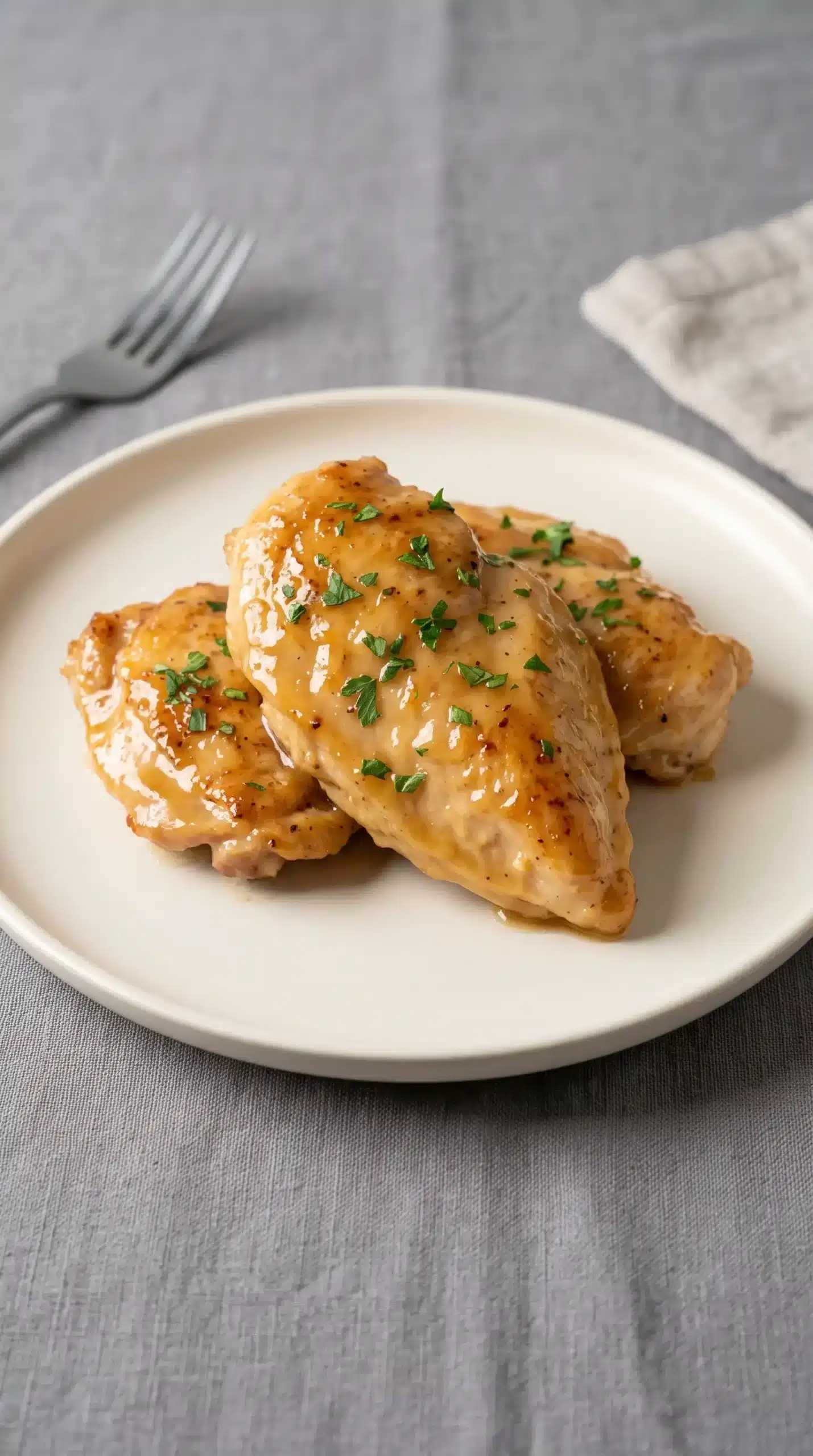
The glossy glaze brings together every important quality of honey butter chicken: browned chicken, buttery richness, gentle sweetness, and savory balance. The most important cooking judgment is keeping enough heat for caramelization while lowering the temperature when the honey butter sauce comes together.
When the chicken rests with the glaze coating each piece, the dish reaches its signature combination of juicy texture and smooth flavor. That balance is what makes this sweet-savory dinner memorable while keeping the preparation approachable.
Honey Butter Chicken Glaze Questions and Answers
Can the glaze become too sweet?
The glaze stays balanced because soy sauce and savory seasonings counter the honey. Using the measured combination of ingredients keeps the sweetness from overwhelming the chicken.
Why does the sauce need gentle simmering?
Gentle simmering helps the butter, honey, and soy sauce combine into a smoother coating. Excessive heat can affect the glaze texture and darken the honey too quickly.
Can chicken thighs replace chicken breasts?
Chicken thighs are a suitable substitute and provide a juicier texture. They also pair well with the buttery honey glaze because they absorb rich sauces effectively.
How can leftovers keep their texture?
Reheating slowly with a small amount of water helps loosen the glaze while preventing the chicken from drying out. Keeping portions covered during storage also helps maintain moisture.
What makes the chicken edges golden?
Drying the chicken before cooking and using appropriate skillet heat encourage browning. The golden surface develops before the glaze is added, creating the dish’s signature texture.
Honey Butter Chicken with Sweet Savory Glaze
Ingredients
Method
- Pat the chicken breasts dry and season both sides with the garlic powder, onion powder, salt, and black pepper. Let stand for 10 minutes.
- Warm the olive oil in a large skillet over medium-high heat.
- Cook the chicken breasts for 5 to 7 minutes per side, until golden and the centers register 165°F (74°C). Transfer the chicken to a plate.
- Lower the heat to medium and melt the butter in the same skillet, scraping up the browned bits from the bottom.
- Whisk the honey and soy sauce into the butter. Maintain a gentle simmer for 2 minutes, until the glaze becomes glossy and slightly thick.
- Place the chicken breasts back in the skillet and spoon the honey butter glaze over them repeatedly until evenly coated.
- Take the skillet off the heat and allow the chicken to rest in the glaze for 2 to 3 minutes.
- Serve with parsley, lemon wedges, or red pepper flakes, if desired.