Mediterranean Cauliflower Soup with Roasted Vegetables
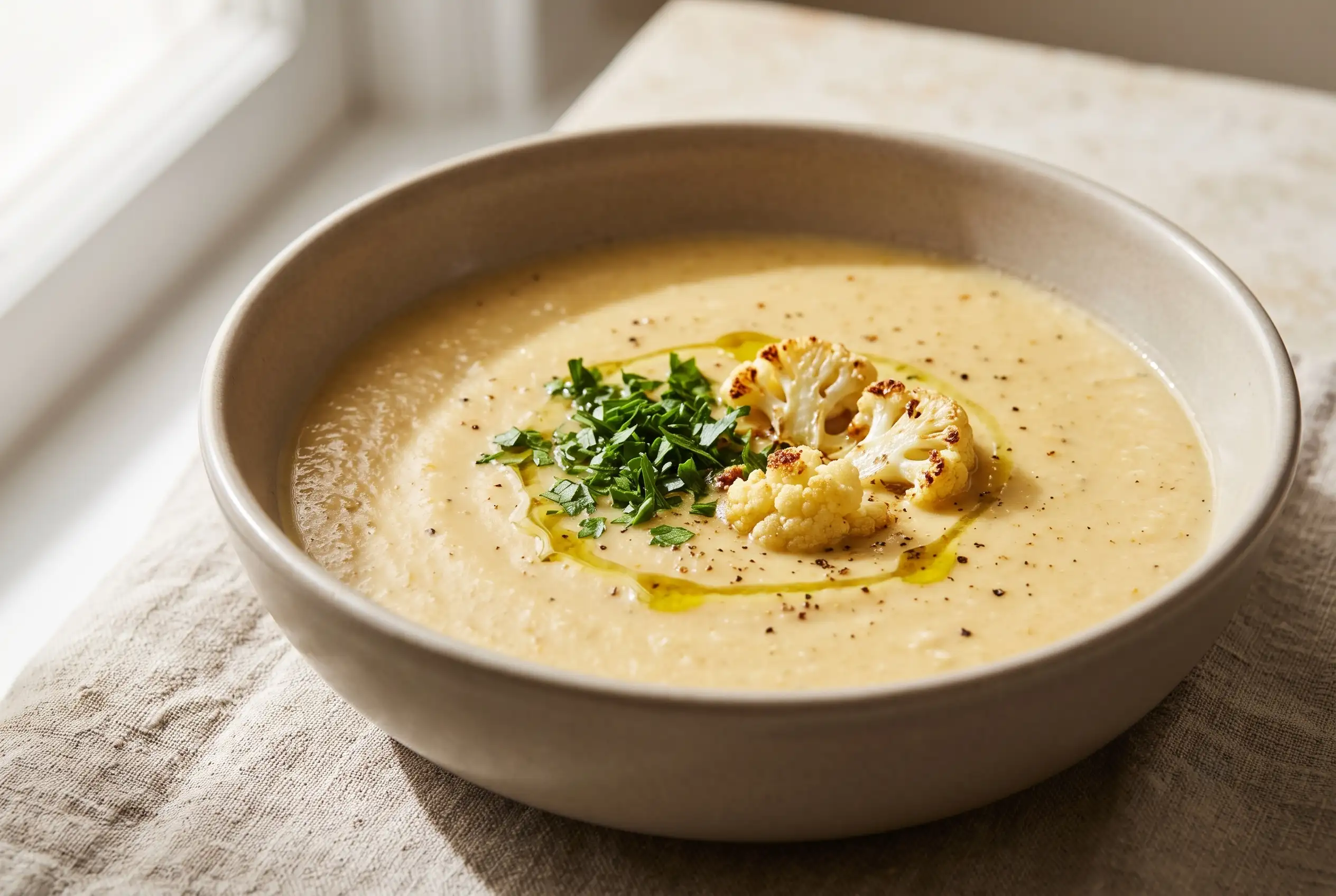
Mediterranean cauliflower soup combines roasted cauliflower, garlic, olive oil, cumin, vegetable broth, and lemon into a smooth bowl with bright Mediterranean character. The roasted vegetables create a naturally creamy texture, allowing this comforting soup to feel rich while staying light and vegetable-focused.
Warm flavors develop through simple techniques: cauliflower gains deeper flavor in the oven, aromatics soften in olive oil, and blending brings everything together into a silky finish. This creamy cauliflower soup recipe works well for cozy dinners, easy lunches, and flexible meal planning because the flavors remain balanced and adaptable.
Roasted Cauliflower Builds Mediterranean Cauliflower Soup Flavor
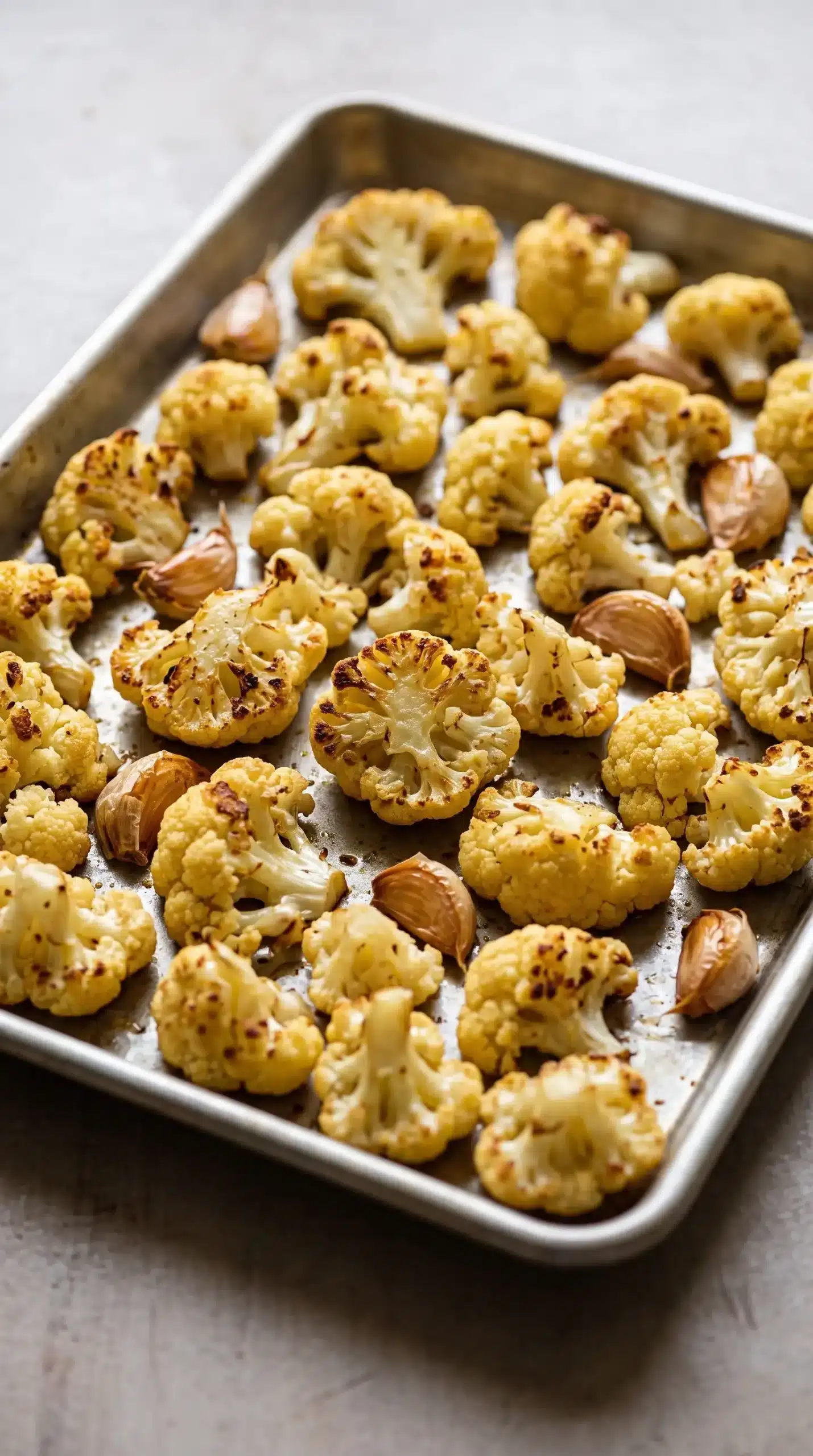
Roasting is the defining choice that separates a simple blended vegetable soup from a more layered bowl. Cauliflower exposed to oven heat develops golden edges and concentrated flavor before it meets the broth. Those roasted notes carry through the entire soup after blending.
The combination of roasted cauliflower, garlic, onion, and cumin creates a savory foundation with gentle warmth. Vegetable broth provides the liquid base, while lemon juice added near the end keeps the finished soup fresh and prevents the creamy texture from feeling too heavy.
Blended roasted vegetables create the smooth consistency associated with a roasted cauliflower soup without depending on heavy cream. Olive oil contributes body and a Mediterranean-inspired finish, making each spoonful feel satisfying while maintaining a clean vegetable flavor. A creamy roasted vegetable soup approach can further showcase how roasted produce builds a naturally rich texture.
Ingredient Choices That Define the Creamy Cauliflower Soup Recipe
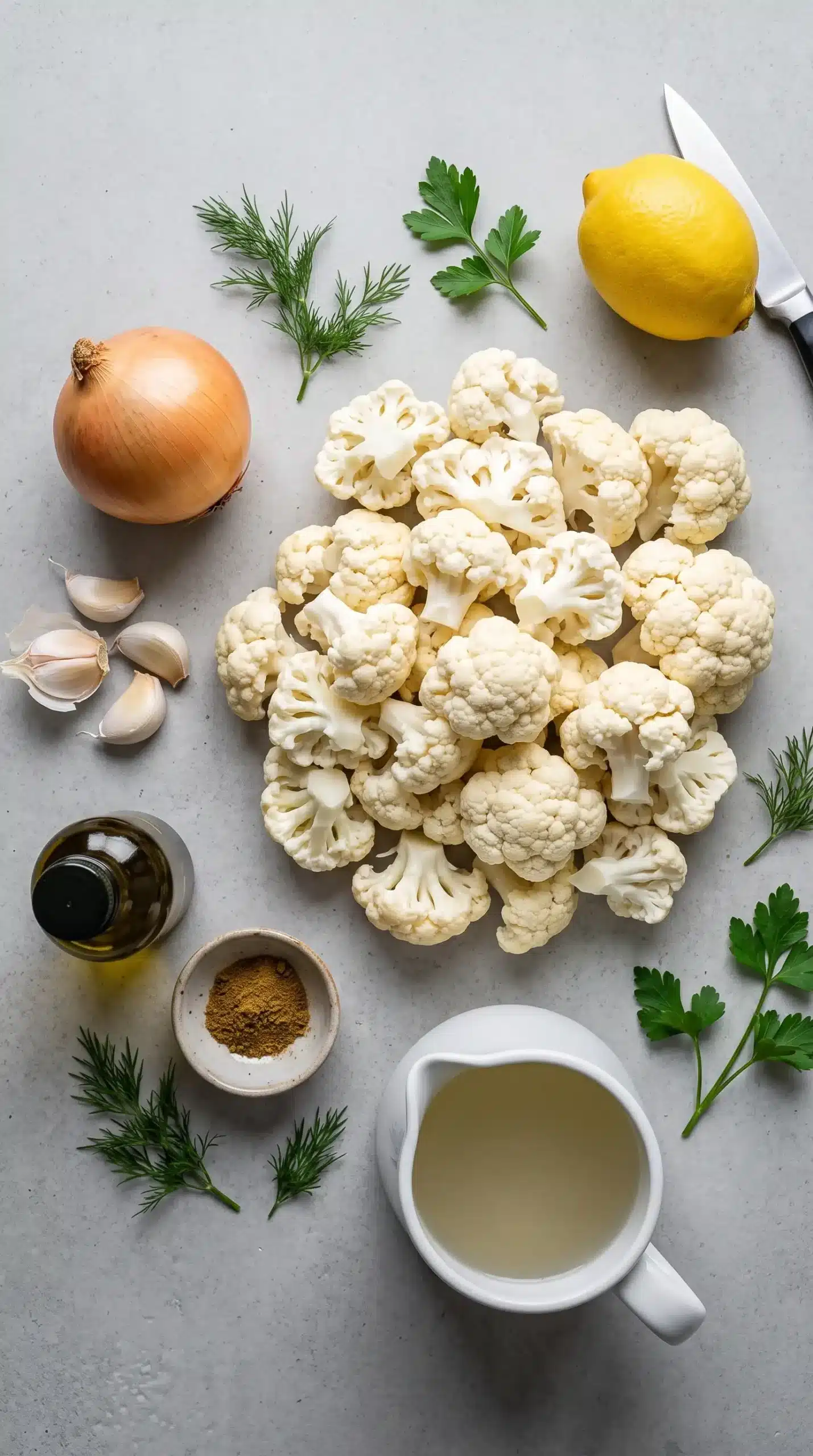
Small ingredient decisions have a noticeable effect because the soup relies on a short list of flavors. Fresh cauliflower creates the main texture, quality olive oil adds richness, and fresh garlic helps build the aromatic base that supports the cumin and lemon.
Vegetable broth influences both consistency and seasoning, so choosing a broth with a balanced flavor allows the cauliflower to remain the focus. Fresh lemon juice is added after blending because its acidity lifts the roasted flavors and gives the bowl a brighter finish.
Optional additions can shift the character of the soup while keeping its Mediterranean direction. Coconut milk creates extra creaminess, roasted chickpeas add texture and protein, and red pepper flakes introduce gentle heat.
Serving Styles That Match the Soup’s Texture
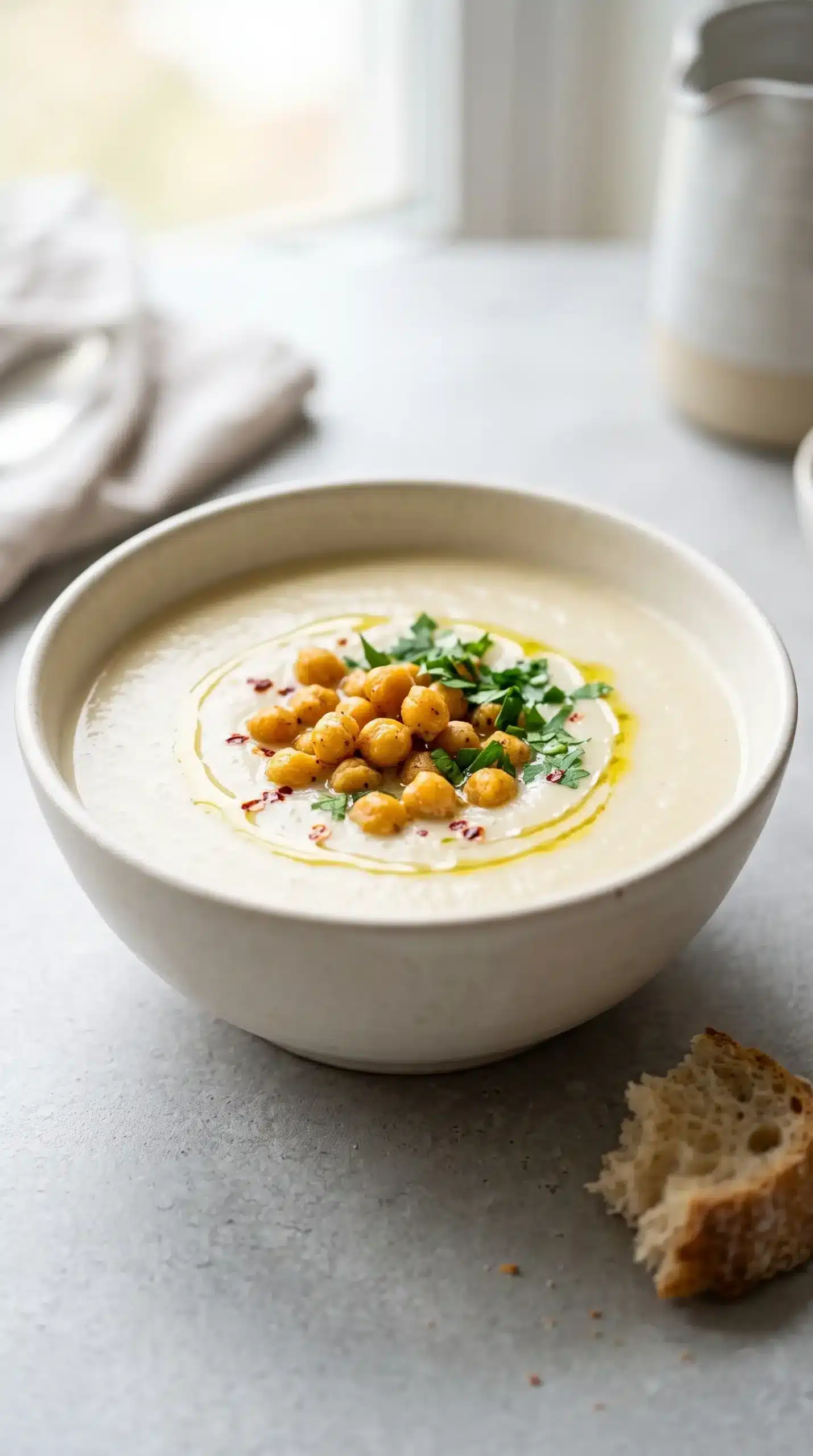
The smooth texture of Mediterranean cauliflower soup pairs naturally with contrasting toppings and sides. Crusty bread, warm pita, roasted chickpeas, garlic toast, or a fresh salad can add different textures while keeping the meal balanced.
Roasting Control Keeps Mediterranean Cauliflower Soup Silky
Proper roasting technique has the biggest impact on the depth of flavor. Spread cauliflower pieces across the baking sheet so heat can circulate around each piece because overcrowding affects vegetable caramelization. Crowded vegetables release moisture and can soften without developing the golden edges that create stronger flavor.
A gentle sauté of onion, garlic, and cumin builds another layer before the roasted cauliflower joins the pot. Cooking the aromatics carefully allows their flavors to blend smoothly into the broth instead of creating sharp or overpowering notes.
Blending technique also affects the finished result. An immersion blender makes it easy to create a smooth soup directly in the pot, while a countertop blender can produce an especially silky texture when hot liquids are handled carefully in smaller batches.
Mediterranean Cauliflower Soup Mistakes That Flatten Flavor
Several small mistakes can reduce the impact of roasted cauliflower soup. Avoiding them helps preserve the creamy texture and balanced flavor that make this dish distinctive.
- Pale cauliflower: Roasting until golden creates deeper flavor, while under-roasted florets can leave the soup tasting flat.
- Overcrowded roasting: Too many pieces on one pan encourage steaming and reduce caramelization.
- Missing acidity: Skipping lemon juice can make the blended soup feel overly rich or dull.
- Excess broth: Adding too much liquid can weaken the concentrated roasted flavor and create a thinner texture.
Storage Choices Protect the Blended Texture
Proper storage helps maintain the smooth consistency of Mediterranean cauliflower soup after cooking. Cooling the soup before placing it into airtight containers keeps leftovers ready for quick meals throughout the week.
| Storage method | Best practice | Texture consideration |
|---|---|---|
| Refrigerator | Keep chilled in airtight containers | Soup may thicken slightly and can be loosened with broth or water |
| Freezer | Cool completely before transferring to freezer-safe containers | Gentle reheating helps restore a smooth consistency |
| Reheating | Warm over medium-low heat while stirring | Avoid aggressive boiling after blending |
The flavors often become more blended after resting, making stored portions convenient for planned lunches or simple dinners.
Flexible Additions Create New Soup Variations
Customization works especially well with this vegan cauliflower soup base. Chickpeas or white beans can make the bowl more filling, spinach or kale can add color, and coconut milk can create a richer version when a softer texture is preferred.
Meal Prep Approaches Simplify Future Bowls
Planning ahead can make preparation easier without changing the character of the soup. Roasted cauliflower can be prepared in advance, vegetables can be chopped earlier, and toppings can be stored separately until serving.
Individual portions are practical for busy schedules because the soup reheats well and maintains its comforting texture when warmed gently. Keeping fresh garnishes separate helps preserve their texture and appearance.
Simple preparation habits also make it easier to adjust each serving. One bowl can receive extra chili flakes or olive oil, while another can remain mild for different preferences at the table.
Family-Friendly Ways Keep the Soup Approachable
The naturally smooth texture and mild roasted flavor make Mediterranean cauliflower soup easy to adapt for family meals. Smaller servings, familiar toppings, grilled cheese, crackers, or pita bread can make the bowl feel more approachable for younger eaters.
Cooking Timeline Supports Smooth Results
| Stage | Main focus | Important result |
|---|---|---|
| Preparation | Chop vegetables and organize roasting | Even pieces help consistent cooking |
| Roasting and sautéing | Develop cauliflower and aromatic flavors | Creates the soup’s deeper taste foundation |
| Blending and finishing | Combine texture and adjust seasoning | Produces a smooth, balanced bowl |
Keeping attention on flavor development at each stage helps the soup maintain its roasted character and creamy consistency.
Mediterranean Cauliflower Soup Shows Simple Roasting Wins
Roasted cauliflower transforms a few everyday ingredients into a soup with depth, smooth texture, and bright Mediterranean flavor. The balance between caramelized vegetables, warm cumin, fresh lemon, and olive oil creates a bowl that feels comforting without becoming heavy.
A carefully roasted cauliflower base, thoughtful seasoning, and gentle blending are the choices that define this soup. Those techniques allow a simple vegetable combination to become a satisfying meal with lasting appeal.
Questions About Mediterranean Cauliflower Soup and Texture
Can I make the soup thicker?
Yes. A thicker texture can be created by using slightly less broth or blending chickpeas into the soup. These changes increase body while keeping the roasted cauliflower flavor present.
Can I use frozen cauliflower?
Frozen cauliflower works well for this soup and can simplify preparation. Roasting helps develop flavor before blending, so frozen florets can still contribute to a smooth finished bowl.
Is Mediterranean cauliflower soup vegan?
The base version is vegan when prepared with vegetable broth and the listed ingredients. Optional additions such as cream, Parmesan, or Greek yogurt can be used for non-vegan variations.
What toppings work best with the soup?
Roasted chickpeas, parsley, chili flakes, olive oil, croutons, and toasted seeds all provide contrast against the smooth blended texture.
Can I add more protein to the bowl?
Chickpeas and white beans are suitable additions that increase protein and make the soup feel more substantial while matching the Mediterranean-inspired flavors.
Mediterranean Cauliflower Soup with Roasted Vegetables
Ingredients
Method
- Preheat the oven to 400°F / 200°C and prepare a baking sheet with parchment paper.
- Coat the cauliflower florets with olive oil, salt, and pepper, then arrange them on the baking sheet and roast for 25–30 minutes until tender and browned.
- Warm 2 tablespoons olive oil in a large pot over medium heat, then sauté the onion for 4–5 minutes until softened and translucent.
- Add the minced garlic and cumin to the pot and cook with the onion for 1 minute until fragrant.
- Add the roasted cauliflower and vegetable broth, bring the soup to a gentle boil, then lower the heat and simmer for 10 minutes.
- Blend the soup using an immersion blender or carefully blend in batches until smooth and creamy.
- Mix in the lemon juice, season with salt and pepper as needed, and serve topped with fresh parsley and optional olive oil or extra black pepper.