Baked Salmon Recipe with Garlic Butter Glaze and Lemon
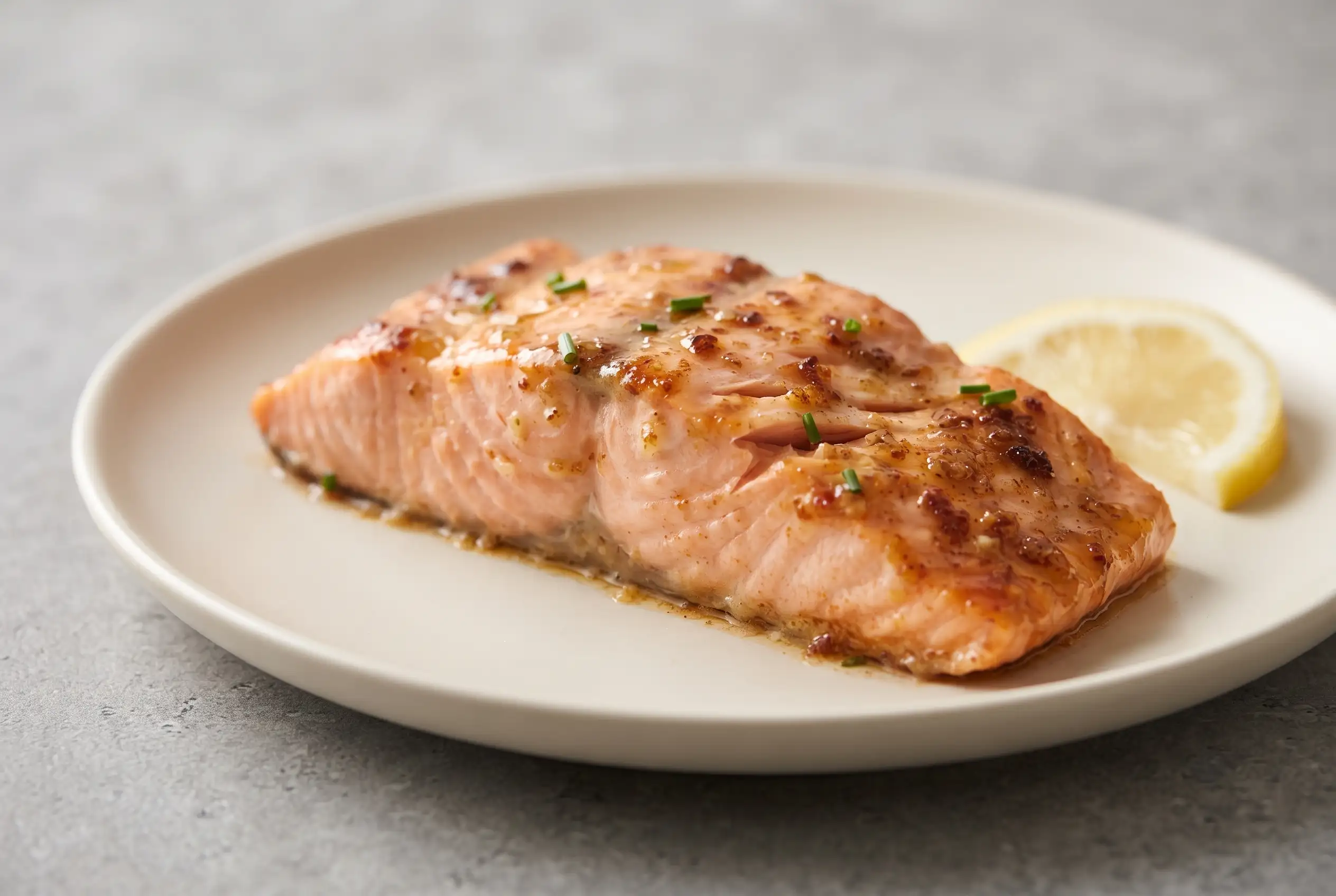
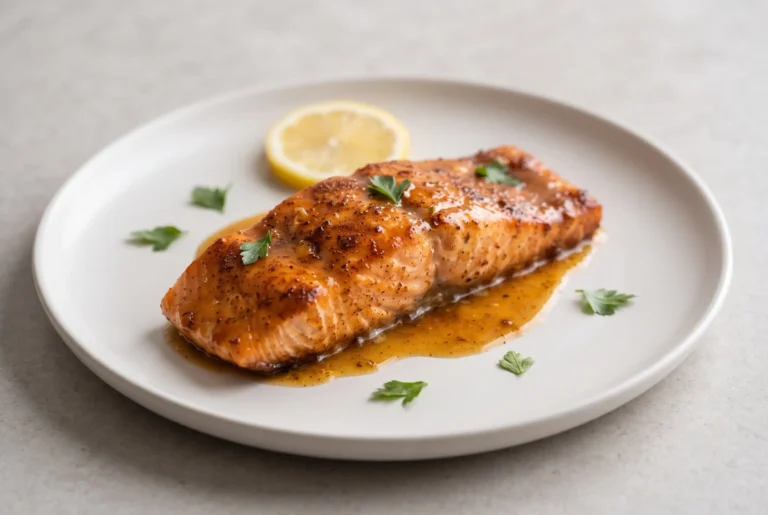
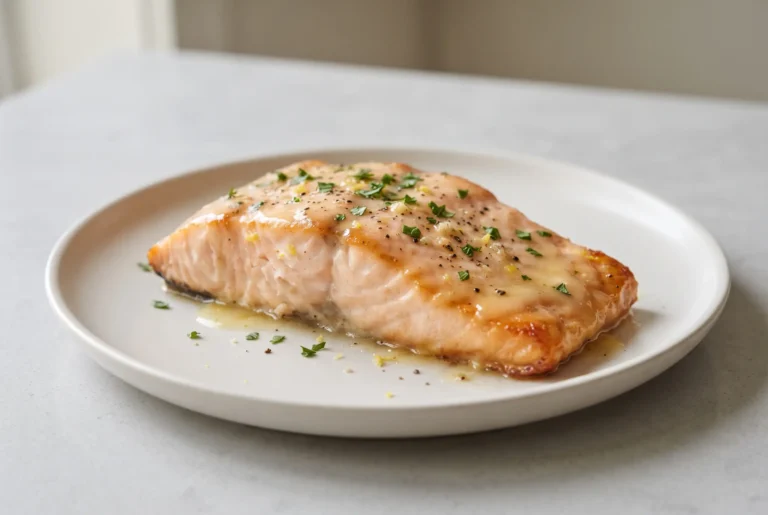
Baked salmon recipe fans will love this Texas Roadhouse-Style Baked Salmon for its sweet garlic butter glaze, flaky texture, and restaurant-inspired finish that comes together with simple kitchen staples. The combination of brown sugar, fresh garlic, lemon juice, paprika, and butter creates a balanced seafood dinner with a glossy coating and rich flavor.
This texas roadhouse style salmon brings together comforting flavors and practical cooking. The glaze adds savory depth and gentle sweetness while the salmon remains the centerpiece. It is an easy option for weeknight meals, family dinners, or occasions when you want a seafood dish that feels special without complicated preparation.
Why This Baked Salmon Recipe Works So Well
The appeal of this baked salmon recipe comes from the way each element supports the finished dish. Salmon provides a naturally rich base, while the garlic butter glaze adds layers of sweetness, brightness, and savory flavor. Baking allows the coating to settle into the fish while keeping the interior tender and flaky.
A texas roadhouse style salmon approach works because it focuses on contrast. The brown sugar creates light caramelization, lemon juice keeps the buttery flavors balanced, and paprika adds warmth and color. Those details transform a short ingredient list into a dinner that feels thoughtfully prepared.
The method also suits cooks who want dependable results. A moderate oven temperature helps the salmon cook evenly, and the glaze provides a flavorful surface that protects moisture during baking. The result is a 25 minute baked salmon dinner that delivers impressive flavor without requiring advanced techniques.
Sweet Garlic Butter Flavor Comes From Simple Choices
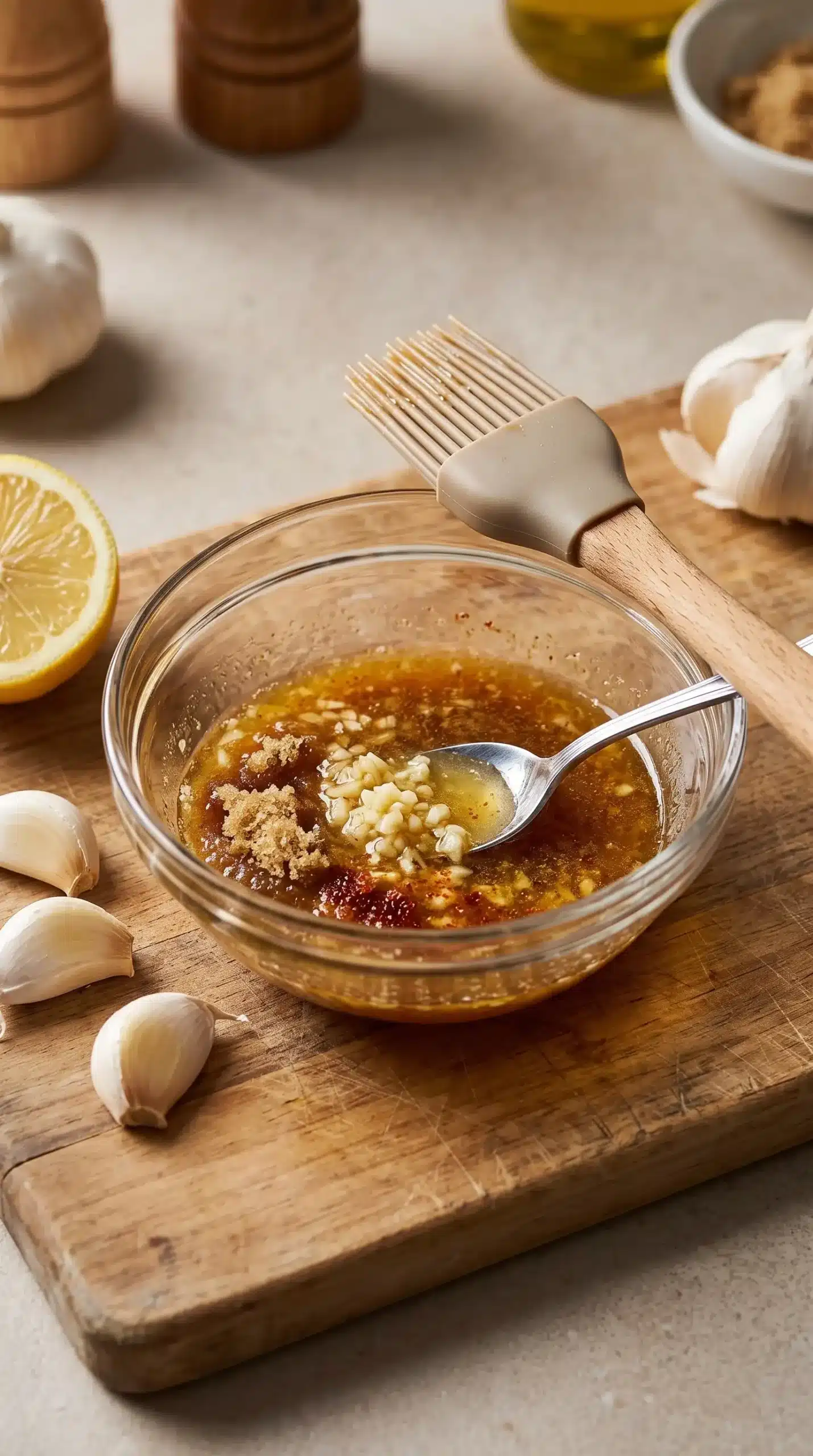
The most important ingredient decisions in this garlic butter baked salmon center around balance. Fresh garlic gives the glaze its savory character, while melted unsalted butter creates richness and carries the other flavors across each fillet. A garlic lemon butter sauce preparation can emphasize the bright citrus notes that help balance the richness of the salmon.
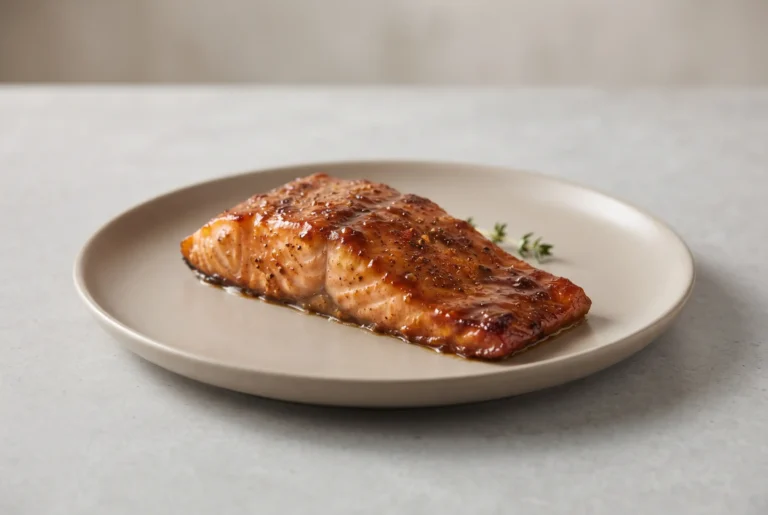
Brown sugar plays an important role by adding sweetness and encouraging caramelized edges during baking. Fresh lemon juice prevents the glaze from becoming too heavy, creating a brighter finish that complements the natural richness of salmon.
Paprika contributes subtle warmth and deeper color, while fresh parsley adds a clean finishing touch when used as a garnish. These choices work together so no single flavor overwhelms the fish.
Salmon Selection Shapes the Final Texture
Fresh salmon provides excellent texture, but frozen salmon can also work well when it is fully thawed and dried before cooking. Atlantic salmon offers a richer profile, while sockeye salmon provides a firmer texture and stronger flavor.
Cooking Control Keeps the Fillets Juicy
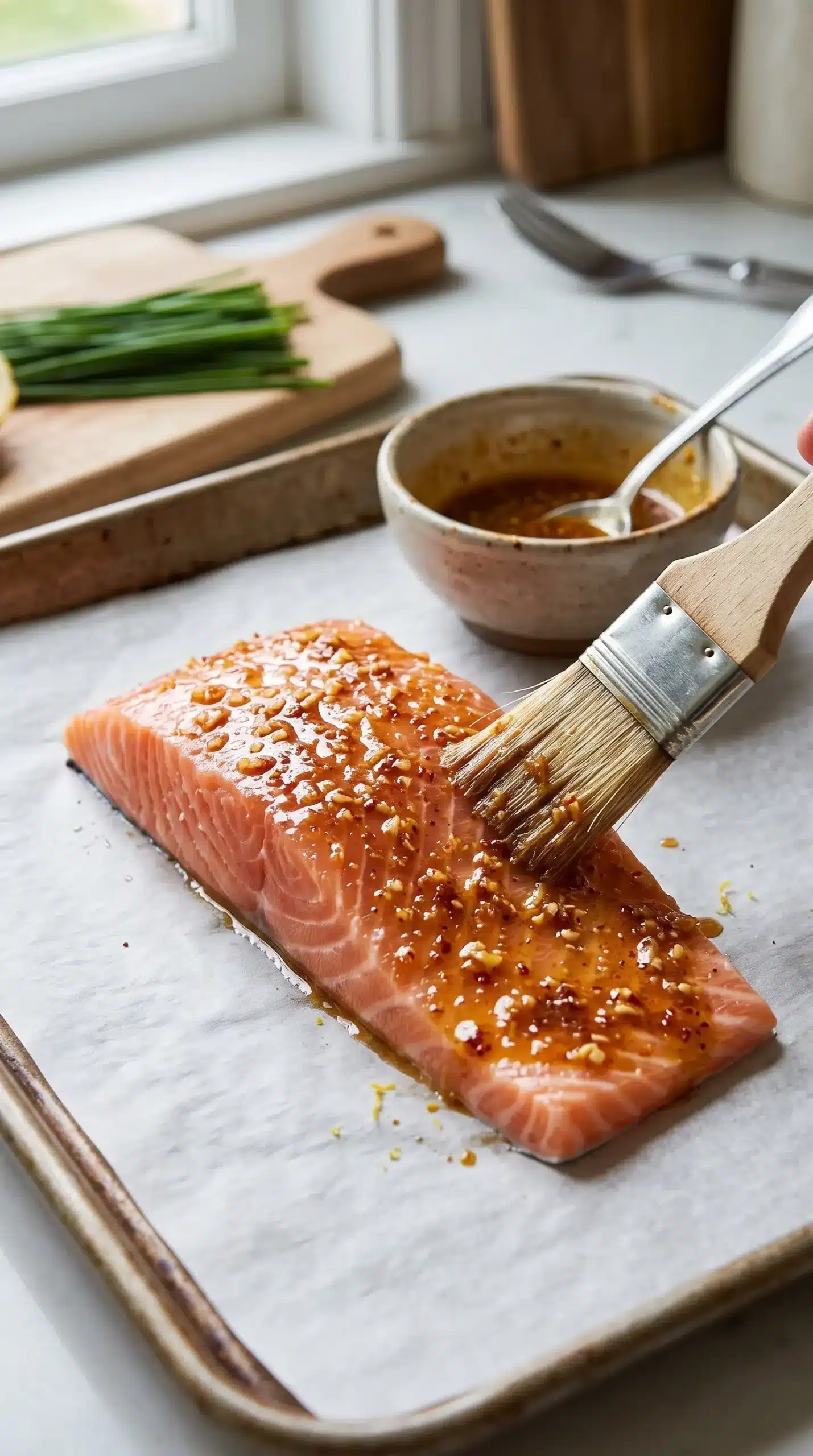
Careful temperature control is the key difference between tender salmon and a dry result. Patting the fillets dry before seasoning helps the glaze cling properly and encourages better browning as the fish bakes.
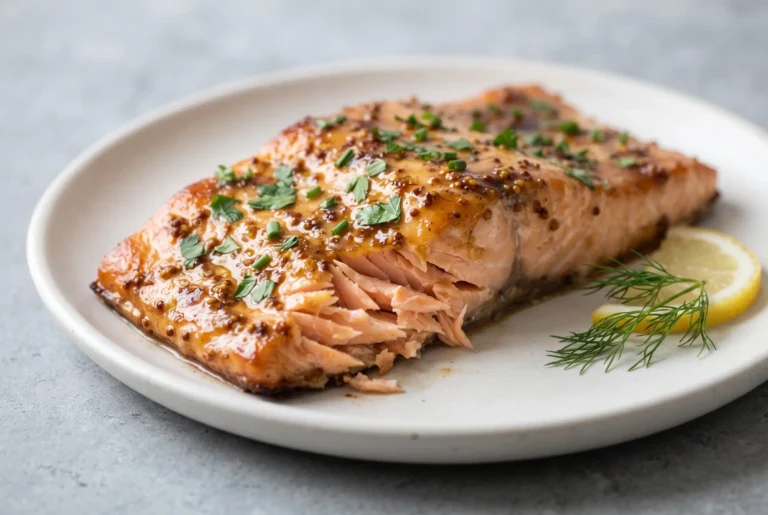
A baked salmon recipe benefits from checking doneness carefully because fillets can vary in thickness. The salmon should flake easily with a fork and reach an internal temperature of 145°F. Starting to check early is especially helpful when working with thinner pieces.
Resting the salmon briefly after baking allows the juices to settle throughout the fish. Spoonable pan juices can add another layer of flavor when served, making the finished dish feel more complete.
Common Texas Roadhouse-Style Baked Salmon Mistakes to Avoid
Overcooking is the most common issue with Texas Roadhouse-Style Baked Salmon. Salmon that remains in the oven too long loses the moist texture that makes this dish appealing. Using a thermometer and watching for easy flaking helps prevent this problem.
Skipping the drying step can also affect the result. Moisture on the surface can weaken the glaze texture and reduce caramelization. Fresh garlic matters as well because it creates a stronger aroma and flavor than garlic powder or prepared alternatives.
Another mistake is using fillets that are too thin. Very thin portions may cook before the glaze has enough time to develop its characteristic finish. Choosing evenly sized pieces helps the salmon bake more consistently.
Serving Pairings That Balance the Glaze
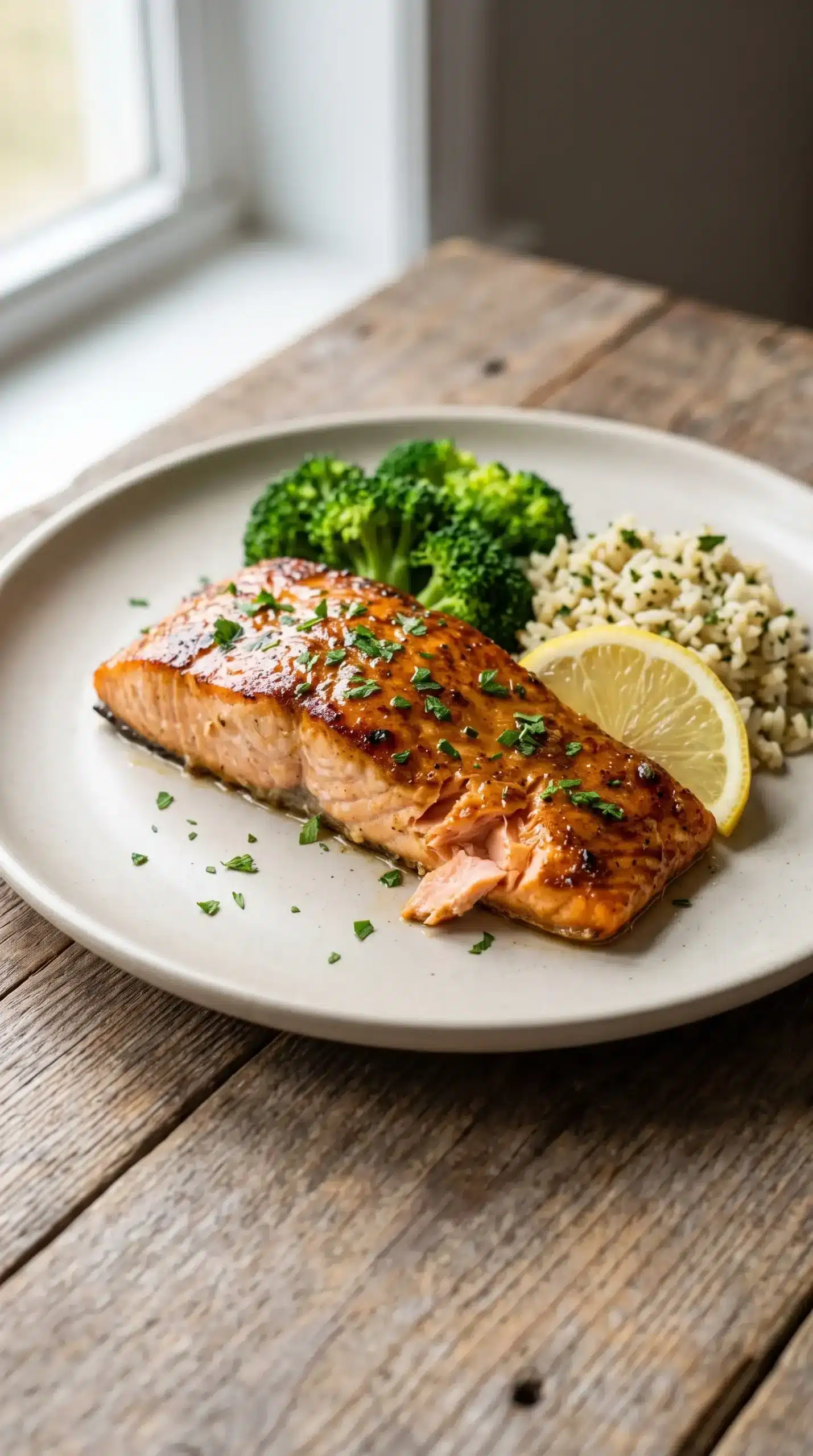
Texas Roadhouse-Style Baked Salmon pairs naturally with sides that complement its buttery sweetness. Garlic mashed potatoes, rice pilaf, roasted asparagus, steamed broccoli, quinoa, green beans, salads, and crispy potato wedges all create satisfying combinations.
| Side choice | Texture contribution | Flavor match |
|---|---|---|
| Rice pilaf | Soft and light | Absorbs the garlic butter flavors |
| Crispy potato wedges | Crunchy contrast | Balances the tender salmon |
| Steamed broccoli | Fresh and crisp | Offsets the rich glaze |
Storage Keeps Leftovers Ready
Cooked salmon should be stored in an airtight container and used promptly, with fish in one to two days being the USDA recommended timeframe for refrigerated storage. For longer storage, tightly wrapped portions can be frozen. Gentle reheating helps maintain texture because excessive heat can quickly dry the fish.
Make-Ahead Ideas Fit Busy Dinner Plans
Preparing parts of the meal ahead can make this baked salmon recipe easier to fit into a busy schedule. The glaze can be prepared in advance and refrigerated until it is needed, allowing dinner preparation to move quickly.
Seasoning the salmon earlier in the day can also reduce last-minute work. When it is time to cook, the remaining preparation is simple and focused on baking the fillets until they are tender.
Cooked salmon also works well beyond the first meal. Leftovers can be added to salads, wraps, or rice bowls, creating another convenient option from the same flavorful preparation.
Variations Change the Glaze Direction
The glaze can be adjusted to create different versions of this dish. Replacing brown sugar with honey creates a smoother sweetness, while adding cayenne pepper or chili flakes introduces extra heat. Fresh dill, thyme, or rosemary can also shift the flavor toward a more herbal finish.
Tools That Improve Baking Consistency
A few basic tools can make the cooking process more reliable. A lined baking sheet keeps cleanup simple, while a small bowl makes it easier to combine the garlic butter glaze evenly before brushing it over the salmon.
- Thermometer: Helps confirm the salmon reaches the proper internal temperature without relying only on appearance.
- Pastry brush: Spreads the glaze across the fillets for even coverage.
- Fish spatula: Helps move delicate cooked salmon without breaking the fillets.
Fresh lemon juice is easier to prepare with a citrus tool, and a broiler setting can add extra caramelized edges during the final moments of cooking. These tools are useful additions, but the dish remains accessible with standard kitchen equipment.
Budget Choices for a 25 Minute Baked Salmon Dinner
Frozen salmon fillets can make this 25 minute baked salmon dinner more affordable while still producing excellent results after proper thawing and drying. Pantry staples such as paprika, brown sugar, and olive oil can also help keep the overall cost practical.
Texture Details Behind Garlic Butter Baked Salmon
The texture of garlic butter baked salmon comes from the relationship between the flaky fish and the glossy glaze. Properly cooked salmon separates into tender flakes while maintaining a rich, moist bite.
As the butter melts, it blends with garlic and lemon while the brown sugar develops a lightly caramelized surface. This creates a contrast between the soft center and the flavorful outer coating.
Serving choices can highlight those textures even more. Crisp potato sides add crunch, vegetables bring freshness, and simple garnishes add visual appeal without distracting from the salmon itself.
Texas Roadhouse-Style Baked Salmon Delivers Balanced Results
Texas Roadhouse-Style Baked Salmon succeeds because the cooking decisions focus on preserving moisture while building flavor. Drying the fish, applying the glaze evenly, and avoiding overbaking create the combination of flaky salmon and rich caramelized seasoning that defines the dish.
The finished baked salmon recipe shows how a few carefully chosen ingredients can create a satisfying seafood dinner with dependable texture and a balanced sweet-savory profile.
Questions About Cooking Temperature and Texture
Can I use frozen salmon for this baked salmon recipe?
Yes. Frozen salmon works well when it is completely thawed and patted dry before seasoning. Removing excess moisture helps the glaze adhere properly and improves the final texture.
How can I keep salmon from becoming dry?
Checking the fish early, using an instant-read thermometer, and allowing the salmon to rest briefly after baking all help maintain a moist and flaky result.
Can the glaze be prepared ahead of time?
The garlic butter glaze can be made ahead and refrigerated until needed. Warming it slightly before use helps restore a smooth consistency for brushing.
What makes this salmon different from a basic baked fish dinner?
The combination of brown sugar, garlic, butter, lemon juice, and paprika creates a distinctive sweet-savory glaze that gives the salmon a restaurant-inspired character.
Can I make this dish without dairy?
Yes. Butter can be replaced with olive oil or dairy-free butter to create a dairy-free version while keeping the garlic and lemon flavors present.
Texas Roadhouse-Style Baked Salmon with Garlic Butter Glaze and Lemon
Ingredients
Method
- Heat the oven to 400°F / 204°C and prepare a baking sheet with parchment paper or a light coating of oil.
- Dry the salmon fillets with paper towels, then arrange them skin-side down on the prepared baking sheet.
- Coat the salmon with olive oil and season evenly with salt, black pepper, and paprika.
- Combine the melted butter, brown sugar, minced garlic, and lemon juice in a small bowl, whisking until blended into a smooth glaze.
- Spread the garlic butter glaze over the top of each salmon fillet.
- Bake the salmon for 12–15 minutes, until it flakes easily with a fork and reaches an internal temperature of 145°F / 63°C.
- Add the warm pan juices over the baked salmon before serving.
- Finish with chopped parsley and lemon wedges if desired.