Boneless Chicken Breasts with Lemon Garlic Marinade
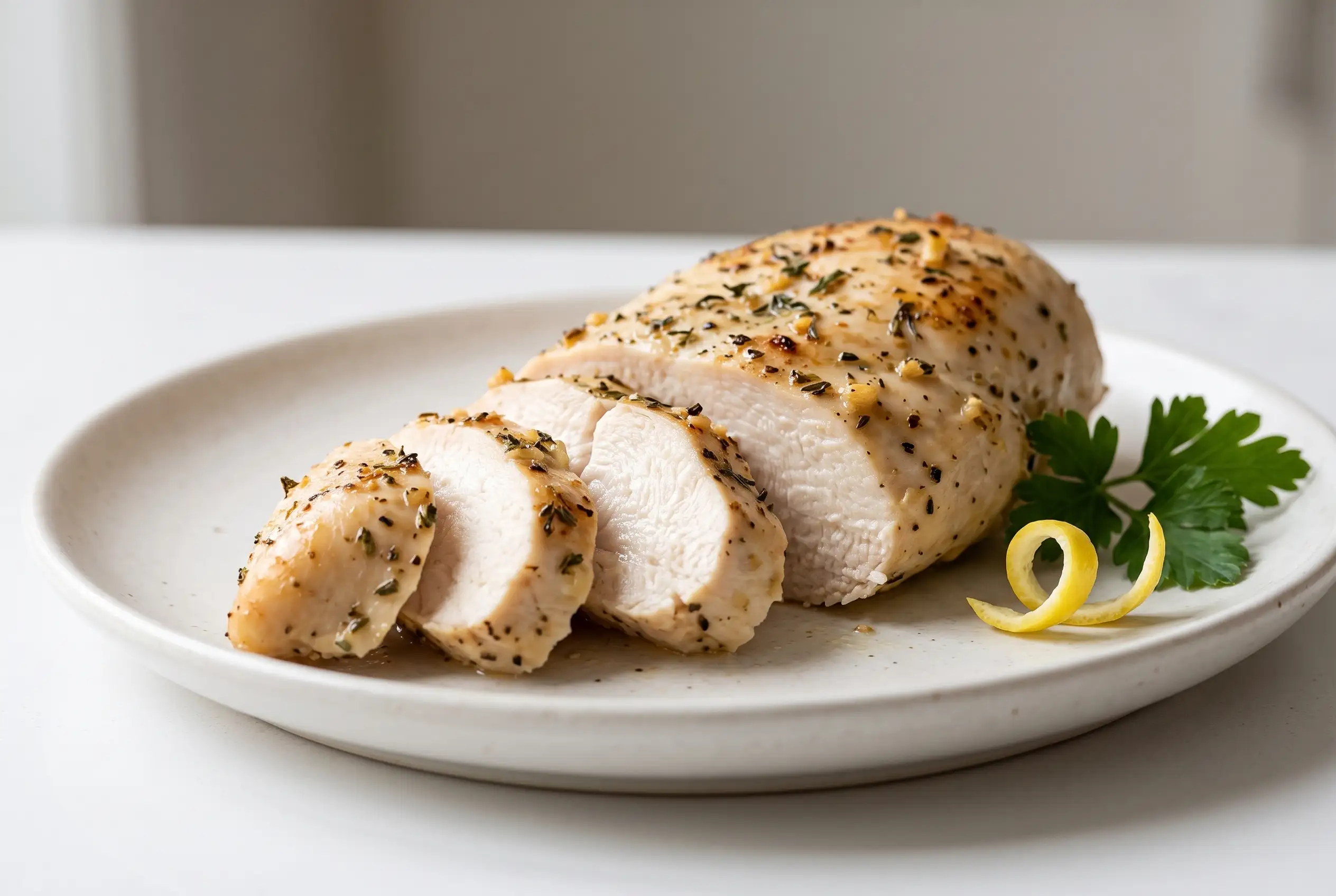
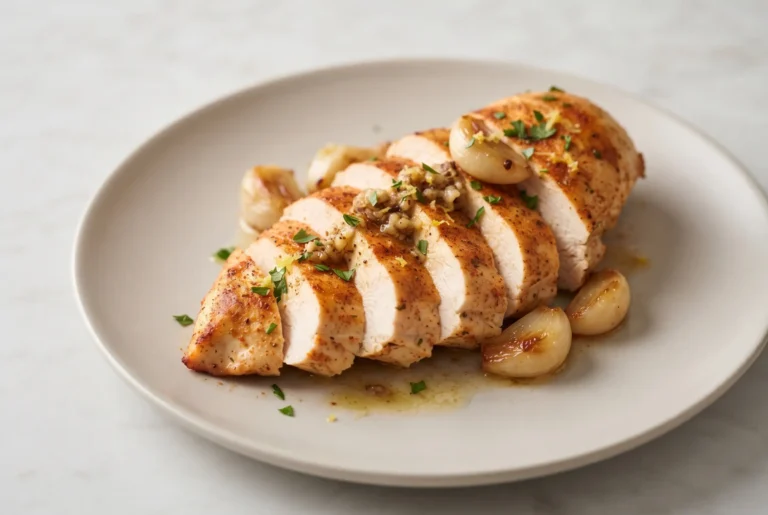
Boneless chicken breasts become especially satisfying when simple ingredients create juicy texture and bright flavor. This lemon garlic chicken breast combines olive oil, fresh lemon, garlic, and herbs to create an easy baked chicken breast dinner that works for busy evenings, meal preparation, and family meals.
The success of these baked chicken portions comes from careful moisture control. A flavorful marinade coats the chicken, gentle oven cooking preserves tenderness, and resting time helps keep every slice juicy. The result is a reliable juicy boneless chicken breast recipe built around everyday ingredients.
Why Boneless Chicken Breasts Stay Juicy and Flavorful
Lean chicken can lose moisture quickly, which makes preparation choices especially important. Olive oil helps coat the surface, while lemon juice and zest bring brightness that balances the savory garlic and herbs.
Proper seasoning also changes the overall eating experience. Garlic adds depth, dried herbs create an aromatic finish, and balanced salt and pepper allow the natural chicken flavor to remain noticeable.
Careful cooking makes the biggest difference. Monitoring the internal temperature and allowing the chicken to rest after baking helps maintain a tender texture that works well sliced over many different meals.
Lemon Garlic Marinade Builds the Chicken’s Flavor Foundation
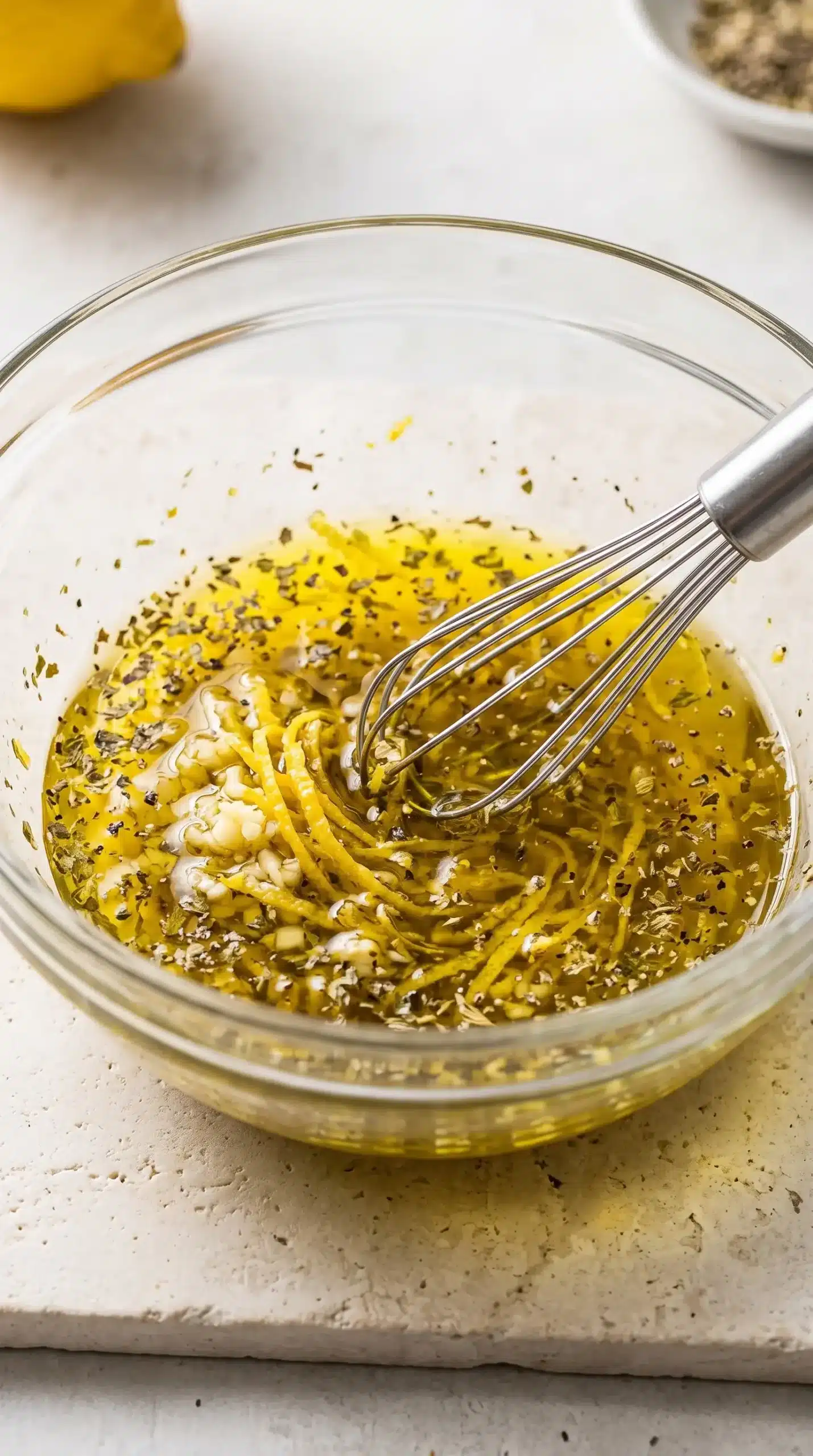
The combination of lemon, garlic, olive oil, and herbs is the key flavor decision behind these boneless chicken breasts. Whisking the marinade thoroughly helps distribute the ingredients evenly so each piece receives the same seasoning.
Fresh lemon zest deserves special attention because it adds concentrated citrus character. Juice provides acidity, while zest brings a deeper lemon aroma that supports the garlic and herbs without overwhelming the dish.
Garlic works best when freshly minced because small pieces cling to the chicken surface during baking. Thyme, rosemary, oregano, or Italian seasoning can all create slightly different herb profiles while keeping the same bright, savory direction.
Even Chicken Pieces Improve Baking Results
Chicken breasts with similar thickness cook more consistently because thinner areas are less likely to dry out before thicker sections finish. Lightly pounding chicken breasts to even thickness can help create a more balanced shape.
| Preparation choice | Cooking effect | Helpful action |
|---|---|---|
| Even thickness | More consistent doneness | Choose similarly sized pieces |
| Dry surface | Better seasoning contact | Pat chicken before coating |
| Single baking layer | More even heat exposure | Avoid overlapping pieces |
Baking Control Protects Tender Chicken Texture
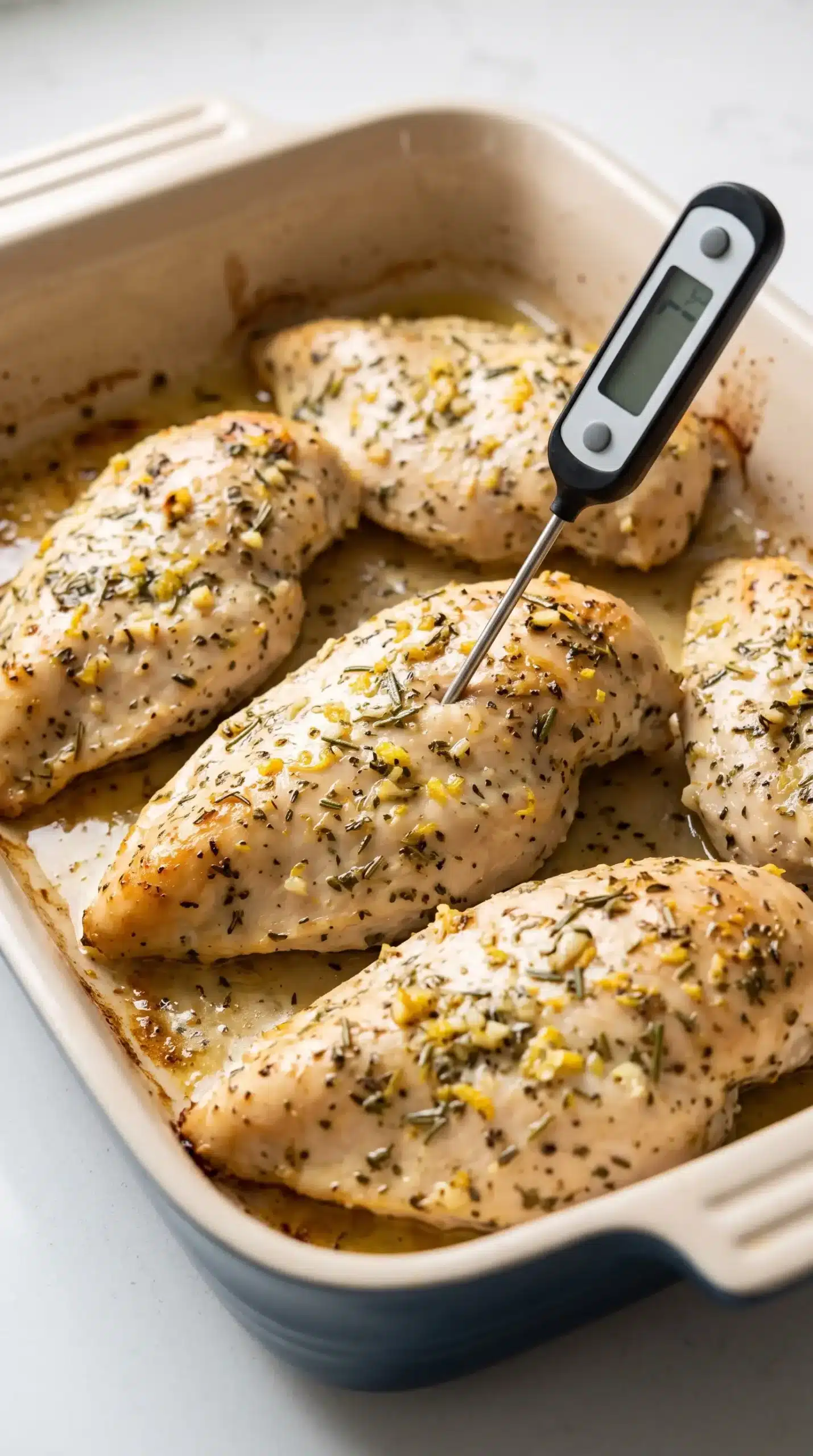
The oven method works because it keeps the process simple while allowing the lemon-herb juices to surround the chicken. Temperature control matters more than complicated techniques when preparing a juicy baked chicken breast recipe.
A meat thermometer provides the clearest way to judge doneness. Chicken should reach an internal temperature of 165°F (75°C), which helps prevent serving undercooked meat or accidentally drying it out.
Resting after baking is another important cooking decision. Slicing immediately can release juices too quickly, while a short rest allows moisture to redistribute throughout the chicken.
Mistakes That Dry Out Boneless Chicken Breasts
Several small mistakes can reduce the tenderness of lemon garlic chicken breast. Avoiding these problems keeps the simple preparation method dependable.
- Overcooking: Watch the internal temperature closely because chicken breast can become dry when exposed to heat too long.
- Uneven pieces: Thick and thin sections may finish at different times, affecting the final texture.
- Weak seasoning: Proper amounts of garlic, lemon, herbs, salt, and pepper prevent bland results.
- Skipping rest time: Cutting immediately can cause flavorful juices to escape before serving.
Meal Prep Uses Keep Chicken Ready for Busy Days
Cooked boneless chicken breasts are useful beyond a single dinner plate. Sliced pieces can add protein to salads, wraps, sandwiches, and grain bowls throughout the week.
Preparing the chicken ahead also allows the marinade flavors to develop before cooking. Extra portions can be stored for later meals or frozen for future use.
Simple Sides Match Lemon Herb Chicken
Bright citrus flavors pair naturally with vegetables, grains, and comforting sides. The mild seasoning makes these chicken breasts flexible enough for many meal combinations.
Roasted potatoes, rice pilaf, mashed potatoes, quinoa, and buttered pasta all complement the savory chicken. Steamed broccoli, green beans, asparagus, and roasted carrots add freshness and color.
Flavor Variations Expand the Same Chicken Base
Small adjustments can create different versions of the dish while keeping the same cooking approach.
| Variation | Added flavor | Best fit |
|---|---|---|
| Spicy version | Cayenne or crushed red pepper | Meals needing extra heat |
| Creamy finish | Parmesan or garlic cream sauce | Richer dinner plates |
| Mediterranean style | Olives, cherry tomatoes, feta | Fresh vegetable pairings |
Storage Keeps Cooked Chicken Ready
Cooling cooked chicken completely before storage helps maintain quality. Airtight containers keep leftovers protected in the refrigerator for up to four days.
Frozen portions can be wrapped securely and stored for up to three months. Gentle reheating with a small splash of broth helps preserve moisture.
Family Serving Ideas Make Dinner Flexible
The balanced seasoning of boneless chicken breasts makes the dish approachable for many preferences. Younger diners may enjoy thinner slices or smaller pieces served alongside familiar sides.
Extra lemon wedges, mild sauces, or fresh herbs can allow each person to adjust the flavor without changing the main preparation.
Texture Comes From Moisture Balance
The best texture develops from several connected choices. Olive oil supports moisture retention, lemon adds tenderness, and controlled baking protects the soft interior of the chicken.
Lightly roasted edges provide contrast while the center stays juicy. This balance makes the chicken suitable for slicing into wraps, salads, and pasta dishes after cooking.
Budget-Friendly Choices Support Easy Dinners
Affordable ingredients make this lemon garlic chicken breast practical for regular meals. Chicken breasts, dried herbs, lemons, garlic, and olive oil create strong flavor without requiring many specialty items.
Buying larger packages of chicken can make portioning and freezing extra pieces easier. Simple sides such as rice, potatoes, and seasonal vegetables also help create complete meals economically.
Basic Kitchen Tools Handle the Preparation
A baking dish, mixing bowl, knife, cutting board, and tongs are enough for preparing this dish successfully. An instant-read thermometer is especially useful because accurate temperature checks protect tenderness.
Juicy Boneless Chicken Breasts Deliver Reliable Dinner Results
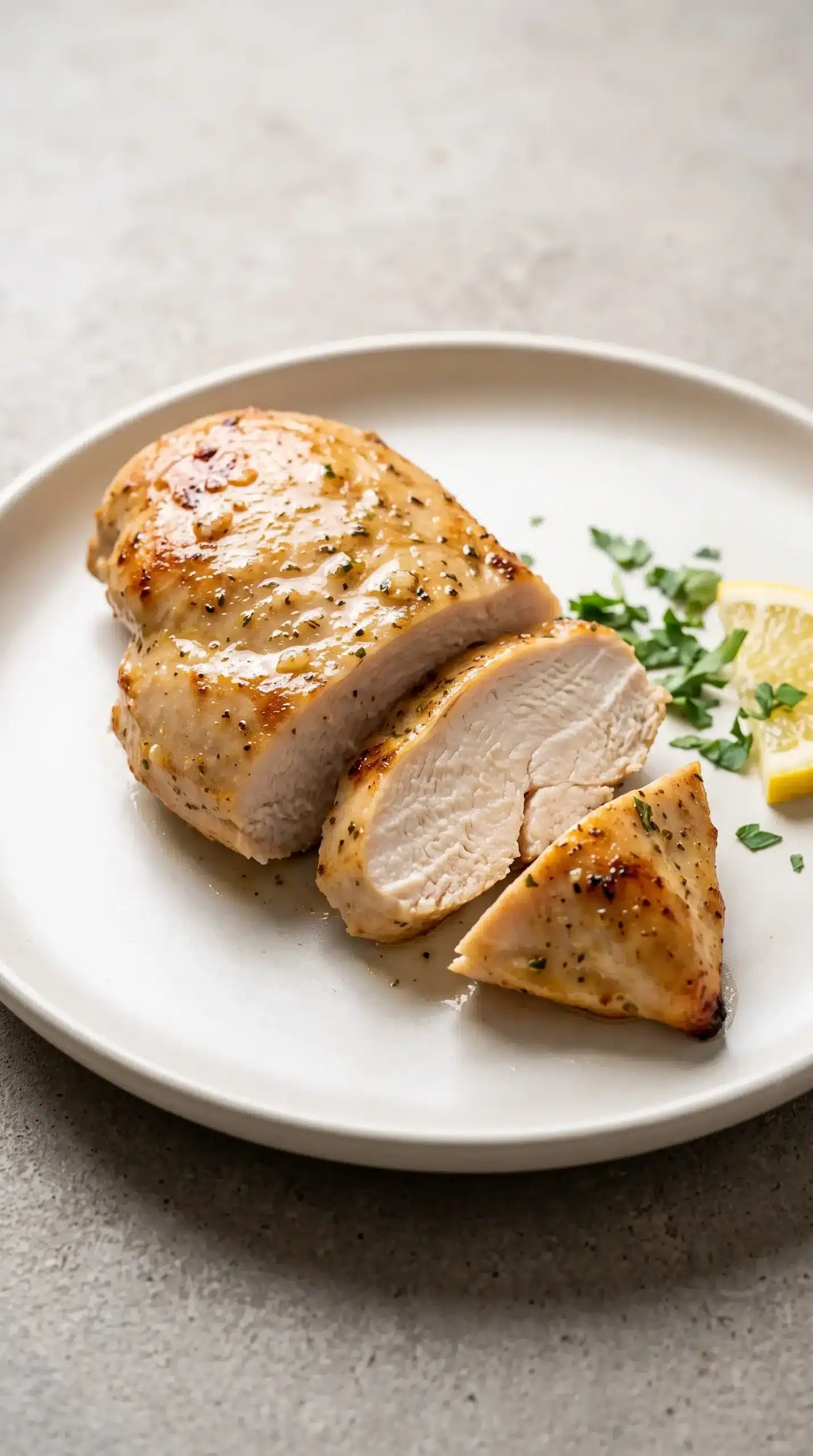
Boneless chicken breasts succeed when moisture, seasoning, and cooking control work together. The lemon, garlic, olive oil, and herbs create a flavorful coating while careful baking preserves the tender texture that makes chicken satisfying.
A simple preparation approach allows this dinner to fit into weeknights, meal plans, and family tables without sacrificing flavor or quality.
Common Questions About Cooking Boneless Chicken Breasts
How can I keep chicken breast from drying out?
Using the lemon and olive oil marinade, avoiding excessive cooking time, and allowing the chicken to rest after baking all help maintain a juicy texture.
Can chicken thighs replace chicken breasts?
Yes, boneless chicken thighs can be used when a richer dark-meat texture is preferred. They remain naturally juicy and pair well with the same lemon and herb flavors.
Should chicken be marinated overnight?
Overnight marination can deepen the flavor because the garlic, lemon, and herbs have more time to season the meat before cooking.
What herbs pair best with lemon garlic chicken breast?
Thyme, rosemary, oregano, parsley, and Italian seasoning all complement the citrus and garlic flavors used in this preparation.
How do I know when chicken is fully cooked?
The safest indicator is an internal temperature of 165°F (75°C) measured with a meat thermometer at the thickest part of the chicken.
Boneless Chicken Breasts with Lemon Garlic Marinade
Ingredients
Method
- Combine olive oil, minced garlic, lemon juice, lemon zest, dried herbs, salt, and black pepper in a small bowl and whisk until blended.
- Arrange the chicken breasts in a single layer in a baking dish. Pour the marinade over the chicken and turn each piece to coat all sides evenly.
- Bake the marinated chicken breasts in a preheated oven at 375°F / 190°C for 20–25 minutes, until the internal temperature reaches 165°F / 74°C.
- Allow the chicken to rest for 5 minutes after removing it from the oven before slicing.
- Serve the sliced chicken with the lemon-herb juices spooned over the top.