Cajun Honey Butter Salmon with Honey Butter Sauce Recipe
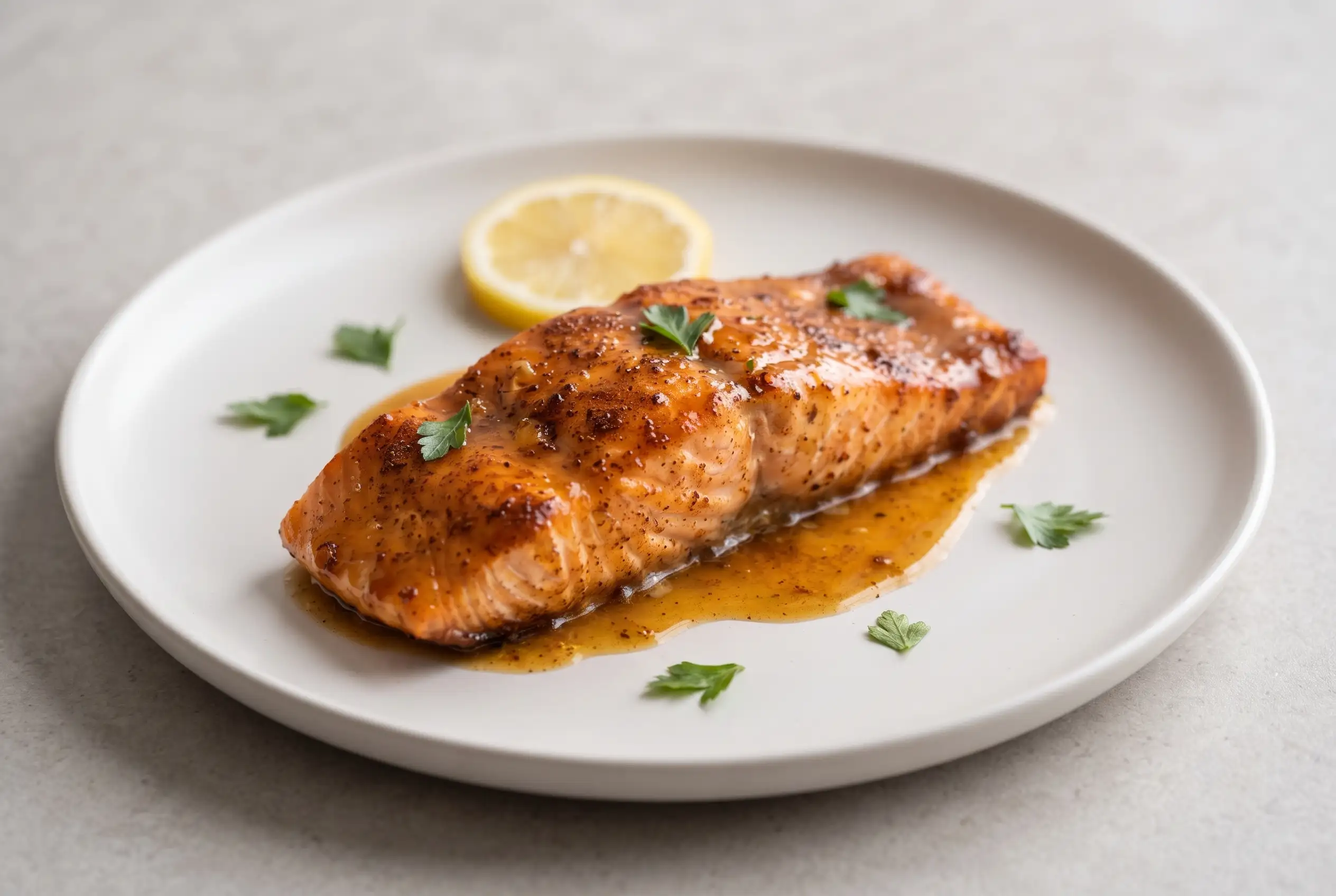
Cajun Honey Butter Salmon brings together smoky Cajun seasoning, a glossy honey butter glaze, and tender salmon in a skillet dinner that feels special without requiring complicated preparation. The combination of sweet, spicy, and savory flavors creates a seafood meal with caramelized edges, a rich sauce, and a texture that works well for busy evenings.
Fans of bold seafood flavors will appreciate how this 30 minute cajun salmon recipe uses simple ingredients to create a satisfying meal. The spicy honey butter salmon style comes from balancing Cajun heat with honey, butter, garlic, and lemon so every bite has depth without becoming too heavy.
Why Cajun Honey Butter Salmon Works for Weeknights
Quick cooking is one of the biggest advantages of this skillet salmon. The preparation focuses on a few important actions: drying the fillets, building seasoning on the surface, creating a flavorful glaze, and finishing the fish until it flakes easily.
The appeal comes from contrast. The outside develops golden caramelized areas while the inside stays soft and flaky. The honey butter sauce coats the salmon with a smooth finish, while lemon adds brightness that keeps the buttery flavors balanced.
Simple pantry staples also make this an easy salmon dinner recipe for regular meal planning. The dish does not rely on complicated techniques, yet the combination of Cajun seasoning and honey glaze gives it a restaurant-inspired feel.
| Cooking feature | What it contributes | What to watch for |
|---|---|---|
| Cajun seasoning | Smoky spice and savory flavor | Different blends can vary in heat level |
| Honey butter glaze | Sweet caramelized coating | Heat should be controlled to prevent burning |
| Skillet searing | Golden edges and browned surface | Salmon should not be moved too early |
The Honey Butter Balance Behind the Flavor
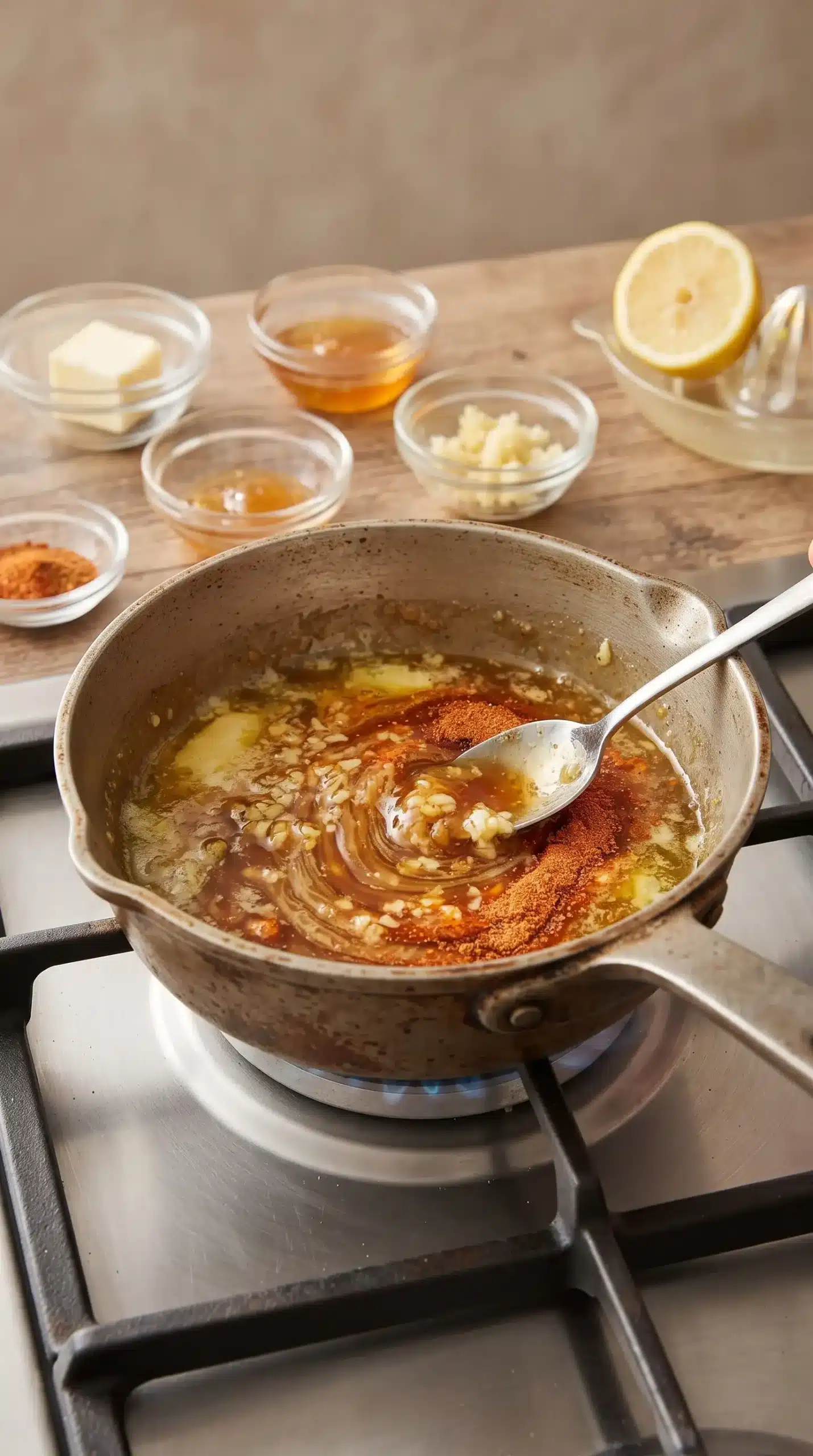
The glaze is what gives Cajun Honey Butter Salmon its signature character. Melted butter creates a silky base, honey provides sweetness and caramelization, garlic adds savory intensity, and lemon juice cuts through the richness.
Cajun seasoning supplies the smoky and spicy foundation. Because the glaze contains sweet and buttery notes, the seasoning creates a balanced contrast instead of overwhelming heat.
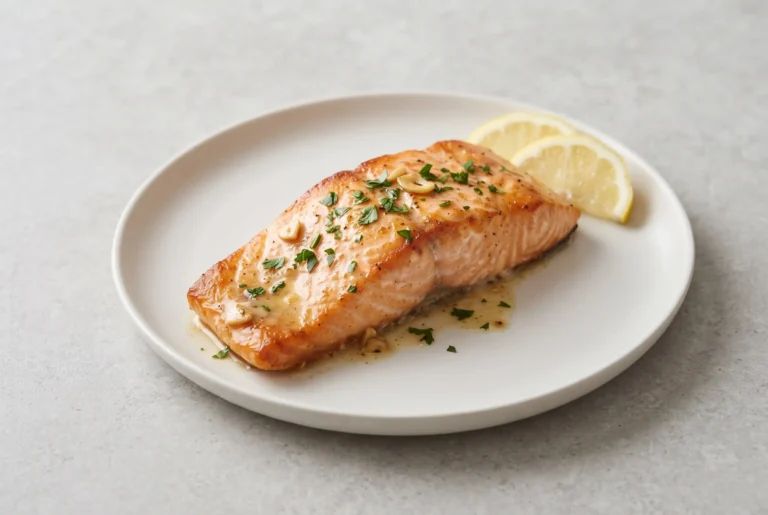
The sauce also changes during cooking. As it warms in the skillet, it thickens and clings to the salmon, creating a glossy coating that enhances the browned surface of the fish.
Choosing Salmon and Seasonings for Better Results
Salmon quality has a noticeable effect on the finished texture. Fresh fillets work well, while frozen salmon can also produce excellent results when completely thawed and dried before cooking.
Cajun seasoning is the main source of spice, so choosing a blend that matches personal heat preferences matters. A blackened salmon preparation uses a strong Cajun spice crust with lemon, which helps illustrate how seasoning intensity can be balanced before adjusting the heat level in this glaze.
- Fresh garlic: Creates a stronger savory flavor in the glaze.
- Unsalted butter: Helps control the salt level when combined with Cajun seasoning.
- Fresh lemon juice: Adds brightness and keeps the sauce from tasting too rich.
- Honey: Provides sweetness and supports the caramelized finish.
Small ingredient choices affect the final dish because each element has a specific role. Keeping the balance between seasoning, sweetness, richness, and acidity helps the salmon remain flavorful from the first bite to the last.
Skillet Control That Shapes the Salmon Texture
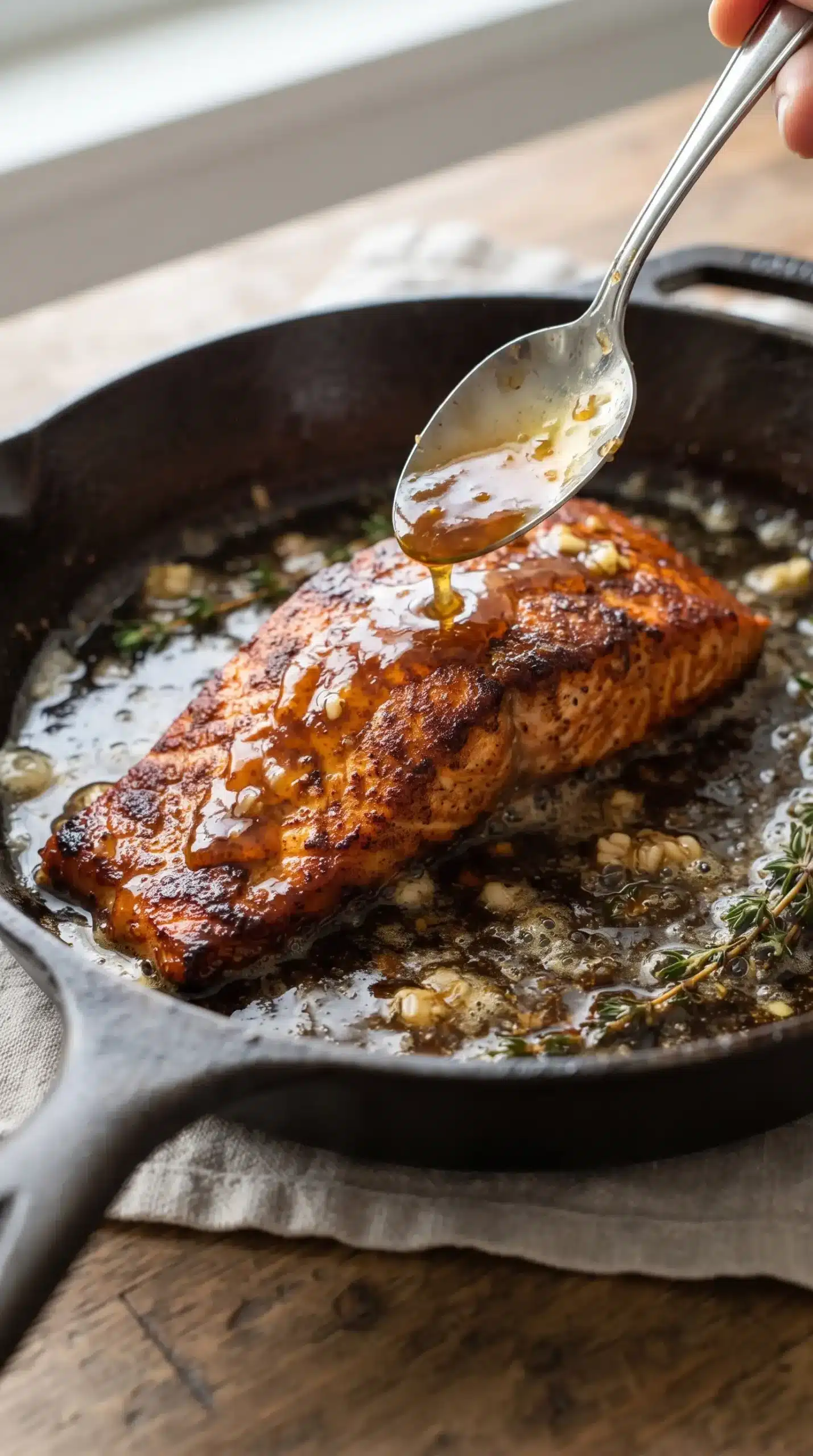
The cooking process depends heavily on heat management. A properly heated skillet helps the salmon develop a browned exterior before the glaze is added.
Drying the fillets before seasoning is an important texture step. Excess moisture can interfere with browning and make it harder to create the crisp golden surface that makes the dish satisfying.
Once the honey butter sauce enters the pan, attention shifts from browning to coating. Spoon the glaze over the salmon as it cooks so the sauce surrounds the fish and builds flavor across the surface.
| Cooking decision | Desired result | Possible issue |
|---|---|---|
| Dry salmon before seasoning | Better browning | Wet fish may steam instead of sear |
| Leave salmon undisturbed while searing | Stronger crust | Moving too soon can affect browning |
| Spoon glaze during finishing | Glossy coating | Too much heat can darken honey quickly |
Cajun Honey Butter Salmon Mistakes That Ruin the Glaze
Several small mistakes can change the texture and flavor of this dish. Avoiding them helps the salmon stay tender while allowing the glaze to develop properly.
Overcooking the Fish
Salmon cooks quickly, and excessive cooking can remove the moist, flaky texture that makes the dish enjoyable. Watch for salmon that separates easily with a fork and avoid leaving it in heat longer than needed.
Adding Honey Over Excessive Heat
Honey can caramelize rapidly. If the skillet becomes too hot after adding the glaze, lowering the heat slightly helps protect the sauce from burning.
Skipping the Drying Step
Moisture on the salmon surface can prevent the golden crust that gives the dish contrast. Patting the fillets dry before seasoning improves the searing process.
Serving Ideas That Match the Sweet-Spicy Sauce
The bold glaze pairs especially well with simple sides that allow the salmon flavor to stand out. Mild starches and vegetables create a balanced plate.
- Rice for soaking up the honey butter sauce
- Garlic mashed potatoes for a creamy pairing
- Roasted asparagus or broccoli for a vegetable side
- Green beans or salads for freshness
- Quinoa for a hearty alternative
The sweet-spicy flavor also works well in different meal formats. Leftover portions can be added to bowls, wraps, salads, or pasta dishes when a quick meal is needed.
Storage Choices for Leftover Cajun Honey Butter Salmon
Cooked salmon should be stored in an airtight container to help preserve its texture and flavor. Gentle reheating is important because high heat can dry the fish quickly.
A skillet warmed over moderate heat can refresh leftovers, and short microwave intervals can also work when convenience matters. Avoid overheating so the salmon remains tender.
Cooked portions can also be frozen, although the freshest texture comes from eating the salmon soon after cooking. Proper storage helps make leftovers useful for future meals instead of letting extra portions go unused.
Adjustments for Different Spice Preferences
Cajun Honey Butter Salmon can be adapted for different flavor preferences while keeping the core sweet and savory balance.
- More heat: Add cayenne pepper or hot sauce for a stronger spicy finish.
- More garlic: Increase garlic for a deeper savory profile.
- Different sweetness: Replace honey with maple syrup when a different sweet note is desired.
- Alternative fish: Trout, cod, or mahi-mahi can be used when salmon is not available.
These adjustments allow the dish to fit different tastes while maintaining the caramelized glaze and seasoned fish combination.
Meal Prep Shortcuts for an Easy Salmon Dinner Recipe
Planning ahead can make this seafood dinner even easier on busy days. Seasoning the salmon ahead of time and preparing the glaze separately can reduce the work needed when cooking begins.
Pre-cut produce, simple grains, and ready-to-serve vegetables pair well with the salmon and help create a complete meal without extra complexity.
The recipe also works well as part of meal preparation because cooked salmon can be transformed into different meals. Rice bowls, wraps, salads, and pasta dishes provide ways to enjoy leftovers with variety.
Tools That Help Cajun Honey Butter Salmon Cook Evenly
A large skillet is the main tool needed for creating a browned exterior and a flavorful glaze. Cast iron, stainless steel, and nonstick options can all work when heat is managed carefully.
A thin spatula helps with turning delicate fillets, while paper towels support the drying step that improves browning. A small whisk or spoon also makes it easier to combine the glaze before cooking.
Cajun Honey Butter Salmon Delivers a Balanced Finish
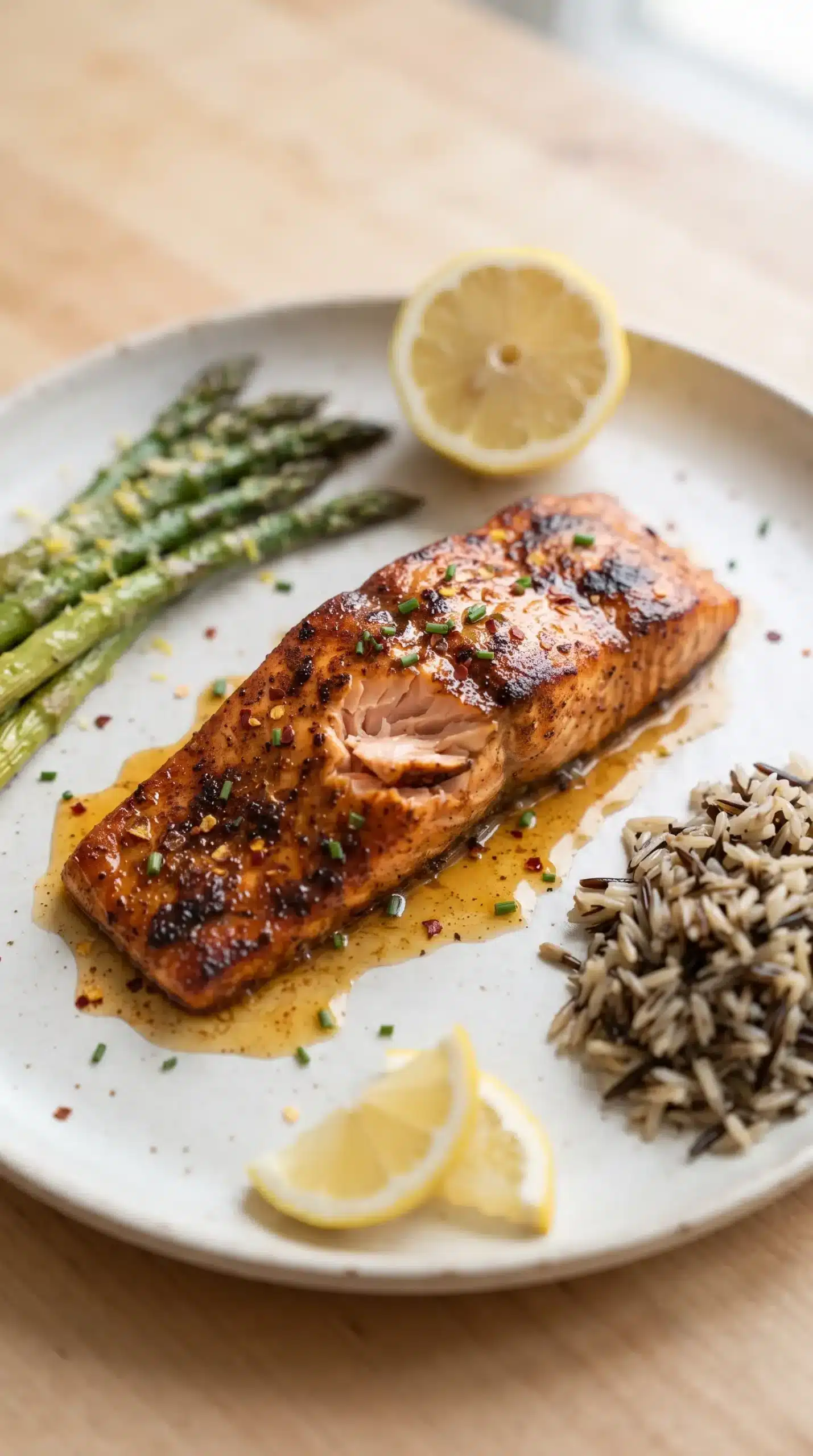
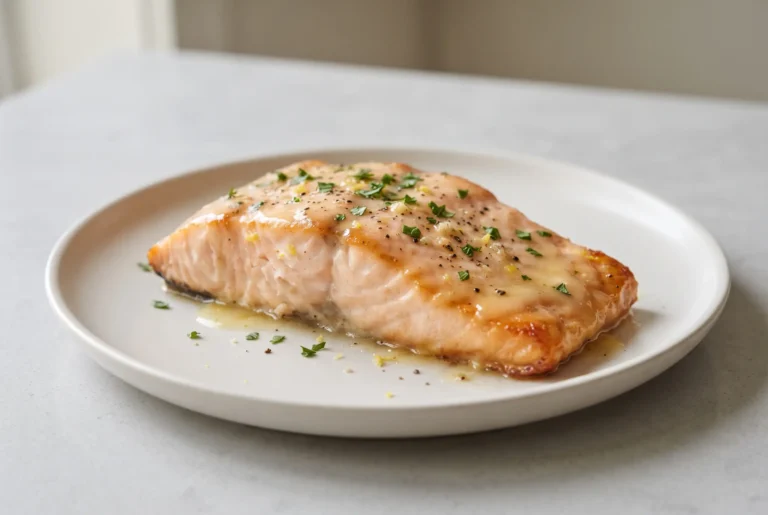
The salmon fillets develop their best character when the spice coating, skillet heat, and honey butter glaze work together. A properly cooked piece has a flaky center, caramelized edges, and a sauce that adds richness without hiding the natural flavor of the fish.
The combination of careful heat control and balanced seasoning is what makes Cajun Honey Butter Salmon a dependable dinner option. Each part of the dish supports the others, creating a flavorful result from straightforward cooking decisions.
Common Questions About Salmon Doneness and Cajun Honey Butter Salmon
How do I know salmon is done?
Salmon is ready when it flakes easily with a fork and reaches 145°F internally. The texture should remain tender and moist instead of dry.
Can frozen salmon be used for this dish?
Frozen salmon works well when it has been fully thawed before cooking. Patting thawed fillets dry helps create better browning in the skillet.
Is Cajun Honey Butter Salmon very spicy?
The dish has a moderate spicy flavor from Cajun seasoning, but the heat level can be adjusted by changing the seasoning amount or adding extra spicy ingredients.
Can another fish replace salmon?
Trout, cod, and mahi-mahi can be used as alternatives. The cooking approach may need small adjustments depending on the thickness and texture of the fish.
Can the glaze be prepared ahead?
The honey butter glaze can be mixed ahead and stored separately, making the cooking process faster when preparing dinner.
Cajun Honey Butter Salmon with Honey Butter Sauce
Ingredients
Method
- Dry the salmon fillets with paper towels, then season both sides with Cajun seasoning, salt, and black pepper.
- Combine melted butter, honey, minced garlic, and lemon juice in a small bowl, whisking until the sauce is blended.
- Warm the olive oil in a large skillet over medium-high heat.
- Add the salmon fillets to the skillet with the skin side facing down and cook for 4-5 minutes until the skin becomes crisp.
- Turn the salmon carefully and continue cooking for another 3-4 minutes.
- Add the honey butter sauce to the skillet, then spoon it over the salmon while it cooks and thickens.
- Lower the heat slightly after adding the sauce to help prevent the honey from burning.
- Continue cooking until the salmon flakes easily with a fork and reaches 145°F / 63°C internally.
- Allow the salmon to rest briefly, then finish with chopped parsley and serve with lemon wedges.