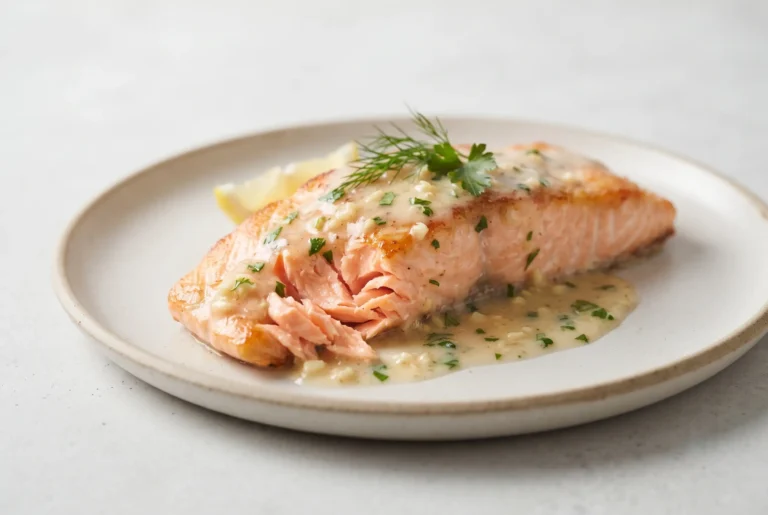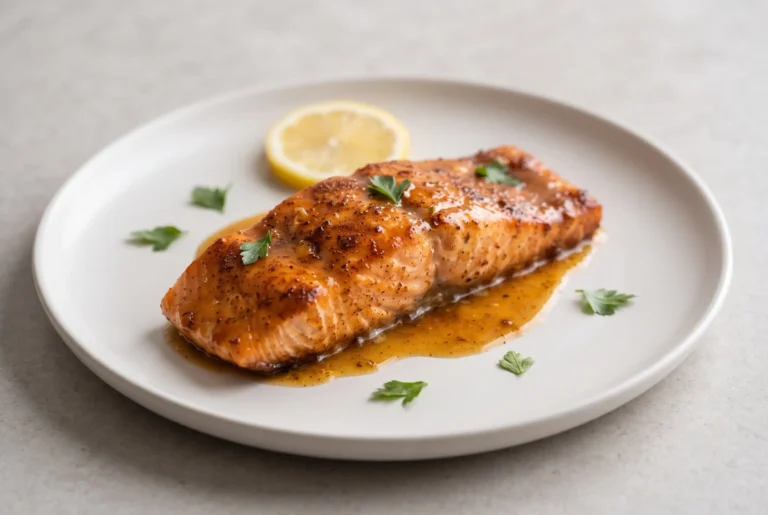
Baked Salmon with Mayo and Cheese 30-Minute Dinner
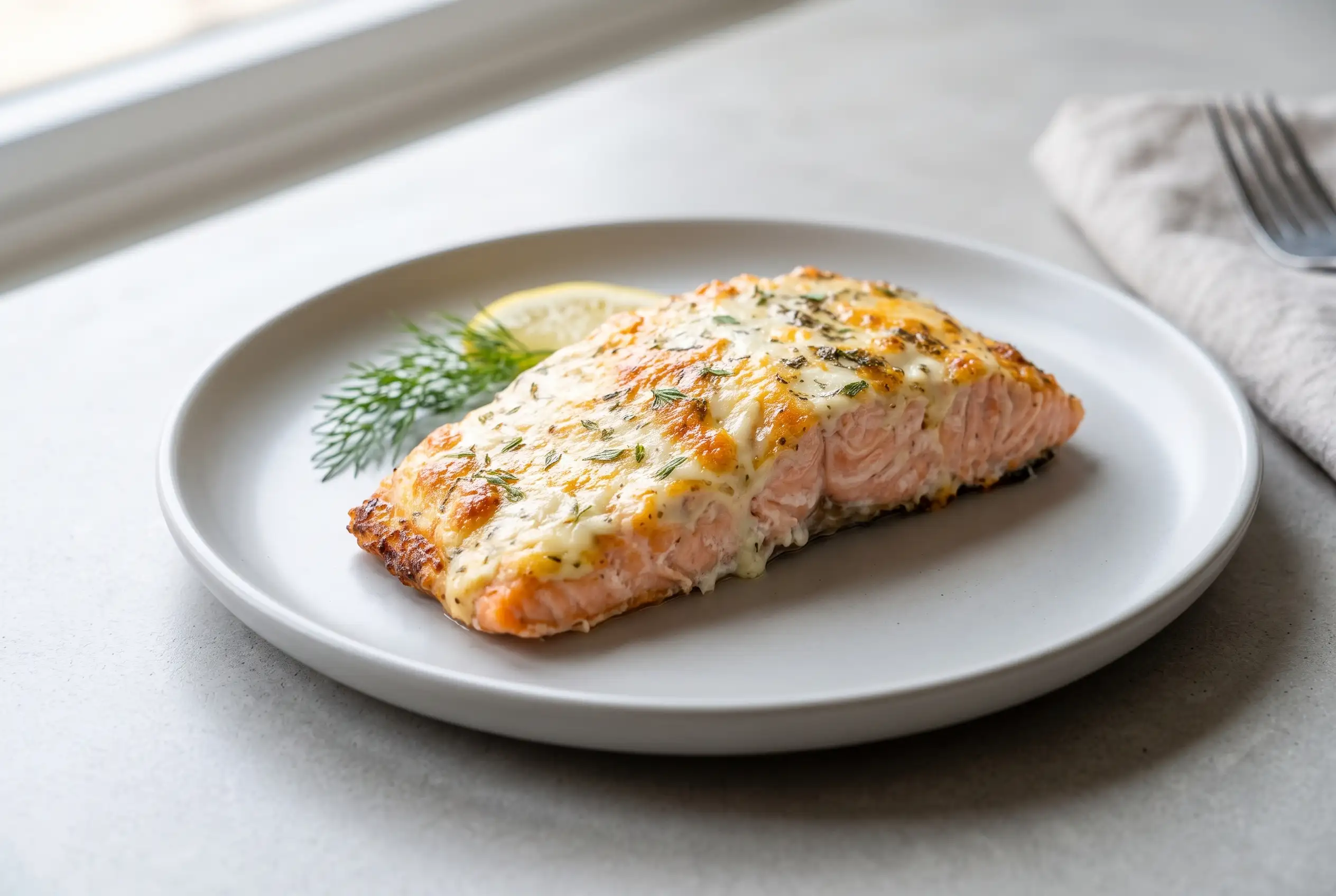
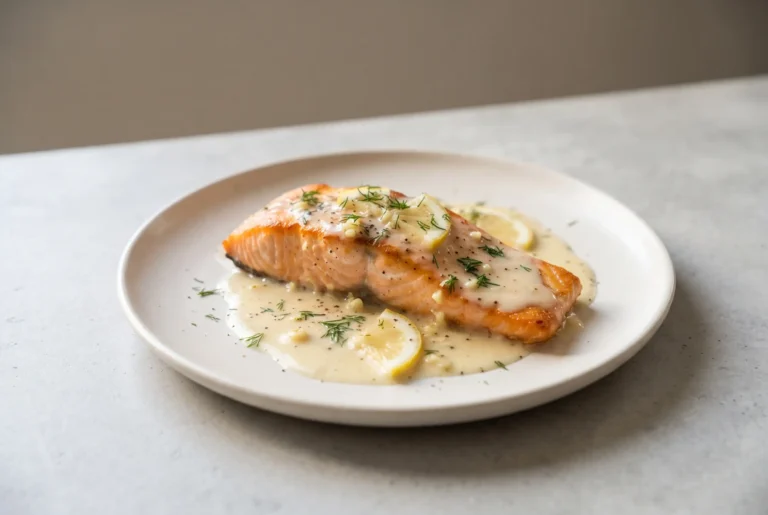
baked salmon with mayo creates a creamy, savory seafood dinner by pairing tender salmon fillets with a Parmesan-rich topping, garlic, herbs, and bright lemon flavors. Baked Salmon with Mayo and Cheese brings together simple ingredients for a comforting meal that feels polished while remaining approachable for home cooks.
The appeal of this creamy baked salmon recipe comes from the contrast between flaky fish and the lightly golden topping. The mayo mixture helps protect the salmon during baking, while Parmesan, dill, garlic, and citrus keep the finished dish balanced and flavorful.
Baked Salmon with Mayo and Cheese for Busy Dinner Plans
Weeknight meals often need to deliver strong flavor without complicated preparation, and an Oven Baked Salmon recipe keeps the focus on simple seasoning and dependable oven cooking for a 30 minute salmon dinner.
Unlike seafood dishes that depend on long marinades, Baked Salmon with Mayo and Cheese builds flavor directly on the surface of the fish. The topping combines creamy richness with savory notes and fresh brightness, creating a dish suitable for both casual family meals and more special occasions.
The recipe works especially well when you want a reliable seafood option. The mayonnaise layer provides extra moisture during baking, making the salmon more forgiving while the Parmesan develops a golden finish.
The Mayo Parmesan Topping Makes Salmon Work
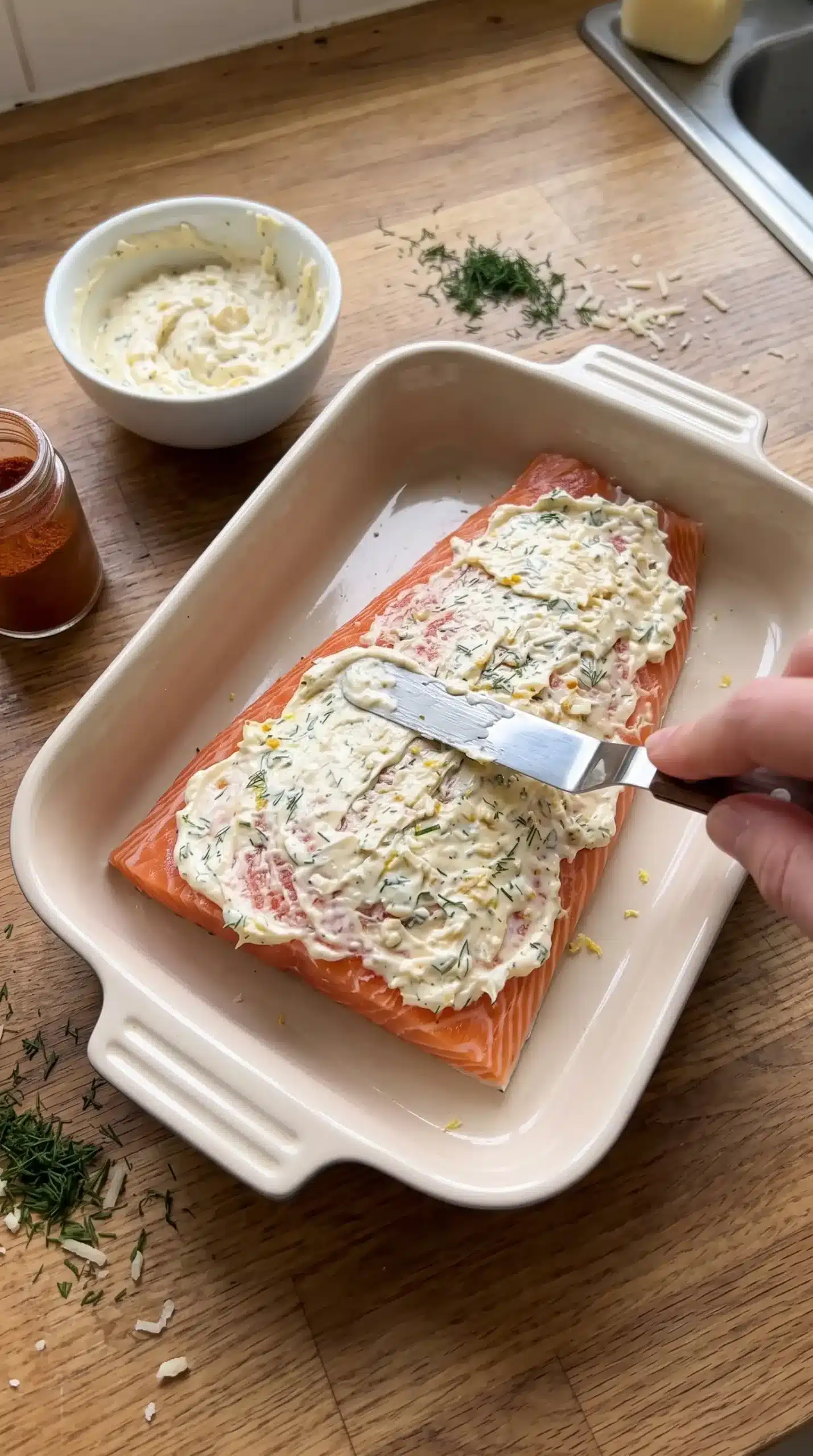
The defining feature of baked salmon with mayo is the creamy layer spread across each fillet before it enters the oven. Mayonnaise creates a smooth coating that carries the flavors of Parmesan, garlic, dill, lemon, paprika, and optional Dijon mustard.
Freshly grated Parmesan is especially valuable because it melts into the topping and contributes a savory crust. The combination of cheese and mayonnaise gives the surface a richer texture while allowing the salmon underneath to remain tender.
Parmesan also adds depth beyond its melting texture because its natural umami contribution helps explain the savory character it brings to the topping.
- Creamy base: Mayonnaise keeps the topping smooth and helps retain moisture during baking.
- Savory depth: Parmesan and garlic create the main flavor foundation.
- Fresh balance: Lemon juice, zest, and dill brighten the richer ingredients.
Choosing Salmon and Topping Ingredients Wisely
The quality and handling of the main ingredients have a noticeable effect on the finished dish. Salmon fillets provide the foundation, while the topping ingredients determine how the final surface tastes and feels.
Atlantic salmon offers a rich, buttery character, while sockeye salmon provides a firmer texture and deeper color. Both can work well with the creamy topping, so the choice depends on the salmon available and the texture you prefer.
Greek yogurt can replace some or all of the mayonnaise when a lighter version is desired. Parmesan may also be replaced with Pecorino Romano or Asiago if needed, while herbs such as parsley, basil, or chives can stand in for dill.
| Ingredient choice | Best result | Useful alternative |
|---|---|---|
| Mayonnaise | Rich, creamy topping with moisture protection | Greek yogurt for a lighter finish |
| Parmesan cheese | Smooth melting and savory crust | Pecorino Romano or Asiago |
| Fresh dill | Classic fresh flavor with salmon | Parsley, basil, or chives |
Heat Control for Juicy Baked Salmon with Mayo
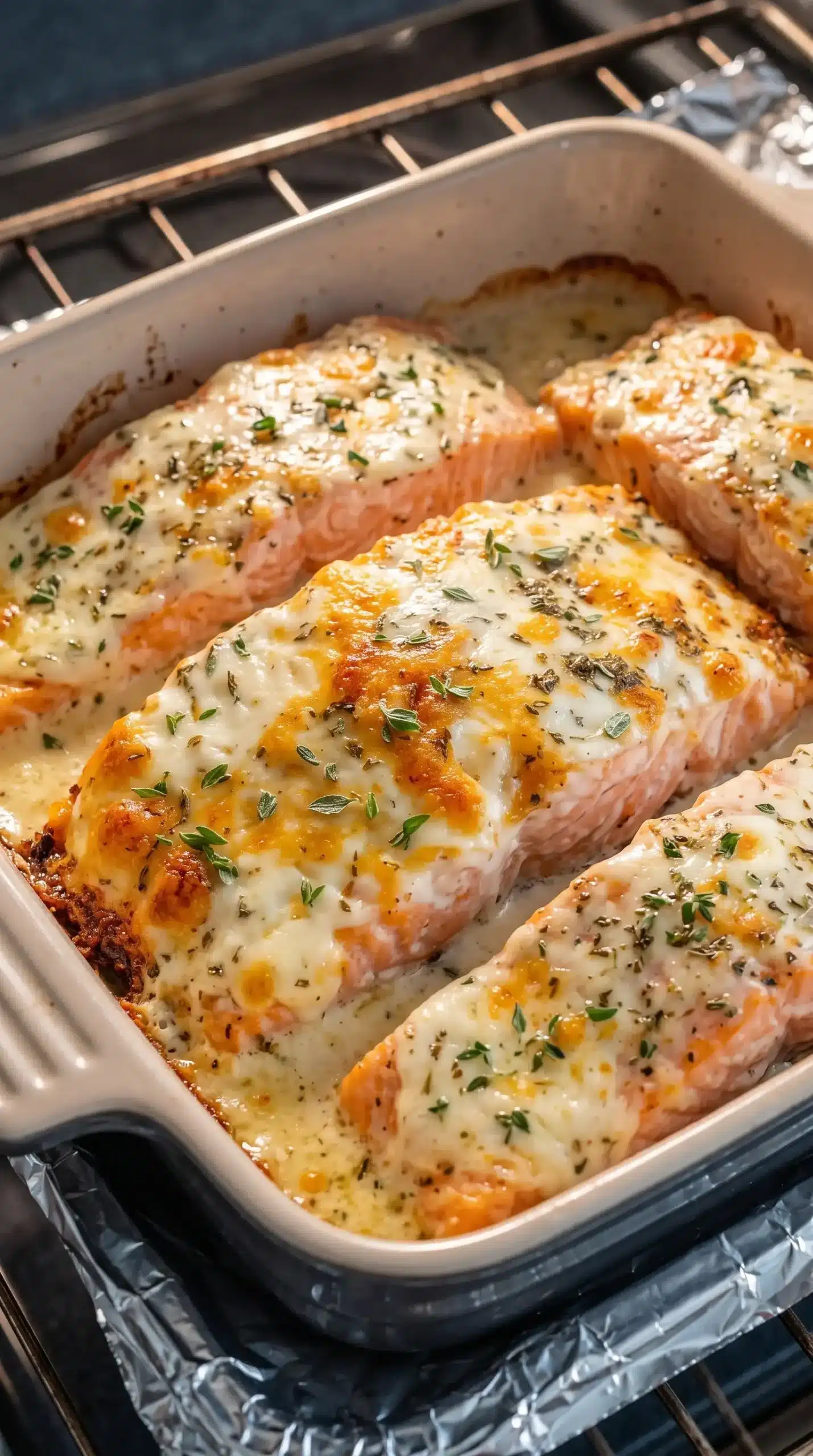
Cooking control matters most when preparing baked salmon with mayo because salmon can lose moisture if exposed to heat for too long. Drying the fillets before topping them helps the surface brown properly instead of becoming watery.
The thickness of each fillet determines how quickly it cooks. Thinner pieces need less oven time, while thicker center portions require more patience. Watching texture and doneness is more useful than relying on appearance alone.
A short broiling finish can add extra color to the Parmesan topping. Careful attention during this stage prevents the cheese surface from becoming too dark while the salmon completes its cooking.
Common Baked Salmon with Mayo and Cheese Mistakes
Several small errors can affect the texture and appearance of Baked Salmon with Mayo and Cheese. Avoiding these problems helps the topping brown evenly and keeps the fish tender.
- Wet fillets: Excess moisture can prevent the topping from browning correctly, so pat salmon dry before adding the mixture.
- Overbaking: Extended oven time can make salmon dry, so remove it before moisture is lost.
- Uneven topping: Thick clumps may brown inconsistently, while thin areas may not protect the fish as well.
- Long broiling: Parmesan can darken quickly, so monitor the final browning stage carefully.
Serving Pairings That Balance Creamy Salmon
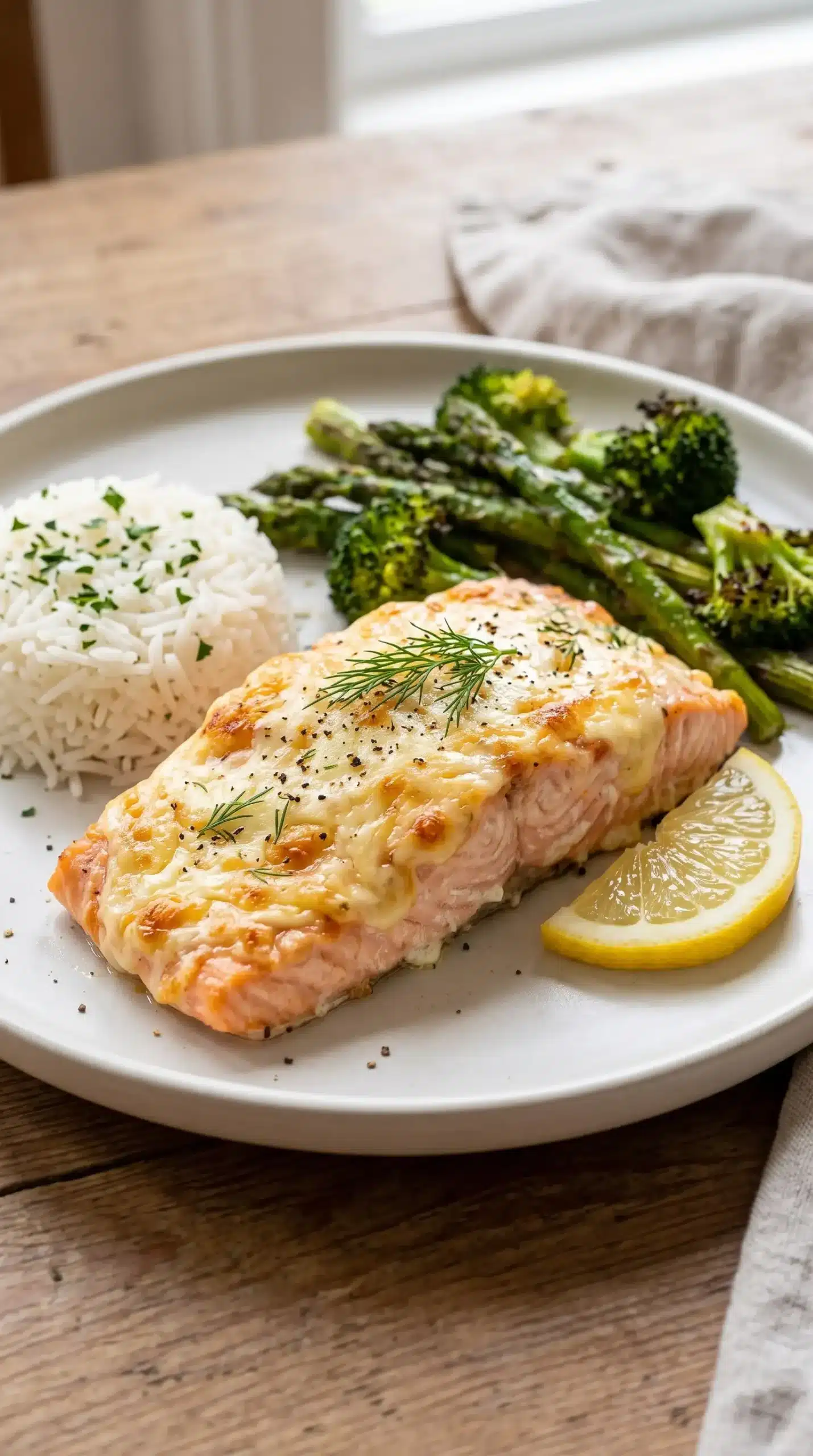
Baked salmon with mayo pairs naturally with sides that provide freshness, texture, or comforting starch. Vegetables such as asparagus, green beans, broccoli, and Brussels sprouts complement the richness of the topping.
Rice, quinoa, mashed potatoes, and roasted potatoes create heartier plates, while salads with citrus-based dressings add brightness. Garlic bread and roasted vegetables also work well alongside the Parmesan topping.
Storage Choices for Leftover Salmon
Proper storage helps preserve leftover Baked Salmon with Mayo and Cheese after the meal. Place remaining portions in an airtight container and refrigerate them for up to two days.
Reheating in the oven helps maintain the texture of the fish and topping. Gentle warming is preferred because intense heat can dry the salmon or soften the crust.
Freezing is possible, although the mayonnaise topping may change slightly after thawing. If frozen, the salmon should be wrapped securely, thawed in the refrigerator, and reheated carefully.
Make-Ahead Ideas for Weeknight Salmon
The creamy topping can be prepared ahead and stored until the salmon is ready to bake. This small preparation step makes busy evenings easier because assembly requires little additional work.
Portioning the salmon fillets in advance also speeds up cooking preparation. Pre-chopped herbs, prepared lemon, and ready-to-use cheese can further reduce the time needed before baking.
Family-Friendly Ways to Serve Salmon
Children and cautious seafood eaters may appreciate the mild, creamy texture created by the mayo and Parmesan topping. The rich surface flavor can make salmon feel more familiar while still keeping the fish as the centerpiece.
Serving smaller portions or pairing the salmon with rice, pasta, or potatoes can make the meal easier for different preferences. Reducing garlic, skipping Dijon mustard, or using fewer herbs can create a milder version.
A family dinner can also become more flexible when lemon wedges, vegetables, and side dishes are served separately. Each person can adjust the plate while sharing the same baked salmon with mayo and cheese.
Budget Decisions for a Creamy Salmon Dinner
Affordable choices can make a creamy baked salmon recipe practical for regular meals. Frozen salmon often provides a convenient option, and properly thawing and drying the fillets helps maintain good results.
Simple supporting ingredients such as mayonnaise, garlic, lemon, and Parmesan contribute significant flavor without requiring expensive additions. Serving the salmon with rice, potatoes, or vegetables can also help create a complete meal.
Kitchen Tools That Improve Salmon Results
A baking sheet or baking dish, parchment paper or foil, and a small mixing bowl are the main tools needed for Baked Salmon with Mayo and Cheese. These basics make preparation and cleanup straightforward.
An instant-read thermometer can be useful for cooks who want more control over doneness. A sharp knife helps prepare herbs, garlic, and lemon, while a fine grater improves the texture of freshly prepared Parmesan.
Timing Cues Behind Perfect Baked Salmon with Mayo
The most useful cooking cues come from observing the salmon itself. Properly cooked fillets should flake easily with a fork and appear opaque throughout.
Resting the salmon briefly after baking allows the juices to settle and helps maintain a moist interior. A final squeeze of lemon adds brightness that balances the creamy topping.
This approach is what makes a 30 minute salmon dinner feel dependable: the preparation is simple, the topping carries much of the flavor work, and careful heat control protects the fish.
Baked Salmon with Mayo and Cheese Stays Moist and Flavorful
Baked Salmon with Mayo and Cheese succeeds because the creamy topping solves one of the biggest challenges of cooking salmon: maintaining a tender texture while building flavor. The combination of mayonnaise, Parmesan, garlic, herbs, and citrus creates a surface that supports the fish from the oven to the table.
The most important judgment is knowing when the salmon has reached the right texture. Careful drying, balanced topping coverage, and controlled baking create a meal where flaky fish and golden cheese finish work together.
Baked Salmon with Mayo and Cheese Questions About Storage and Texture
Can frozen salmon be used for baked salmon with mayo?
Frozen salmon works well when it is completely thawed before preparation. Drying the thawed fillets is important because extra moisture can affect the topping’s texture and browning.
Why does my salmon topping stay pale?
A pale topping may result from limited browning time or excess moisture on the fish. Using dry fillets and allowing the cheese mixture to heat fully helps develop a more golden surface.
How can leftover salmon keep better texture?
Gentle oven reheating is the best option for preserving the fish and creamy topping. Very high heat can reduce moisture and change the topping consistency.
Can another fish use the same creamy topping?
Trout, cod, halibut, and tilapia can also work with this style of topping. The cooking time may vary depending on the thickness and type of fish.
What makes this salmon dinner feel balanced?
The richness of the mayo and cheese is balanced by lemon, dill, and fresh vegetable or salad pairings. Those contrasts keep the dish satisfying without making the flavors feel too heavy.
Baked Salmon with Mayo and Cheese
Ingredients
Method
- Heat the oven to 400°F / 200°C. Prepare a baking sheet or baking dish with parchment paper or foil, then lightly coat it with olive oil.
- Dry the salmon fillets with paper towels, season with kosher salt and black pepper, and place them on the prepared baking surface.
- Mix mayonnaise, Parmesan cheese, minced garlic, chopped dill, lemon juice, lemon zest, Dijon mustard, and paprika in a bowl until combined.
- Cover each salmon fillet evenly with the mayonnaise and Parmesan mixture.
- Bake the topped salmon for 12–18 minutes based on fillet thickness. Broil for 1–2 minutes afterward if a more golden topping is preferred.
- Allow the baked salmon to rest for 3–5 minutes, then finish with fresh dill and lemon wedges before serving.