Chocolate Pudding with Almond Milk and Protein Powder
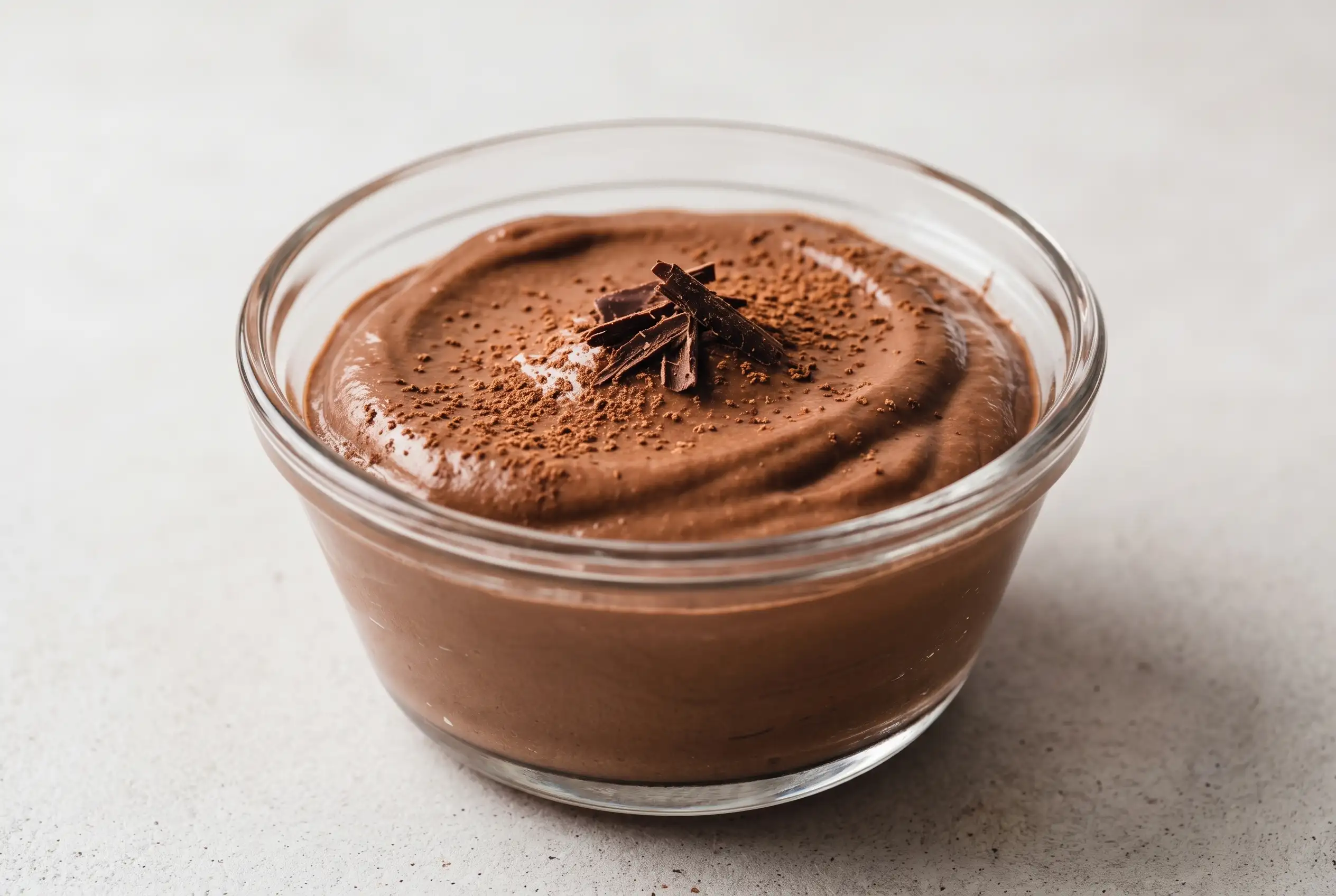
Chocolate pudding is a creamy homemade dessert that brings together cocoa powder, almond milk, protein powder, and simple pantry ingredients for a rich chocolate finish. This easy chocolate pudding recipe creates a smooth chilled treat without boxed mixes, making it a practical choice for anyone looking for a satisfying 30 minute chocolate dessert with flexible ingredients.
Beyond its chocolate flavor, homemade chocolate pudding stands out because it can fit different routines. It works as a quick dessert, a prepared snack, or a higher-protein sweet option when a simple homemade treat sounds better than a packaged alternative.
Chocolate Pudding Flavor Decisions
Flavor adjustments begin with the balance between cocoa, sweetness, vanilla, and salt. Cocoa provides the deep chocolate character, while vanilla extract softens the sharper notes and a small pinch of salt helps the chocolate taste more complete. Sweetener levels can be adjusted gradually so the finished pudding matches personal preferences.
Cocoa and Protein Choices Shape Chocolate Pudding
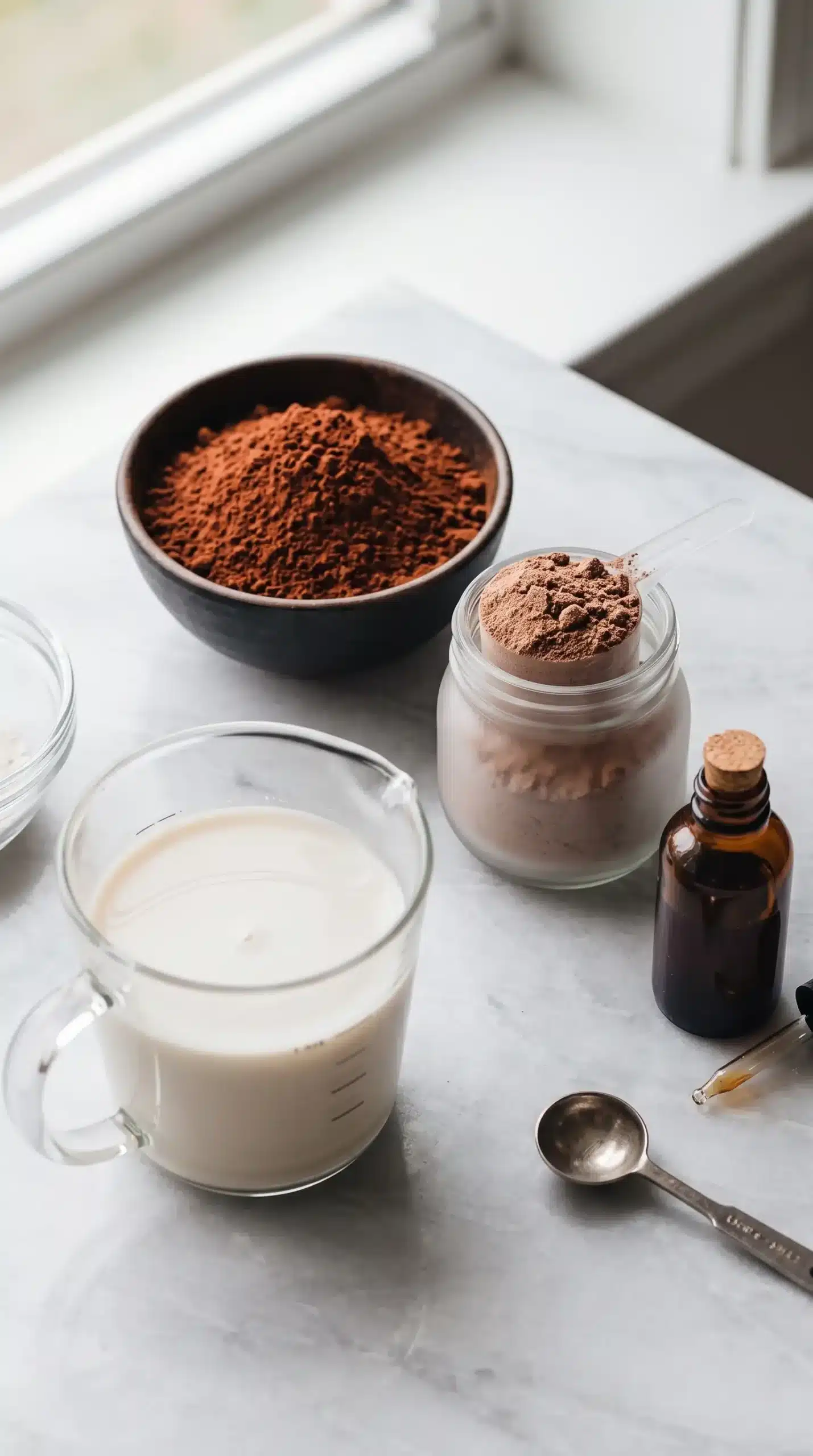
Quality cocoa powder has a major effect on the finished dessert because it supplies the main chocolate intensity. A cocoa powder with a richer taste can make the pudding feel more indulgent even though the ingredient list remains simple.
Choosing between cocoa varieties can also change the final flavor. Dutch-process cocoa powder is treated with an alkaline solution that reduces acidity and creates a darker color with a smoother, deeper chocolate profile.
Protein powder influences both flavor and body. Chocolate protein powder can push the dessert toward a stronger chocolate profile, while vanilla protein powder creates a milder sweetness. The powder should blend smoothly to maintain the creamy texture expected from chocolate pudding. A high-protein chocolate dessert can use cocoa and protein ingredients in a way that keeps the focus on rich flavor and satisfying texture.
Sweeteners also affect the overall character. Stevia or erythritol can help reduce added sugar, while options such as maple syrup or honey can be used when a different sweetness style is preferred. The amount should be adjusted carefully because too much sweetness can hide the cocoa flavor.
| Choice | Effect on pudding | Best fit |
|---|---|---|
| Chocolate protein powder | Stronger chocolate taste | Extra cocoa depth |
| Vanilla protein powder | Softer sweetness | Balanced flavor |
| Higher quality cocoa powder | Deeper chocolate character | More intense dessert flavor |
Serving Styles for Homemade Chocolate Pudding
Individual jars, bowls, or dessert glasses make homemade chocolate pudding easy to portion and serve. The chilled texture works well on its own, but the pudding can also become part of layered desserts with fruit, whipped cream, or crunchy toppings.
Milk Options Change Chocolate Pudding Texture
Unsweetened almond milk keeps the dessert light while maintaining a creamy consistency. Other milk choices can shift the texture and flavor depending on what is available in the kitchen.
Oat milk, regular milk, coconut milk, and cashew milk are suitable alternatives. Each option brings a different texture experience, so choosing a milk depends on whether a lighter or richer result is preferred.
Plant-based selections can also support a vegan version when paired with a vegan protein powder. The flexibility of the milk base is one reason chocolate pudding adapts easily to different dietary preferences.
Chocolate Pudding Cooking Control Points
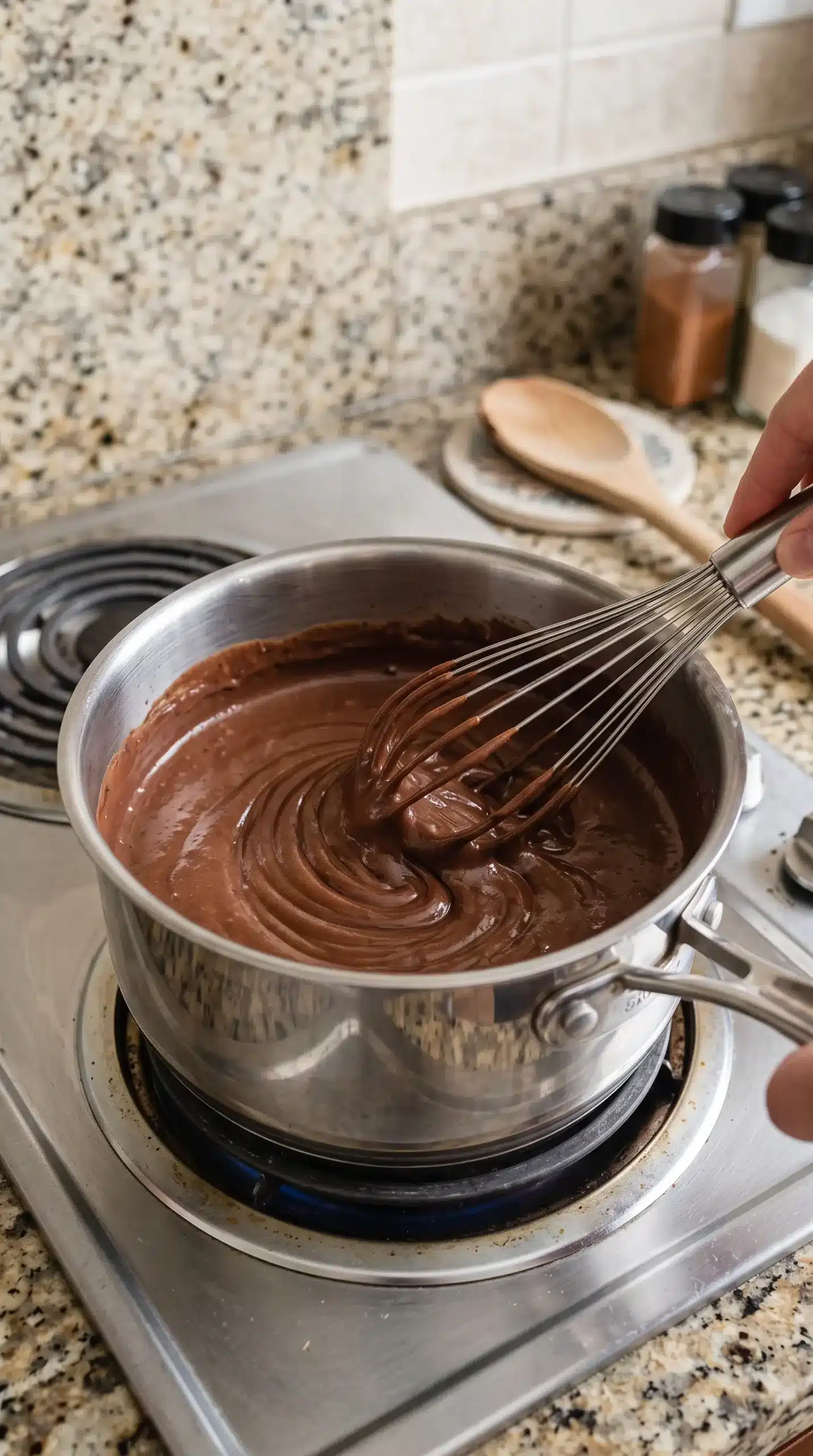
Successful cooking depends on managing heat and movement during preparation. Medium heat helps the mixture thicken evenly, while constant whisking keeps the cocoa distributed and reduces the chance of uneven texture.
Adding almond milk gradually while whisking helps create a smooth mixture before cooking. Once the pudding begins to thicken, removing it from heat before incorporating protein powder helps protect the creamy consistency.
Cooling is also an important part of the texture change. The pudding becomes thicker as it chills, so refrigeration allows the flavors and consistency to settle before serving.
- Whisking focus: Keep cocoa evenly mixed throughout cooking.
- Heat control: Use gentle cooking to avoid scorching.
- Cooling step: Allow the chilled texture to develop fully.
Chocolate Pudding Mistakes That Ruin Texture
Overheating can create problems because aggressive heat may affect the smooth texture and can cause the cocoa mixture to scorch. Gentle cooking provides better control over thickening.
Adding protein powder too quickly into very hot liquid may create clumps. Stirring it in after removing the mixture from heat helps maintain a smoother finish.
Skipping constant whisking is another common issue. Lumps can form when cocoa or protein powder is not evenly distributed, and rushing the chilling stage can prevent the pudding from reaching its best consistency.
Make Ahead Uses for Chocolate Pudding
Prepared portions of chocolate pudding are convenient for busy days because the dessert stores well in covered containers in the refrigerator. Making servings ahead also allows toppings to be added separately so they keep their texture.
Topping Pairings for Chocolate Pudding
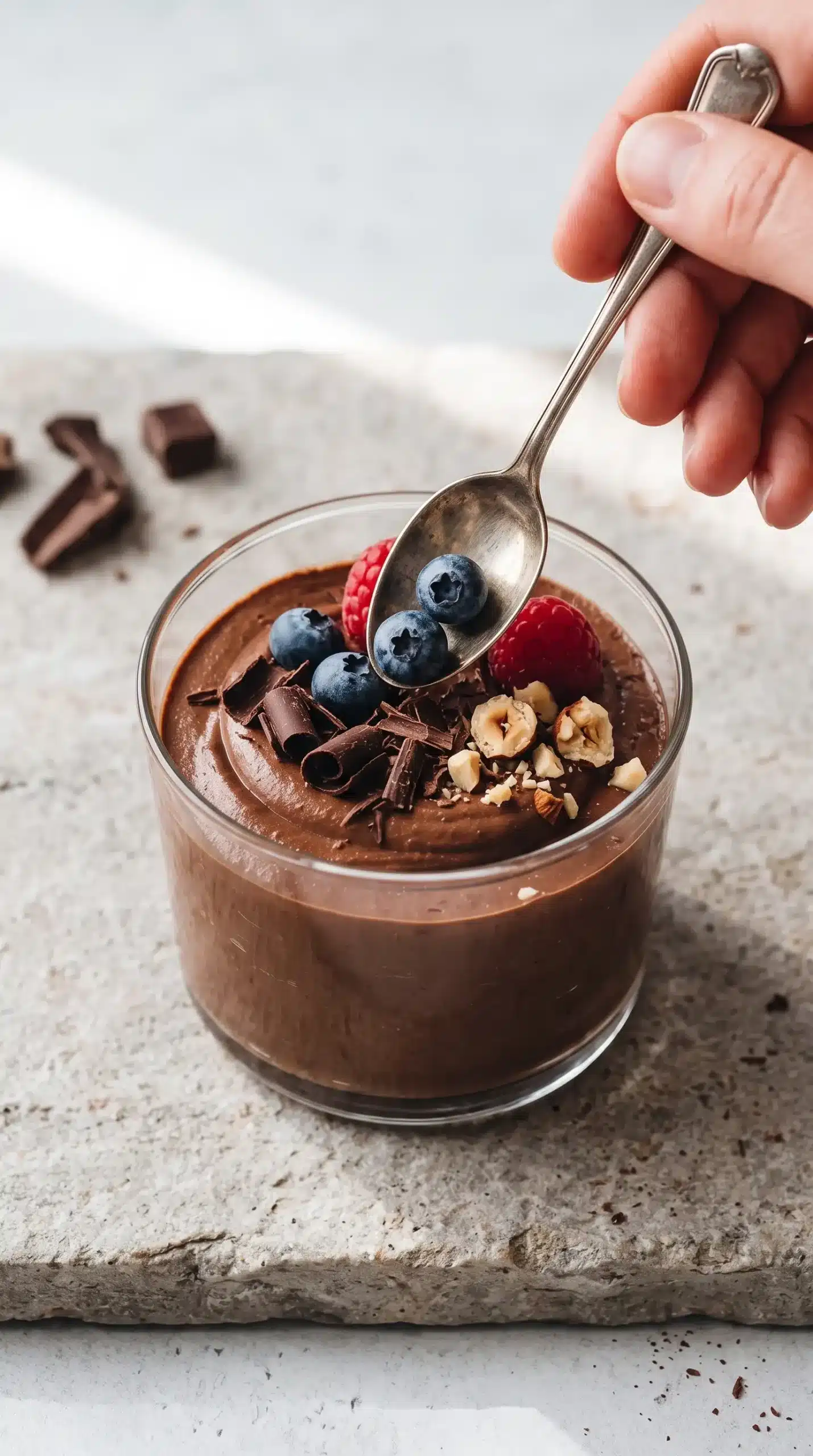
Fresh berries, dark chocolate shavings, whipped cream, coconut flakes, and chopped nuts create different contrasts against the creamy base. Fresh fruit adds brightness, while nuts and chocolate pieces introduce texture.
| Topping | Texture contribution | Flavor direction |
|---|---|---|
| Berries | Juicy freshness | Fruit contrast |
| Chopped nuts | Crunch | Nutty richness |
| Dark chocolate shavings | Light snap | Extra cocoa notes |
Chocolate Pudding Storage Choices
Refrigeration is the preferred storage method for chocolate pudding because the dessert is designed to be served chilled. Covered containers help maintain freshness for several days.
Minor separation can happen during storage, and gentle stirring before serving can restore a smooth appearance. Adding toppings shortly before eating helps preserve their intended texture.
Freezing is not recommended because thawing may create a grainy consistency. The chilled refrigerator texture is where the dessert performs best.
Family-Friendly Chocolate Pudding Ideas
Chocolate pudding can be adapted for families by adjusting sweetness, presentation, and toppings. Smaller jars, fruit additions, or layered servings can make the dessert more appealing while keeping the familiar chocolate flavor that many people enjoy.
Budget Smart Chocolate Pudding Prep
Homemade chocolate pudding can be an affordable dessert because many ingredients are commonly used in other kitchen recipes. Cocoa powder lasts through multiple batches, and simple toppings can keep costs manageable.
Protein powder may represent the largest expense, but the ingredient serves multiple purposes beyond dessert preparation. When already available for smoothies or other uses, it becomes a practical addition to the pudding.
Cost savings can also come from choosing flexible ingredients. Regular milk may be less expensive than specialty options, and simple servings without elaborate toppings still deliver strong chocolate flavor.
Chocolate Pudding Texture Targets
The ideal texture sits between a thin drink and a dense mousse. A successful batch should feel silky, spoonable, and creamy, with enough thickness to hold toppings without becoming stiff.
Equipment That Improves Chocolate Pudding Results
A saucepan and whisk are the essential tools for preparing chocolate pudding. The pan provides controlled heating, while the whisk supports a smooth mixture during cooking.
Measuring cups and spoons help maintain the balance of ingredients, especially because the relationship between cocoa, milk, and protein powder affects the finished consistency.
Optional tools such as a fine mesh sieve, small jars, or an immersion blender can improve presentation and texture. These additions are useful when an especially smooth homemade chocolate pudding finish is desired.
Chocolate Pudding Delivers Balanced Dessert Satisfaction
Chocolate pudding succeeds because careful heat control, balanced cocoa flavor, and proper chilling transform simple ingredients into a creamy dessert. The combination of protein powder, cocoa, and adjustable sweetness creates a treat that feels rich while remaining adaptable.
Consistent whisking and thoughtful ingredient choices have the greatest effect on the finished result. Those small decisions allow this 30 minute chocolate dessert to deliver dependable texture and deep chocolate flavor.
Chocolate Pudding Questions About Texture and Storage
Can chocolate pudding become too thick?
Yes. A thicker texture can happen if too much thickening occurs during cooking or cooling. A small splash of milk can help loosen the consistency if the pudding becomes firmer than desired.
Why does my chocolate pudding have lumps?
Lumps usually come from cocoa or protein powder not being fully blended. Gradual milk addition, steady whisking, and careful mixing after cooking help create a smoother result.
How long should chocolate pudding chill before serving?
The pudding needs enough refrigerator time to cool and set properly. Chilling allows the texture to become thicker and more velvety before serving.
Can I make chocolate pudding with vegan ingredients?
Yes. Using plant-based milk and vegan protein powder creates a version that fits a vegan approach while keeping the creamy chocolate character.
What toppings work best with chocolate pudding?
Berries, whipped cream, coconut flakes, nuts, and dark chocolate shavings all pair well because they add flavor or texture differences to the smooth dessert base.
Chocolate Pudding with Almond Milk and Protein Powder
Ingredients
Method
- Add cocoa powder, sweetener, and salt to a saucepan and combine.
- Gradually whisk almond milk into the cocoa mixture until the mixture is smooth and lump-free.
- Heat the almond milk and cocoa mixture over medium heat, whisking continuously, until it slightly thickens.
- Take the saucepan off the heat and mix in protein powder and vanilla extract until smooth and fully incorporated.
- Transfer the chocolate pudding into serving bowls or jars.
- Refrigerate the pudding for about 2 hours until chilled and set.
- Serve the chilled pudding with optional toppings such as fresh berries, dark chocolate shavings, whipped cream, coconut flakes, or chopped nuts.