Green Goddess Herb Soup with Coconut Milk and Herbs
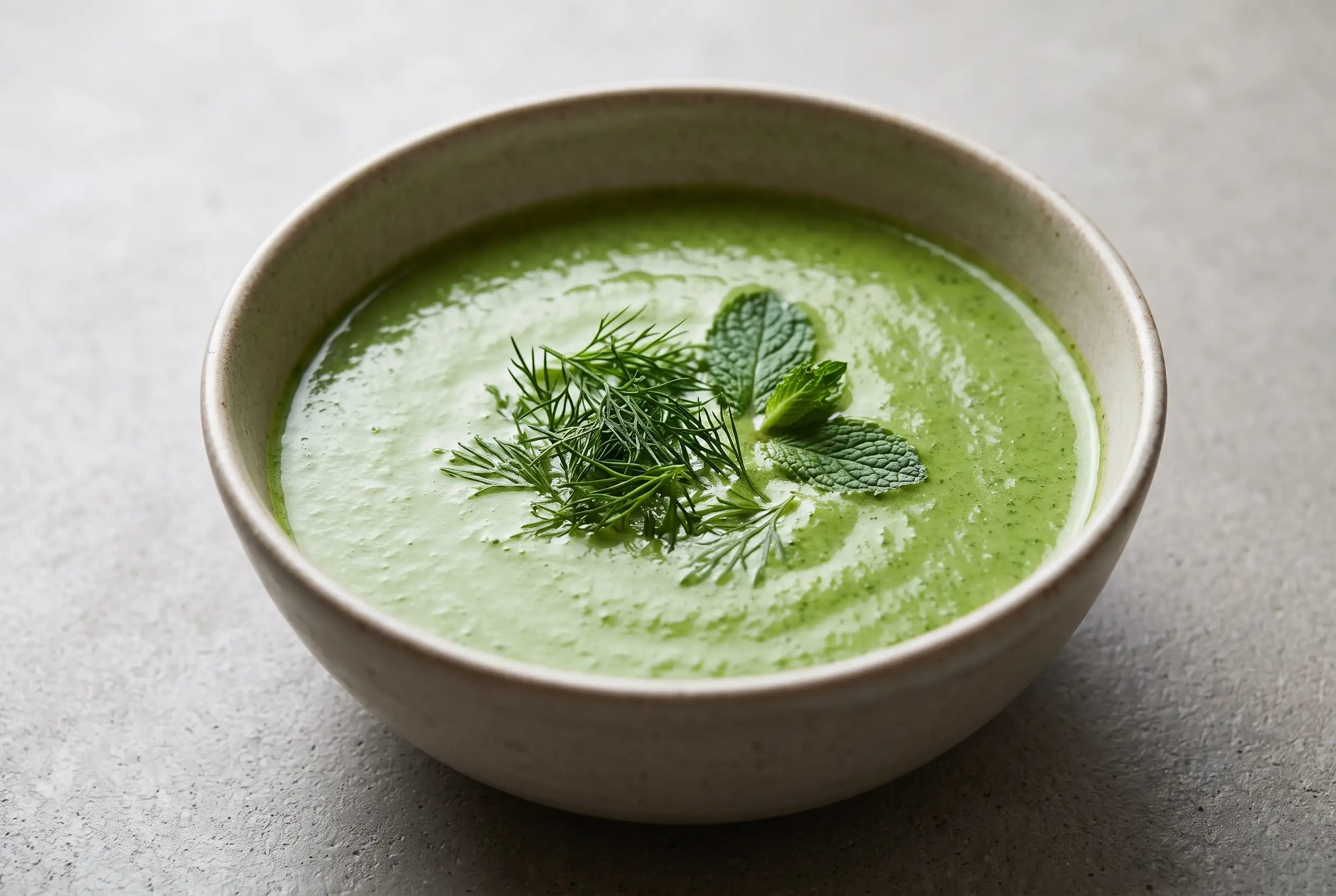
green goddess herb soup brings fresh herbs, leafy greens, vegetable broth, and coconut milk together in a smooth bowl with a bright flavor profile. Basil, parsley, and spinach create the signature green color, while coconut milk adds a creamy texture without making the soup feel heavy.
Built around simple ingredients and careful cooking, green goddess herb soup works well when you want a warm meal with a lighter feel. The herbs are softened briefly, blended while warm, and finished gently so their fresh character remains noticeable.
Green Goddess Herb Soup Creates Fresh Creamy Balance
The appeal of green goddess herb soup comes from the contrast between fresh greens and a silky base. Basil provides a sweet herbal aroma, parsley adds a clean finishing note, and spinach helps create body once everything is blended together.
Garlic gives the soup a savory foundation that keeps the herbs from tasting too sharp. Coconut milk smooths the mixture and adds richness, creating a creamy herb soup recipe with a balanced texture that does not rely on flour or potatoes.
The short cooking process also helps preserve the character of the greens. Gentle heating softens the herbs and spinach while keeping the finished soup bright, making it different from longer-simmered vegetable soups with deeper, heavier flavors.
The Herb Blend Shapes Green Goddess Herb Soup Flavor
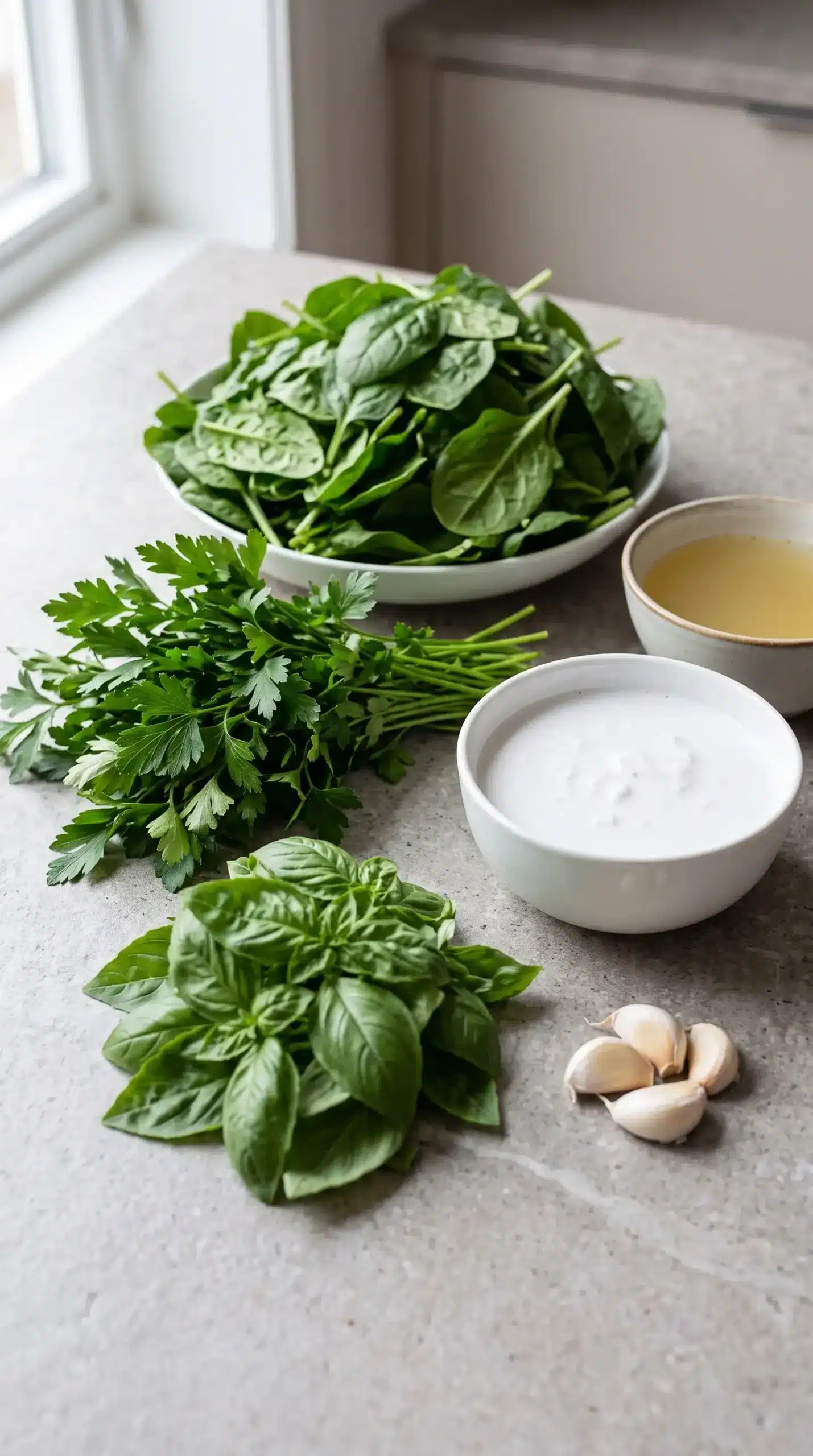
Fresh basil is central to the flavor of green goddess herb soup because it provides the recognizable herbal aroma associated with the dish. Using fresh leaves keeps the flavor lively, while dried basil would not provide the same fresh quality.
Parsley works alongside basil by adding freshness and balance. Flat-leaf parsley offers a stronger herbal presence, but curly parsley can also be used when that is what is available. Spinach supports the blend by adding color, softness, and a smooth texture after blending.
| Ingredient choice | Best result | Possible adjustment |
|---|---|---|
| Fresh basil | Bright aroma and sweet herbal notes | Increase parsley if basil availability is limited |
| Spinach | Smooth texture and vibrant color | Use kale or Swiss chard for a deeper green flavor |
| Full-fat coconut milk | Rich, silky consistency | Use light coconut milk for a thinner soup |
Vegetable broth completes the base by carrying the flavors of the greens and balancing the richness from coconut milk. A low-sodium option allows the seasoning to be adjusted more carefully before serving.
Coconut Milk and Greens Control the Texture
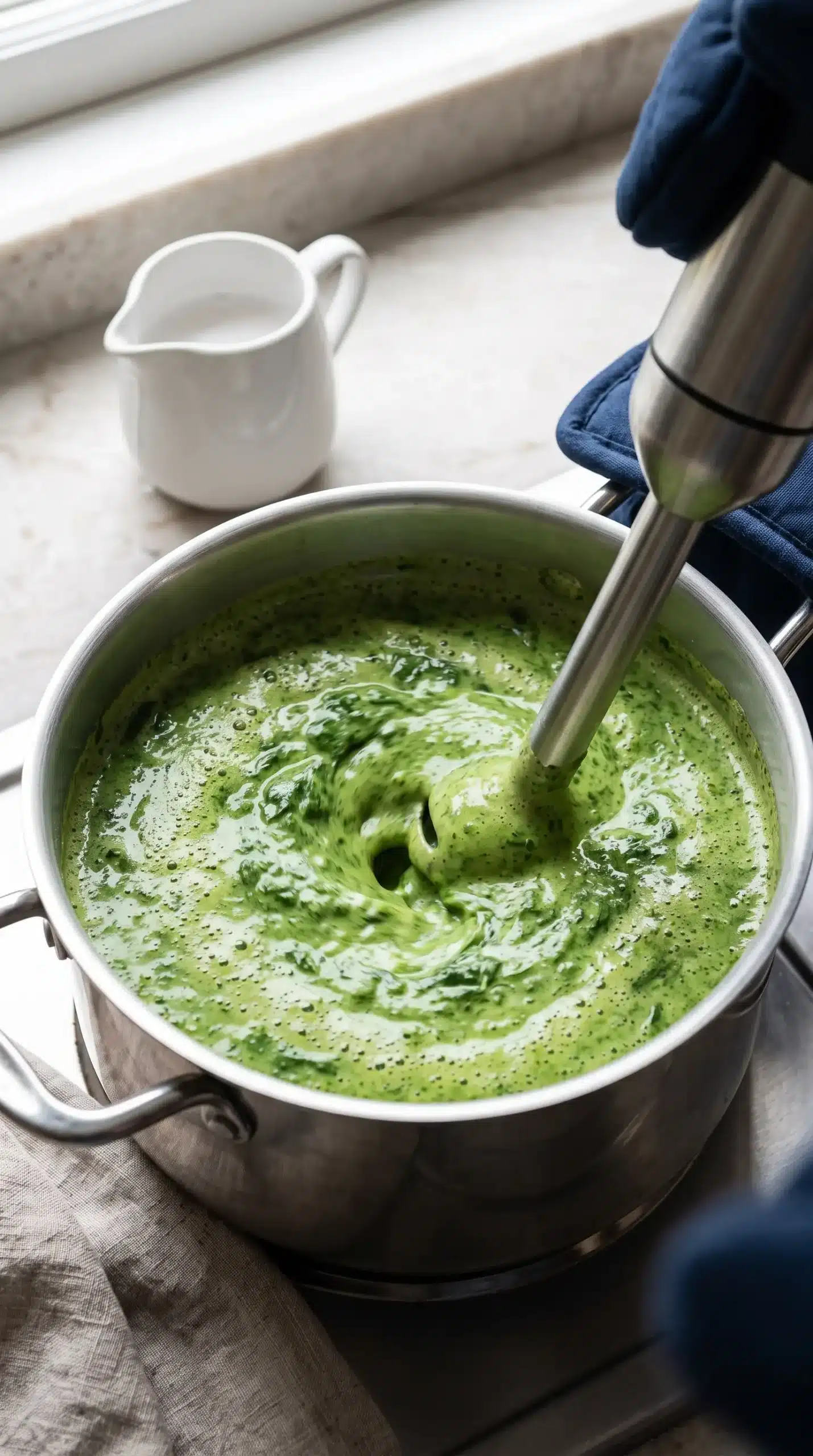
The texture of green goddess herb soup depends on timing and blending. Warm greens become smooth quickly when blended, creating a velvety consistency without needing extra thickeners.
Coconut milk contributes creaminess while keeping the soup fluid enough to remain light. Adding it after blending allows the coconut flavor to blend into the soup without overpowering the fresh herbs.
Texture can also be adjusted based on preference. A careful blend creates an ultra-smooth bowl, while optional straining after blending creates an even silkier finish for those who prefer a refined texture.
A 30 Minute Green Goddess Soup Fits Busy Meals
This 30 minute green goddess soup focuses on efficient preparation without sacrificing fresh flavor. The ingredients come together quickly because the greens soften in a short amount of time and the soup does not require long simmering.
The dish fits different meal styles throughout the week. It can serve as a light lunch, a simple dinner, or a starter alongside other vegetable-focused dishes.
- Lunch pairing: Serve with crusty bread or a simple salad for a balanced midday meal.
- Dinner option: Add roasted vegetables or a sandwich for a more filling plate.
- Starter serving: Offer smaller portions before a main course.
Cooking Control Keeps the Soup Bright and Smooth
The most important cooking decisions for green goddess herb soup involve temperature and timing. Garlic should become fragrant without browning because burned garlic can introduce bitterness that covers the delicate herb flavors.
Keeping the greens cooking briefly helps maintain their fresh color. After the broth is added, a gentle simmer is enough to soften the ingredients before blending.
Coconut milk needs gentle handling after it is added. Maintaining low heat helps preserve the smooth texture and keeps the soup from separating.
Green Goddess Herb Soup Mistakes That Dull Fresh Flavor
Small cooking errors can change the color and texture of green goddess herb soup. Understanding the signs of common problems makes it easier to correct them before serving.
- Overcooked herbs: Long cooking can reduce the fresh green color. Keep heating time controlled after the greens soften.
- High heat after coconut milk: Boiling can affect the creamy texture. Warm gently once coconut milk is added.
- Weak seasoning: Fresh herbs need balanced seasoning. Taste before serving and adjust gradually.
- Skipping blending: The smooth texture depends on fully combining the greens and broth.
Avoiding these issues keeps the soup closer to its intended fresh and creamy style.
Smart Variations Change the Bowl Without Losing Character
Green goddess herb soup can be adjusted while keeping its main identity. White beans or chickpeas can be blended into the soup to create a heartier texture and add more substance, much like the filling consistency found in a garbanzo bean soup.
Extra vegetables can also change the character of the bowl. Zucchini, peas, or kale provide additional variety while still fitting the green vegetable focus.
For a sharper finish, lemon zest or lemon juice can brighten the herbal notes. Toasted pine nuts add a crunchy contrast when a Mediterranean-inspired version is desired.
Serving Ideas Match the Soup’s Silky Texture
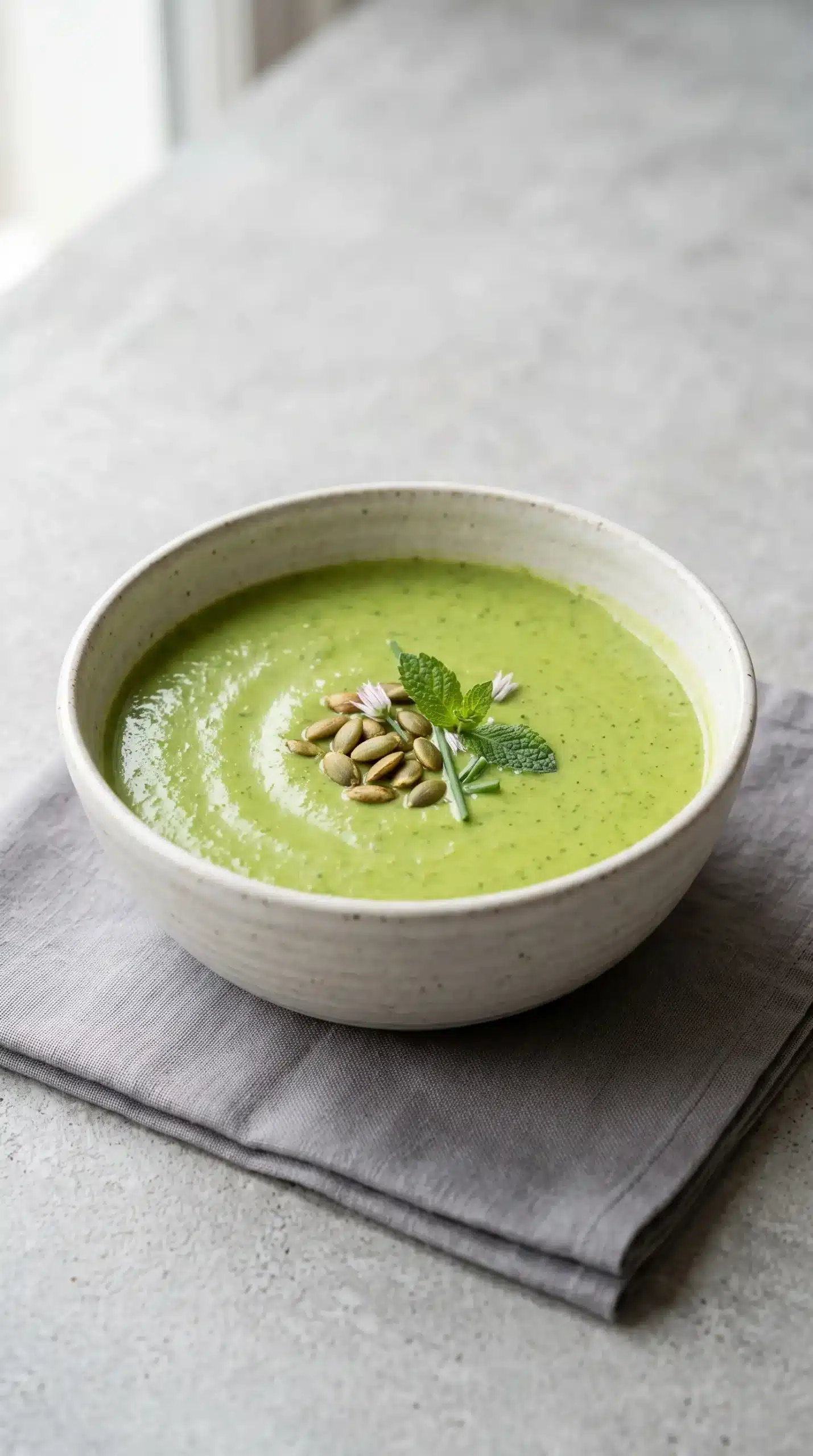
The smooth consistency of green goddess herb soup pairs well with foods that add contrast. Crisp bread, grilled sandwiches, and toasted toppings create different textures alongside the creamy bowl.
| Serving addition | Texture contribution | Flavor effect |
|---|---|---|
| Crusty bread | Crisp exterior with soft center | Balances the fresh herbal notes |
| Roasted chickpeas | Crunchy topping | Adds savory depth |
| Toasted pumpkin seeds | Nutty crunch | Creates contrast with the silky soup |
Lighter pairings such as cucumber salad, roasted asparagus, or greens with lemon vinaigrette keep the meal focused on fresh flavors.
Storage Choices Protect Green Color and Creaminess
Proper storage helps maintain the texture and flavor of green goddess herb soup after cooking. The soup should cool completely before being transferred into airtight containers.
Refrigerated soup leftovers can be stored 2-3 days. Frozen portions can be stored for up to 2 months, making it easier to prepare quick meals ahead of time.
| Storage method | Recommended handling | Reheating approach |
|---|---|---|
| Refrigerator | Use airtight containers | Warm gently over low heat |
| Freezer | Freeze in portions | Thaw before gentle reheating |
| Stored leftovers | Check thickness before serving | Add broth or coconut milk if needed |
Heating should stay gentle because boiling can affect the color and smooth consistency.
Prep Shortcuts Simplify Weeknight Cooking
Several preparation choices make green goddess herb soup easier to fit into a busy schedule. Pre-washed greens reduce preparation time, and frozen spinach can replace fresh spinach when convenience matters.
Prepping herbs and garlic ahead of time allows the cooking process to move quickly. Store-bought vegetable broth also removes the need for additional preparation while keeping the soup simple.
An immersion blender provides one of the biggest time savings because the soup can be blended directly in the pot.
Equipment Choices Support Smooth Blending
A medium or large soup pot provides enough room for the greens, broth, and coconut milk to combine comfortably. A heavy-bottomed pot can help maintain steady heat while cooking garlic and warming the soup.
An immersion blender is useful because it reduces transfers and cleanup. A countertop blender also works, but hot soup should be blended carefully in batches to manage steam.
A sharp knife, cutting board, ladle, and optional fine mesh strainer complete the basic equipment needed for a smooth result.
Nutrition Notes Highlight Leafy Green Benefits
Green goddess herb soup centers on leafy greens and fresh herbs that contribute important nutrients. Spinach provides fiber, iron, and antioxidants, while basil and parsley contribute vitamins and plant compounds.
Coconut milk adds fat that helps create a satisfying texture and supports absorption of fat-soluble vitamins from the greens.
Because the soup uses vegetable broth and coconut milk, it is naturally dairy-free and fits well with vegan eating styles when prepared as written.
Expert Tips for Better Green Goddess Herb Soup Results
Careful attention to a few details can improve the finished bowl. Fresh ingredients, gentle heat, and thoughtful seasoning make the biggest difference.
- Fresh herbs: Choose vibrant basil and parsley for the strongest flavor.
- Warm blending: Blend while the soup is still warm for a smoother consistency.
- Season gradually: Adjust salt, pepper, and optional lemon carefully.
- Texture contrast: Add seeds, croutons, or herbs when serving.
Green Goddess Herb Soup Brings Fresh Comfort Through Simplicity
Green goddess herb soup succeeds because fresh herbs, spinach, broth, and coconut milk each have a clear role in the finished bowl. Gentle cooking protects the bright green character, while blending creates the creamy texture that defines the dish.
The balance between silky coconut milk and fresh greens allows the soup to remain comforting without becoming heavy. Careful heat control and thoughtful seasoning are the choices that preserve its clean herbal flavor.
Questions and Answers About Herb Blending and Storage
Can I use frozen spinach in green goddess herb soup?
Yes. Frozen spinach can work well when it is thawed and drained before cooking. It offers convenience while still blending smoothly into the soup.
Is coconut milk necessary for the creamy texture?
Coconut milk provides the rich consistency that defines the soup, but unsweetened oat milk or cashew cream can be used when a different creamy base is preferred.
How do I keep the soup bright green?
Keep cooking times short, avoid boiling after adding coconut milk, and blend soon after the greens soften to help maintain the fresh green appearance.
Can green goddess herb soup be frozen?
Yes. Freeze portions in airtight containers for up to 2 months, then thaw before reheating gently on the stovetop.
Green Goddess Herb Soup with Coconut Milk and Herbs
Ingredients
Method
- Warm the olive oil in a large pot over medium heat, then cook the minced garlic for about 1 minute until fragrant, keeping it from browning.
- Add the basil leaves, parsley leaves, and spinach to the pot and cook for 2–3 minutes until the greens soften.
- Stir in the vegetable broth and bring the mixture to a gentle simmer for about 5 minutes.
- Blend the warm soup using an immersion blender or carefully process it in batches until the texture is completely smooth.
- Place the blended soup back over low heat and mix in the coconut milk, warming it gently without bringing it to a boil.
- Season the soup with salt and pepper to taste before serving.