Texas Roadhouse Salmon with Brown Sugar Glaze Recipe
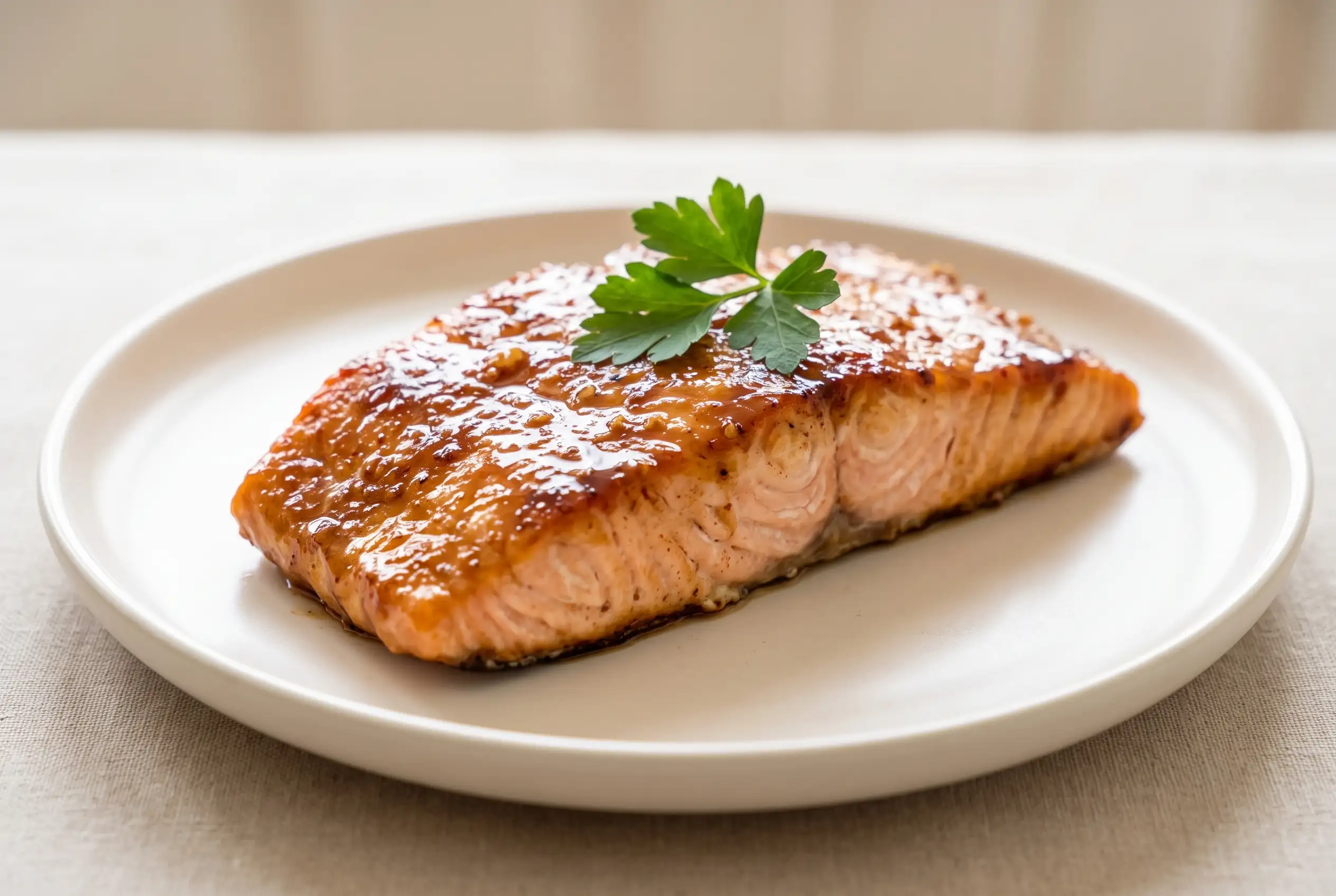
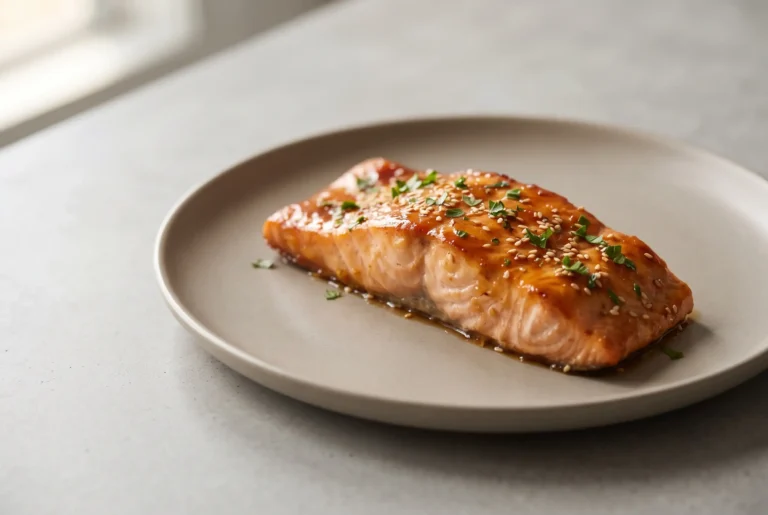
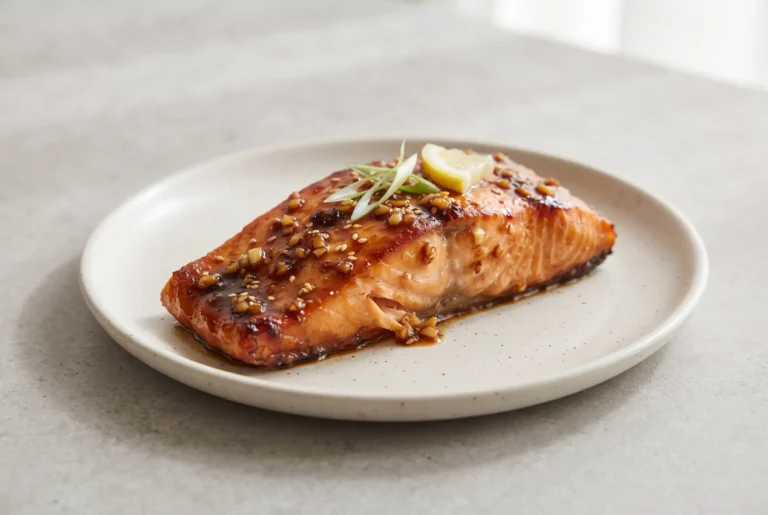
Texas Roadhouse Salmon brings sweet, savory, and smoky restaurant-style flavor to the dinner table with a simple brown sugar glaze, buttery richness, and tender baked salmon. This texas roadhouse salmon recipe creates a glossy finish using familiar ingredients while keeping preparation approachable for home cooks looking for an easy baked salmon recipe.
Rich caramelization from the glaze gives this dish its signature appeal. Soy sauce balances the sweetness, garlic and paprika add warmth, and fresh parsley provides a bright finish that keeps each bite balanced.
Texas Roadhouse Salmon Flavor Profile
Sweet and savory flavors define the appeal of texas roadhouse salmon. Brown sugar and honey create a sticky coating that develops a caramelized surface during baking, while soy sauce brings depth that prevents the glaze from tasting overly sweet.
Butter helps the glaze coat the fish evenly and contributes a smooth texture. Garlic powder adds a savory note without requiring extra preparation, and paprika brings subtle warmth and color to the finished salmon.
The Brown Sugar Glaze Choices That Shape Texas Roadhouse Salmon
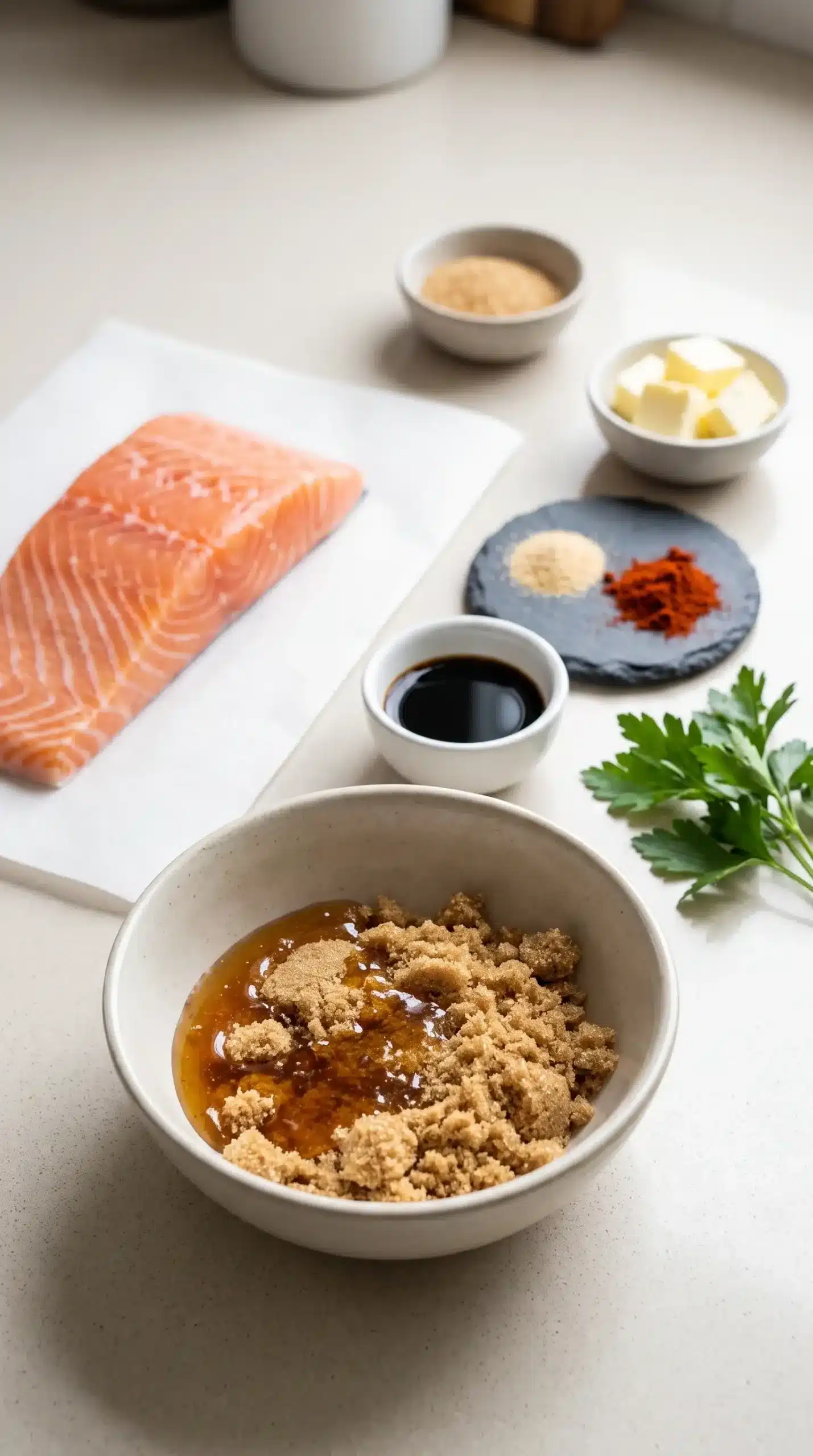
Brown sugar is central to the glaze because it creates the caramelized exterior associated with this style of salmon. Honey supports the sticky texture, while soy sauce creates the savory balance needed for a satisfying finish.
| Glaze component | Purpose in the dish | Suitable substitute |
|---|---|---|
| Brown sugar | Creates sweetness and caramelization | Maple syrup or coconut sugar |
| Soy sauce | Adds savory depth | Tamari or coconut aminos |
| Butter | Adds richness and helps coat the salmon | Olive oil or vegan butter |
| Honey | Enhances the glossy glaze texture | Maple syrup or agave nectar |
Fresh parsley finishes the dish with a lighter contrast against the rich coating. Dill or chives can also complement the salmon when a different herb profile is preferred.
Choosing Salmon Cuts for a Better Finish
Center-cut salmon fillets work especially well because their even thickness supports consistent cooking. Fresh salmon delivers excellent results, but thawed frozen salmon can also absorb the glaze effectively after being fully thawed.
Alternative fish options can work when salmon is unavailable. Steelhead trout and Arctic char provide similar qualities and can handle the same sweet-savory flavor approach.
- Even thickness: Center-cut portions cook more consistently and reduce uneven textures.
- Dry surface: Patting the fish dry helps the glaze cling properly.
- Quality choice: Better salmon supports a richer texture and cleaner flavor.
Oven Controls That Keep Texas Roadhouse Salmon Moist
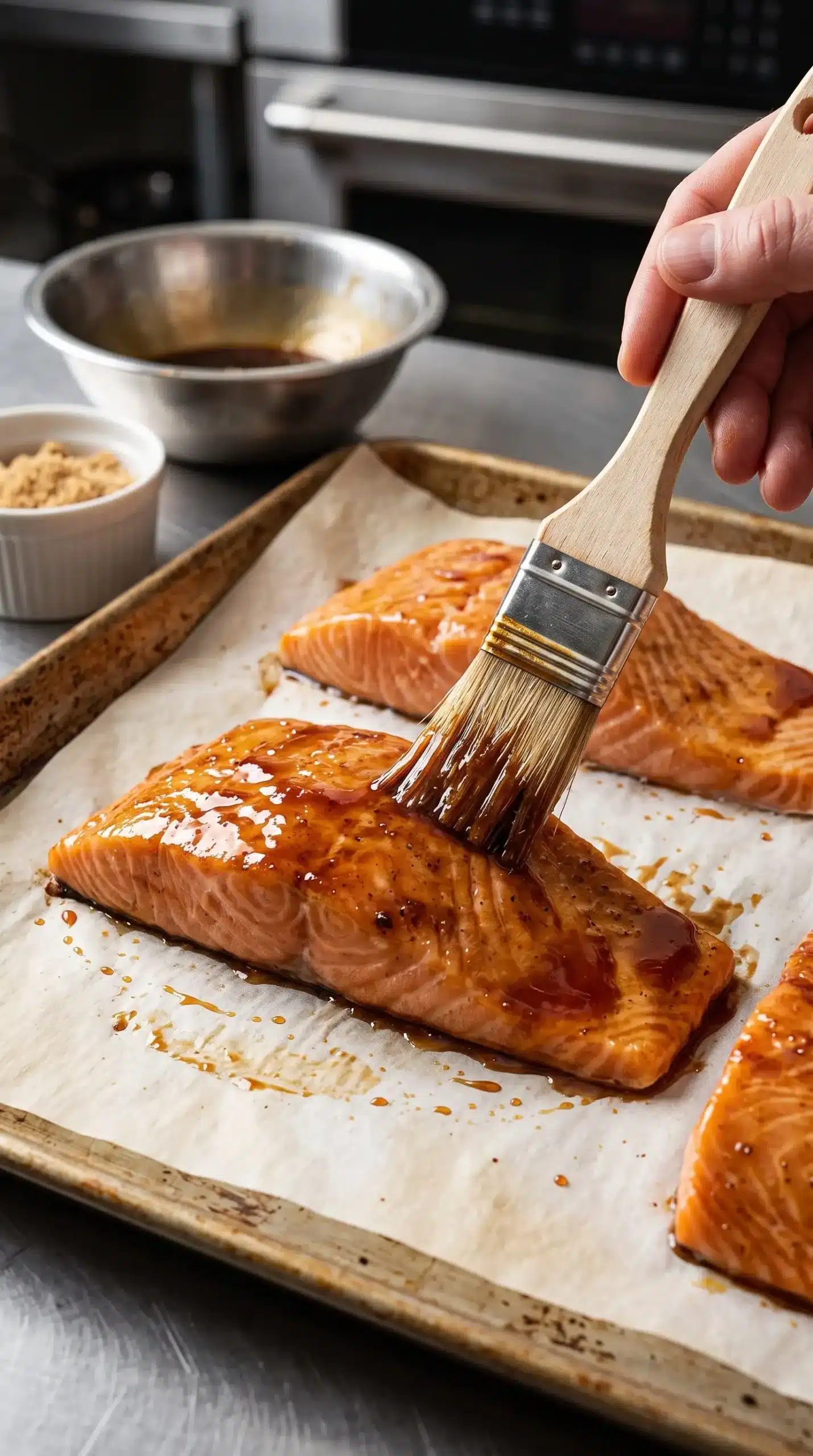
Careful temperature control makes the biggest difference when preparing texas roadhouse salmon. The oven method relies on gradual baking and a second glaze application to build flavor while keeping the interior moist, with techniques that are useful for achieving tender oven baked salmon results.
Applying the glaze in layers improves the finished surface. The first coating begins developing flavor, while the later coating creates a thicker glossy layer as baking continues with layering glazes during cooking.
Checking doneness matters because salmon cooks quickly. Properly finished fish should flake easily and reach an internal temperature of 145°F (63°C).
Avoid These Texas Roadhouse Salmon Mistakes
Small preparation errors can affect the texture and appearance of this salmon dinner. Paying attention to a few common issues helps preserve the tender center and caramelized glaze.
- Overcooking: Remove the salmon once it reaches the proper doneness so the texture stays moist.
- Thin fillets: Very thin pieces may dry before the glaze has enough time to caramelize.
- Crowded pans: Space between fillets helps the salmon roast properly instead of steaming.
- Missing parchment: The sticky glaze can make cleanup harder without a lined baking sheet.
Extra salt is another common issue. Soy sauce already provides significant seasoning, so additional salt should be used carefully.
Serving Pairings for the Glazed Salmon Dinner
Texas Roadhouse Salmon fits easily into many meal styles because the sweet glaze works with both hearty and lighter sides. Creamy textures, roasted vegetables, and grains all complement the rich salmon.
Popular pairings include rice pilaf, garlic mashed potatoes, roasted broccoli, steamed asparagus, salads, quinoa, baked sweet potatoes, and buttered green beans.
Storage and Leftover Uses for Texas Roadhouse Salmon
Cooked salmon can continue to provide convenient meals after the first serving. Stored leftovers work well in dishes where the glaze can add flavor to other ingredients.
Refrigerated portions should be kept in an airtight container for up to 2 days. Wrapped portions can be frozen for up to 2 months.
Leftover texas roadhouse salmon can be added to rice bowls, wraps, salads, pasta dishes, and sandwiches. Gentle reheating helps maintain moisture, especially when a small amount of extra glaze or water is added.
Family-Friendly Ways to Serve the Salmon
The sweet and savory profile makes this salmon approachable for many family meals. Reducing paprika and black pepper slightly can create a milder version for younger diners who prefer softer seasoning.
Smaller portions or salmon pieces can make serving easier for children. Pairing the fish with familiar sides such as rice, mashed potatoes, or roasted sweet potatoes can create a more comfortable meal experience.
Budget Decisions for a Steakhouse-Style Salmon Meal
A restaurant-inspired salmon dinner does not require expensive additions. Frozen salmon fillets, pantry-friendly glaze ingredients, and simple side dishes can keep the overall meal practical.
Buying larger salmon portions and cutting them into fillets at home may help reduce cost. Trout or steelhead trout can also serve as alternatives when salmon prices are higher.
Equipment That Helps the Glaze Set Well
A sturdy baking sheet, parchment paper, mixing bowl, and brush are the main tools needed for this dish. The glaze becomes sticky during cooking, so a lined pan makes cleanup easier.
An instant-read thermometer can improve consistency by helping confirm when the salmon has reached the correct internal temperature. A fish spatula is also useful for moving delicate fillets without breaking them apart.
Shortcuts for a 30 Minute Salmon Dinner
Texas Roadhouse Salmon already comes together quickly, but a few preparation choices can make weeknight cooking even smoother. Pre-portioned fillets reduce handling, and preparing the glaze ahead of time simplifies the final cooking process.
Convenient sides such as microwave rice, frozen vegetables, or pre-washed salad kits can complete the meal with minimal extra work.
Recipe Variations Beyond the Classic Glaze
Small changes can create new versions while keeping the original flavor direction intact. A spicy variation can include cayenne pepper or chili flakes, while a maple version can replace honey for a deeper sweetness.
An air fryer approach cooks the salmon at 375°F for about 8–10 minutes, providing another option for a fast dinner. A garlic butter variation can include fresh minced garlic for stronger savory flavor.
Texture and Doneness Signs to Watch
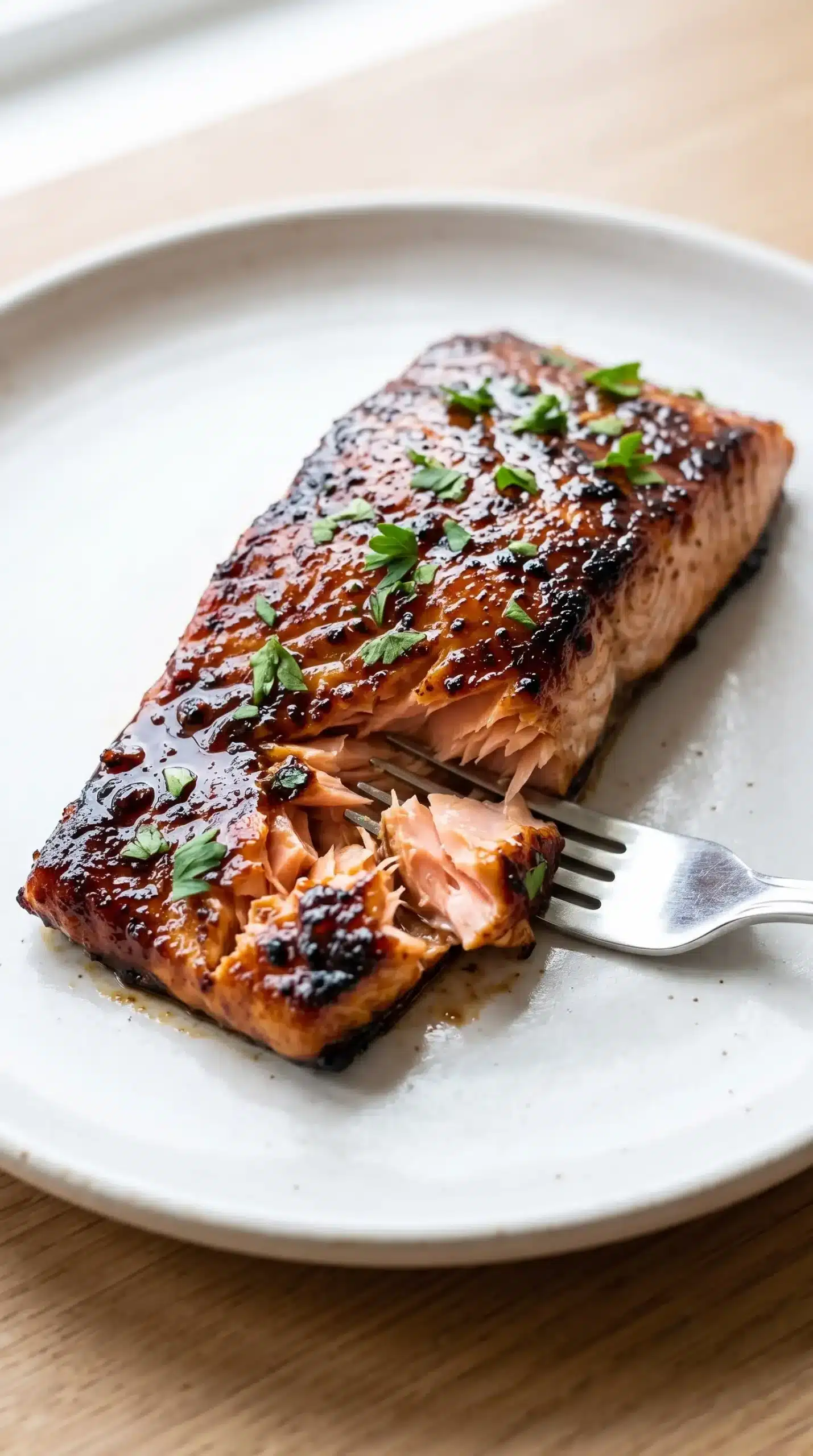
Texture reveals whether the salmon has been handled correctly. Properly cooked fish should separate easily with a fork while remaining moist inside.
The glaze should appear glossy and lightly caramelized after baking. Fresh parsley adds contrast at serving time, while the combination of flaky salmon and sticky coating creates the dish’s recognizable restaurant-style finish.
Texas Roadhouse Salmon Stays Tender Through Glazing Control
Salmon becomes most satisfying when the glaze is layered carefully and the cooking time is watched closely. The sweet coating, savory balance, and moist center depend on simple decisions made during preparation and baking.
Balanced seasoning and proper handling allow texas roadhouse salmon to deliver a dependable dinner with the character of a steakhouse favorite while remaining practical for home cooking.
Texas Roadhouse Salmon Temperature Questions and Answers
How do I know when the salmon is cooked?
The salmon is ready when it flakes easily and reaches an internal temperature of 145°F (63°C). Checking the thickest part of the fillet gives the most reliable indication.
Can frozen salmon be used for this recipe?
Frozen salmon works well when it is completely thawed before cooking. Drying the surface after thawing helps the glaze adhere more effectively.
Can the glaze be prepared ahead of time?
The glaze can be made in advance and stored in the refrigerator for up to 1 week, making it easier to prepare a quick meal later.
Can texas roadhouse salmon be cooked another way?
Grilling is an option, with cooking taking about 4–5 minutes per side. An air fryer method can also produce a caramelized finish with a shorter cooking time.
What can replace soy sauce in the glaze?
Tamari and coconut aminos are suitable alternatives that maintain the savory character of the glaze.
Texas Roadhouse Salmon with Brown Sugar Glaze Recipe
Ingredients
Method
- Heat the oven to 400°F / 200°C and prepare a baking sheet by lining it with parchment paper.
- Combine the brown sugar, soy sauce, melted butter, honey, garlic powder, black pepper, and paprika in a small bowl, whisking until the glaze is smooth.
- Arrange the salmon fillets on the prepared baking sheet and dry the surface with paper towels if necessary.
- Spread half of the glaze over the salmon fillets evenly.
- Bake the salmon for 8 minutes, then take it out and apply the remaining glaze over the fillets.
- Place the salmon back in the oven and continue baking for 8–10 minutes, until it flakes easily and reaches an internal temperature of 145°F / 63°C.
- Allow the salmon to rest for 2 minutes, then finish with chopped fresh parsley before serving.