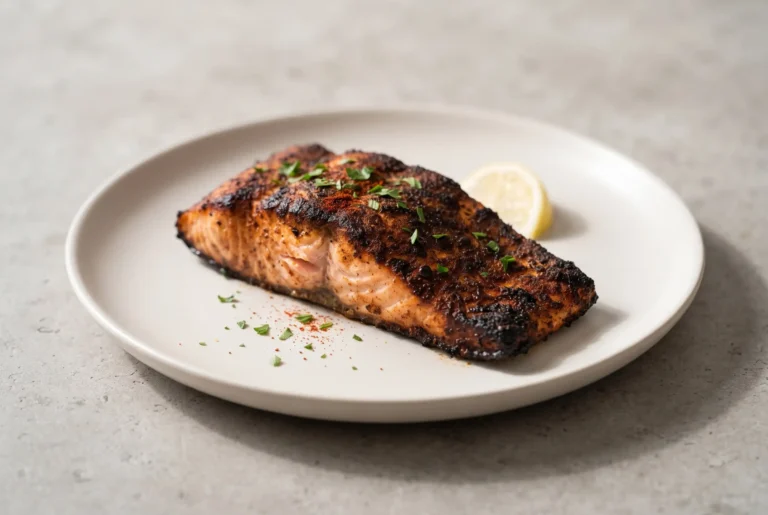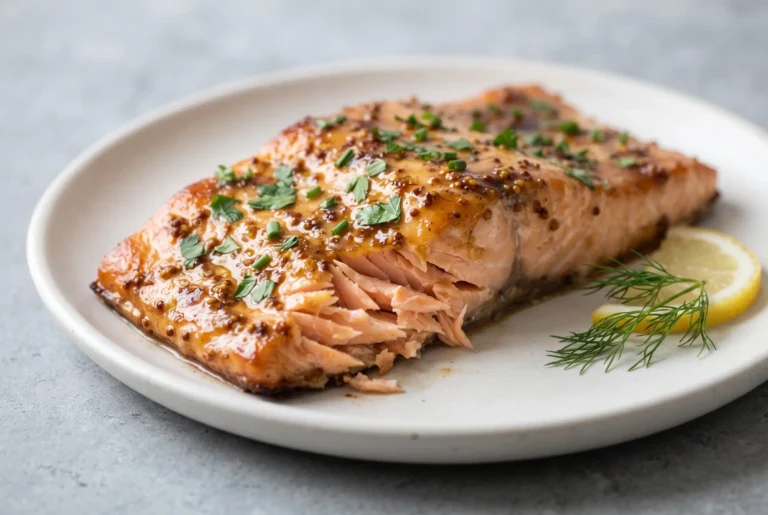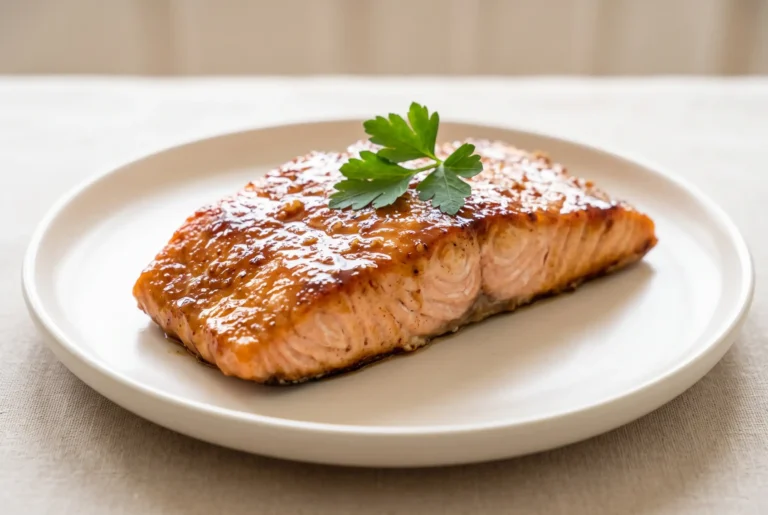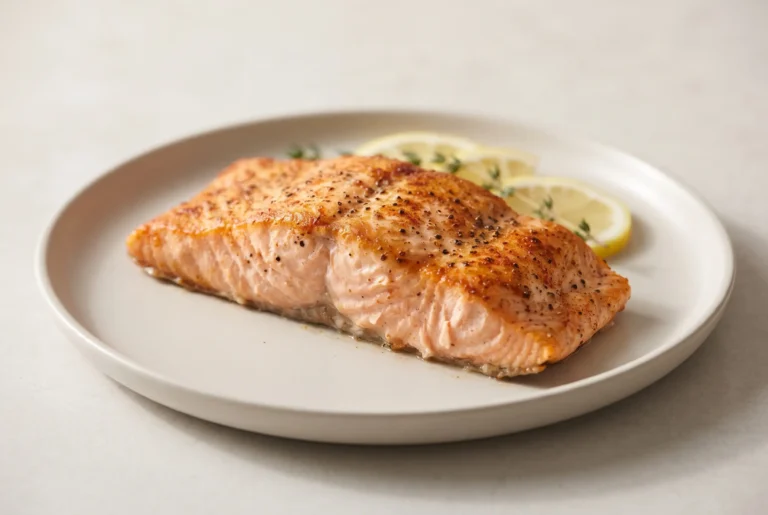
Texas Roadhouse Salmon with Brown Sugar Honey Glaze
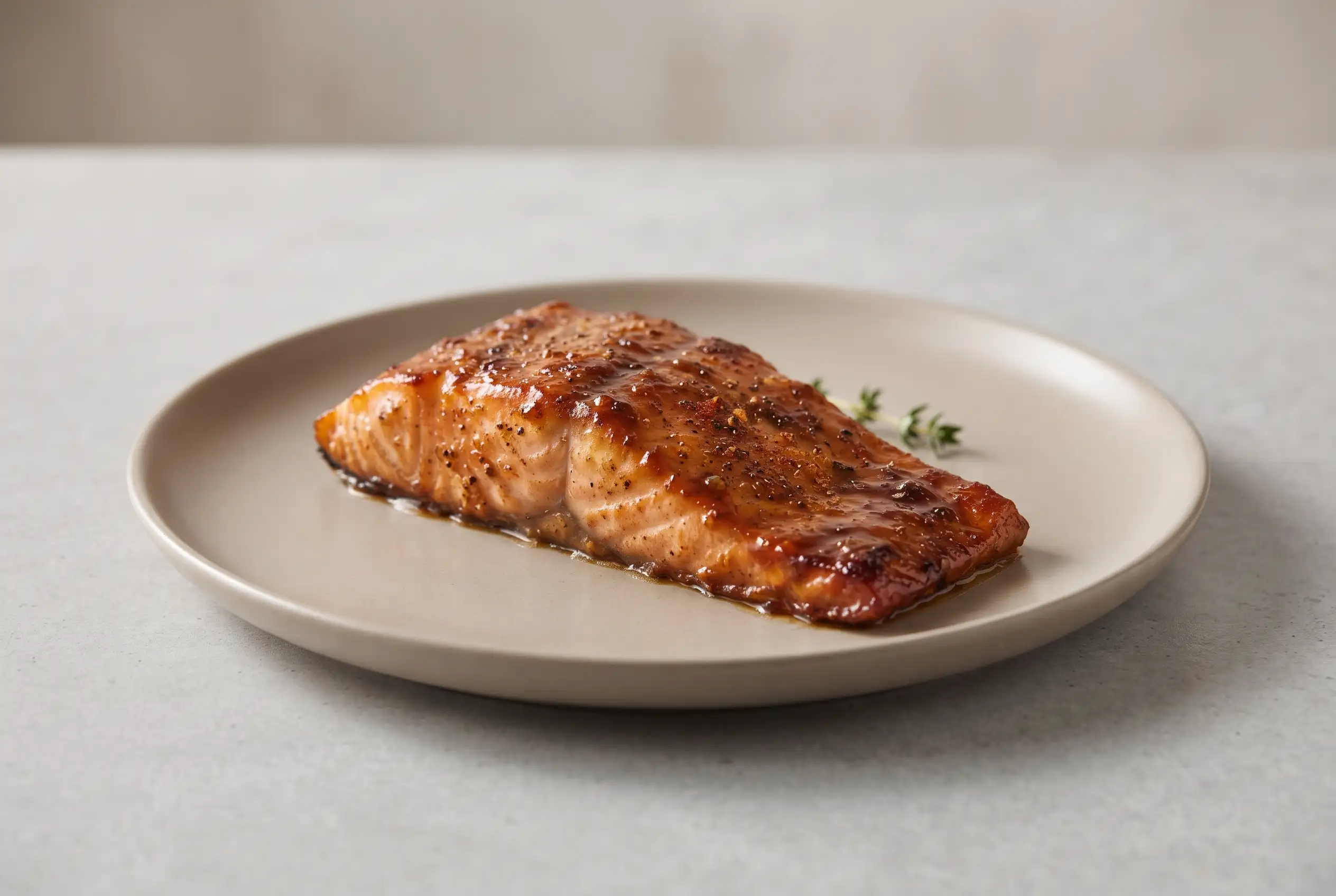
Texas Roadhouse Salmon brings steakhouse-style flavor into a simple home dinner with tender salmon fillets covered in a glossy brown sugar, honey, butter, and soy sauce glaze. The combination creates a sweet and savory baked salmon recipe with caramelized edges, a moist center, and the kind of rich flavor usually associated with restaurant meals.
A copycat salmon recipe works so well here because the glaze develops quickly in the oven. Garlic powder, paprika, and black pepper add savory depth while the sweet ingredients balance the salty richness of soy sauce. The result is a comforting seafood dinner that fits both busy evenings and special meals.
Why Texas Roadhouse Salmon Delivers Restaurant Flavor
Restaurant-inspired salmon often depends on balancing texture and flavor, and this version achieves that through a simple glaze that changes during baking. The butter helps create a smooth coating, while brown sugar and honey create a lightly caramelized surface around the fish.
Another reason the dish stands out is the contrast between the inside and outside. The salmon remains tender and flaky while the glaze becomes slightly sticky and concentrated around the edges. That combination gives each serving a satisfying mix of buttery fish and sweet-savory coating.
Home cooks can also appreciate the straightforward preparation. A few pantry ingredients transform ordinary salmon fillets into a meal with bold flavor, making baked salmon recipe ideas like this one useful for weeknight dinners.
Sweet Glaze Knowledge for Better Salmon Results
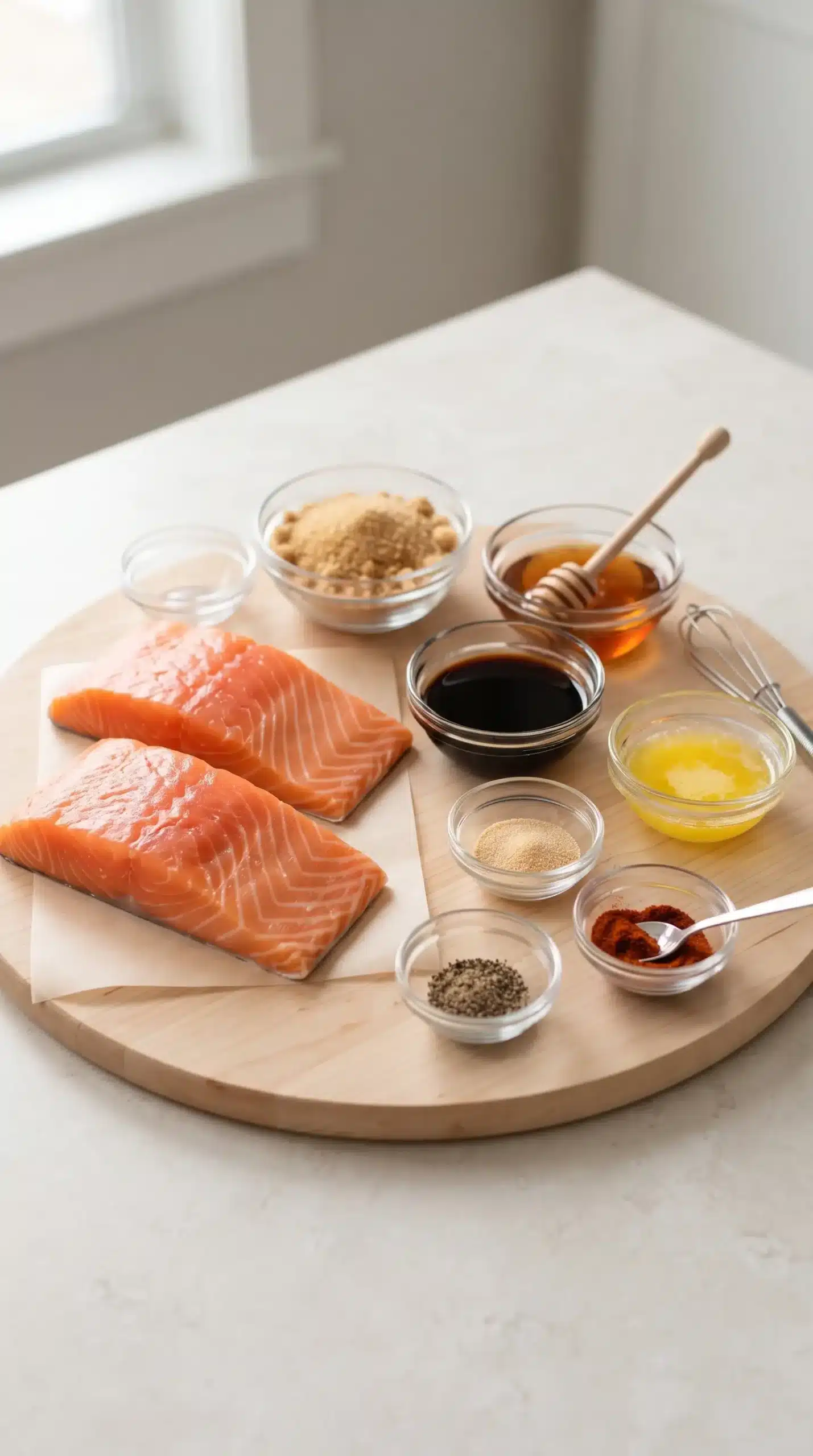
The glaze is the defining feature of this copycat salmon recipe because every ingredient has a specific role in creating the finished flavor. Brown sugar and honey provide sweetness while helping the surface develop a caramelized finish during baking.
Soy sauce brings savory depth and balances the sweetness, creating a more rounded taste than a simple sugar coating. Butter blends the flavors together and gives the glaze a rich texture that spreads easily over each fillet.
Garlic powder works especially well in this style of baked salmon recipe because it distributes evenly through the glaze. Paprika adds subtle warmth and color, while black pepper keeps the sweetness from becoming overwhelming.
- Salmon choice: Atlantic salmon offers a rich, buttery texture, while sockeye salmon provides a stronger flavor.
- Sweetener swap: Maple syrup can replace honey when a deeper sweetness is preferred.
- Soy alternative: Coconut aminos or gluten-free tamari can replace traditional soy sauce.
Baking Control That Protects Salmon Texture
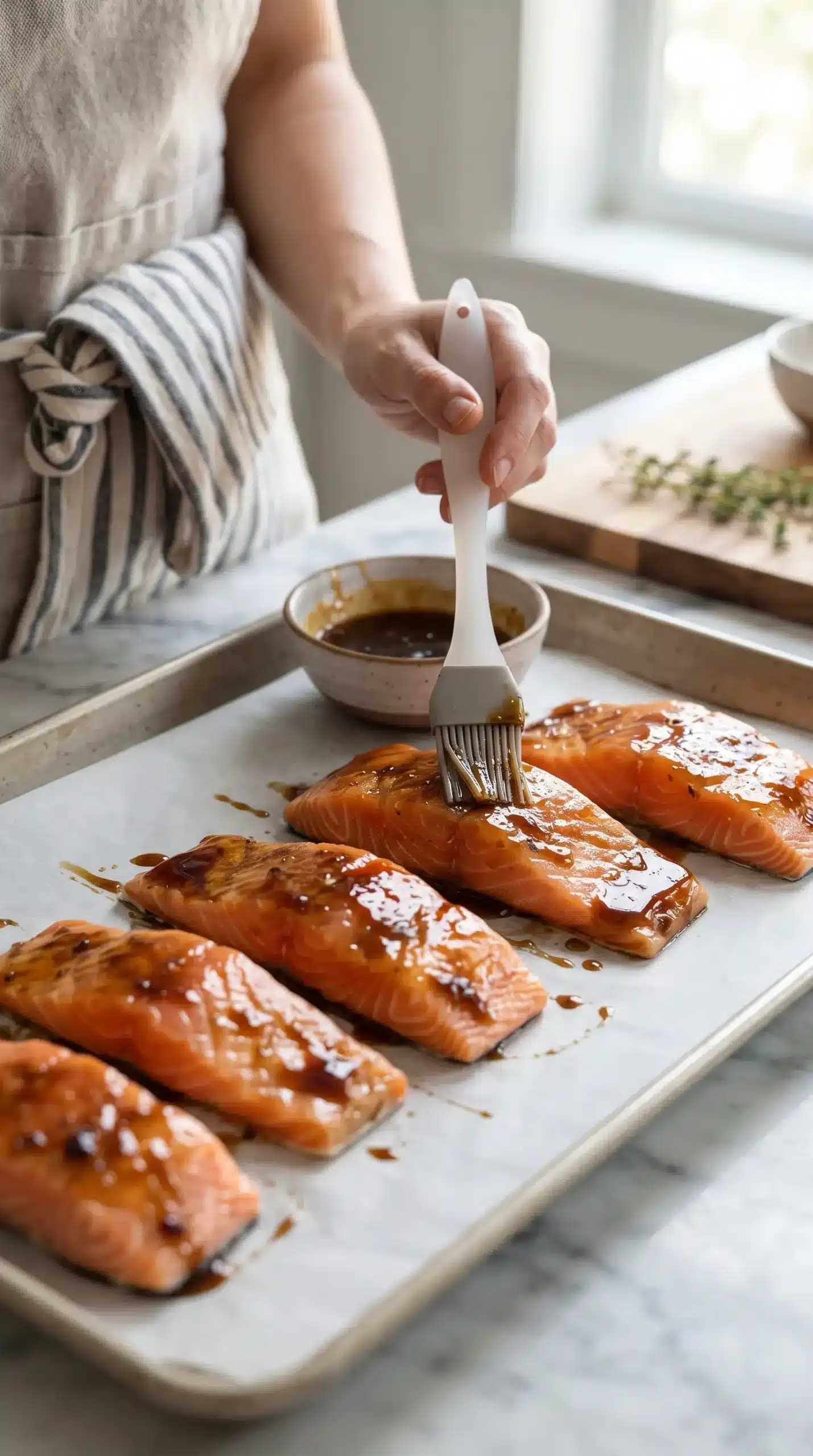
Successful salmon depends on managing heat carefully. Baking at 400°F allows the glaze to caramelize while helping the fish maintain its soft, flaky texture. Careful oven preparation is especially important for oven baked salmon because consistent temperature control supports a moist center and flavorful surface.
Drying the salmon before adding the glaze is an important preparation choice because excess moisture can interfere with caramelization. A dry surface allows the coating to cling more effectively as the salmon cooks.
Applying the glaze in two stages creates better flavor development. The first layer cooks directly against the fish, while the second layer refreshes the coating and helps build the glossy finish associated with Texas Roadhouse Salmon.
| Cooking choice | Purpose | Result |
|---|---|---|
| Parchment-lined pan | Prevents sticking from sugary glaze | Easier cleanup |
| Two glaze layers | Builds coating gradually | Richer flavor |
| Brief resting period | Allows juices to settle | More tender bites |
Common Texas Roadhouse Salmon Mistakes to Avoid
Using wet salmon can reduce the quality of the glaze because moisture prevents the surface from developing the desired caramelized texture. Patting the fillets dry before cooking helps the coating perform better.
Overbaking creates another common problem. Salmon loses its signature buttery texture when exposed to heat too long, so watching the fish closely helps preserve the flaky interior.
Applying all the glaze at once may also lead to weaker flavor balance. Layering the coating gives the sugars time to caramelize while keeping the fish covered with fresh glaze near the end of cooking.
High-sodium soy sauce can make the finished dish taste too salty because the glaze already contains concentrated flavors. A lower-sodium option keeps the sweet and savory balance more noticeable.
Serving Pairings That Complete the Salmon Dinner
Texas Roadhouse Salmon pairs naturally with comforting sides that complement the rich glaze. Garlic mashed potatoes, rice pilaf, roasted asparagus, steamed broccoli, and buttered green beans all create balanced dinner combinations.
Storage Choices for Cooked Salmon
Cooked salmon can be stored in an airtight container for up to 3 days. Gentle reheating helps maintain moisture, while overheating can make the fish dry.
For reheating, a low oven temperature or short microwave intervals work well. Adding a small amount of butter can help restore some richness if the salmon needs extra moisture.
Freezing is also possible for longer storage. Cooked salmon can be frozen for up to 2 months, then thawed and reheated carefully to protect the texture.
Meal Prep Uses Beyond the First Dinner
The glaze can be prepared ahead and refrigerated for up to 3 days, making future salmon dinners easier to assemble. Having the sauce ready reduces preparation time when a quick meal is needed.
Leftover salmon works well in other meals because the sweet-savory flavor remains noticeable after reheating. Flaked pieces can be added to salads, rice bowls, or other simple lunches.
Flavor Variations Inspired by Texas Roadhouse Salmon
Small changes can create different versions while keeping the same sweet and savory character. A spicy variation can include cayenne or chili flakes for extra heat, while a maple version replaces honey with maple syrup.
A garlic butter variation increases the buttery richness by adding more garlic flavor. An air fryer approach can also be used by cooking the salmon at 375°F for 8–10 minutes.
Kitchen Tools That Make Preparation Easier
A baking sheet, parchment paper, small mixing bowl, and pastry brush provide everything needed for smooth preparation. These simple tools help spread the glaze evenly and reduce cleanup after cooking.
Texture Details Behind Perfectly Glazed Salmon
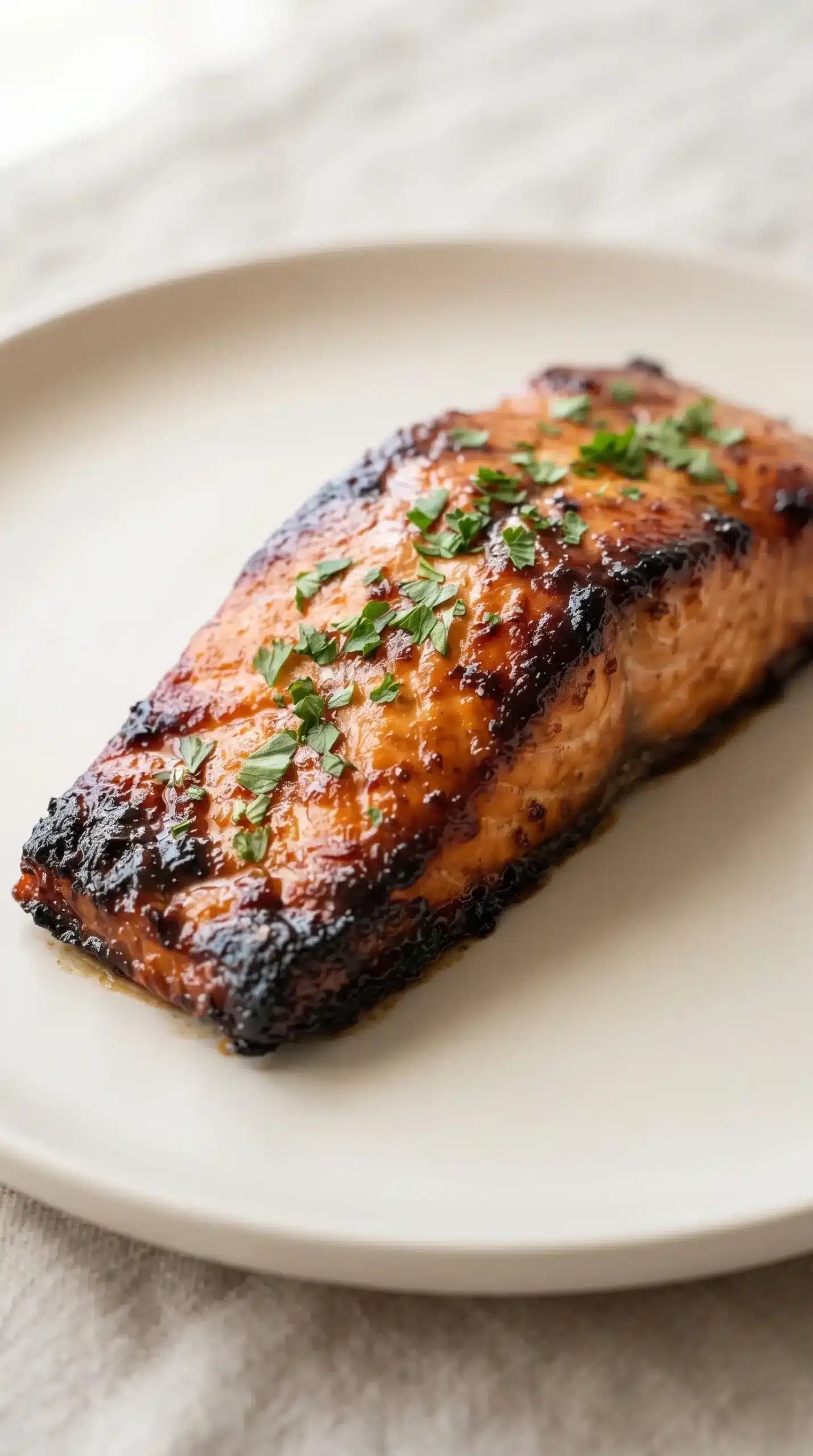
The appeal of this salmon comes from the difference between the soft center and caramelized exterior. Proper baking keeps the fish tender while allowing the glaze to develop sticky, flavorful edges.
Broiling briefly can intensify those caramelized areas, adding deeper color and texture to the surface. Careful timing matters because the goal is a glossy finish without drying the salmon.
Fresh parsley adds a final touch of brightness that balances the richness of the glaze. The finished plate combines flaky fish, sweet coating, and fresh herbal notes in every bite.
Texas Roadhouse Salmon Creates a Balanced Glazed Dinner
The salmon fillets, layered glaze, and controlled baking process work together to create a meal where texture and flavor remain connected. A properly prepared glaze enhances the fish without hiding its natural richness.
Sweet caramelized edges, savory seasoning, and a tender center define the character of Texas Roadhouse Salmon. Paying attention to moisture, glaze layering, and cooking time produces the qualities that make this dinner memorable.
Texas Roadhouse Salmon Questions About Storage and Cooking
Can frozen salmon be used for this dish?
Frozen salmon works well when it is completely thawed before baking. Allowing the fish to thaw fully helps the glaze coat the surface more evenly and supports consistent cooking.
How can you tell when the salmon is finished?
Salmon is ready when it flakes easily and reaches a 145°F internal temperature. The center should remain moist while the outside develops the caramelized glaze.
Can Texas Roadhouse Salmon be grilled instead of baked?
Grilling is possible over medium heat for about 4–5 minutes per side. The glaze should be watched carefully because the sugars can brown quickly over direct heat.
Is the glaze spicy?
The standard glaze is sweet and savory without heat. Cayenne or chili flakes can be added when a spicier flavor profile is preferred.
Which vegetables pair best with the salmon?
Broccoli, asparagus, green beans, zucchini, and Brussels sprouts all work well because their fresh flavors balance the richness of the glazed fish.
Texas Roadhouse Salmon with Brown Sugar Honey Glaze
Ingredients
Method
- Heat the oven to 400°F / 200°C and cover a baking sheet with parchment paper.
- Dry the salmon fillets with paper towels, then arrange them on the lined baking sheet.
- Combine brown sugar, soy sauce, melted butter, honey, garlic powder, black pepper, and paprika in a small bowl, mixing until the glaze is smooth.
- Spread half of the glaze over the salmon fillets.
- Bake the salmon for 8 minutes.
- Take the salmon out of the oven, coat the fillets with the remaining glaze, and return them to bake for another 8–10 minutes until flaky, caramelized, and the internal temperature reaches 145°F / 63°C.
- Rest the salmon for 2 minutes, then sprinkle with fresh parsley before serving.