Bok Choy Chicken Soup with Garlic Ginger Broth and Soy
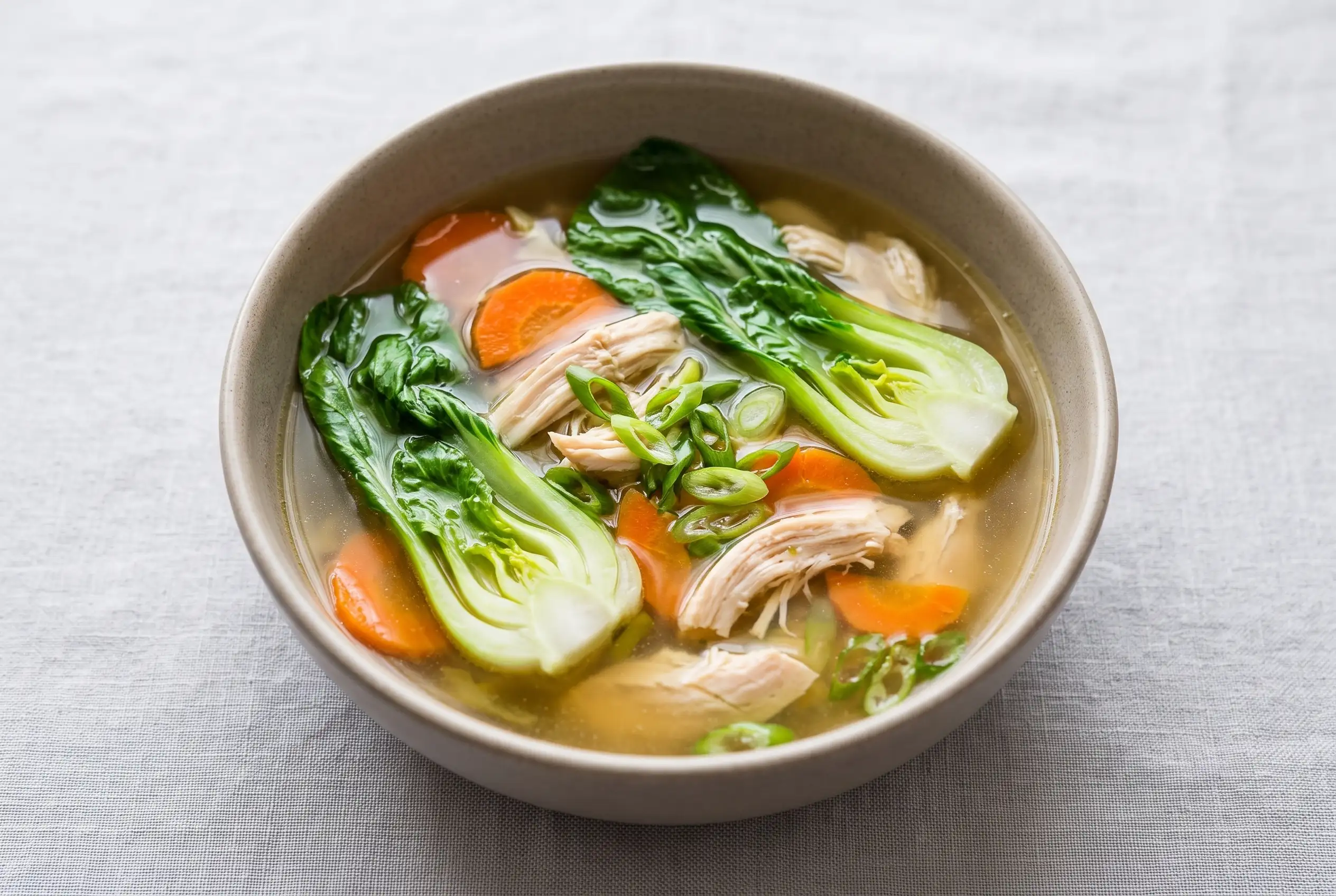
Bok choy chicken soup brings tender chicken, crisp-tender greens, sweet carrots, and a savory garlic-ginger broth together in one light but satisfying bowl. Soy sauce adds depth without turning the broth heavy, while sliced green onions provide a fresh finish that suits both a quick dinner and a soothing lunch.
Careful timing gives this easy bok choy chicken soup its best character. The chicken needs enough gentle simmering to become fully cooked and tender, yet the bok choy should enter late enough to preserve its bright leaves and lightly crisp stems. Those two decisions create a balanced soup with clear broth, distinct vegetables, and juicy pieces of chicken.
Garlic, Ginger, and Soy Build a Balanced Broth
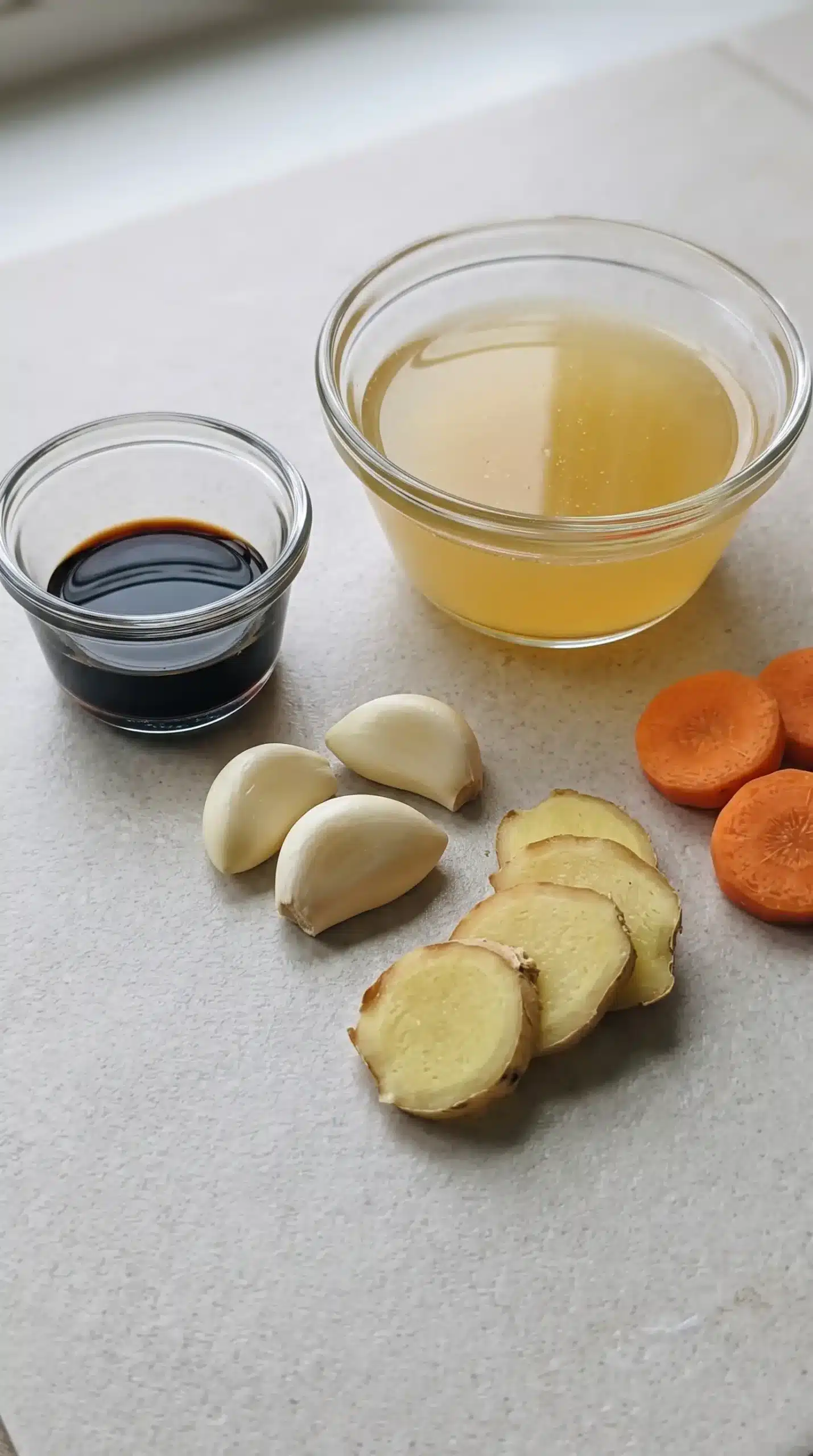
Fresh garlic and ginger establish the aromatic base before the liquid enters the pot. Brief cooking in olive oil releases their fragrance, but extended browning can make the garlic bitter and distract from the clean flavor expected from a light chicken soup with bok choy.
Soy sauce seasons more than the chicken alone. Its savory character spreads through the broth, supports the natural sweetness of carrots, and gives the greens a fuller taste. Low-sodium chicken broth is especially useful because it leaves room to adjust the soy sauce and finishing salt without accidentally oversalting the pot.
Dumplings can turn a light broth into a more substantial bowl when a heartier texture is desired. Adding filled dumplings introduces a satisfying bite alongside the seasoned liquid, as seen in gyoza soup, while keeping the focus on warm, savory flavors.
A gentle simmer keeps the broth clearer and protects the texture of the chicken. Vigorous boiling can tighten lean breast meat, break delicate leaves apart, and make the liquid appear cloudy. Small bubbles around the edge of the pot provide enough heat to cook everything while maintaining a polished finish.
Bok Choy Needs Separate Attention for Leaves and Stems
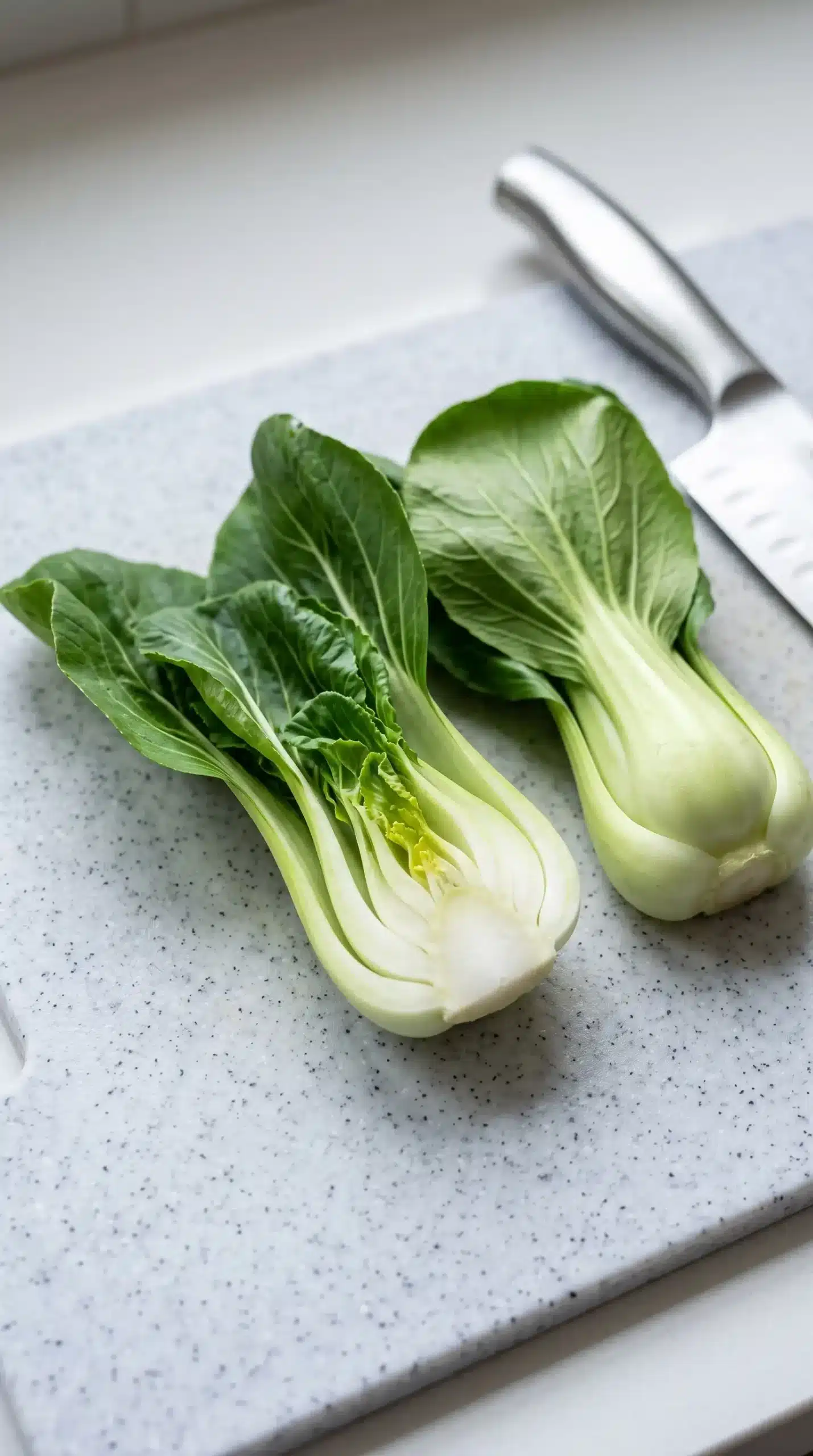
Bok choy contains two textures in the same vegetable. The pale stems are firm and juicy, while the green leaves soften almost immediately in hot broth. Chopping both portions into manageable pieces helps them cook evenly and makes each spoonful easier to eat.
Baby bok choy produces tender stems and smaller leaves, but regular bok choy also works well. Larger stalks may benefit from slightly smaller cuts so they soften during the brief cooking period. Washing carefully between the stalks is important, and learning how to clean baby bok choy helps remove grit that can collect between the tightly layered stems and leaves.
Late addition is essential for bok choy chicken soup. A few minutes in the simmering broth allows the stems to lose their raw firmness while the leaves become silky and vibrant. Leaving the greens in the pot much longer can produce limp stems, faded color, and a stronger cabbage-like aroma.
Chicken Doneness Protects Both Safety and Tenderness
Evenly diced chicken cooks more predictably than irregular chunks. Breast meat gives the soup a leaner bite, while thighs remain especially juicy during simmering. Whichever cut is used, the pieces should be cooked through, with no raw center, and reach an internal temperature of 165°F or 75°C before serving.
Timing Controls the Best 30-Minute Chicken Soup
Aromatics should become fragrant before the chicken is added, yet they should not darken. Once the chicken enters, light browning creates savory flavor on the surface even though the meat will finish cooking in the broth.
Carrots benefit from a short sauté because direct contact with the warm pot begins softening their edges and drawing out sweetness. Very thick slices may remain firm after simmering, so thin, consistent pieces give more reliable results.
| Cooking Stage | What to Watch | Desired Result |
|---|---|---|
| Garlic and ginger | Fragrant aroma without dark browning | Clean, warm flavor without bitterness |
| Chicken and carrots | Light color on chicken and slightly softened carrots | Savory depth with evenly cooked pieces |
| Broth simmer | Small, steady bubbles instead of a hard boil | Tender chicken and a clearer broth |
| Bok choy finish | Wilted leaves with stems that still hold shape | Fresh color and crisp-tender texture |
Seasoning belongs near the end because both broth and soy sauce contribute salt. Tasting after the vegetables have cooked provides a more accurate picture of the finished flavor than seasoning heavily at the beginning.
Mistakes That Weaken Bok Choy Chicken Soup
Several small errors can change a fresh, savory bowl into one with dry meat, dull vegetables, or unbalanced broth. Most are prevented by controlling heat and adding ingredients according to how quickly they cook.
- Burned aromatics: Garlic that turns dark can make the entire broth taste bitter. Keep the heat moderate and add the chicken once the aromatics smell fragrant.
- Aggressive boiling: Rapid bubbling can toughen chicken and damage delicate bok choy leaves. Reduce the heat once the broth reaches a boil.
- Early greens: Bok choy added with the broth may become mushy before the chicken finishes cooking. Stir it in during the closing minutes.
- Heavy salting: Soy sauce and prepared broth may already provide enough sodium. Taste before adding extra salt.
- Uneven chicken: Mixed sizes can leave large pieces undercooked while smaller ones become dry. Cut the meat into similar bite-sized chunks.
Noodles create another potential problem when cooked directly in a batch intended for storage. They continue absorbing liquid after refrigeration, leaving less broth and a softer texture. Preparing noodles separately keeps leftovers more consistent.
Flexible Additions Keep the Soup Fresh
Mushrooms, snap peas, spinach, cabbage, celery, or zucchini can expand the vegetable mixture without changing the light character of the broth. Firm vegetables need more simmering time, while leafy greens should be treated like bok choy and added near the end.
Rice noodles, ramen, udon, or jasmine rice turn bok choy chicken soup into a heartier meal. Cooking these additions separately offers better control over texture and makes it easier to adjust each serving according to appetite.
Heat can be introduced with chili oil, sriracha, sliced fresh chilies, or red pepper flakes. A small amount complements the ginger and garlic while preserving the savory broth as the dominant flavor.
Tofu and mushrooms can replace the chicken when using vegetable broth. Shrimp also fits the same flavor profile, though it should be added late because it cooks more quickly than diced chicken.
Simple Sides Complete the Bowl
Jasmine rice, steamed dumplings, spring rolls, cucumber salad, or a light vegetable stir-fry pair naturally with the savory broth. Bread or garlic toast can also soak up the liquid, while a small bowl of noodles makes the meal more substantial without changing the soup itself.
Storage Requires Gentle Cooling and Reheating
Leftover bok choy chicken soup should cool before being transferred into airtight containers. Refrigeration preserves the broth well, although the bok choy gradually softens as it rests.
Freezing works best when noodles and rice are kept out of the main batch. The chicken and broth retain their character more successfully than cooked starches, which can become swollen or fragile after thawing.
Reheating over medium-low heat protects the vegetables from breaking down further. Warm only until the chicken and broth are hot throughout, avoiding a prolonged boil that can dry the meat and fade the greens.
Meal Prep Works Best with Separate Components
Advance preparation can include chopping carrots, cleaning bok choy, mincing garlic and ginger, and portioning the chicken. Raw chicken should remain refrigerated separately from vegetables until cooking begins.
Cooked noodles or rice belong in their own containers when preparing lunches. Add them to each bowl before reheating, then pour or spoon the soup over the top so the broth remains plentiful.
Rotisserie chicken offers another practical shortcut. Since it is already cooked, shredded meat can be added after the broth and carrots have simmered, giving it enough time to heat through without becoming stringy.
Family Bowls Benefit from Smaller Cuts
Young eaters may prefer finely chopped bok choy, thin carrot slices, mild ginger, and small chicken pieces. A build-your-own setup with rice, noodles, green onions, and optional chili oil allows each person to adjust texture and intensity without preparing separate meals.
Chicken thighs are useful for family servings because they remain moist during reheating. Adults can add sesame oil or extra green onions at the table, while simpler bowls retain the mild garlic-ginger flavor.
Budget Choices Can Stretch Bok Choy Chicken Soup
Chicken thighs, broth concentrate, frozen carrots, cabbage, spinach, rice, and noodles can lower the cost or increase the number of servings. Fresh garlic and ginger remain worthwhile priorities because small amounts create much of the soup’s aromatic character.
Texture Depends on Contrast, Not Thickness
The appeal of bok choy chicken soup comes from the difference between juicy chicken, tender carrots, silky leaves, crisp stems, and warm broth. No cream or thickener is needed because the varied textures provide enough substance.
Chicken breast offers a firmer, leaner bite when cooked carefully. Thigh meat feels softer and richer, making it forgiving when the soup will be reheated later.
Fresh green onions add a mild crunch at serving time, while a restrained drizzle of sesame oil introduces richness without changing the broth’s consistency. Lime juice can provide a brighter finish when a sharper contrast is preferred.
Basic Tools Improve Control and Consistency
A heavy soup pot, sharp knife, stable cutting board, stirring spoon, ladle, measuring spoons, and meat thermometer cover the essential work. A fine grater is optional but useful for distributing ginger and garlic evenly through the broth.
Late Bok Choy Creates the Most Satisfying Finish
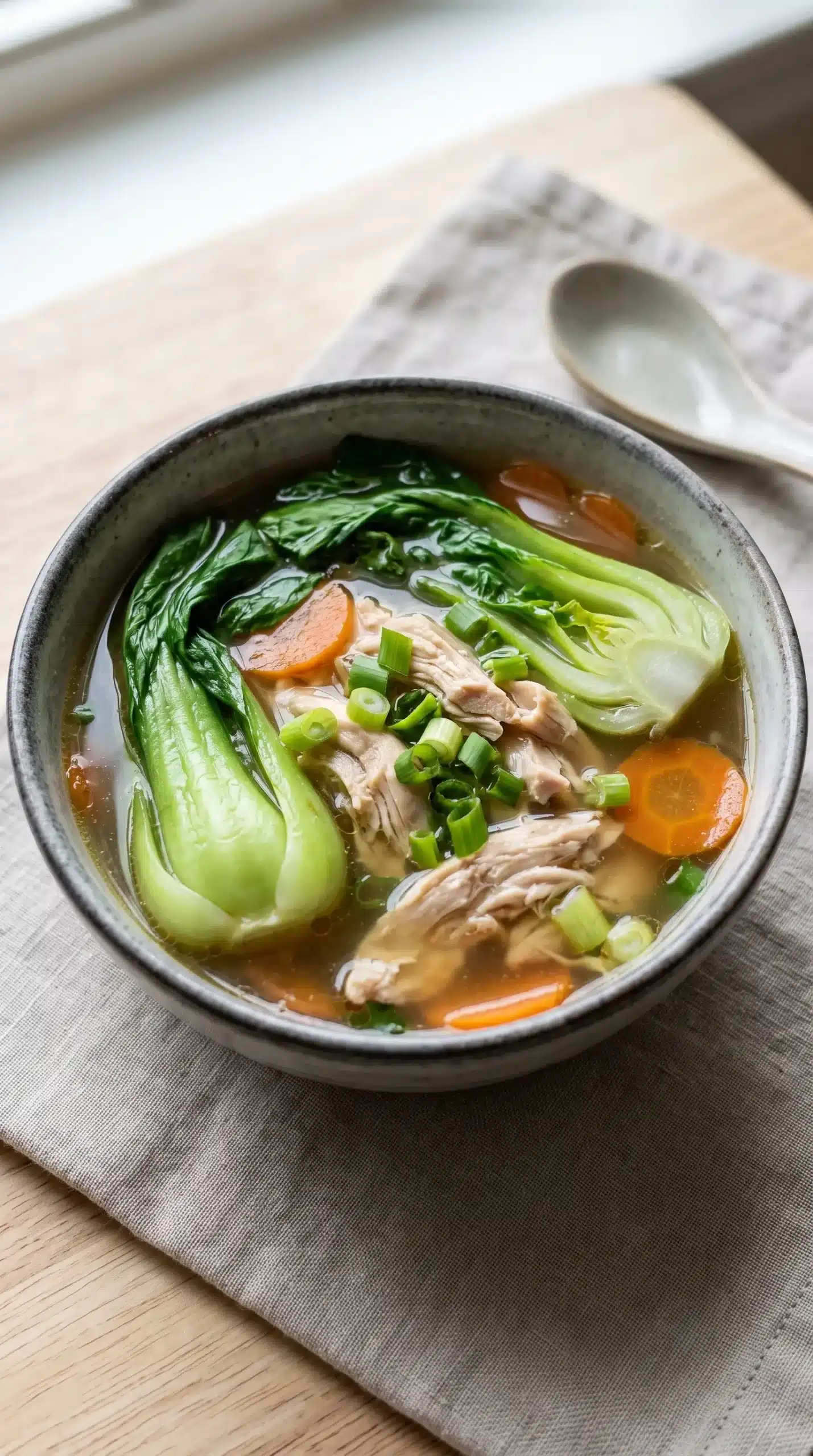
Bright leaves and crisp-tender stems show that the bok choy entered at the right moment. Combined with gently simmered chicken and balanced soy seasoning, that fresh vegetable texture keeps the soup comforting without making it feel dense or overcooked.
Controlled heat is the central judgment behind an excellent bowl. Moderate cooking protects the aromatics, tenderizes the chicken, preserves the broth, and allows every part of the dish to remain recognizable in each spoonful.
Storage and Noodle Questions About Bok Choy Chicken Soup
Can cooked noodles be stored in the soup?
They can, but they will continue absorbing broth and become softer during refrigeration. For better leftovers, keep cooked noodles in a separate container and combine them with individual servings.
How can I keep bok choy crisp after reheating?
Reserve part of the chopped bok choy when cooking for meal prep, then add that portion while reheating each serving. The fresh greens will soften in the hot broth without spending several days submerged.
Can frozen bok choy replace fresh bok choy?
Frozen bok choy can be used, although its stems will usually be softer after cooking. Add it near the end and heat only until warmed through to limit further texture loss.
What should I do if the broth tastes too salty?
Add a small amount of unsalted broth or water, then taste again after the soup returns to serving temperature. Extra bok choy or carrots can also increase the volume without introducing more sodium.
Can the chicken be cooked separately?
Yes. Cooked chicken may be sliced or shredded and added during the later part of simmering. This approach works well with leftovers, but the broth may have slightly less chicken flavor than a pot made with raw diced meat.
Bok Choy Chicken Soup with Garlic Ginger Broth and Soy
Ingredients
Method
- Warm olive oil in a large soup pot over medium heat, then cook the minced garlic and fresh ginger for about 1 minute until fragrant.
- Add the diced chicken to the pot and cook for 4–5 minutes, turning as needed, until lightly browned on all sides.
- Stir in the sliced carrots and cook for 3 minutes until slightly softened.
- Add chicken broth and soy sauce, bring the soup to a gentle boil, then lower the heat and simmer for 15 minutes until the chicken reaches 165°F / 74°C internally.
- Mix in the chopped bok choy during the last few minutes of cooking and simmer until the greens are tender while maintaining some crisp texture.
- Season the soup with salt and black pepper to taste, then serve warm with sliced green onions on top.