Garlic Butter Shrimp with Lemon and Fresh Parsley
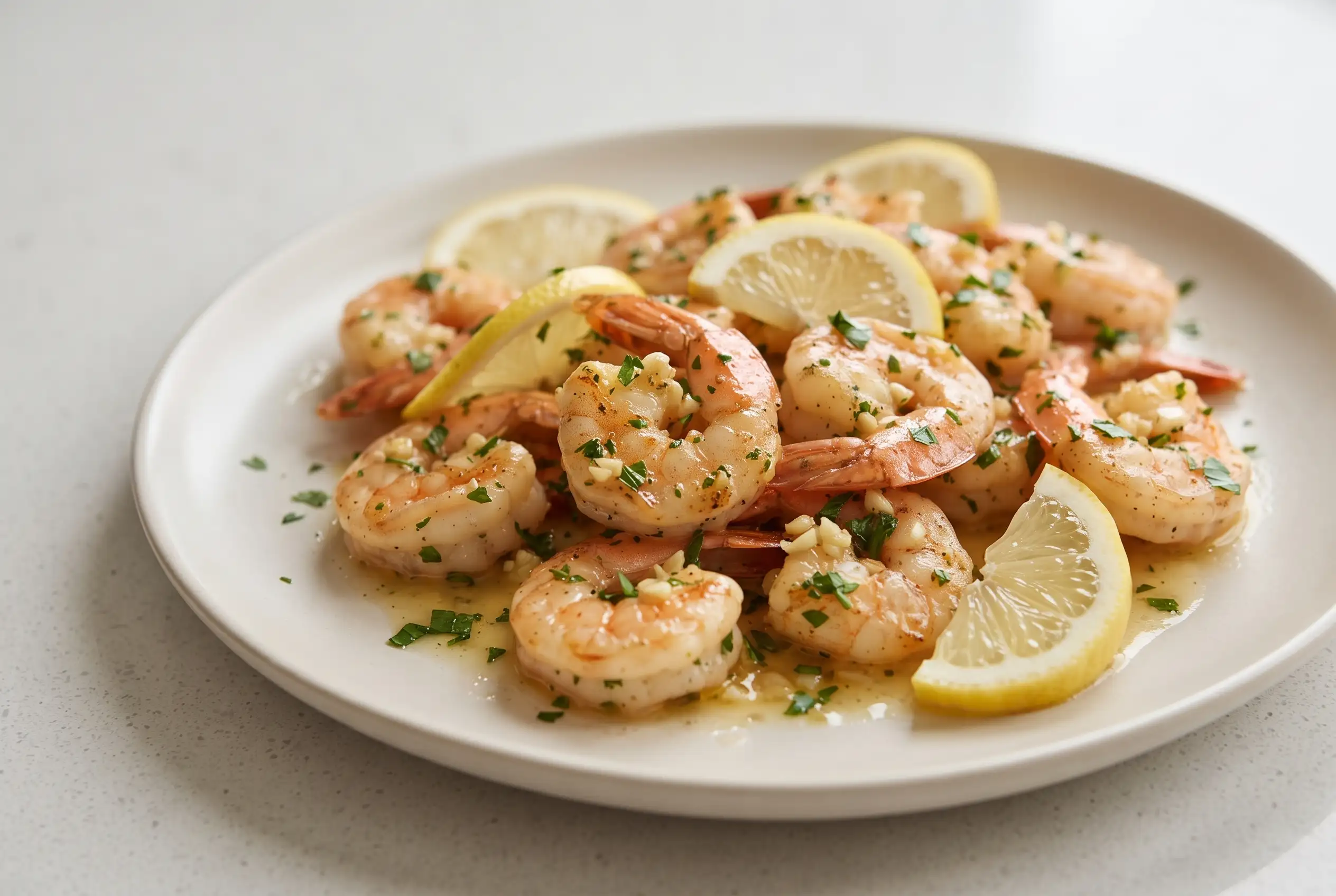
Garlic Butter Shrimp brings together juicy seafood, rich butter, fresh garlic, and bright lemon in a skillet meal designed for maximum flavor with minimal effort. This easy garlic butter shrimp recipe creates a silky sauce that clings to every bite while keeping the shrimp tender and satisfying.
Restaurant-style seafood does not require complicated techniques when the ingredients are handled carefully. The combination of seared shrimp, aromatic garlic, and fresh parsley creates a balanced dinner that works for relaxed evenings and special occasions alike.
Garlic Butter Shrimp Delivers Fast Seafood Flavor
Few meals create such a strong flavor impression with so little preparation. Shrimp cook quickly, absorb the buttery sauce readily, and pair naturally with the sharp freshness of lemon juice. The result is a 20 minute shrimp recipe that feels polished without requiring a long cooking process.
The skillet approach keeps the focus on texture. Shrimp develop light golden color when placed in a hot pan, while the surrounding butter carries garlic flavor throughout the dish. Fresh parsley added at the end provides contrast and keeps the rich sauce from feeling heavy.
| Cooking choice | Result | Best use |
|---|---|---|
| Single-layer shrimp placement | Better browning and even cooking | Creating tender seared seafood |
| Fresh garlic in butter | Deep aromatic flavor | Building the signature sauce |
| Lemon finish | Bright balanced flavor | Refreshing the buttery richness |
Shrimp and Butter Choices Shape the Sauce
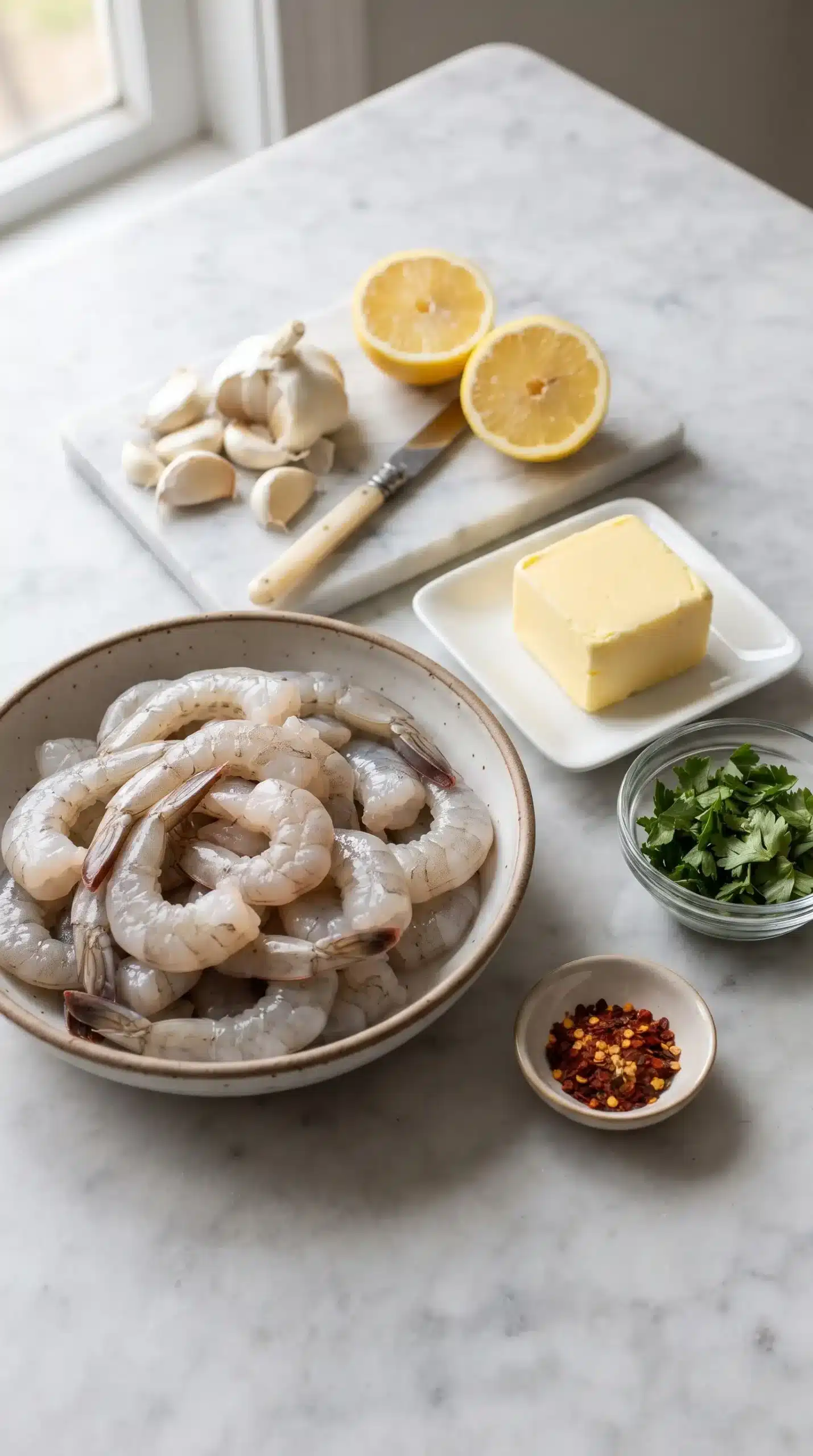
The ingredients chosen for garlic butter shrimp have a direct impact on the finished texture and flavor. Large shrimp are especially useful because they remain juicy during the quick searing process and provide a satisfying bite.
Unsalted butter gives better control over seasoning because salt can be adjusted after the shrimp begin cooking. Fresh garlic is equally important because minced cloves create the bold aromatic foundation that defines the sauce.
Lemon juice has a specific role beyond adding citrus flavor. Its brightness balances the richness of butter and helps lift the savory flavors left in the skillet. Fresh parsley adds color and a clean finish that completes the dish.
- Large shrimp: help maintain a tender texture during fast cooking.
- Fresh garlic: creates stronger flavor than powdered alternatives.
- Red pepper flakes: introduce optional warmth without changing the base recipe.
Skillet Control Keeps Garlic Butter Shrimp Tender
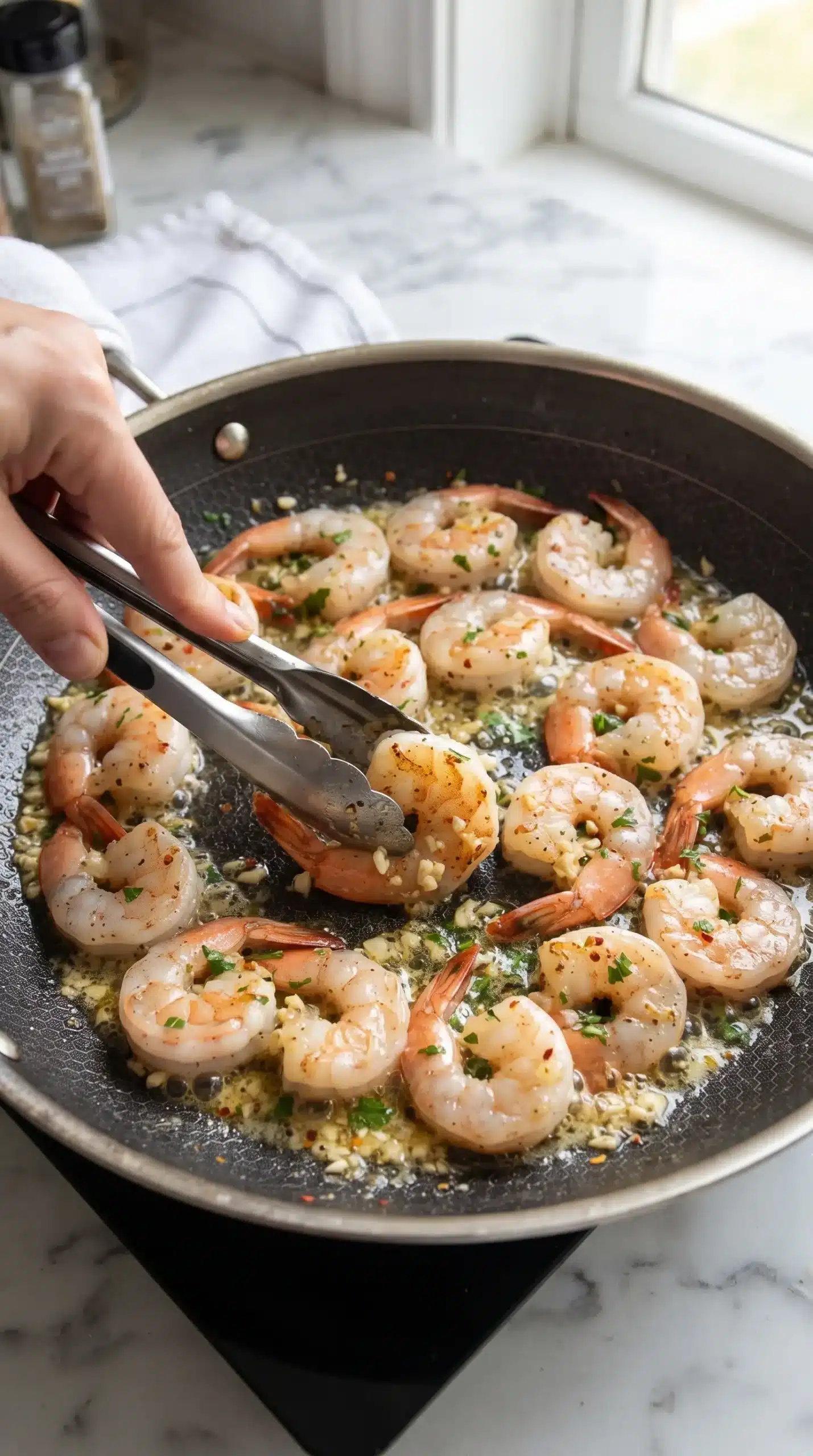
Successful garlic butter shrimp depends on managing heat at the right moments. Gentle butter heating helps protect flavor because garlic can become bitter when exposed to excessive heat, while a hotter skillet helps the shrimp develop light color.
Drying the shrimp before cooking is one of the most important preparation choices. Excess surface moisture can interfere with browning, while dry shrimp make better contact with the skillet and cook more effectively.
Watching the shrimp closely matters because seafood changes quickly. Once the shrimp become pink and opaque, removing them from heat helps preserve their soft texture and prevents unnecessary carryover cooking.
Garlic Butter Shrimp Mistakes That Ruin Texture
Small cooking mistakes can quickly affect this dish because shrimp and garlic both require careful timing. Avoiding a few common problems makes the difference between juicy seafood and disappointing results.
- Wet shrimp: prevent proper searing and can create a steamed texture.
- Burned garlic: introduces bitterness that overpowers the sauce.
- Overcooked shrimp: leads to a firm rubbery texture.
- Crowded skillet: reduces direct heat contact and limits browning.
Keeping the pan organized and preparing the finishing ingredients before cooking begins allows each stage to happen smoothly. Quick seafood dishes reward attention because small timing changes create noticeable results.
Pairings That Complete Garlic Butter Shrimp
The buttery sauce makes garlic butter shrimp flexible enough to serve with many different sides. Pasta absorbs the sauce beautifully, while rice provides a simple base that allows the shrimp flavor to stand out.
Crusty bread is another natural match because it captures extra garlic butter left on the plate. Vegetables such as asparagus, broccoli, zucchini, or spinach add freshness and create a more balanced meal.
Light salads and cauliflower rice offer alternatives for diners who prefer a less rich accompaniment. Each option highlights the shrimp and sauce in a different way.
Storage Choices Protect Leftover Garlic Butter Shrimp
Proper storage helps maintain the quality of leftover shrimp. An airtight container keeps the seafood protected, while gentle reheating helps preserve the sauce texture.
A skillet over low heat is the preferred reheating approach because it warms the shrimp gradually. Adding a small amount of butter or water can loosen the sauce if it becomes thicker after chilling.
Freezing is possible, though shrimp texture may change slightly after thawing. Careful reheating remains important because repeated high heat can make seafood less tender.
Prep Shortcuts Simplify a 20 Minute Shrimp Recipe
Garlic butter shrimp already fits busy schedules, but preparation shortcuts can make the cooking process even smoother. Peeled and deveined shrimp reduce hands-on work, and frozen shrimp offer convenient storage.
Having garlic, lemon juice, and parsley prepared before heating the skillet prevents rushed decisions during the short cooking window. Pre-cooked rice or prepared pasta can also turn the shrimp into a complete meal quickly.
Convenience does not require skipping the important details. Drying the shrimp and controlling heat remain essential even when using time-saving ingredients.
Flavor Variations Expand Garlic Butter Shrimp
The basic garlic butter shrimp recipe provides a strong foundation for several flavor directions. Small adjustments can change the character of the meal while keeping the same cooking approach.
- Spicy version: increase chili flakes or add cayenne for extra heat.
- Wine variation: include a splash of dry white wine for a scampi-inspired finish.
- Creamy option: add a small amount of cream for a richer sauce texture.
- Herb swap: replace parsley with cilantro or basil for a different fresh note.
Vegetables can also be added directly to the skillet. Spinach, asparagus, and cherry tomatoes pair naturally with the garlic butter flavors.
Adding vegetables directly to the skillet can turn garlic butter shrimp into a more complete meal. Asparagus brings a crisp texture and fresh flavor while cooking alongside the shrimp in garlic butter shrimp with asparagus.
Serving Styles Highlight the Garlic Butter Sauce
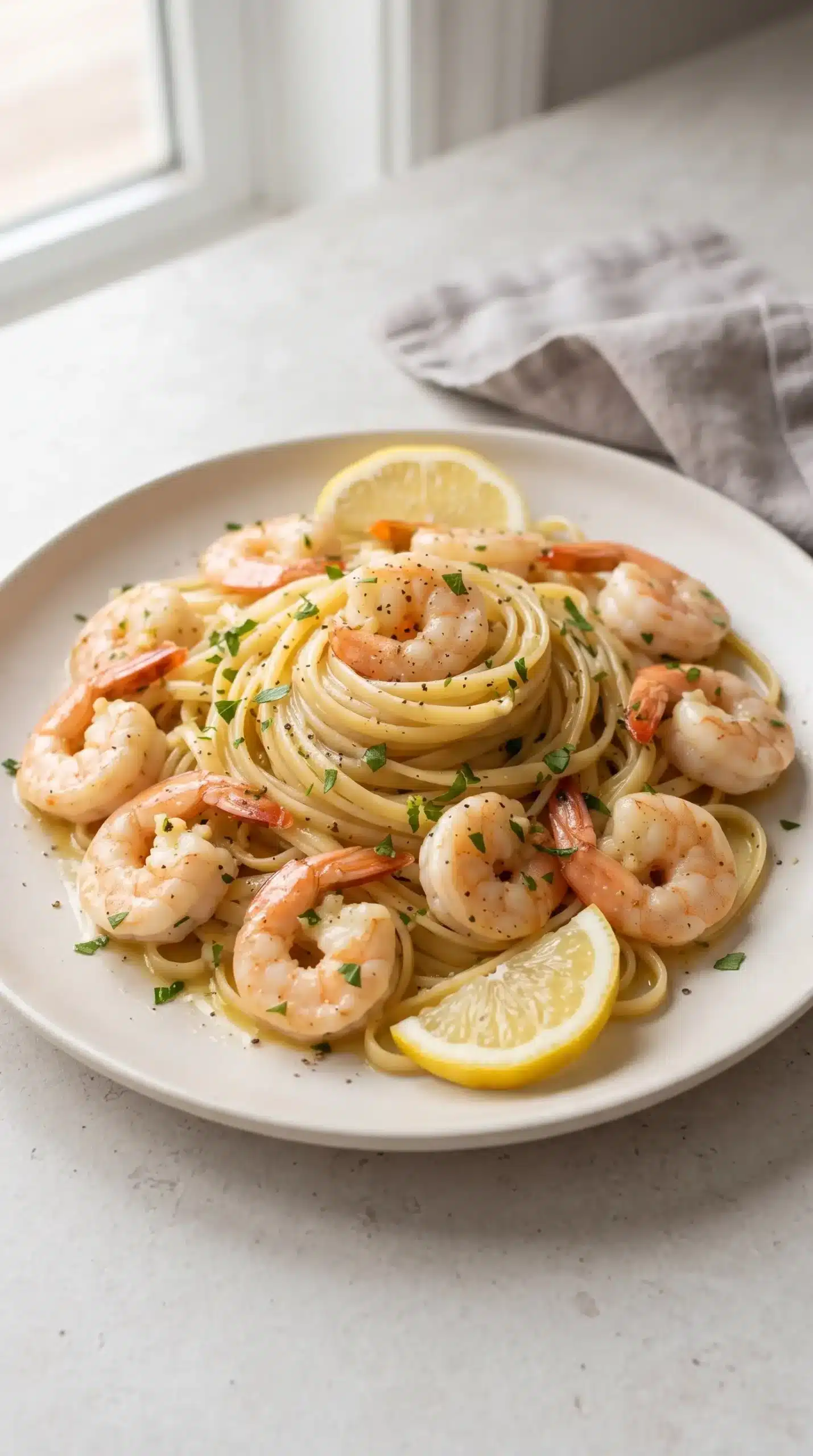
The presentation of garlic butter shrimp can change the entire meal experience. Serving the shrimp over pasta creates a comforting dinner, while arranging it with vegetables creates a lighter plate.
Rice bowls offer another practical option because the grains capture the flavorful sauce. Wraps and tacos can also transform the shrimp into a more casual meal with customizable toppings.
The sauce remains the central feature in every serving style. Choosing sides that absorb or complement the butter creates the best balance.
Shrimp Texture Depends on Heat Timing
Texture is the defining quality of a successful shrimp dinner. Properly cooked shrimp should feel juicy and tender with a pleasant bite, while overcooked seafood becomes noticeably firmer.
The short cooking process means attention matters more than extended preparation. Allowing shrimp to sit briefly in the skillet encourages color development, but moving them away from heat at the right moment protects their moisture.
The glossy butter sauce adds another textural layer by coating the shrimp evenly. Lemon and parsley keep that richness balanced with freshness.
Family-Friendly Garlic Butter Shrimp Adjustments
The mild foundation of garlic butter shrimp makes it easy to adapt for different preferences. Leaving out red pepper flakes creates a gentler version, while serving spice separately allows everyone to customize their plate.
Younger diners may enjoy smaller shrimp pieces mixed with familiar sides such as noodles or rice. The buttery sauce can also make vegetables more appealing when tossed together before serving.
Flexible presentation helps this seafood meal fit a variety of family routines without changing the essential flavors.
Budget Decisions Keep Garlic Butter Shrimp Practical
Smart ingredient choices can make this seafood dinner accessible without sacrificing flavor. Frozen shrimp often provide convenience and value, while medium shrimp can work well when larger sizes are unavailable.
Simple additions such as pasta, rice, or vegetables help extend portions while allowing the garlic butter sauce to remain the highlight. Fresh garlic and lemon provide strong flavor impact without requiring many extra ingredients.
Garlic Butter Shrimp Shows Why Simple Cooking Works
Garlic butter shrimp succeeds because careful heat control transforms a short ingredient list into a complete seafood experience. Dry shrimp, gently cooked garlic, balanced butter, and a bright lemon finish each contribute to the final texture and flavor.
The combination of juicy shrimp and silky sauce demonstrates how precise timing can create a memorable meal without complicated preparation. Every cooking decision supports the tender seafood texture that makes this skillet dish special.
Rubbery Shrimp Concerns Answered
How can I prevent rubbery shrimp?
Rubbery shrimp usually result from cooking too long. Remove the shrimp from heat once they turn pink and opaque so they keep their tender texture.
Can frozen shrimp work for garlic butter shrimp?
Frozen shrimp work well when fully thawed and dried before cooking. Removing excess moisture helps the shrimp sear properly in the skillet.
Why does garlic become bitter?
Garlic can become bitter when exposed to excessive heat for too long. Cooking it briefly in butter before adding the shrimp helps preserve its sweet aromatic flavor.
What pasta works best with the sauce?
Linguine and angel hair pasta pair especially well because their shapes allow the buttery sauce to coat each bite.
Can vegetables be added to the skillet?
Yes, vegetables such as spinach, asparagus, and tomatoes complement the garlic butter flavors and create a more complete meal.
Garlic Butter Shrimp with Lemon and Fresh Parsley
Ingredients
Method
- Pat the shrimp completely dry with paper towels before cooking.
- Melt the butter in a large skillet over medium heat until it becomes foamy.
- Add the minced garlic and optional red pepper flakes to the butter and cook for about 60 seconds until fragrant.
- Raise the heat slightly and arrange the shrimp in the skillet in a single layer.
- Cook the shrimp undisturbed for 2 to 3 minutes until lightly browned on the bottom.
- Turn the shrimp over and cook for about 2 more minutes until pink and opaque.
- Add the lemon juice, sea salt, and black pepper, stirring to coat the shrimp in the garlic butter sauce.
- Take the skillet off the heat and finish with fresh parsley before serving.